


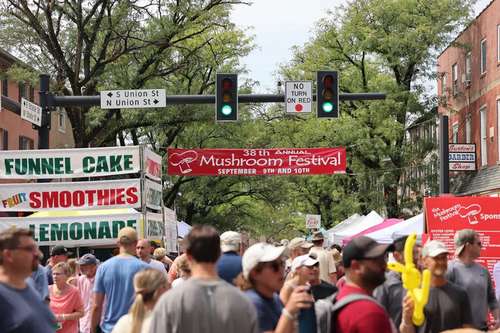
Texas has no shortage of traditional festivals celebrating food, agriculture, history, and cultural heritage. At the same time, the state has developed a reputation for embracing celebrations that are a little more unusual. From watermelon seed-spitting contests to rattlesnake roundups and giant mushroom festivals, some of Texas' most recognizable annual events revolve around traditions that might seem unexpected at first glance.
Despite their quirky themes, these festivals are far from gimmicks. Most began as genuine community celebrations tied to local industries, natural resources, or long-standing traditions. Over the years, their unique character helped them stand out, attracting visitors who were curious enough to experience something they could not find anywhere else.
That combination of authenticity and originality explains why quirky festivals continue to thrive across Texas. They provide memorable experiences, celebrate local identity, and remind visitors that every Texas town has its own story to tell.
Every Festival Starts With a Local Story
Many of Texas' quirkiest festivals did not begin because organizers were looking for unusual ideas. Instead, they grew naturally from the things that made each community unique.
The Luling Watermelon Thump is one of the best examples. Established to celebrate the area's watermelon growers, the festival eventually became famous for its watermelon seed-spitting contest. While that contest now receives plenty of attention, the event still honors the agricultural heritage that inspired it through parades, cook-offs, live music, and community activities.
Another example is the Texas Mushroom Festival in Madisonville. Mushroom farming has long been an important part of the local economy, so the town created a festival that highlights growers through educational exhibits, cooking demonstrations, family activities, and vendors. What may sound unusual to outsiders is simply a celebration of something the community takes pride in.
These festivals succeed because their themes are rooted in real local history rather than being invented solely to attract tourists.
The Unusual Makes People Curious
A festival with an unusual name naturally grabs attention. Even people who know very little about a town may become interested after hearing about events like Turkeyfest, Watermelon Thump, or the World Championship Barbecue Goat Cook-Off in Brady.
That initial curiosity often encourages visitors to learn more about the community itself. Someone may arrive expecting to watch a seed-spitting contest or sample goat barbecue, but they also end up exploring downtown, visiting local museums, shopping at small businesses, and learning about the town's history.
In that sense, the quirky attraction serves as an introduction rather than the entire experience. The festival becomes memorable because it combines something unexpected with genuine community pride.
Friendly Competition Keeps Traditions Alive
Many quirky festivals include competitions that have become just as famous as the celebrations themselves. These contests give visitors something entertaining to watch while encouraging local participation year after year.
The watermelon seed-spitting contest at Luling Watermelon Thump is perhaps the best-known example. What began as a lighthearted activity has become one of the festival's signature events, drawing participants of all ages while reinforcing the community's connection to watermelon farming.
The World Championship Barbecue Goat Cook-Off in Brady follows a similar pattern. Cooking competitions are already popular throughout Texas, but focusing entirely on goat barbecue gives the event its own identity while celebrating a regional ranching tradition.
These competitions may appear playful, but they help preserve traditions that have become part of each town's character.
Local Pride Is Stronger Than the Theme
Although unusual themes attract attention, they are rarely the real reason people return. Visitors often come back because they enjoy the welcoming atmosphere, the friendly volunteers, and the opportunity to experience a close-knit Texas community.
The Cuero Turkeyfest demonstrates this well. While the festival celebrates the town's historic turkey industry and even includes its famous "Turkey Trot," the weekend also features parades, live entertainment, arts and crafts, races, and family activities that appeal to visitors regardless of whether they have any connection to the poultry industry.
The same can be said for the Great Texas Mosquito Festival in Clute. The oversized mosquito mascot and humorous branding may attract first-time visitors, but concerts, carnival rides, cook-offs, community events, and local hospitality are what encourage many families to return every year.
In other words, the quirky theme may bring people through the gate, but the community experience is what leaves the lasting impression.
They Give Small Towns a Unique Identity
Texas has hundreds of annual festivals, so standing out can be difficult. A distinctive theme gives smaller communities something that immediately separates them from other destinations across the state.
Clute is widely associated with the Great Texas Mosquito Festival, while Madisonville has become known for the Texas Mushroom Festival. Brady's goat cook-off, Luling's watermelon celebration, and Cuero's turkey festival have all become closely tied to their hometowns, helping each community build a recognizable identity that extends well beyond its local region.
That recognition benefits tourism throughout the year. Visitors who first hear about a town because of an unusual festival often return later to explore local attractions, restaurants, and historic downtown districts.
Quirky Festivals Appeal to All Ages
One reason these festivals remain successful is that they rarely focus on only one audience. While adults may appreciate the history or food traditions behind the event, children often enjoy the playful contests, mascots, parades, carnival rides, and interactive activities.
The Great Texas Mosquito Festival illustrates this balance particularly well. Families can watch live entertainment, enjoy amusement rides, participate in games, and meet the festival's oversized mosquito mascot, all while learning about the local community and supporting area organizations.
Likewise, the Texas Mushroom Festival combines educational exhibits with cooking demonstrations, live music, arts and crafts, and children's activities. By offering something for every generation, these festivals become annual traditions that families continue sharing year after year.
Social Media Helps the Fun Spread
Quirky festivals have become even more popular in the age of social media because they naturally create moments people want to share. A giant mosquito mascot, a watermelon seed-spitting contest, or an award-winning goat barbecue cook-off immediately catches attention in photos and videos.
That visibility benefits small Texas towns in ways that traditional advertising often cannot. Visitors post their experiences online, introducing friends and family to communities they may have never heard of before and encouraging others to add the festival to their own travel plans.
For many organizers, social media has helped expand awareness without changing what makes the festival special. The traditions remain the same, but they now reach a much larger audience.
Local Food Adds to the Experience
Food is another reason quirky festivals continue to succeed. While the unusual theme may attract attention, visitors often discover that the food becomes one of the highlights of the entire weekend.
At the Texas Mushroom Festival, local chefs and vendors prepare mushroom-inspired dishes alongside traditional Texas festival favorites. During the Great Texas Mosquito Festival, visitors can enjoy barbecue, funnel cakes, roasted corn, local specialties, and other classic festival foods while spending the day exploring the event.
The World Championship Barbecue Goat Cook-Off naturally puts goat barbecue at center stage, but it also showcases the creativity of Texas pitmasters who continue introducing visitors to regional cooking traditions. These food experiences give guests another reason to stay longer and explore more of the community.
Festivals Grow Without Losing Their Personality
One challenge for any successful event is growth. As attendance increases, organizers must add parking, vendors, entertainment, and infrastructure while making sure the festival still feels like it belongs to the community that created it.
Many Texas festivals have managed that balance remarkably well. Luling Watermelon Thump now attracts visitors from across the state, yet the watermelon remains at the center of the celebration through contests, local traditions, and community events. Likewise, Turkeyfest has expanded its entertainment lineup over the years while continuing to celebrate the industry that originally inspired the festival.
This ability to evolve without abandoning tradition helps explain why many quirky festivals have remained successful for decades.
Visitors Discover More Than the Festival
One unexpected benefit of quirky festivals is that they often encourage visitors to explore the rest of the town. People who travel to see a unique event frequently spend additional time discovering local restaurants, museums, parks, and historic downtown districts.
Someone attending the Great Texas Mosquito Festival in Clute might also visit nearby attractions along the Texas Gulf Coast. Visitors traveling to Madisonville for the Texas Mushroom Festival often spend time exploring local businesses, while guests attending Watermelon Thump can experience Luling's historic downtown and famous barbecue restaurants.
The festival becomes the reason for the trip, but the community itself often becomes the reason people return.
Community Pride Makes Every Festival Feel Genuine
Although quirky festivals are entertaining, they would not last if local residents did not genuinely care about them. Behind every parade, contest, vendor booth, and stage performance are volunteers, civic organizations, schools, churches, and businesses working together to celebrate their hometown.
That sense of ownership gives these events an authenticity that visitors immediately notice. Rather than feeling like commercial productions, they feel like community celebrations where residents are proud to share their traditions with others.
Whether it is volunteers organizing Turkeyfest, local growers participating in the Texas Mushroom Festival, or families preparing for Watermelon Thump, the enthusiasm comes from the people who call these towns home.
Quirky Traditions Often Preserve Local History
While some festival activities may seem humorous, many actually preserve traditions that have historical significance. Competitions, demonstrations, recipes, and agricultural exhibits often reflect practices that have shaped local communities for generations.
For example, the World Championship Barbecue Goat Cook-Off highlights ranching traditions that remain important in parts of Central Texas. The Texas Mushroom Festival educates visitors about an agricultural industry that continues to contribute to Madisonville's economy, while Turkeyfest reminds attendees of Cuero's long-standing connection to commercial turkey production.
In this way, quirky festivals entertain while also serving as living history lessons. They allow communities to celebrate their past in ways that are engaging, memorable, and accessible to visitors of all ages.
Tips for Visiting a Quirky Texas Festival
A little planning can help you enjoy these one-of-a-kind events even more.
- Look beyond the headline attraction. The famous contest or unusual theme may draw the crowds, but local food vendors, heritage exhibits, downtown shops, and community performances are often just as memorable.
- Check the festival schedule before you arrive. Many signature events—such as seed-spitting contests, parades, cook-offs, or demonstrations—take place at specific times and are worth planning around.
- Spend time exploring the host town. Visit local museums, historic downtown districts, restaurants, and small businesses to experience the community that inspired the festival.
- Talk with local volunteers and vendors. Many are happy to share the history behind the festival, giving visitors a better understanding of how the tradition began and why it continues today.
Why Texas Continues to Embrace Quirky Festivals
Texas has always celebrated communities that are proud of what makes them different. Whether that difference involves strawberries, mushrooms, watermelons, mosquitoes, goats, or turkeys, local traditions have a way of becoming annual celebrations that attract visitors from far beyond the town itself.
Events like Luling Watermelon Thump, the Great Texas Mosquito Festival, the Texas Mushroom Festival, Cuero Turkeyfest, the World Championship Barbecue Goat Cook-Off, and the Poteet Strawberry Festival prove that unusual ideas can become lasting traditions when they grow from authentic local history. Their success is not based on being strange for the sake of attention, but on celebrating something that genuinely matters to the people who organize them.
That is the enduring appeal of Texas' quirkiest festivals. They turn local stories into memorable experiences, welcome visitors with genuine hospitality, and remind everyone that some of the state's best celebrations happen in places willing to embrace what makes them unique.
Comments (0)
No comments yet. Be the first to share your thoughts.
Leave a comment