


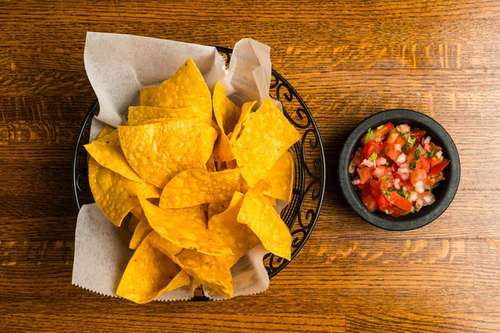
Walk into almost any Tex-Mex restaurant in Texas today, and you'll likely be greeted with a familiar sight before you've even looked at the menu: a basket of warm tortilla chips and a bowl of fresh salsa. For many diners, they're more than an appetizer—they're simply part of the Tex-Mex experience. Whether you're meeting friends after work, celebrating with family, or stopping for lunch, it's hard to imagine sitting down at a Tex-Mex restaurant without reaching for a chip while waiting for the main course.
It wasn't always this way. Earlier generations of Tex-Mex restaurants often welcomed guests with warm flour tortillas and butter, especially in South Texas and San Antonio. Over time, however, chips and salsa gradually became the standard starter, eventually defining the dining experience in restaurants across Texas and far beyond.
Their rise wasn't accidental. It reflected changing restaurant operations, evolving customer expectations, and the growing popularity of Tex-Mex cuisine throughout the United States.
Tortilla Chips Have Older Roots Than Many People Realize
Although chips and salsa are strongly associated with Tex-Mex today, tortilla chips themselves have deeper roots.
Corn tortillas have been a staple of Mexican cuisine for centuries. When tortillas became stale, families often cut them into triangles and fried them to avoid wasting food. This practical use eventually evolved into the crisp tortilla chips people recognize today.
Commercial production accelerated during the twentieth century, particularly in Southern California and Texas, where tortilla manufacturers realized leftover tortillas could be turned into a marketable snack rather than discarded. As production expanded, tortilla chips became inexpensive, widely available, and remarkably easy for restaurants to serve.
That convenience would eventually change Tex-Mex dining.
Salsa Was Already Part of Everyday Mexican Cooking
The second half of the tradition—salsa—has an even longer history.
Long before Spanish colonization, Indigenous communities throughout what is now Mexico prepared sauces using tomatoes, chiles, tomatillos, herbs, and other local ingredients. The word "salsa" itself simply means "sauce" in Spanish, and countless regional variations developed over hundreds of years.
When Mexican culinary traditions blended with Texas ingredients and influences, fresh tomato salsa naturally became one of the defining flavors of Tex-Mex cooking.
Serving it alongside tortilla chips eventually became an obvious pairing, even though the combination developed gradually rather than appearing all at once.
Tex-Mex Restaurants Needed an Efficient Welcome
As Tex-Mex restaurants grew in popularity after World War II, operators searched for ways to improve the customer experience.
Fresh tortilla chips offered several advantages. They could be prepared in advance or purchased from local suppliers, remained crisp throughout the day, and could be served almost immediately after guests were seated. Salsa could likewise be made in batches while still tasting fresh when prepared with quality ingredients.
This allowed customers to begin eating almost immediately while kitchens finished preparing entrées. The approach also encouraged guests to relax, order drinks, and enjoy conversation instead of focusing on wait times.
Complimentary Chips and Salsa Became an Expectation
Once several successful restaurants adopted the practice, customer expectations quickly changed.
Diners began associating complimentary chips and salsa with hospitality. Restaurants that served them created an immediate sense of generosity, making guests feel welcome before they placed an order. As Tex-Mex cuisine spread across Texas during the 1960s, 1970s, and 1980s, more restaurants adopted the custom to remain competitive.
Eventually, chips and salsa stopped being viewed as a bonus and became something customers naturally expected. Today, many Texans would be genuinely surprised if they visited a Tex-Mex restaurant that didn't bring chips to the table shortly after they sat down.
Chips and Salsa Help Define Tex-Mex Identity
The pairing also became a simple way to distinguish Tex-Mex restaurants from other dining experiences. Barbecue restaurants often begin with pickles, onions, and bread. Italian restaurants frequently serve bread and olive oil or butter. Traditional steakhouses may offer warm rolls.
Tex-Mex restaurants became closely identified with chips and salsa. That association proved so successful that many restaurants outside Texas eventually adopted the tradition, even when their menus represented broader Mexican cuisine rather than Tex-Mex specifically.
For many Americans, complimentary chips and salsa became their first introduction to Mexican-inspired flavors.
Every Restaurant Has Its Own Salsa
Although chips are generally similar from one restaurant to another, salsa often becomes a restaurant's signature. Some establishments prepare smooth, roasted tomato salsas with smoky chile flavor. Others emphasize chunky pico-style salsas filled with fresh tomatoes, onions, cilantro, and jalapeños. Some recipes lean toward mild flavors, while others deliver the kind of heat that regular customers actively seek out.
Many family-owned restaurants continue using recipes that have remained largely unchanged for decades. Those house recipes become part of a restaurant's identity, inspiring loyal customers to return specifically for the salsa. In many cases, diners purchase jars or containers to take home after the meal.
Great Chips Matter Too
Excellent salsa deserves equally good chips. Many respected Texas restaurants fry tortilla chips in-house throughout the day rather than relying entirely on commercially packaged products. Freshly fried chips tend to be lighter, crispier, and sturdier, making them better suited for scooping thicker salsas, chile con queso, or guacamole.
The best chips also avoid excessive salt or oil, allowing the flavor of fresh corn to remain noticeable. Although they're sometimes overlooked, high-quality chips contribute just as much to the experience as the salsa itself.
Texas Restaurants Known for Outstanding Chips and Salsa
Across Texas, several long-established restaurants have earned loyal followings for their chips and salsa.
In Austin, Matt's El Rancho has been serving Tex-Mex since 1952, and its fresh chips and house salsa remain a favorite before meals that include classics like Bob Armstrong Dip and enchiladas. Maudie's Tex-Mex, with multiple Austin-area locations, is also known for consistently good chips paired with fresh, flavorful salsa.
In San Antonio, Rosario's ComidaMex & Bar is frequently praised for its house-made chips and vibrant salsas, while Mi Tierra Café y Panadería continues welcoming guests with fresh chips alongside its extensive Tex-Mex menu. Blanco Café, a longtime local favorite, also remains well known for traditional Tex-Mex served with fresh chips and salsa.
In Houston, The Original Ninfa's on Navigation continues the tradition with freshly prepared chips served alongside its signature salsas before guests enjoy the restaurant's famous fajitas. El Tiempo Cantina, founded by members of the Laurenzo family behind Ninfa's, has likewise built a reputation for excellent chips, salsa, and queso.
In the Dallas–Fort Worth area, Joe T. Garcia's in Fort Worth has welcomed diners with chips and salsa for generations, while Mariano's Hacienda Ranch and Meso Maya have become popular choices for diners looking for fresh chips paired with distinctive house-made salsas.
Although every restaurant prepares them differently, these establishments demonstrate how seriously Texas takes what many people consider a simple starter.
Chips and Salsa Encourage Sharing
Another reason the tradition has lasted is the way it brings people together. Unlike individual appetizers, a basket of chips naturally encourages sharing. Friends pass the salsa, compare spice levels, order queso or guacamole, and begin conversations long before the entrées arrive. That communal style of dining reflects one of Tex-Mex cuisine's greatest strengths.
Meals are often relaxed, social occasions where spending time together is just as important as the food itself. Chips and salsa help establish that atmosphere from the moment everyone sits down.
The Tradition Continues to Evolve
Today's Tex-Mex restaurants often offer several salsa options instead of just one. Roasted tomato salsa, roasted tomatillo salsa, salsa verde, habanero salsa, avocado salsa, smoky chipotle salsa, and seasonal specialties have become increasingly common. Many restaurants also pair chips with fresh guacamole or house-made chile con queso, giving diners more choices than previous generations enjoyed.
Even with these additions, the basic tradition remains unchanged. Fresh chips and salsa still signal that the meal has officially begun.
Tips for Finding Great Chips and Salsa
If you're looking for outstanding chips and salsa, start with long-established local Tex-Mex restaurants rather than national chains.
Restaurants that fry their chips throughout the day and prepare salsa fresh in-house often deliver the best results. Don't hesitate to ask whether the salsa recipe is made daily—many restaurants proudly prepare it every morning using fresh tomatoes, onions, peppers, cilantro, and spices.
If a restaurant offers multiple salsa varieties, try more than one. Comparing roasted, fresh, smoky, and spicy styles is one of the easiest ways to appreciate the diversity of Tex-Mex cooking. Finally, remember that great chips and salsa are meant to complement the meal rather than replace it. Saving room for enchiladas, tacos, fajitas, or carne guisada is part of the experience.
Why Chips and Salsa Became a Texas Tradition
Chips and salsa became the standard Tex-Mex starter because they solved practical challenges while creating a welcoming dining experience.
They were quick to serve, inexpensive to prepare, easy to share, and perfectly suited to the bold flavors that define Tex-Mex cuisine. As more restaurants embraced the tradition, customers came to expect that familiar basket waiting on the table, transforming a practical restaurant decision into one of Texas' most recognizable food customs.

Comments (0)
No comments yet. Be the first to share your thoughts.
Leave a comment