


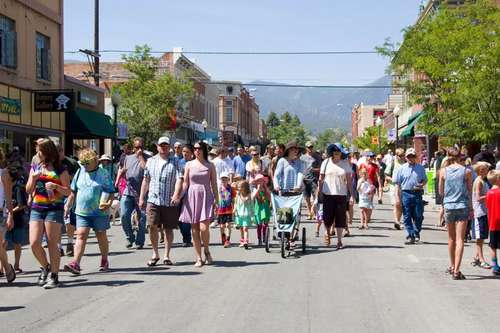
Some of Texas' most memorable festivals are not held in major cities. Instead, they take place in communities where local traditions have been celebrated for decades, sometimes for well over a century. These events may draw visitors from across the state, but their heart remains firmly rooted in the people and history of the towns that host them.
Unlike festivals built primarily around entertainment, many small-town celebrations begin with something much more personal. They recognize an important crop, preserve a cultural heritage, commemorate the town's founding, or celebrate the industries and families that helped the community grow. Over time, those traditions evolve into annual events that become part of the town's identity.
That connection between history and celebration is one of the reasons these festivals continue to attract both residents and visitors. They offer an opportunity to experience Texas culture through the stories, customs, food, and traditions that have shaped individual communities across the state.
Agricultural Traditions Become Annual Celebrations
Source: hokulanishaveice
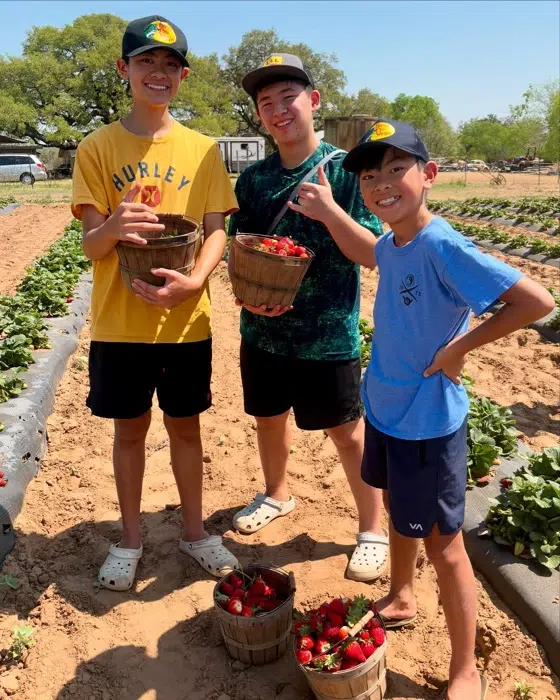
Agriculture has long been part of Texas history, so it is no surprise that many hometown festivals began as celebrations of local harvests and farming industries. While modern festivals now include concerts, parades, and family entertainment, their original purpose remains visible in the traditions they continue to preserve.
The Poteet Strawberry Festival is one of the best-known examples. Originally established to celebrate the area's strawberry growers, the festival still highlights the fruit that made Poteet famous while adding rodeo events, live music, carnival rides, livestock exhibits, and family activities. Visitors come for the entertainment, but the strawberry harvest remains the foundation of the celebration.
The same pattern can be found in Luling Watermelon Thump, which honors the community's watermelon industry. Although thousands attend each summer for concerts, barbecue, and carnival attractions, traditions such as the famous watermelon seed-spitting contest continue to remind visitors why the festival began in the first place.
Cultural Heritage Lives On Through Festivals
Many Texas towns were founded by immigrant communities that brought their own customs, food, music, and celebrations. Annual festivals help preserve those traditions while introducing new generations to the cultures that shaped the town.
Westfest, held each Labor Day weekend in the town of West, celebrates the area's Czech heritage through traditional dancing, live polka music, kolaches, sausage, cultural exhibits, and community gatherings. While the festival has grown into one of Central Texas' most popular events, it continues to reflect the Czech families whose traditions remain an important part of local life.
A similar example is Brenham Maifest, one of the oldest German heritage festivals in Texas. Organized by the Brenham Maifest Association since the 1880s, the celebration features German music, dancing, traditional costumes, parades, and community activities that honor the town's German roots while welcoming visitors from across the state.
These festivals do more than entertain. They help preserve languages, recipes, music, and customs that might otherwise fade over time.
Communities Celebrate What Makes Them Unique
Every Texas town has its own story, and many festivals are built around the qualities that make each community different.
Cuero Turkeyfest reflects the town's long connection to the turkey industry. What began as a celebration of an important local business has evolved into a weekend filled with parades, cook-offs, races, live entertainment, and family activities while continuing to recognize the agricultural heritage that helped shape Cuero.
In Madisonville, the Texas Mushroom Festival celebrates another industry that many visitors may not immediately associate with Texas. Educational exhibits, cooking demonstrations, vendors, and family activities all revolve around mushroom farming, giving visitors a chance to learn about an important part of the local economy while enjoying a community festival.
Rather than copying festivals from elsewhere, these towns embrace what makes them distinctive. That authenticity is often what visitors remember long after the weekend ends.
Historic Downtowns Become Festival Gathering Places
One reason small-town festivals feel different is the setting itself. Many are centered around historic courthouse squares or traditional downtown districts that have served as community gathering places for generations.
The Georgetown Red Poppy Festival is an excellent example. Held around Georgetown's beautifully preserved courthouse square, the event combines live music, classic cars, artists, food vendors, and family entertainment with one of the most attractive downtown settings in Texas. Visitors naturally spend time exploring the local shops and restaurants that surround the square, making the town itself part of the festival experience.
The same sense of place can be found during Winnsboro Autumn Trails, where the historic downtown becomes the backdrop for parades, arts and crafts, local performances, and seasonal celebrations. The familiar streets, storefronts, and courthouse create an atmosphere that feels welcoming because the festival grows out of the town rather than being placed into it.
Local Volunteers Keep Traditions Alive
Behind nearly every successful small-town festival is a large group of volunteers. Community members spend months organizing events, coordinating vendors, arranging entertainment, decorating downtown streets, and preparing for visitors long before festival weekend arrives.
Organizations such as civic clubs, churches, volunteer fire departments, schools, and nonprofit groups often work together to make these celebrations possible. Their involvement helps preserve traditions while giving younger generations opportunities to become part of the planning process.
That spirit of volunteerism is especially noticeable at festivals like Floresville Peanut Festival, where local organizations help organize parades, community contests, youth activities, and vendor areas. The event feels less like a professionally produced show and more like a celebration created by the town itself, which is exactly what many visitors appreciate.
Food Keeps Family Traditions Alive
For many Texans, festival food is just as important as the entertainment. The recipes served at hometown festivals often come from local churches, civic organizations, and families that have prepared the same dishes for decades.
Visitors to Westfest look forward to Czech specialties such as kolaches, klobase, sauerkraut, and homemade pastries, while guests at Poteet Strawberry Festival can enjoy fresh strawberries, desserts, jams, baked goods, and other treats that showcase the town's signature crop. These foods are more than popular menu items—they represent traditions that have been shared from one generation to the next.
Food also creates a connection between visitors and the community. Trying a local specialty prepared by longtime residents often becomes one of the most memorable parts of the festival, offering a taste of the town's history along with its hospitality.
Festivals Become Annual Homecomings
Many small-town festivals eventually grow into unofficial homecoming weekends. Former residents plan trips around the event, families organize reunions, and longtime friends use the festival as an opportunity to reconnect with people they may only see once a year.
The Luling Watermelon Thump illustrates this tradition particularly well. While first-time visitors come for the parade, live music, cook-off, and famous watermelon seed-spitting contest, many returning attendees come because it has become part of their family's annual calendar. The festival gives them a reason to come back to the town where they grew up while introducing younger family members to traditions they remember from childhood.
Similar stories can be found across Texas, where hometown festivals serve not only as community celebrations but also as annual reunions that strengthen ties between current residents and those who have moved elsewhere.
Local Businesses Become Part of the Celebration
Unlike large commercial festivals that often rely on national vendors, small-town Texas festivals usually highlight locally owned businesses. Restaurants, bakeries, boutiques, antique stores, coffee shops, and specialty retailers all become part of the visitor experience.
During the Georgetown Red Poppy Festival, many visitors spend as much time exploring the historic downtown as they do attending scheduled entertainment. They browse independent shops around the courthouse square, enjoy meals at locally owned restaurants, and discover businesses that help define Georgetown beyond the festival itself.
The same happens in communities such as Brenham during Maifest, where downtown businesses welcome festival visitors while showcasing the town's historic character. This relationship benefits both the festival and the local economy, encouraging visitors to experience more than the event alone.
Traditions Continue While Festivals Evolve
Source: _thepinkplate
Successful festivals understand that traditions should be preserved, but they also recognize the importance of adapting over time. Organizers often introduce new attractions while carefully protecting the customs that longtime attendees expect to see each year.
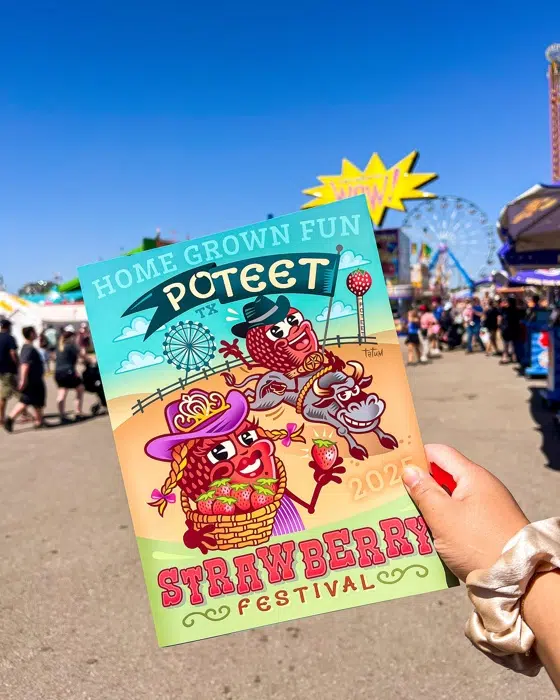
The Poteet Strawberry Festival has grown into one of Texas' largest agricultural festivals, adding nationally known musical acts, rodeo events, carnival rides, and expanded family entertainment. Yet strawberries remain the heart of the celebration, ensuring that the festival never loses sight of the community that inspired it.
The same balance can be seen at Westfest, where traditional Czech dancing and music continue alongside modern entertainment, giving first-time visitors something exciting to experience while allowing longtime attendees to reconnect with familiar traditions.
Every Season Brings a New Reason to Celebrate
One reason hometown festivals remain popular is that they are spread throughout the year, giving Texans opportunities to experience different communities in every season.
Spring features celebrations such as Brenham Maifest and the Georgetown Red Poppy Festival, where pleasant weather and blooming landscapes provide the perfect backdrop for outdoor events. Summer welcomes festivals like Luling Watermelon Thump, while fall brings favorites including Westfest, Cuero Turkeyfest, and the Floresville Peanut Festival, each reflecting the agricultural cycles and traditions of its region.
Because every festival celebrates something unique, visitors can enjoy completely different experiences simply by traveling to another Texas town. That variety keeps the state's festival calendar fresh year after year.
Visitors Experience a More Personal Side of Texas
One of the greatest strengths of hometown festivals is that they introduce visitors to places they may never have considered exploring. Instead of only visiting Texas' largest cities, travelers discover communities with distinctive histories, traditions, and personalities.
A trip to Westfest often includes visiting Czech bakeries and local restaurants. A weekend in Georgetown might involve exploring one of the state's most beautiful courthouse squares, while a visit to Brenham can easily expand into touring nearby attractions, museums, or scenic countryside.
These experiences encourage visitors to appreciate Texas beyond its major tourist destinations. Each small town offers its own story, and the annual festival provides an ideal introduction to that community.
Community Pride Is on Full Display
Perhaps the most noticeable quality of hometown festivals is the pride shown by the people who organize them. Decorations appear throughout town, local students participate in performances, businesses decorate storefronts, and volunteers welcome visitors with genuine enthusiasm.
That community spirit is visible in every parade, local contest, heritage demonstration, and volunteer-run activity. Residents are not simply hosting an event—they are sharing the traditions that define their hometown.
Visitors often remember this atmosphere long after the festival ends. Friendly conversations with local volunteers, recommendations from shop owners, and stories shared by longtime residents create experiences that feel far more personal than those found at larger commercial events.
Tips for Visiting a Small-Town Texas Festival
A little planning can help you enjoy these hometown celebrations even more.
- Arrive early and spend the whole day in town. Smaller communities often have limited parking near festival grounds, and arriving earlier gives you time to explore the downtown before larger crowds arrive.
- Look beyond the main stage. Many of the most memorable experiences happen at heritage exhibits, local museums, courthouse squares, craft demonstrations, or conversations with longtime residents.
- Support local businesses during your visit. Eat at locally owned restaurants, browse independent shops, and purchase handmade products from local vendors whenever possible.
- Review the festival schedule before you go. Many hometown festivals include parades, cultural performances, cook-offs, heritage demonstrations, and contests that take place only once during the weekend.
Why These Traditions Continue to Endure
Small-town Texas festivals continue to thrive because they celebrate something larger than entertainment. They preserve local history, honor the people who built each community, strengthen relationships between neighbors, and give future generations a chance to experience traditions that have shaped their hometown for decades.
Events such as Westfest, Brenham Maifest, Poteet Strawberry Festival, Luling Watermelon Thump, Cuero Turkeyfest, Floresville Peanut Festival, Texas Mushroom Festival, Georgetown Red Poppy Festival, and Winnsboro Autumn Trails may all look different, but they share the same purpose. Each one transforms local history into a celebration that welcomes both longtime residents and first-time visitors.
That is why these festivals continue to attract people year after year. They remind visitors that Texas is not defined only by its largest cities, but also by the traditions, hospitality, and community pride found in the small towns that continue to celebrate their stories.
Comments (0)
No comments yet. Be the first to share your thoughts.
Leave a comment