


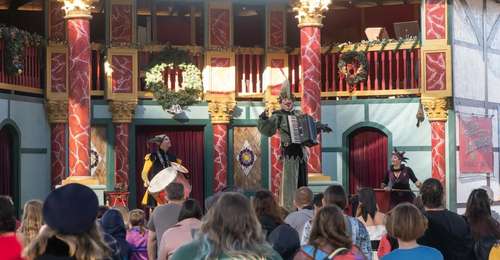
Texas knows how to make an event feel big. That is true of rodeos, football games, cookoffs, county festivals, and, of course, fairs. Across the United States, fairs often share familiar ingredients. You can expect rides, livestock shows, carnival food, music, blue ribbons, and families walking through midway lights with snacks in hand. Yet a Texas fair has its own personality.
A Texas fair feels rooted in the size, history, food, agriculture, and attitude of the state itself. It reflects a place where ranching traditions still matter, where local pride runs deep, and where a fried food contest can become headline news. It also reflects the mix of cultures that have shaped Texas for generations, from Mexican and German influences to Southern cooking, cowboy heritage, and modern urban creativity.
What makes a Texas fair different from fairs in other states? The answer starts with scale, but it does not end there. Texas fairs stand out because they blend rural tradition with big-city entertainment, serious agricultural education with showmanship, and local flavor with statewide identity.
Texas Fairs Often Feel Larger Than Life
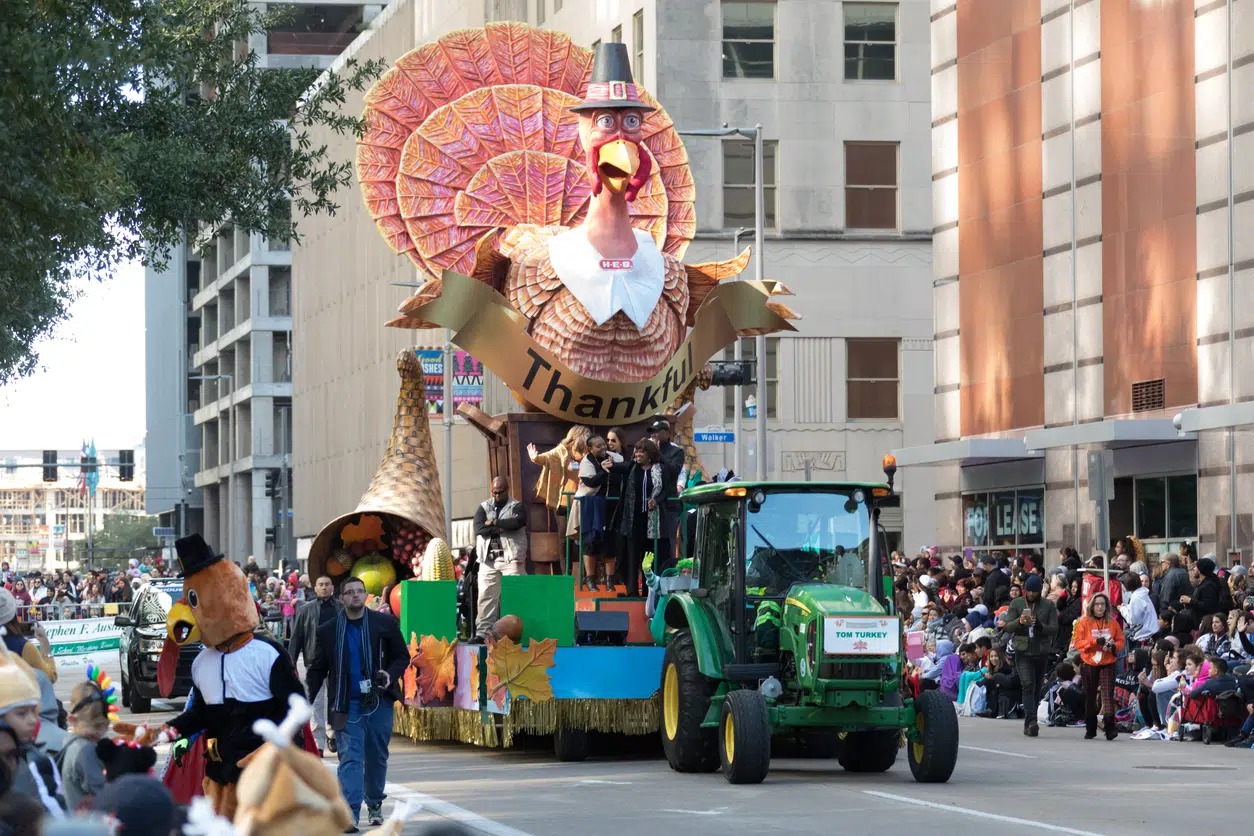
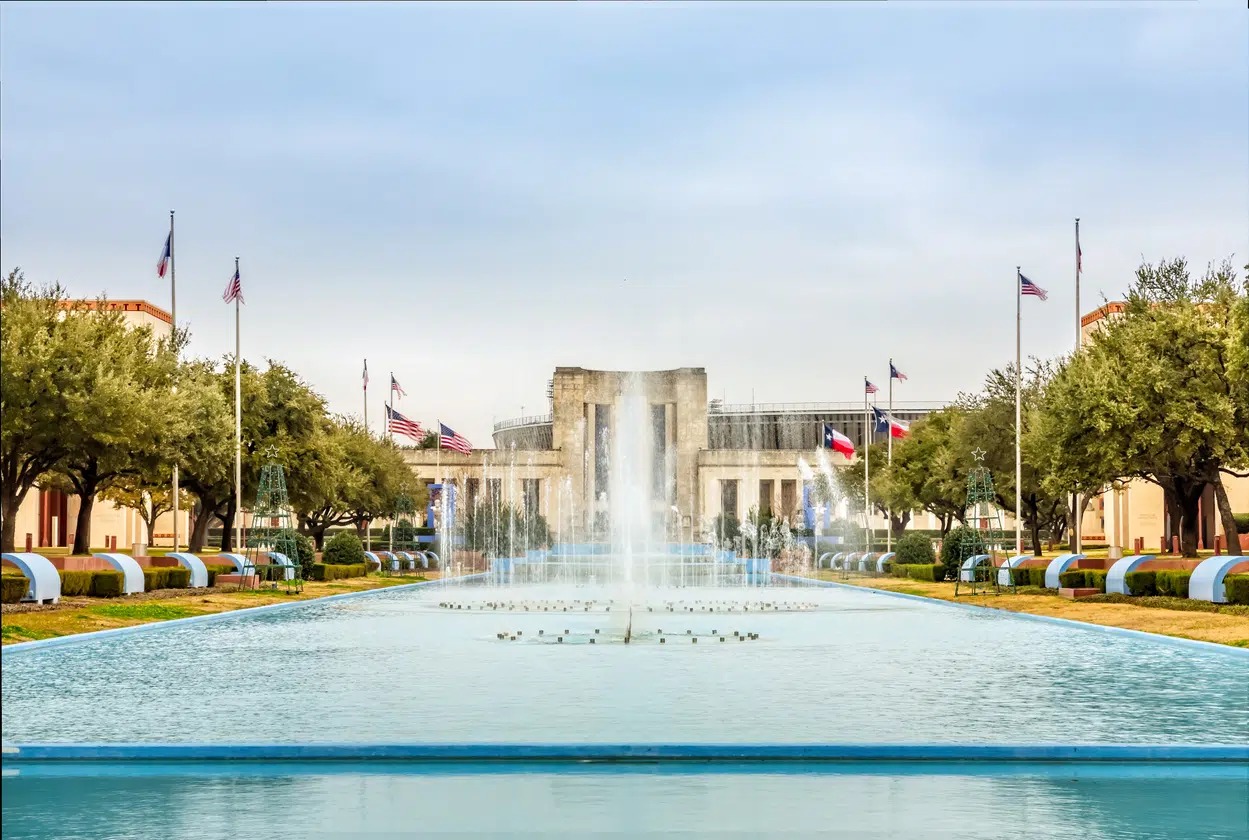
The first thing many visitors notice about a Texas fair is the size. Texas has a habit of making ordinary things feel grand, and fairs are no exception. The State Fair of Texas in Dallas is one of the best-known examples. It runs for several weeks and attracts millions of visitors during its season. It also takes place at Fair Park, a historic site with Art Deco buildings, museums, performance spaces, and wide walkways built for big crowds.
That size changes the whole experience. In some states, a fair may feel like a short weekend gathering centered on a courthouse square or a county fairground. Texas has plenty of smaller local fairs too, but the larger ones often feel like full-scale cultural events. A visitor can spend an entire day walking through livestock barns, watching concerts, eating fair food, visiting exhibits, seeing auto shows, and still miss several attractions.
The scale also shows up in the way Texans talk about fairs. These events often become annual traditions that families plan around. People remember the foods they tried, the animals they showed, the rides they loved as kids, and the music acts they saw. A Texas fair is often treated as a seasonal landmark, almost like a holiday on the calendar.
Agriculture Still Takes Center Stage
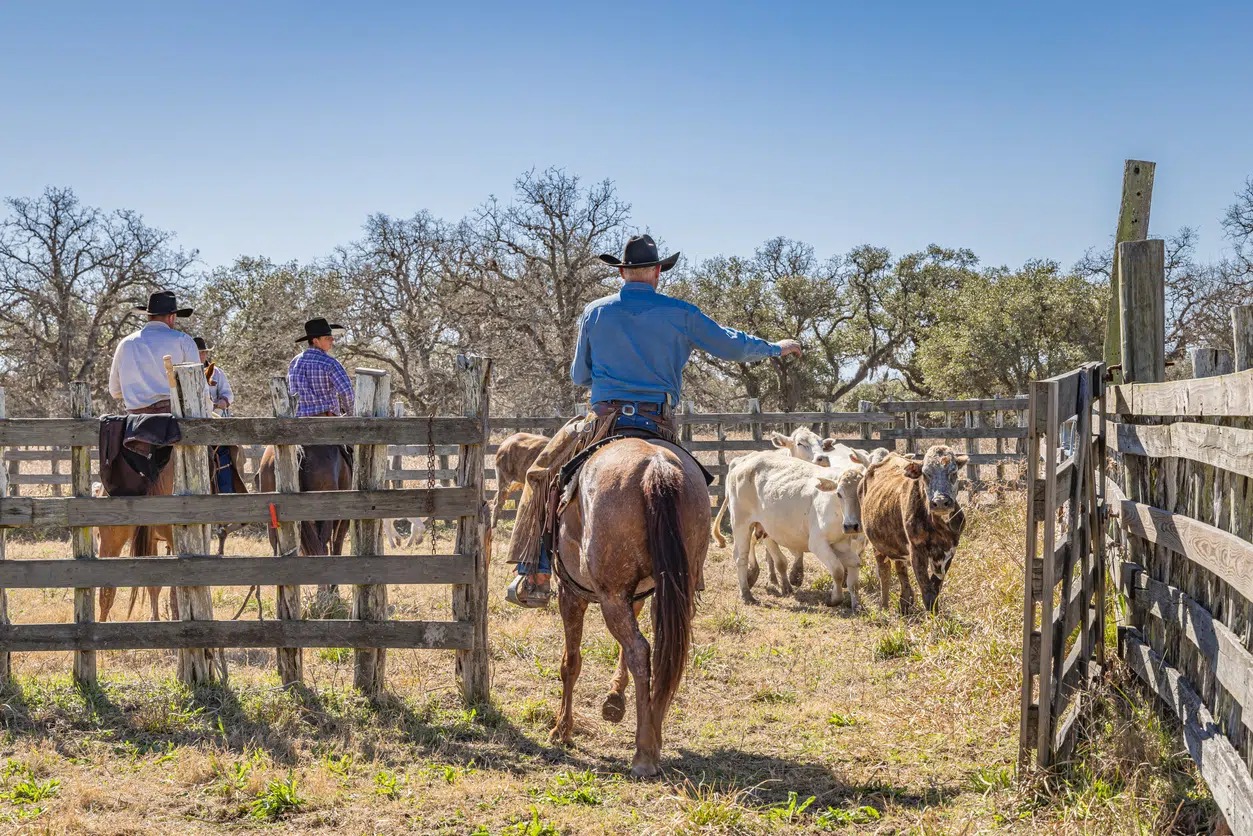
Fairs across the country began as agricultural gatherings. Farmers and ranchers came together to show livestock, compare crops, learn new methods, and celebrate the work of rural communities. Many state fairs still honor those roots, but Texas has a special connection to agriculture because of the state’s ranching history and massive agricultural economy.
At a Texas fair, livestock is not background decoration. It is a major part of the event. Cattle, goats, sheep, pigs, horses, poultry, and other animals are often shown with real seriousness. Young people involved in 4-H and FFA spend months raising, grooming, feeding, and training their animals. For many families, showing livestock is a year-round commitment.
Visitors who take time to walk through the barns can learn a lot. They may see students brushing cattle, judges studying animal structure, or families discussing feed, breeding, and care. These moments show the educational side of a fair. They remind people that food does not begin at the grocery store. It begins with land, animals, weather, skill, and labor.
In Texas, that lesson carries extra weight. Ranches and farms helped shape the state’s economy, identity, and settlement patterns. Even in cities like Dallas, Houston, San Antonio, and Austin, agricultural traditions remain part of the larger Texas story. A fair keeps that connection visible.
Rodeo Culture Adds a Texas Signature
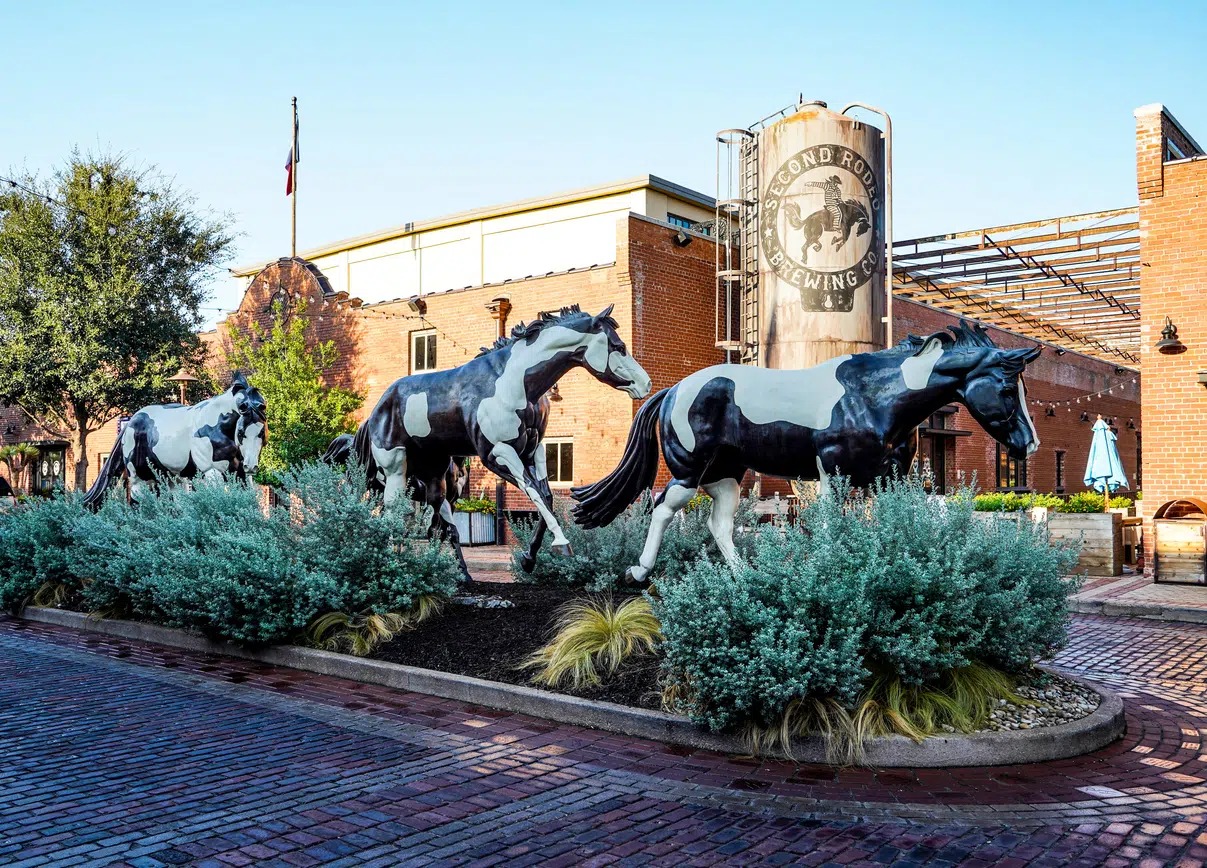
Many states have rodeos, especially across the West, but rodeo culture has a powerful place in Texas fair life. In Texas, the image of the cowboy is not only a symbol from old movies. It connects to real ranch work, Spanish vaquero traditions, cattle drives, and modern rodeo competition.
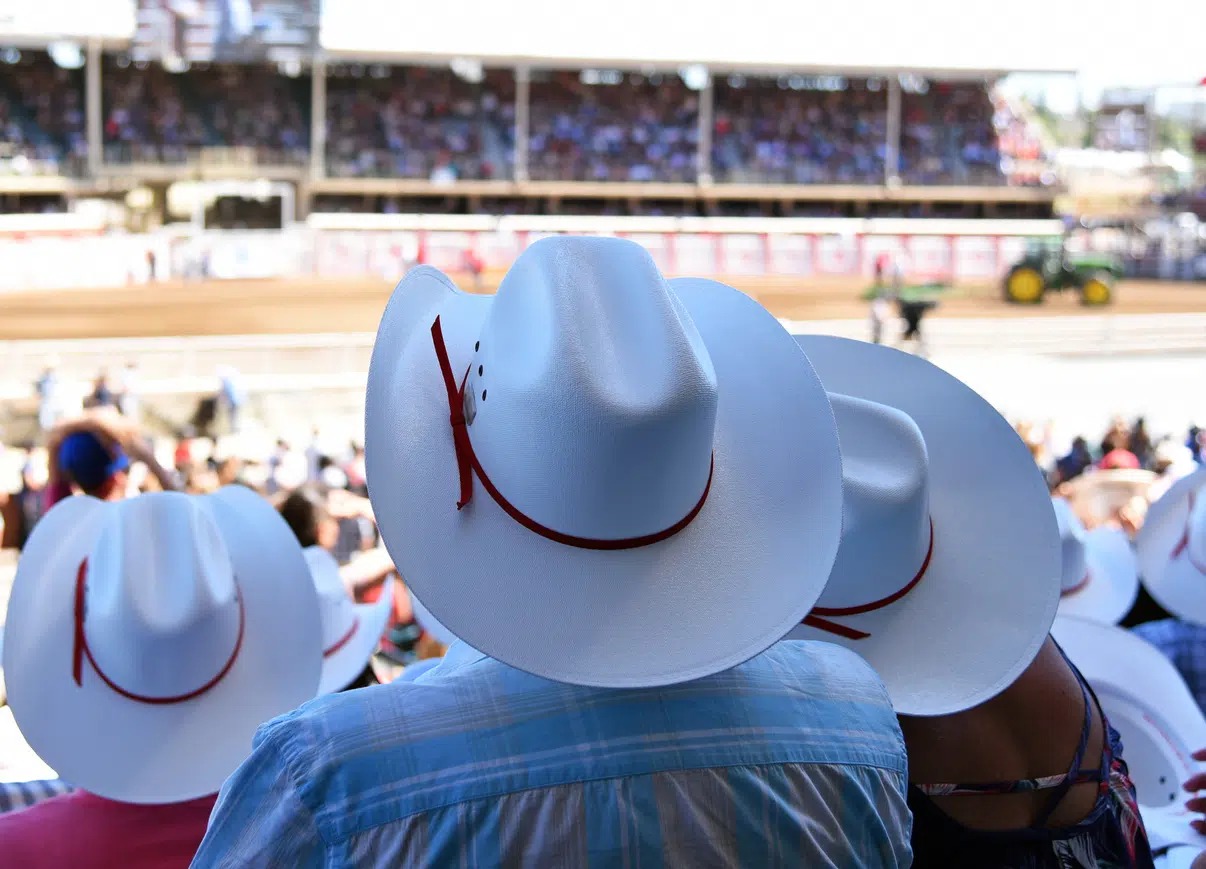
At many Texas fairs and stock shows, rodeo events bring large crowds. Visitors may watch bull riding, barrel racing, team roping, steer wrestling, bronc riding, or calf roping. These events combine athletic skill, animal handling, timing, and courage. They also give the fair a different rhythm from a standard carnival-focused event.
The rodeo atmosphere often spills into everything around it. You see boots, hats, belt buckles, denim, and Western shirts. You hear country music, announcers calling the action, and fans cheering for riders who stay on for those crucial seconds. The sights and sounds create a sense of place.
Other states may feature farming, baking, crafts, or carnival rides as the heart of their fair experience. Texas often adds a strong rodeo and stock show identity, which gives the fair a more distinctly Western feel.
Fair Food Becomes A Main Event
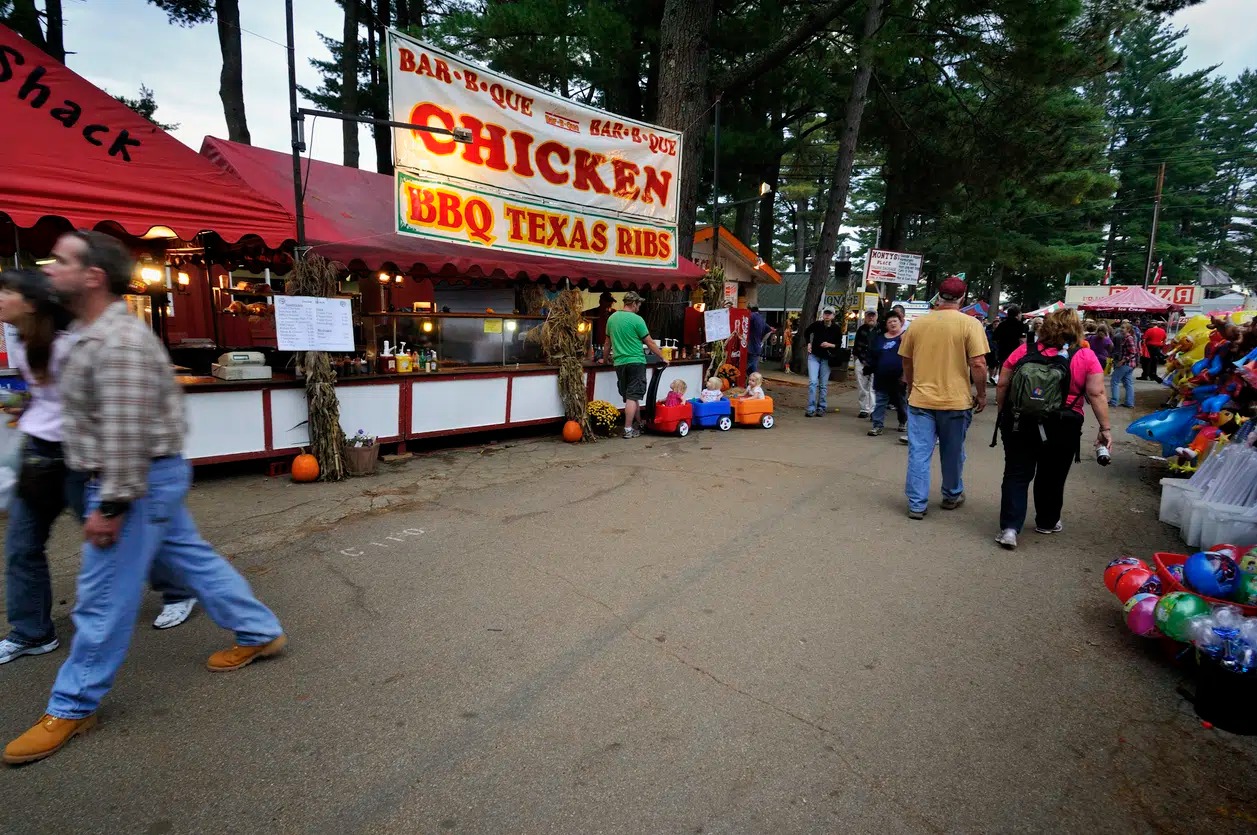
Fair food is popular everywhere. Corn dogs, funnel cakes, cotton candy, lemonade, and turkey legs show up at events across the country. Texas takes fair food and turns it into a sport.
At Texas fairs, food is often one of the main attractions. The State Fair of Texas is especially famous for its fried food contests. Vendors compete to create unusual, bold, and sometimes surprising menu items. Over the years, visitors have seen fried versions of pies, desserts, savory snacks, international dishes, and comfort food classics.
This does more than fill people up. It turns food into entertainment. Visitors talk about what they want to try before they arrive. News outlets cover new foods. Families share bites and compare favorites. A strange-sounding dish can become the memory everyone talks about on the ride home.
Texas fair food also reflects the state’s cultural mix. Barbecue, Tex-Mex, chili, sausage, smoked meats, Southern sweets, and festival snacks often appear side by side. You may find brisket, tacos, nachos, kolaches, fried desserts, giant corndogs, and creative mashups in the same fairground.
The food feels bold because Texas food culture is bold. It likes smoke, spice, crunch, sweetness, and generous portions. Other states have fair food too, but Texas often gives it extra personality.
Big Tex And Fair Symbols Matter
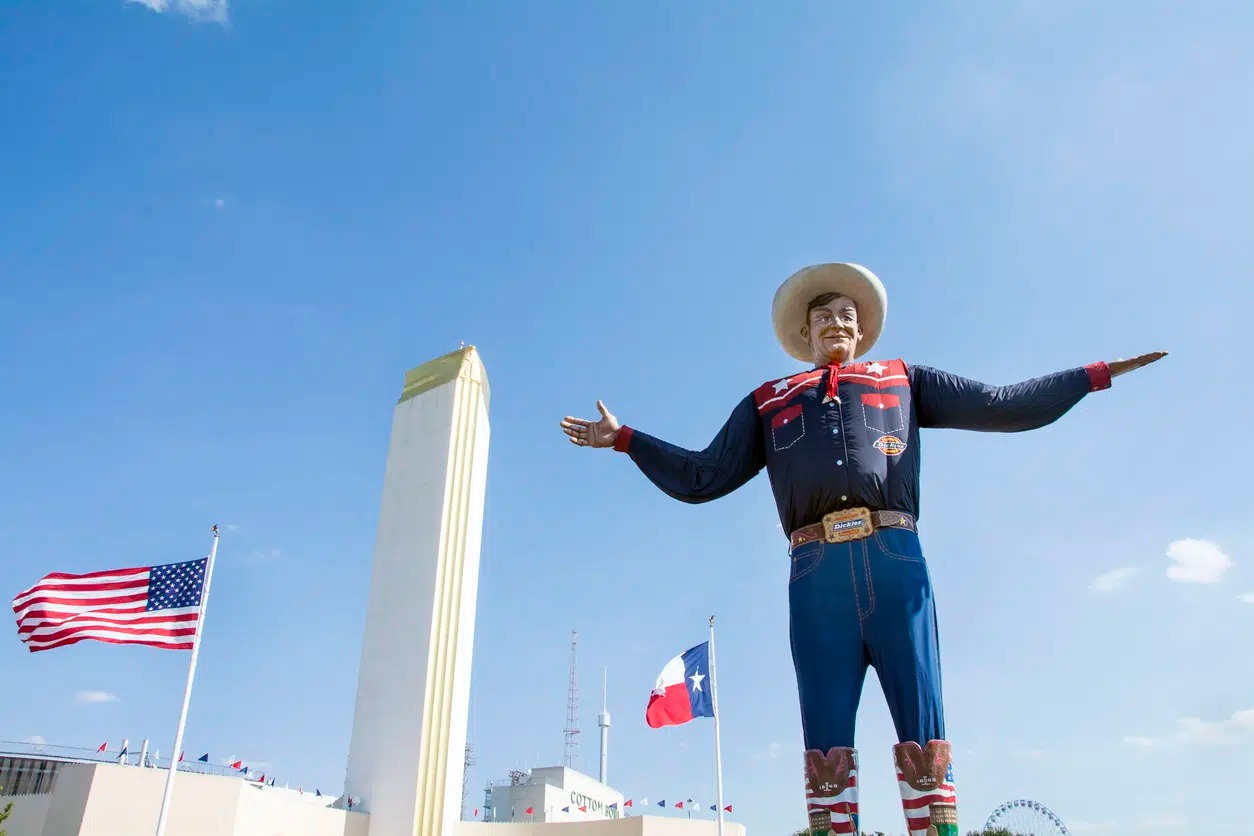
One major difference between Texas fairs and many others is the strength of fair symbols. The most famous is Big Tex, the towering cowboy figure at the State Fair of Texas. He has become one of the most recognizable fair icons in the country.
Big Tex is more than a photo spot. He represents the fair’s personality. His boots, hat, friendly greeting, and massive size match the way many people imagine Texas itself. Visitors often treat seeing him as part of the tradition. Families take pictures in front of him year after year. For many Texans, Big Tex is tied to childhood memories.
Symbols like this help give a fair a lasting identity. Some fairs have mascots, gates, grandstands, or historic buildings, but Texas has turned certain fair images into statewide cultural markers. They help make the event feel familiar even before someone enters the fairgrounds.
This matters because fairs are built on memory. People return to places that feel connected to their own stories. A strong symbol gives visitors something to return to, talk about, and pass along to the next generation.
The Texas Fair Blends Rural And Urban Life
One of the most interesting things about Texas fairs is the way they bring together rural and urban life. Texas is home to huge metropolitan areas, but it also has deep agricultural and ranching roots. A fair gives those worlds a place to meet.
A city visitor may arrive for concerts, rides, food, shopping, or social media photos. That same visitor may end up walking through livestock barns, watching a milking demonstration, learning about soil, or seeing a student show a steer. A rural family may come to compete in livestock events, then stay for the midway, music, and exhibits.
That blend creates a fair experience that feels broad and layered. It is educational without feeling like a classroom. It is entertaining without losing its connection to work, land, and community.
This rural-urban mix is especially important in Texas because the state is both highly urbanized and deeply associated with open land. A Texas fair brings those identities together in a way that feels natural.
Music Plays A Major Role
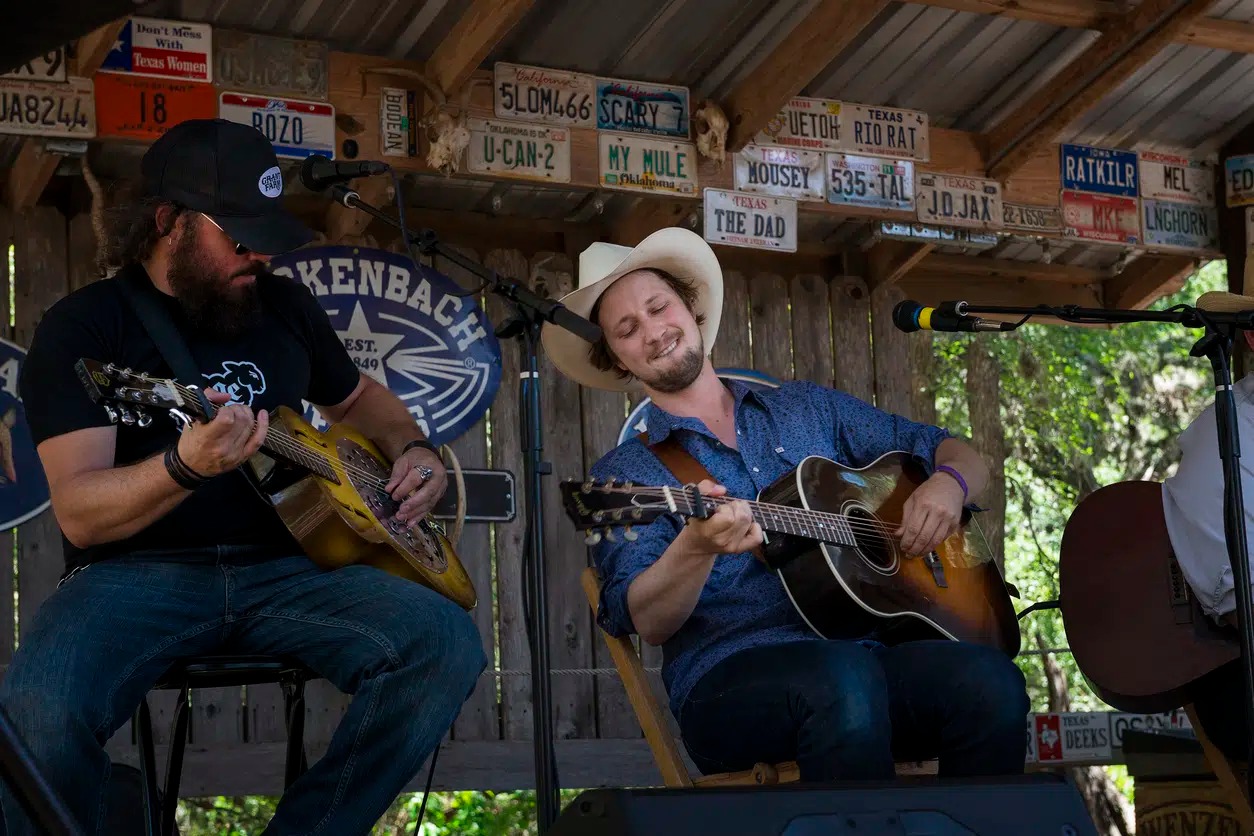
Music is a big part of fairs across the country, but Texas music gives its fairs a special sound. Depending on the event, visitors may hear country, Tejano, conjunto, blues, gospel, rock, pop, or regional Texas artists. The music reflects the state’s varied communities and long performance traditions.
Live concerts can turn a fair visit into a full evening event. A family may spend the afternoon eating, visiting exhibits, and riding carnival rides, then close the day with a show. At larger fairs, the concert lineup can attract people who might not otherwise visit the fairgrounds.
Texas also has a strong dance hall and live music culture. That energy carries into fairs. Music becomes part of the atmosphere, not a small side feature. It gives people a reason to stay longer, gather with friends, and feel connected to the place.
Texas History Is Always Nearby
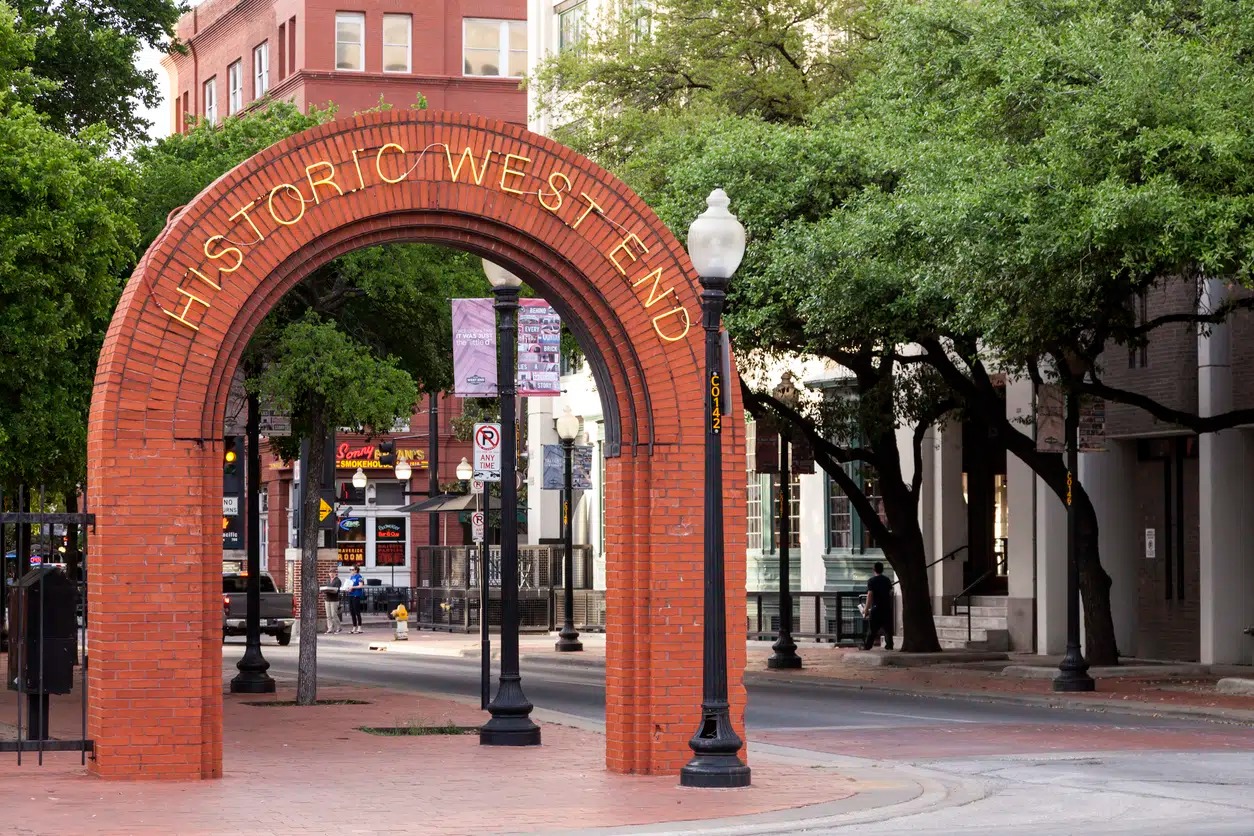
Texas fairs often carry pieces of state history into the present. That history may show up through exhibits, architecture, cowboy demonstrations, heritage displays, military tributes, agricultural equipment, or educational booths. At Fair Park in Dallas, the historic setting itself adds to the experience.
Many fairs around the country include history, but Texas history has a strong public presence. People in Texas often know the names of battles, missions, cattle trails, ranches, oil towns, and frontier figures. Fair exhibits can draw from those stories while also showing how the state has changed.
This gives Texas fairs an educational role. They help visitors understand how agriculture, migration, industry, food, music, and transportation shaped the state. A fair can make history feel less distant because it connects old traditions to current families, students, workers, and businesses.
Competitions Carry Local Pride
Blue ribbons matter at fairs everywhere, but Texas competitions often carry a strong sense of local pride. Livestock shows, baking contests, crafts, photography exhibits, school projects, garden displays, and creative competitions give people a chance to represent their towns, counties, schools, families, and clubs.
For students, these competitions can teach responsibility and confidence. A young person who shows an animal learns about daily care, budgeting, presentation, and sportsmanship. Someone who enters a baking or art contest learns patience and attention to detail. These lessons are part of the fair’s value.
In Texas, where local identity can be strong, these contests become meaningful. A small-town student may compete at a county fair, then aim for a bigger stock show or state-level event. Families cheer, teachers support, and communities celebrate the results.
That local pride helps keep fairs alive. People return because they know someone competing, showing, performing, volunteering, or working behind a booth.
The Midway Has Its Own Texas Energy
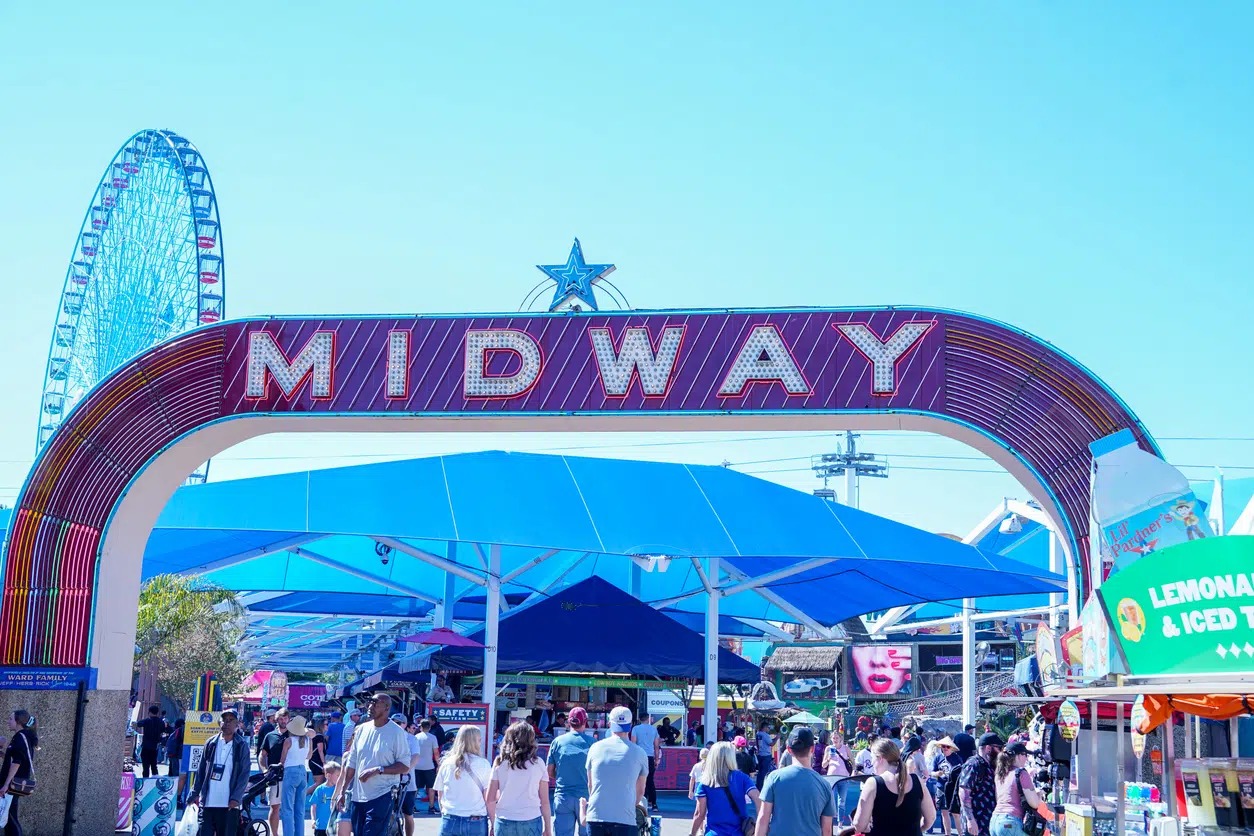
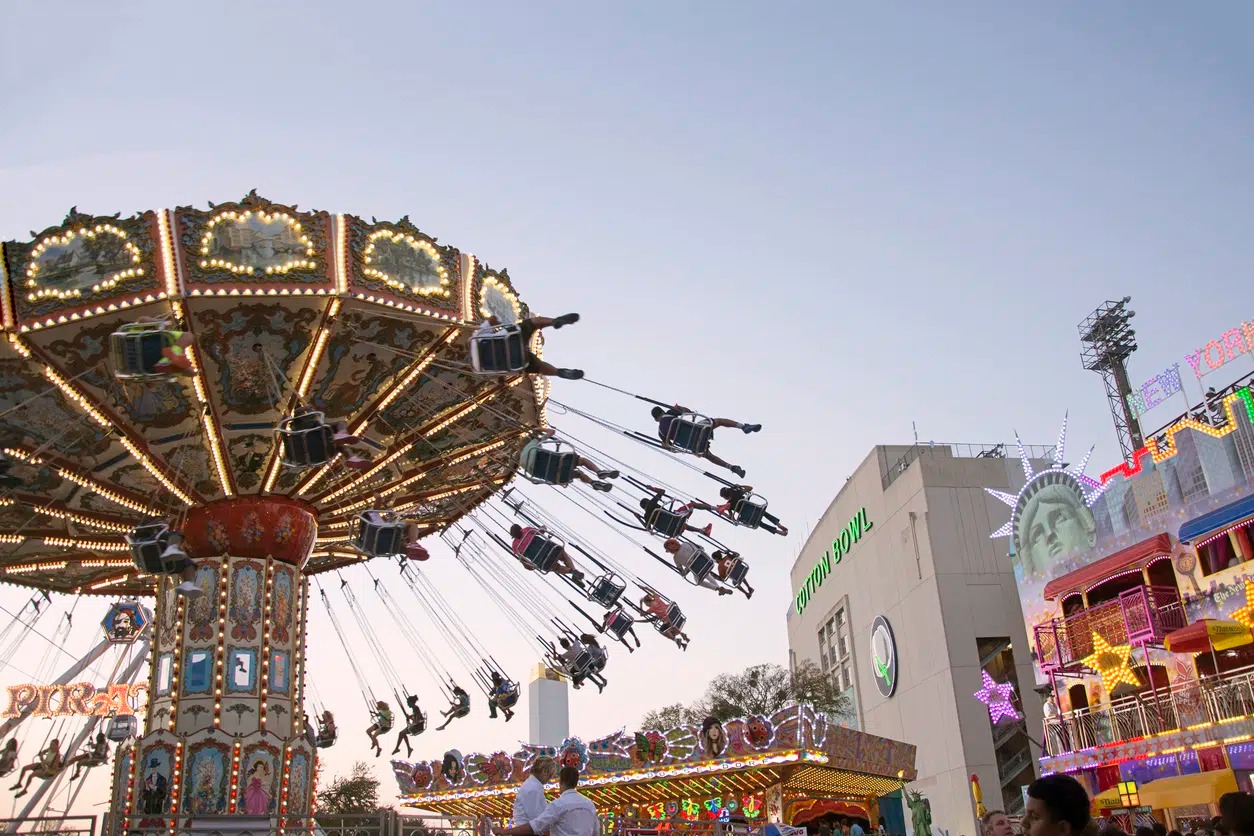
The midway is where the fair becomes loud, bright, and fast-moving. Rides spin. Games ring. Vendors call out prizes. Children carry stuffed animals almost as big as they are. Teenagers gather in groups. Parents search for shade, snacks, and a place to sit.
Texas midways often feel especially energetic because of the crowds and warm weather. Even in fall, many Texas fair days can feel sunny and lively. People dress casually, eat while walking, and move between attractions with a sense of excitement.
The midway also reflects the size of the fair. Larger Texas events can include an impressive range of rides and games, from classic Ferris wheels to thrill rides. The mix of old-fashioned carnival charm and modern entertainment helps the fair appeal to different ages.
For many visitors, the midway is the fun center of the fair. For others, it is only one piece of the day. That range of options is part of what makes a Texas fair stand out.
The Weather Shapes The Experience
Weather may not seem like a major cultural difference, but it affects how fairs feel. Many Texas fairs take place during warm months or early fall, when the heat can still be strong. Visitors plan around sun, shade, hydration, and comfortable shoes.
This gives Texas fairs a different pace from fairs in cooler northern states. People may start early, take indoor breaks, and seek out cold drinks. Shaded seating areas, indoor exhibits, and evening events become especially important.
The weather also affects the food and atmosphere. Cold lemonade, iced tea, snow cones, and frozen treats become fair essentials. Evening lights feel especially welcome after a hot afternoon. When the sun drops, the fairgrounds often come alive in a new way.
The Texas climate can be challenging, but it also adds to the shared experience. People remember the heat, the dust, the sunset, and the relief of stepping into an air-conditioned exhibit hall.
Community And State Pride Show Up Everywhere
A Texas fair often feels like a celebration of place. Flags, Western wear, local school groups, regional foods, agricultural displays, and Texas-themed merchandise all reinforce the state identity. Visitors are not only attending a fair. They are participating in a public expression of Texas pride.
This pride can be playful, serious, nostalgic, or educational. It shows up in a child showing a goat, a family posing near Big Tex, a vendor serving brisket, a band playing Texas songs, or a visitor buying a cowboy hat. The fair becomes a place where people can enjoy the symbols and traditions associated with the state.
Other states have pride too, of course. Minnesota, Iowa, Ohio, Wisconsin, and many others have beloved fairs with strong identities. What makes Texas different is the intensity and recognizability of its state image. Texas has a clear cultural brand, and fairs give that brand a physical setting.
Texas Fairs Keep Changing
A Texas fair may honor tradition, but it is not stuck in the past. Modern fairs include technology exhibits, auto shows, college booths, shopping pavilions, celebrity chefs, social media-friendly food, and contemporary concerts. They also adapt to changing audiences.
This balance between old and new is one of the reasons Texas fairs stay popular. Visitors can watch a livestock show in the morning, try a wild fried food in the afternoon, see a new truck display, and end the night at a concert. The fair keeps its roots while making room for current interests.
This matters because fairs must compete with many other entertainment options. A fair that feels outdated may lose younger visitors. Texas fairs often avoid that by mixing tradition with novelty. They give people familiar favorites while adding something new each year.
Why Texas Fairs Feel So Different
A Texas fair feels different because it gathers many parts of the state in one place. It has the scale of Texas, the flavor of Texas, the ranching history of Texas, and the confidence of Texas. It brings together students, farmers, city families, musicians, vendors, cooks, riders, artists, and tourists.
Compared with fairs in other states, a Texas fair often leans harder into identity. The cowboy image is stronger. The food is bolder. The livestock culture feels central. The music has regional variety. The symbols are memorable. The crowds can be huge. The pride is easy to spot.
Yet the heart of the fair remains familiar. People come to enjoy themselves, learn something, support their communities, and make memories. That is true in Texas, Iowa, Minnesota, California, New York, and every other state with a fair tradition.
The Texas difference comes from how those familiar fair ingredients are seasoned. Add ranching history, Tex-Mex flavor, fried food creativity, rodeo energy, big crowds, warm nights, and deep state pride, and the result feels unmistakably Texan.
Final Thoughts
A fair in Texas is part classroom, part celebration, part food adventure, and part family tradition. It teaches visitors about agriculture, livestock, history, culture, and community. It also gives them rides, music, games, and food they will probably talk about for weeks.
What makes a Texas fair different from fairs in other states is not one single feature. It is the way everything comes together. The barns matter as much as the midway. The food matters as much as the concerts. The symbols matter as much as the competitions.
A Texas fair takes the classic American fair experience and gives it a strong local stamp. It feels big, proud, flavorful, and deeply connected to the land and people of the state. That is why, for many visitors, a Texas fair is far more than a day of rides and snacks. It is a full Texas experience, served with a smile, a little dust on your boots, and probably something fried on a stick.

Comments (0)
No comments yet. Be the first to share your thoughts.
Leave a comment