


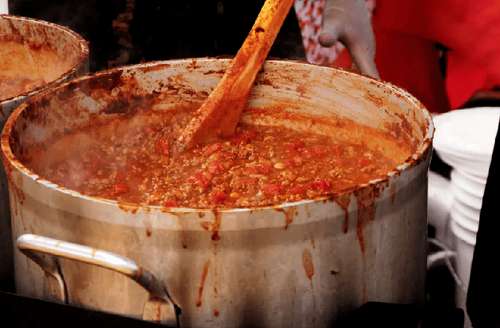
Texas has many food traditions, but few bring people together quite like a chili cook-off. These events can happen in a city park, at a county fair, outside a small-town fire station, or under a row of pop-up tents on a hot Saturday afternoon. At first glance, a chili cook-off may look like a simple contest. Cooks stir big pots, judges take careful bites, and visitors line up with sample cups.
Look closer, though, and you will see something much deeper.
A Texas chili cook-off is part food competition, part community gathering, part history lesson, and part local celebration. It carries old stories about ranch life, trail cooking, Mexican and Tex-Mex flavors, small-town pride, and friendly rivalry. It gives Texans a reason to gather, argue about recipes, support local causes, and pass down traditions that still feel alive.
That is why chili cook-offs still matter in Texas. They keep a piece of Texas culture simmering, one pot at a time.
Chili And Texas Have A Long History
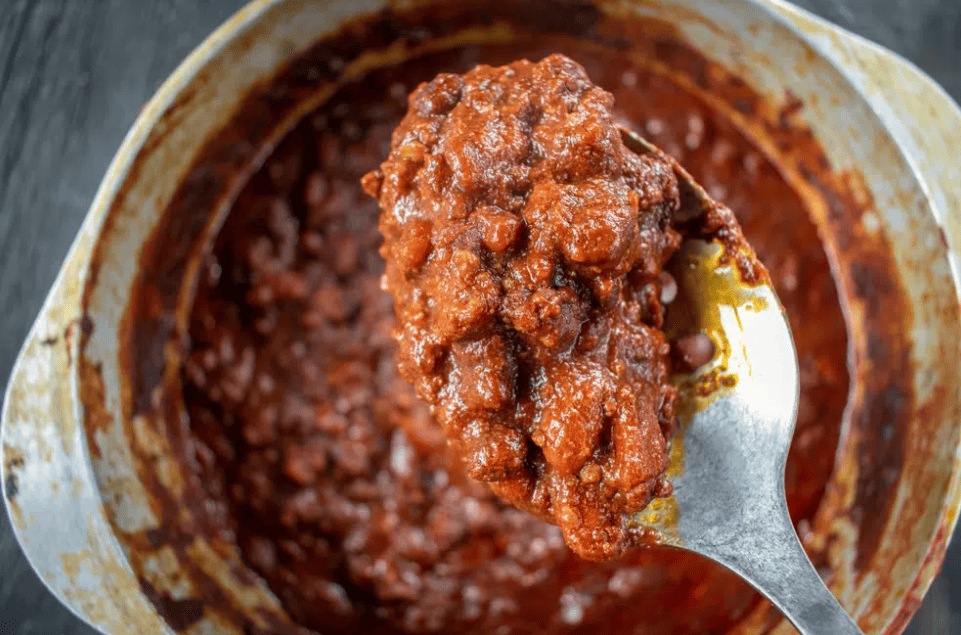
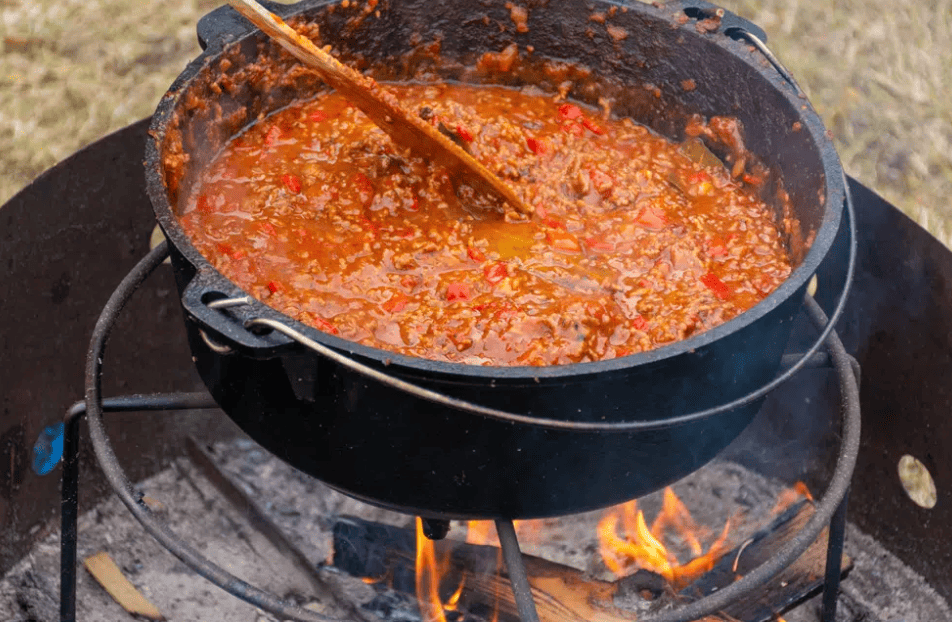
Chili has deep roots in Texas identity. Long before cook-offs became organized events with judges, trophies, and official rules, chili was a practical meal. It was hearty, filling, and easy to make in large batches. On ranches, cattle trails, and frontier settlements, cooks needed food that could stretch ingredients and satisfy hungry workers.
Early versions of chili often included dried chiles, meat, spices, and whatever else the cook had available. It was bold, warm, and built for people who worked long days outdoors. Over time, chili became closely tied to Texas because it reflected the state’s mix of cultures and conditions.
Mexican culinary traditions played a major role. So did the realities of ranching life, open-fire cooking, and local taste. Chili was affordable, adaptable, and memorable. It was the kind of dish people talked about after supper.
By the late 1800s and early 1900s, chili stands and “chili queens” helped make the dish famous in San Antonio. These women served bowls of chili in public plazas, attracting locals, travelers, writers, and curious visitors. The image of a steaming bowl of Texas chili became part of the state’s food reputation.
Cook-offs grew from that same spirit. They turned chili from a meal into an event.
A Cook-Off Is About More Than The Recipe
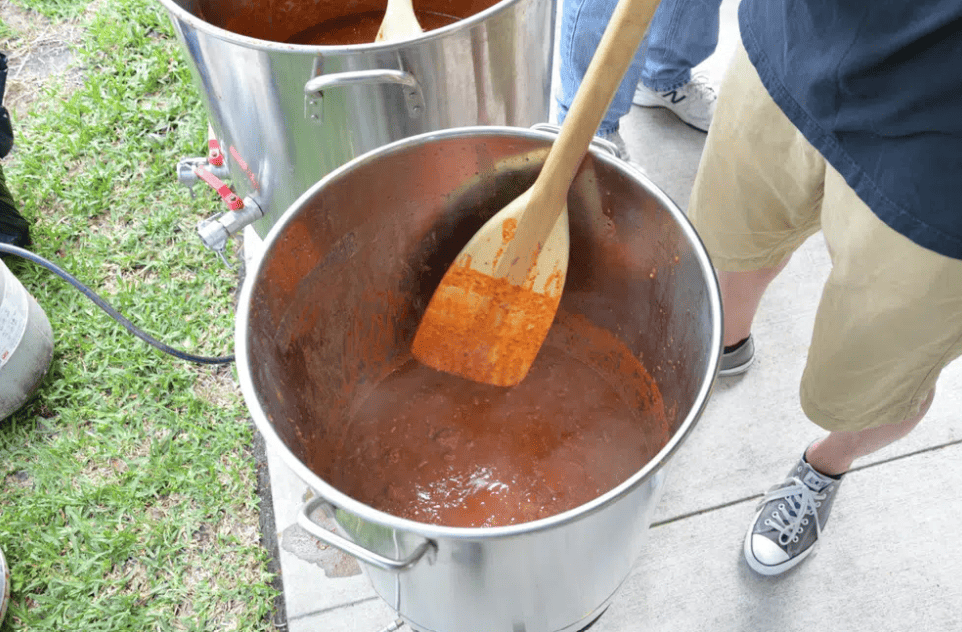
Every chili cook-off has one obvious question: who makes the best chili?
That question sounds simple until Texans start answering it.
Some cooks swear by beef chunks instead of ground meat. Some use a deep red chile paste. Some toast their spices. Some insist on a slow simmer that lasts for hours. And, of course, one of the biggest debates is whether beans belong in chili.
In many Texas chili circles, the answer is no. Traditional Texas red chili usually focuses on meat, chiles, and spices, with no beans or tomatoes taking center stage. But outside strict competition rules, plenty of families and communities have their own versions. Some Texans grew up eating chili with beans, and they will defend that bowl with pride.
That is part of the fun. Chili cook-offs give people permission to care deeply about small details. The cut of beef matters. The color matters. The heat level matters. The aroma matters. The texture matters. Every decision says something about the cook.
A recipe becomes a personal statement. A pot of chili can carry family memory, regional influence, and a cook’s own stubborn confidence. In Texas, that kind of confidence fits right in.
They Keep Local Traditions Alive
Traditions do not survive by accident. People have to practice them, repeat them, and make them enjoyable enough for the next generation to care.
Chili cook-offs do exactly that.
They give communities a reason to keep old foodways visible. Younger Texans may learn about chili history while helping a parent chop onions, set up a booth, stir a pot, or taste a competition batch. They may hear stories about a grandparent’s recipe or a famous cook-off from years ago. They may learn why some cooks avoid beans or why certain dried chiles create richer flavor.
That kind of learning feels natural because it happens through experience. Nobody has to sit through a lecture to understand that chili means something in Texas. They can smell it, taste it, and watch people take it seriously.
Cook-offs also preserve the social side of cooking. In a world where meals often feel rushed, these events slow things down. Cooks arrive early. They set up their stations. They check their ingredients. They talk to neighbors. They compare methods without giving away too many secrets.
That process keeps tradition active. It turns history into something people can enjoy in the present.
They Bring Communities Together
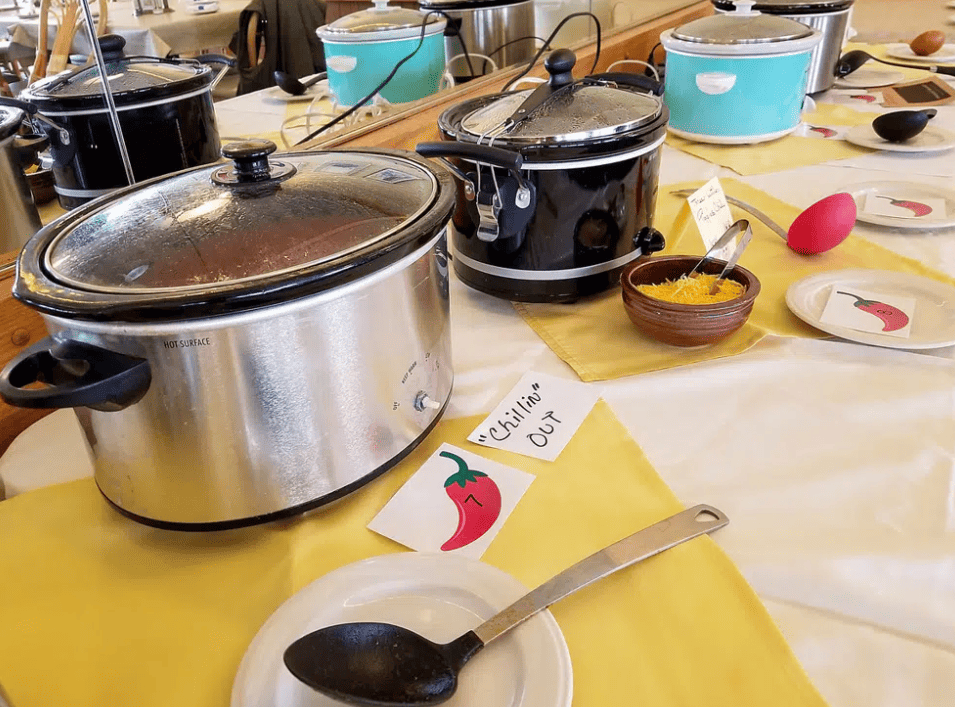
A chili cook-off is one of the easiest events for a community to understand. People know what to expect. There will be food, conversation, judging, and plenty of opinions. That simplicity makes it welcoming.
Small towns often use chili cook-offs as fundraisers for schools, churches, fire departments, veterans’ groups, animal shelters, and local charities. Visitors buy tasting tickets, donate at booths, enter raffles, or pay admission. The money raised often stays close to home.
That local impact matters. A good cook-off can help pay for equipment, scholarships, community programs, or emergency needs. People come for the chili, but they also come because they know the event supports something real.
Cook-offs also create a shared space. Longtime residents, newcomers, business owners, students, retirees, and visitors can all stand in the same line with a tasting cup in hand. They may disagree about which chili should win, but that disagreement usually adds to the fun.
In many places, the cook-off becomes a yearly marker. People remember who won last year, whose recipe surprised everyone, and which booth had the longest line. The event becomes part of the local calendar, something people expect and look forward to.
Friendly Competition Gives The Event Its Spark
Texans enjoy competition, especially when pride is involved. Chili cook-offs offer a perfect outlet. The stakes are usually friendly, but the cooks often take the challenge seriously.
A trophy, ribbon, or bragging rights can mean a lot when someone has spent years perfecting a recipe. Some cooks travel from event to event, testing their skills against other chili fans. Others enter one local cook-off each year and treat it like a championship.
The judging process adds excitement. Judges may consider aroma, color, consistency, taste, and aftertaste. A chili that smells wonderful but tastes flat will not go far. A chili with too much heat can overwhelm the flavor. A chili with balance, depth, and a clean finish has a better chance.
For visitors, the competition makes tasting more interesting. People compare notes. They go back for second samples. They wonder whether the judges will agree with the crowd. Sometimes the public favorite and the official winner are not the same, and that can start another round of debate.
That friendly disagreement is part of the culture. Texas chili invites opinions, and cook-offs give those opinions a place to go.
Chili Cook-Offs Teach Real Food Skills
A chili cook-off may feel casual, but it can teach a lot about cooking. Good chili requires patience, balance, and attention to detail.
Heat is one lesson. Chili should have warmth, but heat alone does not make a great bowl. A cook has to understand how different chiles behave. Some bring smokiness. Some bring fruitiness. Some bring sharp heat. Some add color more than fire. Blending them well takes practice.
Texture is another lesson. Meat needs time to become tender. Spices need time to bloom. Liquid has to reduce enough to create a body without becoming too thick. A cook has to watch the pot, taste carefully, and adjust.
Seasoning also matters. Salt can bring out flavor, but too much can ruin the batch. Cumin, garlic, onion, paprika, oregano, and other seasonings need balance. A heavy hand can flatten the chili. A light hand can leave it dull.
These lessons make cook-offs educational without feeling formal. Visitors may learn why one chili tastes richer than another. Home cooks may pick up new ideas. Competitors sharpen their skills through feedback and results.
In that way, cook-offs help keep cooking knowledge alive. They reward people who pay attention.
They Celebrate Regional Flavor
Texas is a large state, and food traditions can change from one region to another. Chili cook-offs reflect those differences.
In some areas, chili may lean smoky and beef-heavy. In others, cooks may use different chile blends, spice levels, or cooking methods. Borderland influences, ranching traditions, barbecue culture, and family habits can all shape the pot.
This variety keeps chili interesting. It also reminds people that Texas food is not one single style. It is shaped by geography, migration, agriculture, history, and personal taste.
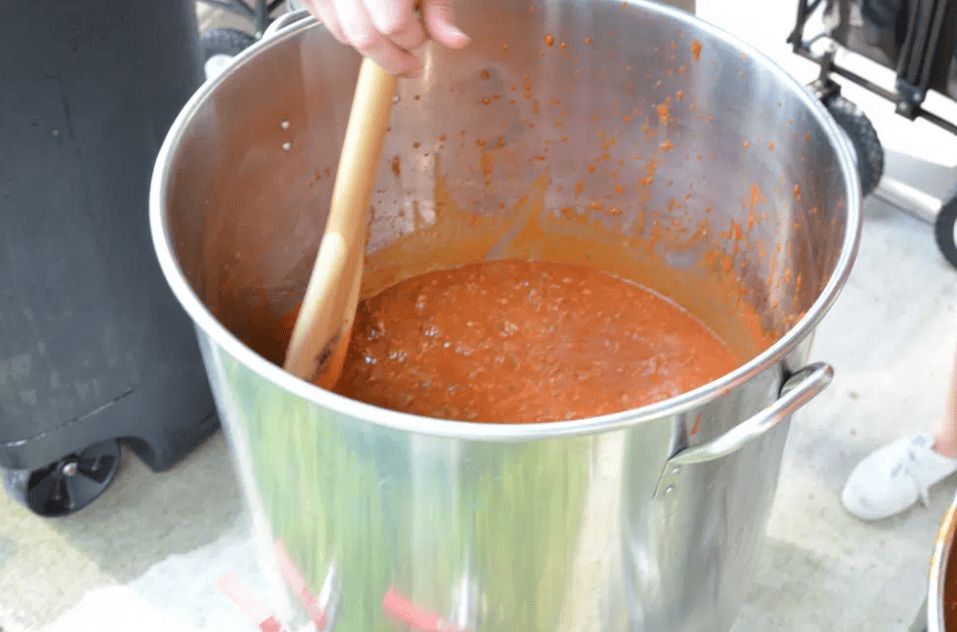
Cook-offs create a space where those differences can sit side by side. One booth may serve a competition-style Texas red. Another may offer a family recipe with a softer heat. Another may serve a wild game chili made with venison. Even when formal judging has strict categories, the larger event often allows room for creativity.
That mix helps visitors understand Texas through food. Each sample tells a small story about where it came from and who made it.
They Support Local Pride And Identity
Chili cook-offs give towns, neighborhoods, and organizations a chance to show personality. A cook-off can be serious, funny, old-fashioned, or festive depending on the place hosting it.
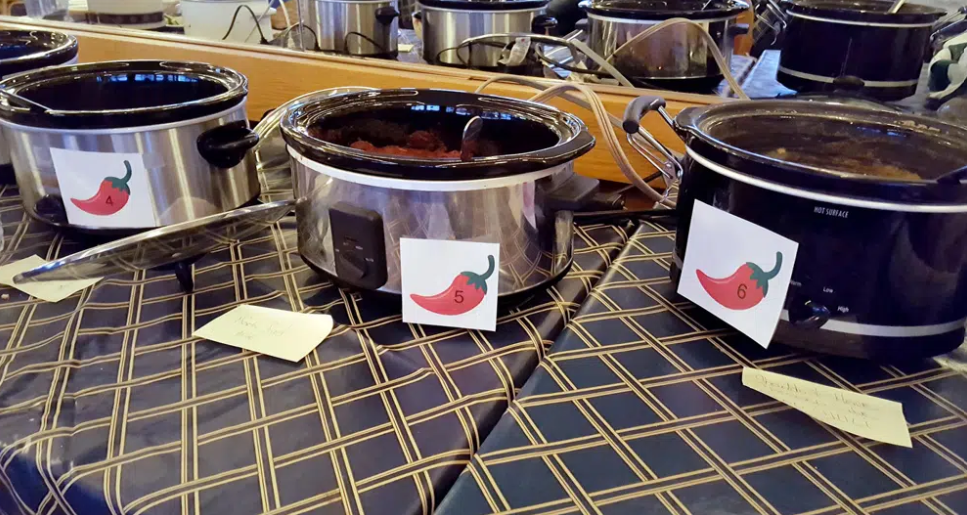
Booths often have themes. Teams wear matching shirts. Some decorate with cowboy gear, flags, signs, or jokes about secret ingredients. Cooks give their chili names that range from clever to outrageous. The whole scene creates a sense of local character.
That matters because community identity needs public expression. People want reasons to feel proud of where they live. A chili cook-off gives them a simple, accessible way to do that.
For smaller communities, especially, these events can help keep local energy strong. They bring people downtown, into parks, or onto fairgrounds. They attract visitors who might also stop at local shops, restaurants, or gas stations. A successful cook-off can create business while also building goodwill.
It is food, but it is also civic pride in a bowl.
The Bean Debate Keeps The Conversation Going
No article about Texas chili cook-offs would feel complete without mentioning beans.
For many traditionalists, Texas chili means no beans. The classic idea of “Texas red” centers on meat and chile gravy. Beans, they argue, turn chili into something else.
Others take a more relaxed view. They grew up with beans in chili and see no reason to apologize for it. For them, beans add texture, stretch the meal, and belong because family tradition says they belong.
This debate has lasted for generations because it is about more than ingredients. It is about authenticity, memory, pride, and personal taste. People argue because they care.
Cook-offs keep that conversation alive in a playful way. Some competitions have strict rules. Others offer separate categories. Some public tastings include all kinds of chili, from traditional red to creative versions with beans, tomatoes, or unusual meats.
The debate may never end, and that is fine. A food tradition with no arguments would be far less interesting.
They Connect Generations
One of the strongest reasons chili cook-offs still matter is their ability to connect age groups.
Older cooks bring experience. They may know how to build flavor without measuring every spice. They may remember older styles of chili and the stories behind them. Younger cooks bring curiosity, creativity, and fresh energy. They may experiment with new chile blends, cooking tools, or presentations.
At a cook-off, these generations meet in a practical way. A child may help stir a pot. A teenager may run samples to visitors. A young adult may enter a recipe for the first time. A grandparent may explain why the chili needs another half hour.
These moments help traditions continue. They also give families and communities a shared activity that does not depend on screens or trends. The focus stays on food, conversation, and the pleasure of making something together.
That kind of connection feels especially valuable today.
They Adapt Without Losing Their Core
Chili cook-offs have lasted because they can adapt. Some events follow old-school competition rules. Others add live music, craft vendors, kids’ activities, cornbread contests, salsa contests, or barbecue tie-ins. Some raise money for local causes. Some draw serious competitors from far away.
The format can change, but the core remains steady: cook chili, share it, judge it, celebrate it.
That flexibility helps the tradition survive. Communities can shape the event to fit their needs. A small church fundraiser does not have to look like a major championship cook-off. A neighborhood event does not need a huge crowd to matter. The point is participation.
Modern cook-offs also reflect changing tastes. Some include vegetarian chili categories or special awards for creative recipes. While traditional Texas red remains important, these additions can welcome more people into the event.
The best traditions make room for new participants while still respecting where they came from. Chili cook-offs do that well.
Why They Still Matter Today
In a fast-moving world, chili cook-offs offer something steady. They remind people that community can be built around simple pleasures. A pot of chili can start a conversation, raise money, teach history, and create memories.
They matter because they keep Texas food history visible. They matter because they support local causes. They matter because they give cooks a place to test their skills and share their pride. They matter because they bring people together without needing anything fancy.
Most of all, they matter because they are still fun.
There is something satisfying about walking from booth to booth, tasting different versions of the same basic dish, and realizing how much variety can come from a few core ingredients. There is pleasure in hearing cooks explain their methods, even when they refuse to reveal the secret part. There is joy in watching a crowd cheer when the winner is announced.
A chili cook-off does not need to be polished to be meaningful. In fact, part of its charm comes from the folding tables, handwritten signs, smoky air, and good-natured arguments. It feels local. It feels human.
Conclusion
Chili cook-offs still matter in Texas because they carry history in a way people can taste. They honor the state’s ranching roots, Mexican influences, community spirit, and love of bold flavor. They turn a humble bowl of chili into a celebration of skill, memory, and place.
They also prove that tradition does not have to sit behind glass. It can bubble in a pot, fill the air with spice, and bring neighbors together on a Saturday afternoon.
As long as Texans keep arguing about heat, meat, spices, and beans, chili cook-offs will have a place. And as long as people keep showing up with hungry appetites and strong opinions, the tradition will keep going strong.
Comments (0)
No comments yet. Be the first to share your thoughts.
Leave a comment