


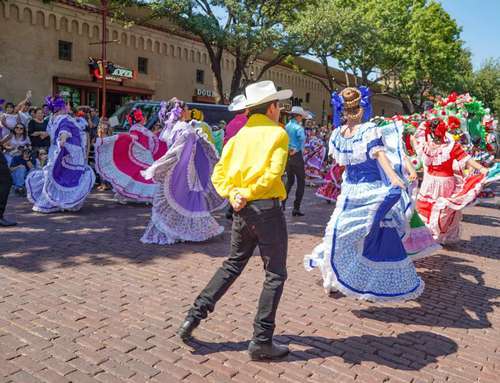
Texas culture has never come from one single source. It has grown through generations of families, communities, languages, music, food, faith, work, migration, and local tradition. From small-town celebrations to large city festivals, heritage events help keep those stories alive.
A heritage festival does more than entertain visitors for a weekend. It gives people a chance to remember where they came from, share customs with younger generations, and introduce others to the traditions that shaped Texas. These festivals help preserve culture in a way that feels active, welcoming, and easy to understand.
What Is a Heritage Festival?
A heritage festival is a public event that celebrates the traditions, history, and identity of a group or place. In Texas, these festivals often focus on ethnic heritage, regional history, music, food, local crafts, religious customs, or the legacy of early settlers.
Some festivals celebrate German, Czech, Mexican, Polish, Irish, Scottish, African American, Native American, or Asian traditions. Others focus on cowboy culture, ranching history, frontier life, agriculture, music, or regional foodways.
Texas has the right setting for these celebrations because the state has always been shaped by many communities. Each one added something important to the state’s identity.
They Keep Family Traditions Alive
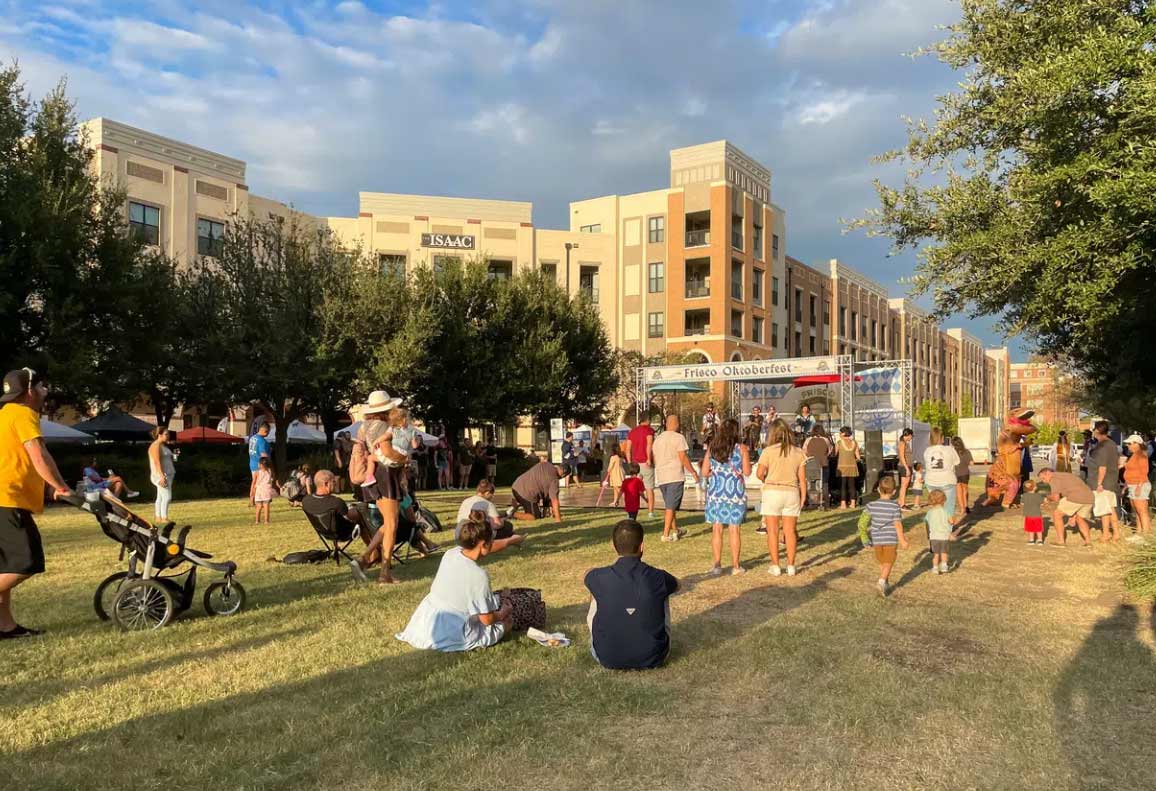
One of the strongest ways heritage festivals preserve culture is by keeping family traditions visible. Many customs begin at home, around the kitchen table, at church gatherings, on farms and ranches, or during family celebrations.
Over time, these customs can fade if they are not practiced. Festivals give families a reason to keep them going.
A grandmother may teach younger relatives how to make kolaches for a Czech festival. A father may show his children how to dance to conjunto music. A family may prepare traditional clothing, recipes, or decorations that have been passed down for years.
These moments matter. Culture survives when people use it, share it, and teach it.
Food Becomes a Lesson in History
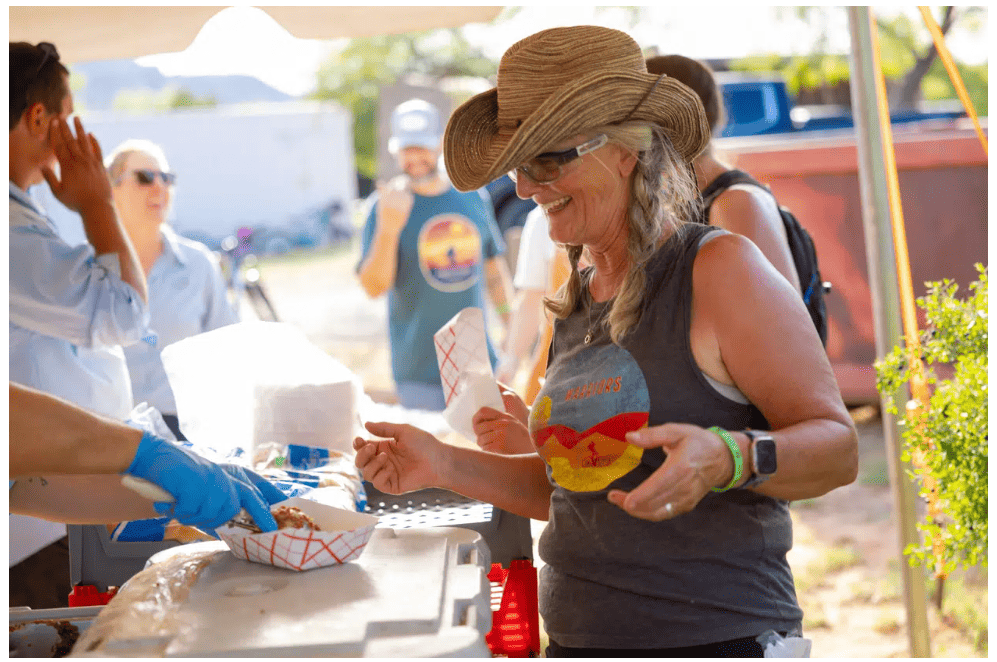
Food is often the most popular part of a heritage festival, but it also carries history. A plate of barbecue, tamales, sausage, gumbo, or pan de campo can tell a story about migration, survival, farming, trade, and family life.
Texas food traditions reflect many influences. Mexican, German, Czech, Southern, African American, Native American, and cowboy cooking traditions have all shaped the state’s table.
At a festival, visitors may come for the taste, but they often leave with a better understanding of the people behind the food. They learn why certain dishes matter, how they were made in the past, and why families still make them today.
Food makes culture approachable. It invites people in without needing a history lecture.
Music and Dance Carry Memory Forward
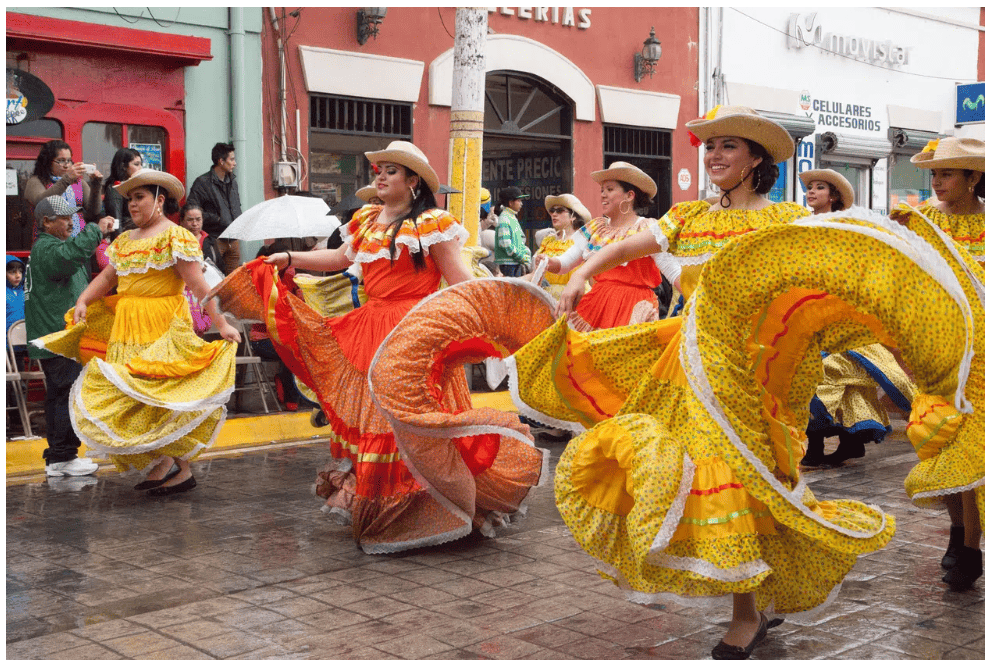
Music plays a major role in Texas heritage festivals. It brings people together and keeps older traditions alive in a public setting.
Tejano, conjunto, blues, gospel, country, Western swing, mariachi, polka, zydeco, and folk music all have deep roots in Texas. These sounds are tied to specific communities, regions, and historical experiences.
Dance works the same way. A polka dance at a German or Czech festival, a folklórico performance at a Mexican heritage celebration, or a two-step at a cowboy gathering all preserve movement, rhythm, and social tradition.
Younger people may first encounter these traditions at a festival. That first experience can spark curiosity and pride. It can also encourage them to learn an instrument, join a dance group, or ask older relatives about family history.
Festivals Protect Local Stories
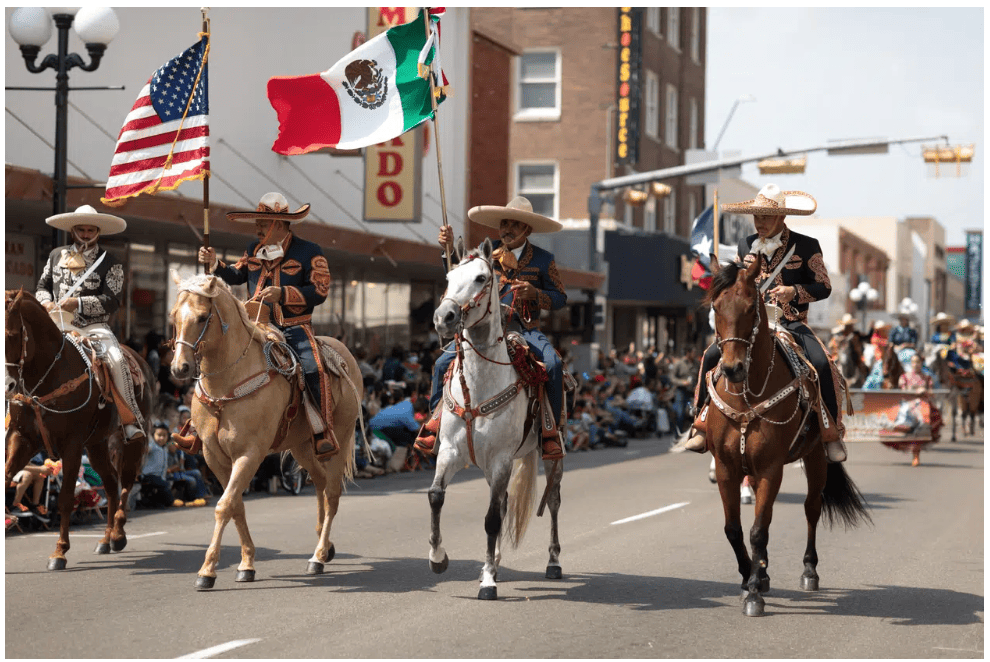
Big history often focuses on major battles, famous leaders, and major political events. Heritage festivals help protect smaller local stories that might otherwise disappear.
These stories may include:
- How a town was founded
- Why certain families settled in a region
- How local industries shaped daily life
- Which traditions became part of community identity
For example, a small Texas town with strong Czech roots may use its annual festival to explain how Czech immigrants built churches, farms, schools, and businesses. A Juneteenth celebration may share local stories about freedom, resilience, and community leadership. A cowboy heritage event may show how ranch work shaped language, clothing, food, and music across West Texas.
These stories give communities a clearer sense of place. They help residents understand that their town has meaning beyond its roads and buildings.
They Create Pride Across Generations
Heritage festivals give younger Texans a chance to see their culture celebrated in public. That can be powerful.
Children and teenagers may not always understand the importance of family customs. A festival can make those customs feel exciting and valuable. They see people wearing traditional clothing, speaking heritage languages, cooking old recipes, dancing to familiar music, and honoring ancestors.
That public recognition builds pride. It tells young people that their background matters.
Older generations benefit too. They get to see their knowledge appreciated. Their recipes, stories, songs, and memories become part of a larger community celebration.
This exchange between generations is one of the most important ways culture stays alive.
Festivals Support Cultural Education
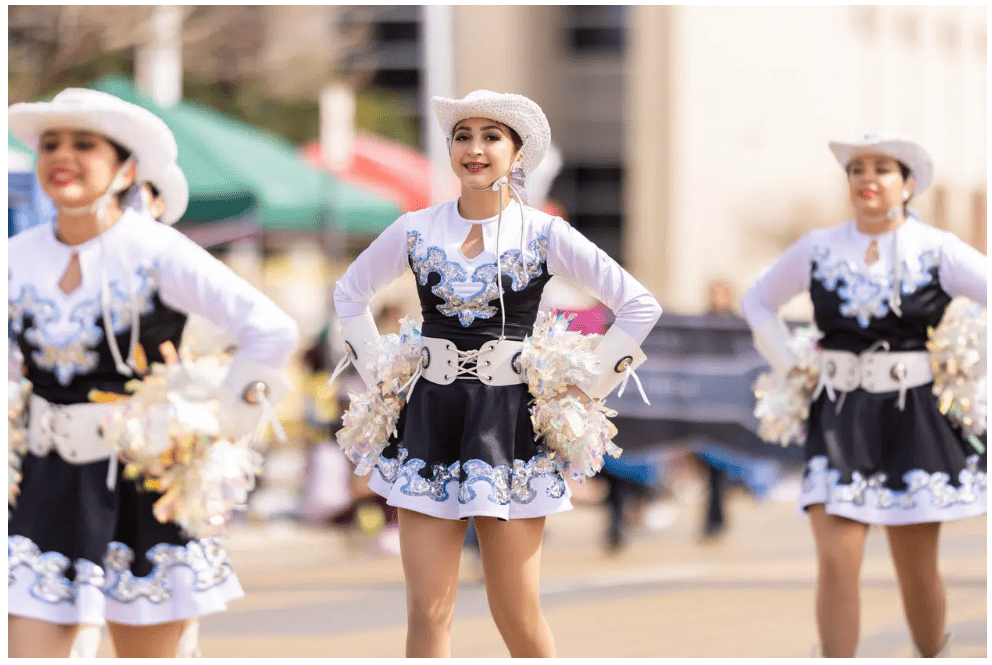
A good heritage festival teaches without feeling like a classroom. Visitors can learn through demonstrations, performances, exhibits, storytelling, and hands-on activities.
They may watch a blacksmith at work, listen to a historian explain early settlement patterns, learn about traditional clothing, or see how old farming tools were used. They may hear a language they do not know or learn the meaning behind a holiday or ceremony.
This kind of learning feels natural. People are more likely to remember history when they can see it, hear it, taste it, and take part in it.
Festivals also make cultural education available to the wider public. Someone does not have to belong to a specific community to attend, ask questions, and learn respectfully.
They Help Preserve Languages and Dialects
Language is one of the most fragile parts of culture. When younger generations stop speaking a language, many songs, sayings, jokes, prayers, and family stories can fade with it.
Heritage festivals can help keep languages visible. Even small moments matter, such as signs in a heritage language, songs performed in the original words, greetings from elders, or storytelling sessions that include translation.
In Texas, this can include Spanish, German dialects, Czech, Polish, Vietnamese, Indigenous languages, and many others. Some languages may no longer be widely spoken in daily life, but festivals give them a place to be heard and respected.
Language preservation does not always mean full fluency. Sometimes it begins with a song, a phrase, a recipe name, or a family saying.
They Strengthen Community Bonds
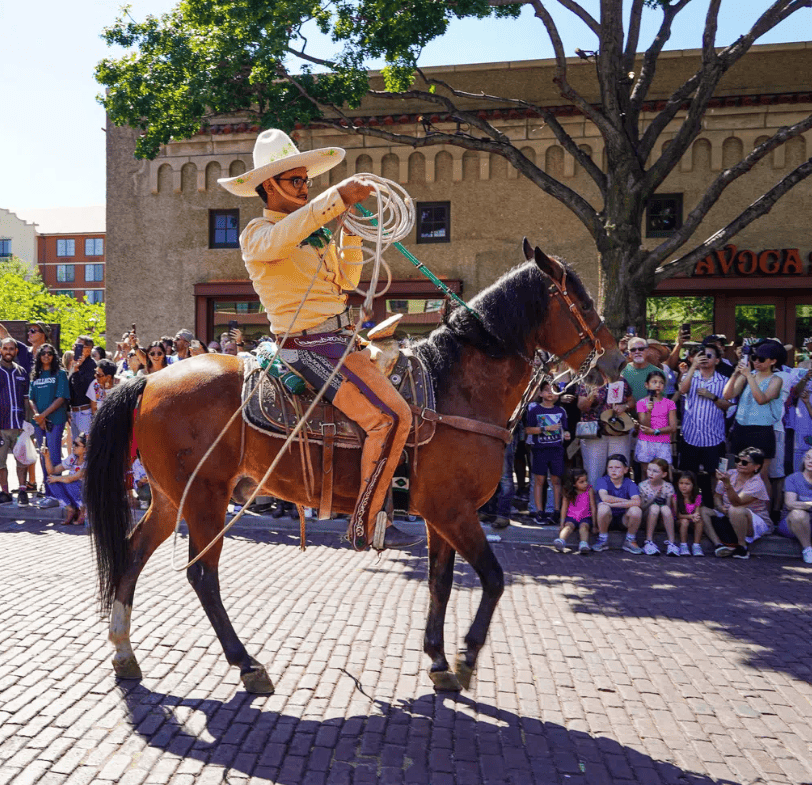
Heritage festivals require planning, volunteers, performers, cooks, historians, vendors, churches, schools, local businesses, and civic groups. That shared work strengthens community life.
People come together to organize parades, prepare food, decorate spaces, set up exhibits, and welcome visitors. In many towns, the festival becomes one of the most important events of the year.
The preparation itself preserves culture. Older residents share knowledge. Younger volunteers learn how things are done. Local groups pass down responsibilities from one generation to the next.
The festival may last only a few days, but the work behind it can build year-round connection.
They Support Small Towns and Local Economies
Heritage festivals also help keep Texas towns active and visible. Visitors spend money at restaurants, shops, hotels, markets, and vendor booths. Local artists, musicians, cooks, and craftspeople gain a place to share their work.
This economic support matters because culture needs space and resources to survive. Historic buildings need maintenance. Museums need visitors. Local artists need audiences. Community groups need funding.
A successful festival can help a town protect its heritage while also supporting its future.
They Encourage Respect for Different Cultures
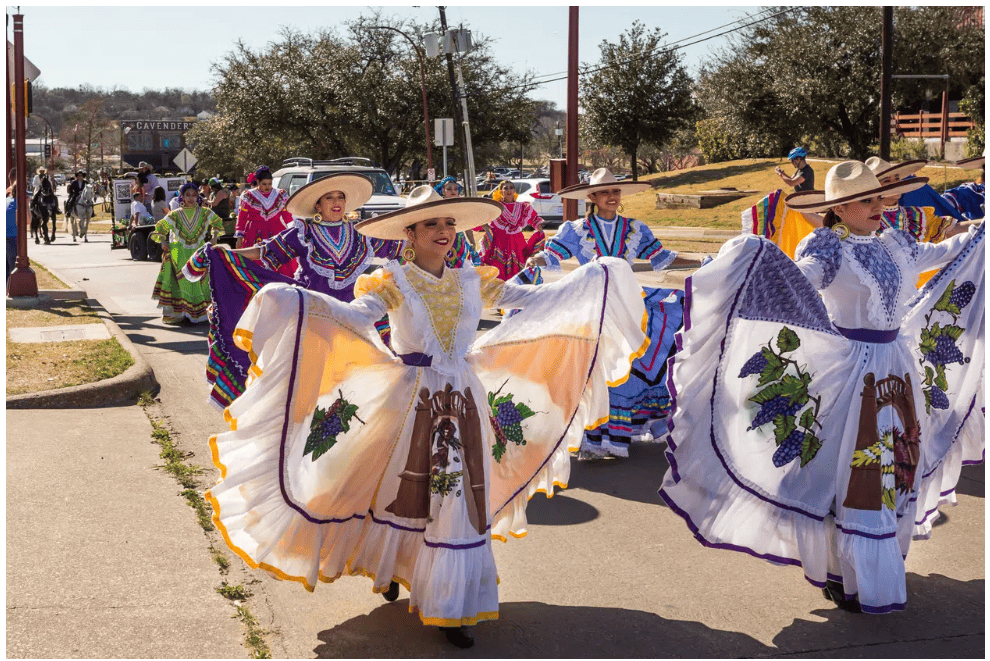
Texas heritage festivals show how many communities helped shape the state. They give people a chance to experience traditions outside their own background in a respectful setting.
This can build understanding. A visitor may learn why a certain dance is important, why a holiday is celebrated, or why a family recipe carries emotional meaning. These experiences can reduce stereotypes and replace them with real knowledge.
Heritage festivals remind people that culture is lived by families, neighbors, and communities. It is not something frozen in the past. It continues through daily life.
They Preserve Skills That Could Be Lost
Many heritage festivals include traditional crafts and skills. These may involve quilting, weaving, leatherwork, woodcarving, metalwork, cooking methods, farming practices, storytelling, music, or dance.
Some of these skills are no longer common in modern life. Without public demonstrations and teaching, they could disappear from local memory.
Festivals give skilled people a stage. They also give learners a starting point. A child who watches a craft demonstration may become interested enough to learn more. An adult may reconnect with a skill once practiced by a parent or grandparent.
Preservation often begins with simple exposure.
They Connect the Past to Modern Texas
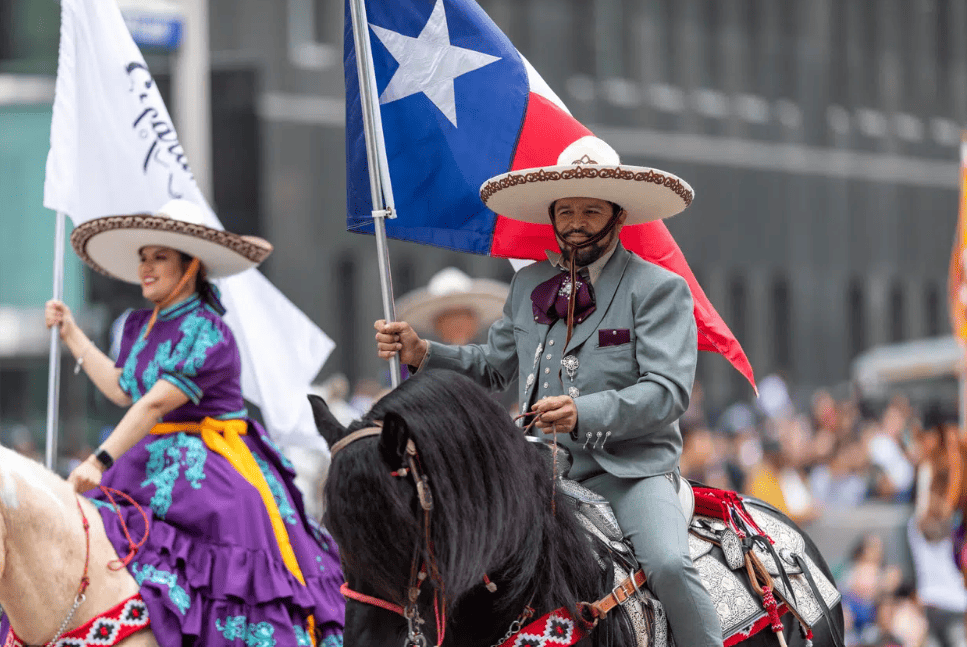
Heritage festivals are not only about looking back. They also show how older traditions continue to shape Texas today.
A traditional recipe may appear with a modern twist. A young band may blend old musical styles with new sounds. A festival may include historical exhibits alongside current community projects.
That balance matters. Culture survives when it can adapt while still honoring its roots.
Texas culture is still growing. Heritage festivals help communities carry the past forward without treating it like a museum piece.
Why Heritage Festivals Matter
Heritage festivals help preserve Texas culture because they make history personal. They turn names, dates, recipes, songs, and stories into shared experiences.
They also remind Texans that culture depends on participation. It has to be cooked, sung, danced, spoken, taught, worn, practiced, and remembered.
Across Texas, these festivals help communities protect what makes them distinct. They honor ancestors, educate visitors, support local pride, and give younger generations a reason to care.
In a state as large and varied as Texas, heritage festivals serve an important purpose. They keep local identity alive while showing how many traditions helped shape the Texas we know today.

Comments (0)
No comments yet. Be the first to share your thoughts.
Leave a comment