


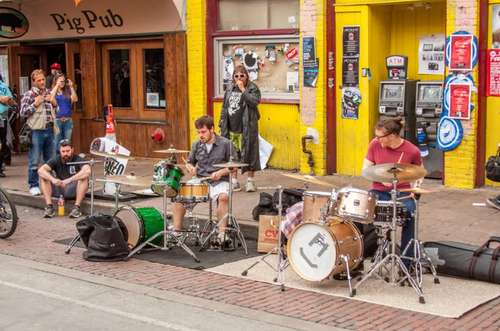
Texas is often described as a single music state, but in reality, it contains multiple musical regions with distinct histories, influences, and traditions. The sounds that emerge from the Piney Woods of East Texas differ from those of the Hill Country. The music heard along the Gulf Coast is not always the same as what audiences expect in West Texas or the Rio Grande Valley.
This regional diversity plays a major role in shaping Texas music festivals.
While large events may feature artists from around the world, many Texas festivals still reflect the musical traditions of the communities that host them. The result is a festival landscape that feels remarkably varied despite operating within the same state.
A visitor attending a music event in Austin may encounter Americana, indie rock, and singer-songwriters. A festival in San Antonio might feature Tejano and conjunto performers alongside country acts. A Gulf Coast event may blend blues, zydeco, and regional influences. West Texas festivals often showcase artists shaped by the state’s vast open spaces and storytelling traditions.
Understanding these regional sounds helps explain why Texas festival culture feels so distinctive.
Texas Music Has Never Been One Sound
One reason Texas festivals are so varied is that Texas music itself has never been limited to a single genre.
The state sits at the crossroads of multiple cultural influences. Indigenous traditions, Mexican music, German and Czech immigrant communities, African American musical traditions, Southern folk culture, and Western ranching history have all contributed to the state’s musical identity.
Over time, these influences helped shape genres such as:
- Texas country
- Western swing
- Blues
- Tejano
- Conjunto
- Americana
- Folk
- Gospel
- Zydeco
- Red Dirt
- Rock
- Hip-hop
Texas festivals often serve as places where these traditions intersect.
Central Texas and the Hill Country: The Home of Texas Country and Americana
When many people think of Texas music, they are often thinking about the sounds of Central Texas and the Hill Country.
This region helped nurture generations of artists associated with Texas country, Americana, singer-songwriter traditions, and roots music.
Artists such as Willie Nelson, Jerry Jeff Walker, Robert Earl Keen, Lyle Lovett, Pat Green, and many others helped establish a musical culture centered on storytelling, authenticity, and strong connections to live performance.
Several festivals showcase these traditions.
Old Settler’s Music Festival, held near Dale, focuses heavily on Americana, folk, bluegrass, and roots music. Since its founding in 1987, the festival has become one of the most respected roots-music gatherings in Texas.
The Kerrville Folk Festival, held annually since 1972, emphasizes songwriting and acoustic performance. Many artists who later became nationally known developed their careers through Kerrville’s influential songwriter competitions.
These festivals demonstrate how the Hill Country’s musical identity continues to influence Texas festival culture.
Austin’s Blend of Local and Global Sounds
Austin occupies a unique position within Texas music. The city embraces regional traditions while also serving as an international music destination.
Events such as Austin City Limits Music Festival and South by Southwest (SXSW) reflect this combination.
Stream Latin.
ACL regularly includes artists from rock, indie, country, pop, folk, hip-hop, electronic music, and alternative genres. At the same time, Texas artists remain an important part of the lineup.
SXSW operates on an even broader scale. Thousands of performers from around the world participate each year, but the event remains deeply connected to Austin’s local music scene. Austin’s festival culture reflects a city that values both local heritage and creative experimentation.
As a result, Austin festivals often feature some of the widest musical diversity found anywhere in Texas.
South Texas and the Influence of Tejano and Conjunto
No discussion of Texas festival music is complete without acknowledging the importance of Tejano and conjunto music.
These styles emerged from generations of cultural exchange between Mexican and Texas communities. The accordion, bajo sexto, and distinctive rhythms of conjunto music helped shape the sound of South Texas long before the genre gained broader recognition.
Tejano music expanded on those traditions, incorporating modern instrumentation and wider influences while maintaining strong ties to regional identity.
Festivals throughout South Texas regularly feature these genres.
Events connected to Fiesta San Antonio, one of the state’s largest annual celebrations, often include Tejano performers, mariachi groups, and regional Mexican artists alongside other musical styles.
Across cities such as San Antonio, Laredo, McAllen, Brownsville, and Corpus Christi, festivals frequently reflect the deep influence of Tejano and conjunto traditions.
For many communities, these sounds are not simply entertainment. They are expressions of cultural heritage.
The Gulf Coast’s Mix of Blues, Zydeco, and Regional Influences
The Texas Gulf Coast has developed its own musical identity shaped by migration, trade, and cultural exchange.
Cities such as Houston, Beaumont, Port Arthur, Galveston, and nearby communities helped nurture blues, zydeco, gospel, soul, and later hip-hop traditions.
This influence remains visible at regional festivals.
The Houston Livestock Show and Rodeo may be known for major country performers, but its concert lineup has long reflected Houston’s diversity. Over the years, the event has hosted country artists, pop stars, Latin performers, hip-hop artists, and R&B musicians.
The Gulf Coast’s musical culture has always been broad. That diversity is one reason festivals in the region often attract audiences from multiple musical backgrounds.
East Texas and Its Blues Legacy
East Texas occupies an important place in American music history.
The region’s connection to blues music runs deep, particularly through the influence of African American communities that helped shape the genre throughout the late nineteenth and early twentieth centuries.
While many people associate blues primarily with the Mississippi Delta, East Texas played a significant role in the genre’s development.
Today, blues remains an important component of many East Texas music events. Festivals and community celebrations throughout cities such as Longview, Marshall, Tyler, and Jefferson frequently incorporate blues performers alongside country, gospel, and Americana artists.
The region’s musical identity reflects a blend of Southern and Texas influences that differs noticeably from other parts of the state.
West Texas and the Storytelling Tradition
West Texas has produced some of the most influential songwriters in Texas music history.
The region’s wide-open landscapes, oil towns, ranching communities, and long highways have inspired generations of musicians.
Artists such as Buddy Holly, Terry Allen, Joe Ely, Jimmie Dale Gilmore, Butch Hancock, and later acts connected to the Lubbock music scene helped establish West Texas as a center of songwriting and musical innovation.
Many West Texas performers became known for vivid storytelling and a strong sense of place. Festivals featuring Texas country, Red Dirt, and Americana artists often draw heavily from this tradition.
Even when events are held elsewhere in the state, the influence of West Texas songwriting remains highly visible.
North Texas and Red Dirt Influence
North Texas occupies an interesting position between Texas country traditions and the broader Red Dirt movement that emerged in neighboring Oklahoma.
Many festivals in the Dallas-Fort Worth region and surrounding communities feature artists connected to both traditions. Events such as Chilifest regularly include performers who appeal to Texas country and Red Dirt audiences alike.
The crossover is natural. Both styles emphasize strong songwriting, independent touring, and loyal fan communities. These artists often perform throughout Texas and Oklahoma, creating a shared festival audience that spans state lines.
As a result, North Texas festivals frequently showcase a blend of regional influences rather than a single musical identity.
German and Czech Influences Still Appear in Texas Festivals
Many people do not immediately associate Texas festivals with polka music, but German and Czech traditions remain part of the state’s musical heritage.
Communities throughout Central Texas helped preserve these traditions for generations.
Festivals such as Wurstfest in New Braunfels continue to feature polka bands, traditional German music, and related cultural performances alongside modern entertainment.
These events demonstrate that Texas music extends beyond the genres most commonly associated with the state. The continued presence of these traditions highlights the diverse cultural influences that helped shape Texas festival culture.
Large Festivals Bring Regional Sounds Together
While regional traditions remain important, major festivals often create opportunities for different styles to share the same stage.
Austin City Limits is one of the best examples.
A single ACL lineup may include:
- Texas country artists
- Tejano-influenced performers
- Blues musicians
- Indie rock bands
- Hip-hop acts
- Folk singers
- International artists
SXSW takes this idea even further by bringing together performers from around the world while still maintaining strong connections to Texas music.
These larger festivals help expose audiences to styles they might not otherwise encounter.
A fan who arrives for a country artist may discover a blues performer. Someone attending a rock showcase may stumble upon a Tejano act. That cross-pollination helps keep Texas music culture dynamic.
Food, Place, and Music Often Work Together
Regional sounds are often reinforced by other festival elements.
- Visitors attending Wurstfest experience German food, heritage, and music together.
- At Fiesta San Antonio, food, parades, cultural traditions, and Tejano performances work as part of a larger celebration.
- The Houston Rodeo combines concerts with livestock exhibitions, agricultural programs, and rodeo events.
- Old Settler’s combines roots music with camping and Hill Country scenery.
These combinations help strengthen the connection between music and place. The sound becomes part of the broader festival experience.
The Sounds Behind Texas Festival Culture
Texas music festivals are shaped by more than performers and stages.
They are shaped by geography, history, immigration, culture, community traditions, and generations of musical development.
The Hill Country contributes Americana and Texas country. South Texas contributes Tejano and conjunto. The Gulf Coast adds blues, soul, and multicultural influences. East Texas preserves blues traditions. West Texas contributes storytelling and Red Dirt influences. German and Czech communities continue to shape heritage festivals.
Together, these regional sounds create one of the most diverse festival cultures in the country. That diversity is one reason Texas music festivals continue to stand out.
Visitors are not simply hearing music. They are hearing the sounds of different parts of Texas and the communities that helped create them.
Comments (0)
No comments yet. Be the first to share your thoughts.
Leave a comment