


Live music is now expected at almost every major Texas festival.
It shows up at rodeos, county fairs, food festivals, cultural celebrations, outdoor gatherings, and large destination events. Sometimes music is the main attraction. Other times, it supports a larger event built around agriculture, heritage, food, or community traditions.
That connection did not happen by accident.
Texas has a long history of public gatherings where music helped bring people together. Dance halls, church picnics, rodeos, county fairs, heritage festivals, and small-town celebrations all helped build the expectation that a Texas festival should include live performance.
Over time, music moved from the background to the center of many events. Today, festivals such as Austin City Limits Music Festival, South by Southwest, Houston Livestock Show and Rodeo, Fiesta San Antonio, Kerrville Folk Festival, Old Settler’s Music Festival, and Chilifest all show how deeply live music is tied to Texas festival culture.
Community Gatherings Came First
Before modern music festivals existed, Texans gathered for dances, fairs, church events, harvest celebrations, and civic festivals.
Music was practical. It gave people something to dance to, helped draw crowds, and made public events feel more festive.
Different communities brought different sounds. German and Czech immigrants helped shape Central Texas dance hall traditions. Mexican and Tejano communities contributed conjunto, mariachi, and regional Mexican influences. African American communities shaped blues, gospel, jazz, and R&B traditions. Rural Anglo communities carried fiddle music, early country, folk songs, and Western swing.
Because Texas was so culturally diverse, live music became part of many different kinds of gatherings. It was not limited to one genre or one region.
Dance Halls Built the Foundation
Texas dance halls played a major role in making live music a normal part of public life.
Historic venues such as Gruene Hall, which opened in 1878, helped establish the idea that live music was central to community entertainment. Dance halls were not just places to hear a band. They were gathering spaces where people celebrated holidays, raised money, met neighbors, and spent weekends.
Across Central Texas, many German and Czech communities built halls where polka, waltzes, country music, and later Western swing became part of local culture.
That dance hall tradition carried into festivals. If people expected live music at a Saturday night dance, it made sense for fair organizers, rodeo committees, and festival planners to include bands as well.
County Fairs Added Music to Agriculture
County fairs were originally focused on agriculture, livestock, home goods, and community competitions.
Livestock shows, crop exhibits, baking contests, quilts, canned goods, and youth projects were at the center of the fair experience. But music quickly became a useful way to bring more people to the fairgrounds and keep them there into the evening.
Many Texas county fairs still follow this model.
During the day, visitors may watch livestock shows, browse vendor booths, visit the carnival, or attend youth competitions. At night, live music often becomes one of the biggest draws.
This structure remains common because it works. Music gives fairs broader appeal beyond agriculture while still supporting the larger community purpose of the event.
Rodeos Made Concerts a Major Attraction
Rodeos helped push live music even further into the center of Texas festival culture.
The clearest example is the Houston Livestock Show and Rodeo. What began as a livestock and rodeo event became one of the largest annual entertainment events in Texas. Its concert series now brings major artists from country, pop, rock, Latin music, hip-hop, and R&B.
The Houston Rodeo showed that music could expand an event’s audience without replacing its original purpose.
People still attend for rodeo competitions, livestock shows, agricultural education, carnival rides, and youth programs. But the nightly concerts are a major reason many visitors buy tickets.
Other rodeos and fairs across Texas followed similar patterns. Live music became a way to add value, increase attendance, and turn a local event into a larger regional attraction.
Austin Turned Festival Music Into a Global Brand
Austin had a major influence on modern Texas festival culture.
The city was already known for live music before South by Southwest began in 1987. SXSW was created to showcase Austin’s music scene and connect artists with industry professionals. It later expanded into film, technology, and culture, but music remains one of its original foundations.
Austin City Limits Music Festival, launched in 2002, gave Texas another major music-centered event. Held in Zilker Park, ACL helped prove that Austin could host a large-scale festival with national and international appeal.
These events did more than bring tourists to Austin. They reinforced the idea that Texas could support major music festivals with broad lineups, large audiences, and strong cultural identity.
Texas Country Created a Loyal Festival Audience
Texas country music also helped shape the festival model.
Artists such as Willie Nelson, Robert Earl Keen, Pat Green, Randy Rogers Band, Wade Bowen, Cody Jinks, and many others built careers through live performance. Their audiences were used to traveling for concerts, supporting regional artists, and attending outdoor music events.
Festivals such as Chilifest near College Station grew out of that culture. The event became closely associated with Texas country, Red Dirt music, and college-town festival energy.
Texas country festivals often feel different from mainstream country concerts because the audience is highly familiar with the artists. Fans know the songs, follow the touring circuit, and treat the festival as part of a larger regional music community.
Folk and Americana Festivals Preserved Songwriting Traditions
Not all Texas festivals are built around big crowds and headline acts.
The Kerrville Folk Festival, founded in 1972, became one of the most important songwriting festivals in the country. It is known for folk music, acoustic performance, and songwriter discovery.
Old Settler’s Music Festival also helped preserve roots music traditions, with a focus on Americana, bluegrass, folk, and acoustic performance.
These festivals show another side of Texas music culture. They are less about spectacle and more about musicianship, camping, community, and songwriting.
They also help explain why live music remains so deeply respected in Texas festival culture. The state’s festival scene is not only about entertainment. It also supports artists, songwriters, and musical traditions.
Cultural Festivals Use Music to Express Heritage
Many Texas festivals use live music to reflect cultural identity.
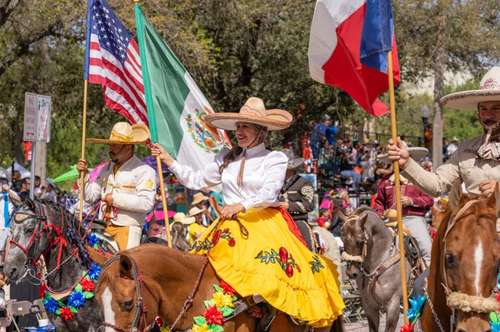
Fiesta San Antonio is a strong example. The event includes parades, food, community gatherings, and cultural celebrations, but music is everywhere. Mariachi, Tejano, conjunto, regional Mexican music, marching bands, and other performances help define the atmosphere.
Wurstfest in New Braunfels highlights German heritage with polka, traditional music, food, and dancing.
Across the state, festivals tied to Czech, German, Mexican, Cajun, African American, and other cultural traditions use music as one of the clearest ways to express heritage.
For visitors, music makes culture easier to experience. It turns history and identity into something immediate and public.
Music Helps Festivals Bring in Visitors
Live music also became central because it drives attendance.
A strong concert lineup can attract visitors from outside the local community. That helps hotels, restaurants, vendors, transportation companies, and small businesses.
This is one reason major festivals invest heavily in music programming. A well-known artist can turn a local event into a regional destination.
For smaller festivals, even a strong local or regional act can make a difference. Music gives people a reason to stay longer, buy food, visit booths, and return the next year.
Texas Festivals Reflect Many Sounds
Texas festival music is not one sound.
Austin events may feature indie rock, country, folk, hip-hop, and global artists. San Antonio festivals often include Tejano, mariachi, and conjunto. Houston events reflect country, pop, Latin music, R&B, hip-hop, and Gulf Coast influences. East Texas festivals may include blues, gospel, country, and Americana. Hill Country events often lean toward singer-songwriters, roots music, and Texas country.
That variety is one reason Texas festival culture feels distinct.
The music often reflects the place where the festival happens.
Why Live Music Still Matters
Live music remains central to Texas festivals because it does several things at once.
It entertains visitors. It supports artists. It draws crowds. It preserves regional traditions. It gives communities a shared experience.
Most importantly, it connects the modern festival experience to older Texas traditions.
The stage at a county fair, the dance floor at a heritage festival, the songwriter tent at Kerrville, the rodeo concert in Houston, and the multi-stage setup at ACL all come from the same basic idea: people gather better when music is part of the event.
That is why live music is not just an added feature at Texas festivals.
It is one of the reasons these festivals continue to feel rooted, recognizable, and worth returning to year after year.
Comments (0)
No comments yet. Be the first to share your thoughts.
Leave a comment