


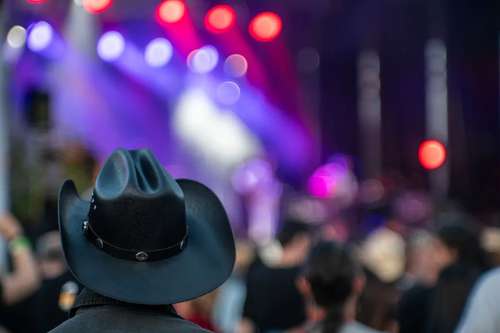
Texas hosts some of the most recognizable music festivals in the United States.
From SXSW and Austin City Limits Music Festival in Austin to Houston Livestock Show and Rodeo, Fort Worth’s Main St. Fort Worth Arts Festival, Kerrville Folk Festival, and Old Settler’s Music Festival, the state has built a festival culture that spans nearly every major genre.
What makes Texas festival culture especially interesting is that cities did not develop identical identities. Austin became known for live music and emerging artists. Houston blended music with rodeo culture. Fort Worth leaned into Western heritage. Smaller communities built festivals around folk music, blues, Tejano traditions, or regional culture.
These identities were not created overnight. They developed through decades of local investment, venue growth, community support, and cultural traditions that gave each city its own musical personality.
Understanding how Texas cities built their festival reputations helps explain why the state’s music scene remains one of the most diverse in the country.
Austin Built Its Identity Around Live Music
No discussion of Texas festival culture begins anywhere other than Austin.
oday, Austin is widely known as the “Live Music Capital of the World,” but that reputation developed gradually.
By the 1970s and 1980s, Austin had become a gathering place for musicians who blended country, folk, blues, rock, and outlaw country influences. Venues such as Armadillo World Headquarters, Antone’s, and later the clubs along Sixth Street helped create a city where live music was part of everyday life.
The launch of South by Southwest (SXSW) in 1987 accelerated that reputation.
Originally created as a music industry conference, SXSW quickly attracted artists, record labels, journalists, and music fans from around the world. Over time it expanded into film and technology while retaining music as a central component.
Austin further strengthened its festival identity when Austin City Limits Music Festival launched in 2002. Inspired by the long-running PBS television series, ACL Fest brought major national acts to Zilker Park while showcasing local and regional performers.
Together, SXSW and ACL transformed Austin into one of the world’s most recognizable festival cities.
Importantly, these festivals succeeded because they grew from an existing music culture rather than trying to create one from scratch.
Houston Combined Music With Rodeo Tradition
Houston’s festival identity followed a different path.
While Austin became associated with clubs and emerging artists, Houston built much of its music reputation through large-scale events tied to Texas culture.
The most obvious example is the Houston Livestock Show and Rodeo.
Founded in 1932, the rodeo evolved into one of the largest annual events in Texas. The nightly concert series eventually became one of the biggest music stages in the country, hosting artists from country, pop, rock, Tejano, hip-hop, and regional Mexican genres.
Unlike traditional music festivals, the Houston Rodeo combines:
- Livestock exhibitions
- Agricultural education
- Scholarships
- Rodeo competitions
- Major concerts
This combination created a distinctly Houston approach to festival music.
The city also developed strong ties to genres such as blues, rap, gospel, zydeco, and Tejano music. Events like the Bayou City Art Festival, Freedom Over Texas, and various multicultural festivals helped reinforce Houston’s reputation as a city where multiple musical traditions coexist.
Houston’s identity became less about a single genre and more about scale, diversity, and community participation.
Fort Worth Embraced Western Music Culture
Fort Worth developed its music festival identity through its deep connection to Western heritage.
Unlike Austin’s alternative music scene or Houston’s rodeo-concert model, Fort Worth leaned heavily into cowboy culture, ranching history, and Western traditions.
The Fort Worth Stock Show & Rodeo, which began in 1896, remains one of the most important annual events in the city. Like Houston’s rodeo, music became a major part of the experience, but Fort Worth’s programming often maintains a stronger connection to traditional country and Western culture.
Events held in the Fort Worth Stockyards further reinforce that identity.
Live country music, Western swing performances, and heritage-focused events help preserve the city’s historical connection to Texas ranching traditions.
Fort Worth’s festival culture is less focused on chasing trends and more focused on celebrating longstanding regional traditions.
That consistency has helped the city maintain a distinctive musical identity.
Dallas Built a Broad Festival Portfolio
Dallas approached festival development differently from Austin, Houston, or Fort Worth.
Rather than being defined by one dominant music festival, Dallas built a broader portfolio of events serving different audiences.
The city hosts numerous festivals that incorporate music alongside cultural programming, food, arts, and community celebrations.
Examples include:
- Deep Ellum Arts Festival
- State Fair of Texas concerts
- Riverfront Jazz Festival
- Dallas International Guitar Festival
The historic Deep Ellum district plays a major role in Dallas’ music identity.
For decades, Deep Ellum has served as a center for blues, jazz, punk, rock, alternative music, and independent artists. Festivals held in the neighborhood often reflect that creative diversity.
Rather than becoming known for a single flagship event, Dallas developed a reputation for variety. Its music festival scene mirrors the city’s broader identity as a large metropolitan center with many different communities and musical interests.
Kerrville Became a Folk Music Destination
Not every Texas festival city is a major metropolitan area. The small Hill Country community of Kerrville built one of the most respected folk music events in the country.
The Kerrville Folk Festival, established in 1972, became known for singer-songwriters, acoustic performers, and emerging talent. Unlike many large commercial festivals, Kerrville emphasizes community, songwriting, and intimate performances.
Numerous well-known artists gained visibility through Kerrville over the years, including performers who later became nationally recognized. The festival’s success demonstrates how a smaller Texas city can develop a powerful cultural identity through a focused musical niche.
Today, many songwriters still view Kerrville as an important destination.
New Braunfels Strengthened German and Americana Traditions
New Braunfels built its festival identity through its German heritage and Central Texas location. Events such as Wurstfest blend food, culture, and music in ways that reflect the city’s history.
Although Wurstfest is not exclusively a music festival, live performances remain central to the experience. Traditional German music shares space with Texas country, polka, and regional performers.
The city also benefits from its proximity to the Texas Hill Country music scene, which has produced generations of country, Americana, and singer-songwriter talent. As a result, New Braunfels developed a festival culture that feels distinctly different from larger urban centers.
Georgetown and Driftwood Built Music Around Place
Several smaller Central Texas communities created successful festivals by focusing on setting as much as music.
Old Settler’s Music Festival, now held near Tilmon, southeast of Austin, grew from a celebration of bluegrass into one of Texas’ most respected Americana festivals. The festival’s camping atmosphere, Hill Country setting, and emphasis on roots music helped establish a loyal audience.
Similarly, music events in communities such as Driftwood, Wimberley, and Luckenbach often draw visitors because of both the performers and the location. These destinations demonstrate how Texas festivals often become tied to a sense of place.
Cultural Diversity Influenced Festival Development
Another reason Texas cities developed different music identities is cultural diversity.
Texas has long been shaped by influences from:
- Mexican traditions
- German immigrants
- Czech communities
- African American music
- Southern gospel
- Country music
- Blues
- Tejano
- Conjunto
- Zydeco
Cities incorporated these influences in different ways.
San Antonio’s festivals frequently highlight Tejano and Mexican traditions. Houston showcases extraordinary musical diversity. Austin emphasizes creative experimentation. Fort Worth leans into Western heritage.
Because Texas itself contains multiple cultural traditions, no single festival model could define the entire state.
Local Venues Created Festival Foundations
Successful festivals rarely emerge without supporting infrastructure.
Many Texas cities spent decades developing music venues before their festivals became nationally recognized.
- Austin had clubs such as Antone’s and the Continental Club.
- Houston had major performance spaces and rodeo facilities.
- Dallas had Deep Ellum.
- Fort Worth had the Stockyards and Billy Bob’s Texas.
These venues helped create audiences, support local musicians, and attract industry attention.
When festivals emerged, they were building on existing foundations rather than starting from nothing. That foundation remains one of the reasons Texas festivals continue to succeed.
Why These Identities Continue Today
Festival identities persist because cities continue investing in them.
- Austin continues to attract artists and music professionals through SXSW and ACL.
- Houston continues to use the Rodeo as a major cultural and economic driver.
- Fort Worth continues to celebrate Western heritage.
- Kerrville continues supporting singer-songwriters.
- Deep Ellum continues producing local music scenes that feed larger festivals.
Each city reinforces the characteristics that made its festivals successful in the first place. As a result, visitors can travel across Texas and encounter remarkably different festival experiences without ever leaving the state.
The Lasting Impact of Texas Festival Cities
Texas did not develop a single music festival culture.
Instead, individual cities built distinct identities based on local history, community values, geography, venues, and musical traditions.
Austin became a center for live music and emerging artists. Houston merged concerts with rodeo culture. Fort Worth embraced Western heritage. Dallas developed a broad and diverse festival landscape. Kerrville became synonymous with folk music. New Braunfels tied festivals to cultural heritage.
Those differences are part of what makes Texas unique.Texas cities found ways to celebrate their own musical strengths. The result is one of the richest and most varied festival landscapes in America—one where every city contributes something different to the story of Texas music.
Comments (0)
No comments yet. Be the first to share your thoughts.
Leave a comment