


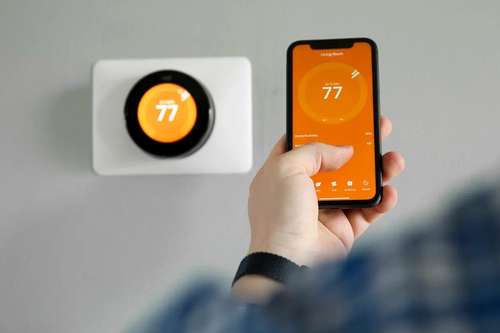
Smart thermostats have become an easy upgrade for homeowners in Texas. With long, hot summers and high cooling costs, these devices help manage energy use and keep indoor comfort on point. In a state where the air conditioner runs for months, a thermostat that learns your habits, adjusts to conditions, and gives clear control can make a real difference.
This article explains how smart thermostats work, what features to focus on for Texas heat, and the top options that match Texas needs in performance, reliability, and value. Whether you’re replacing an old dial thermostat or planning a whole-home upgrade, this guide will help you choose with confidence.
Why Smart Thermostats Matter in Texas
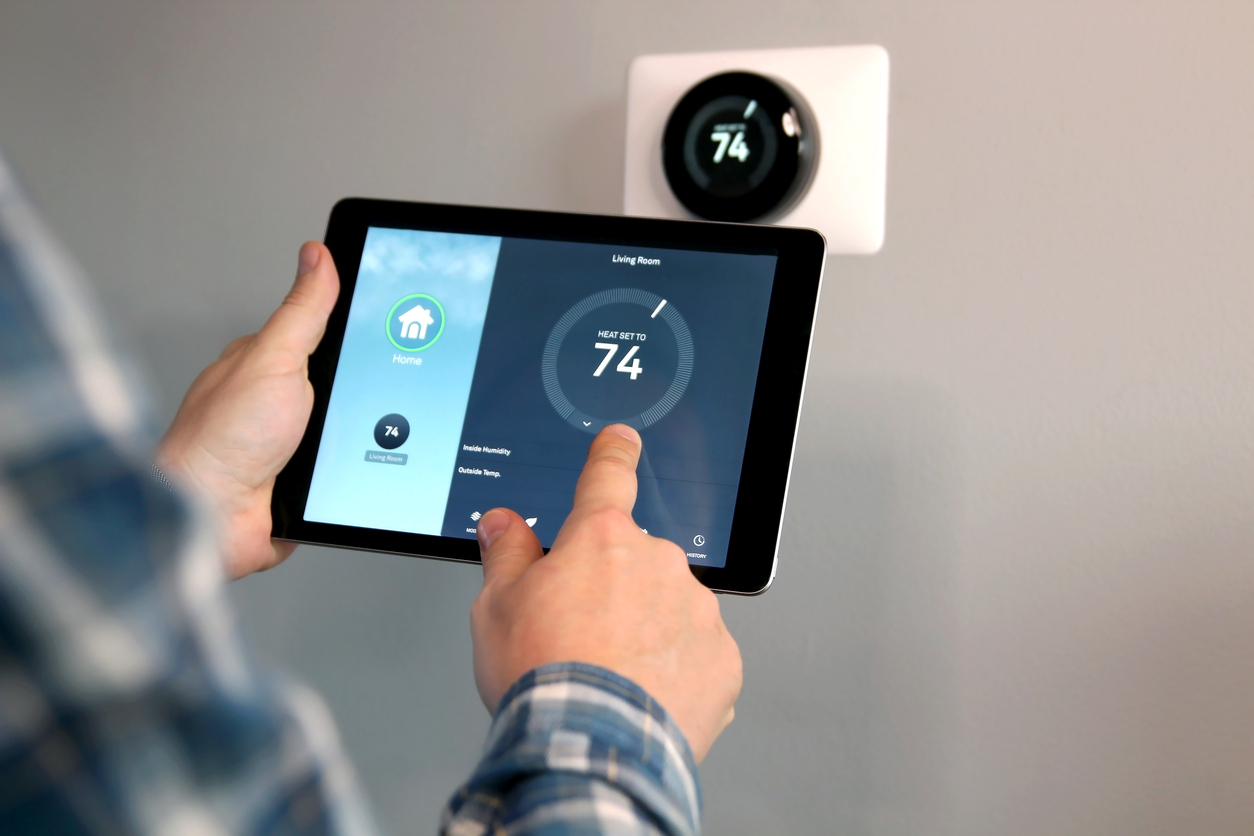
Texas temperatures regularly soar into the 90s and over 100°F. Simple programmable thermostats help, but smart models take it further:
- Energy savings: Smart thermostats adjust cooling based on activity patterns and outdoor conditions. That means running the AC efficiently without sacrificing comfort.
- Remote control: Adjust settings from anywhere using your phone. Forgot to turn down the AC before leaving? No problem.
- Learning behavior: Many smart thermostats learn your schedule and preferences. Over a few days, they build a pattern and make automatic adjustments.
- Humidity sensing: Some models monitor humidity levels, which matter in Texas where muggy air can make heat feel worse.
- Alerts and maintenance: Good smart thermostats send alerts when it’s time to change filters or when temperatures reach extreme levels.
These benefits can reduce energy waste and keep cooling costs from climbing too high. Smart thermostats often work best as part of a bigger strategy, and homeowners interested in broader smart home improvements can explore smart home upgrades for Texas homes that boost comfort, efficiency, and weather resilience.
What to Look For in a Smart Thermostat for Texas
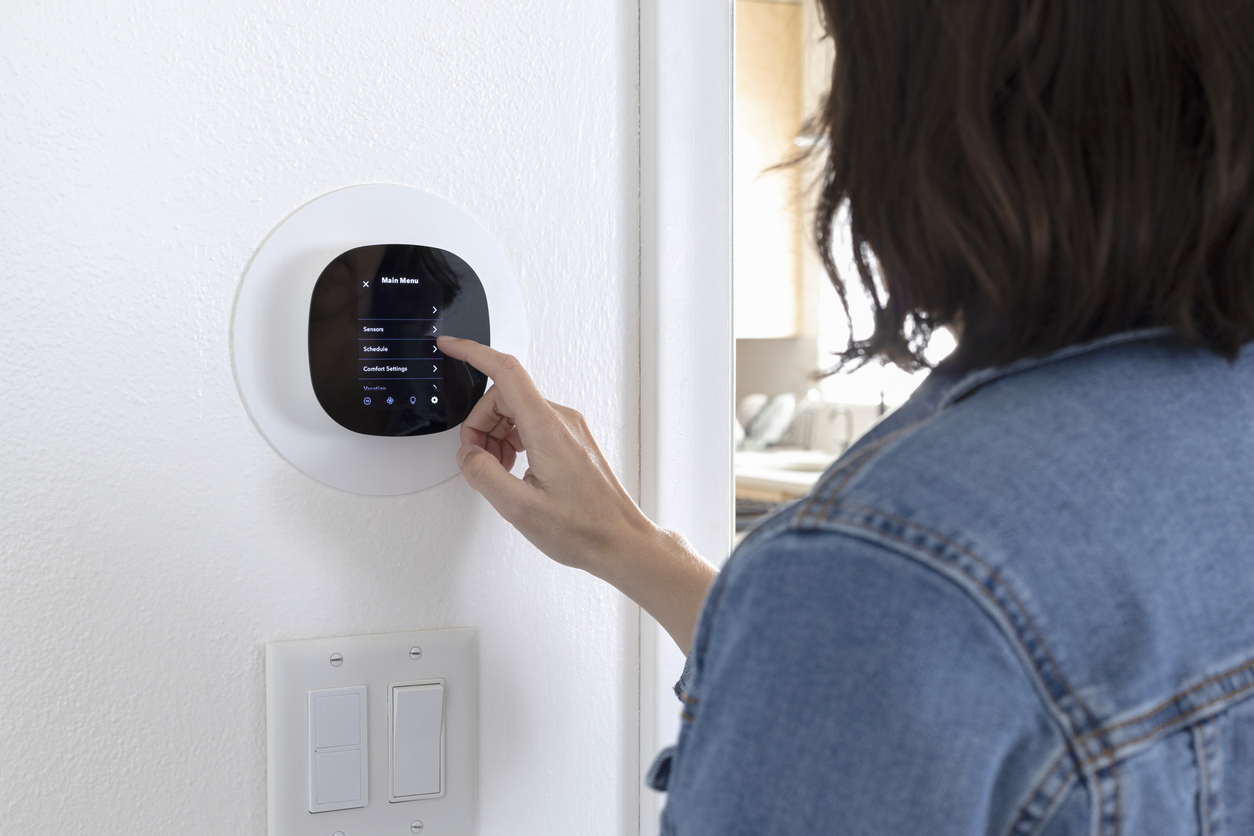
Not all smart thermostats are equal. For Texas heat, focus on these key features:
1. Accurate Temperature Control
Texas summers demand precise cooling. Look for thermostats that read temperature well and respond smoothly to changes, so your home doesn’t overshoot or lag behind the actual indoor climate.
2. Humidity Monitoring
High humidity makes heat feel heavier. A thermostat with built-in humidity sensing helps your system manage both temperature and moisture.
3. Remote Access & App Control
Mobile control is essential. Whether you’re at work or on the road, you should be able to check and adjust settings instantly.
4. Learning or Adaptive Schedules
A thermostat that adapts to your habits can cut energy use over time without manual programming each week.
5. Energy Reports
Seeing how much energy you use and when helps you make better decisions about cooling schedules and habits.
6. Compatibility with Existing HVAC
Before buying, check that the thermostat supports your current system (voltage, number of wires, heat pump or conventional system). Many companies offer compatibility checks on their websites.
7. Easy Installation
Most smart thermostats are DIY-friendly, but some homes may need professional help for wiring or power issues.
Top Smart Thermostats for Texas Heat

Below are smart thermostats that consistently perform well in hot climates and offer features that matter in Texas.
1. Google Nest Learning Thermostat (Latest Model)
The Nest Learning Thermostat is a well-known choice for whole-home comfort and convenience.
Why it works well in Texas:
- Adaptive learning: Nest learns daily patterns and adjusts cooling automatically.
- Remote access: The app makes control easy from anywhere.
- Energy history: Detailed reports show how settings affect usage.
- Humidity control: It reads humidity and adjusts accordingly.
- Auto-Away feature: Detects when the home is empty and reduces cooling to save energy.
Standout points:
Installers and homeowners like how it balances comfort with savings. In hot climates, the adaptive nature keeps cooling focused on when people are home and active.
Considerations:
Nest is on the pricier side, but many find the savings on cooling bills justify the cost over a couple of seasons.
2. ecobee SmartThermostat with Voice Control
ecobee’s SmartThermostat is another top pick, especially for larger homes or multi-zone setups.
Why it works well in Texas:
- Room sensors: Optional sensors monitor different rooms for better comfort where it matters most.
- Humidity and occupancy detection: These features help manage cooling based on real conditions.
- Built-in voice control: You can use services like Alexa without an extra device.
- Smart home integrations: Works with most smart systems (Apple HomeKit, Google Assistant, Alexa).
Standout points:
The remote sensors are a big plus in homes with uneven cooling. In Texas heat, this means bedrooms and living areas stay balanced instead of overcooling just one area.
Considerations:
Cost goes up with additional sensors, but improved comfort in larger homes is often worth it.
3. Honeywell Home T9 Smart Thermostat
The Honeywell T9 blends solid performance with a more affordable price.
Why it works well in Texas:
- Smart room sensors: Detects where people are in the home and adjusts cooling.
- Simple app control: Easily set schedules or adjust settings remotely.
- Strong HVAC compatibility: Works with many systems without complex installation.
Standout points:
Honeywell T9 is reliable and easier on the wallet compared to some high-end models. It provides good comfort balance and decent energy savings.
Considerations:
It doesn’t learn habits as aggressively as Nest, but it still adjusts based on sensor feedback.
4. Emerson Sensi Touch Smart Thermostat
For those looking for solid performance at a lower price point, the Sensi Touch is a straightforward choice.
Why it works well in Texas:
- Responsive temperature control: Keeps indoor climate steady.
- Easy to install: Clear instructions and wide compatibility.
- Remote app: Basic controls and scheduling from your phone.
Standout points:
Value-focused homeowners appreciate the balance of features and cost. If you want smart control without extra bells and whistles, this model delivers.
Considerations:
It’s not as advanced in learning or adaptive features, but it covers the essentials well.
5. Johnson Controls GLAS Smart Thermostat
The GLAS thermostat stands out with its clear touchscreen and environmental sensing.
Why it works well in Texas:
- Built-in air quality and humidity sensors: Helps manage more than just temperature.
- Modern display: Easy to read at a glance.
- Remote control: App access keeps adjustments simple.
Standout points:
The focus on air quality plus cooling control may appeal to households that care about the indoor environment beyond temperature.
Considerations:
It’s a newer player compared with Nest and ecobee, but performance is solid.
How Smart Thermostats Save Energy in Hot Climates
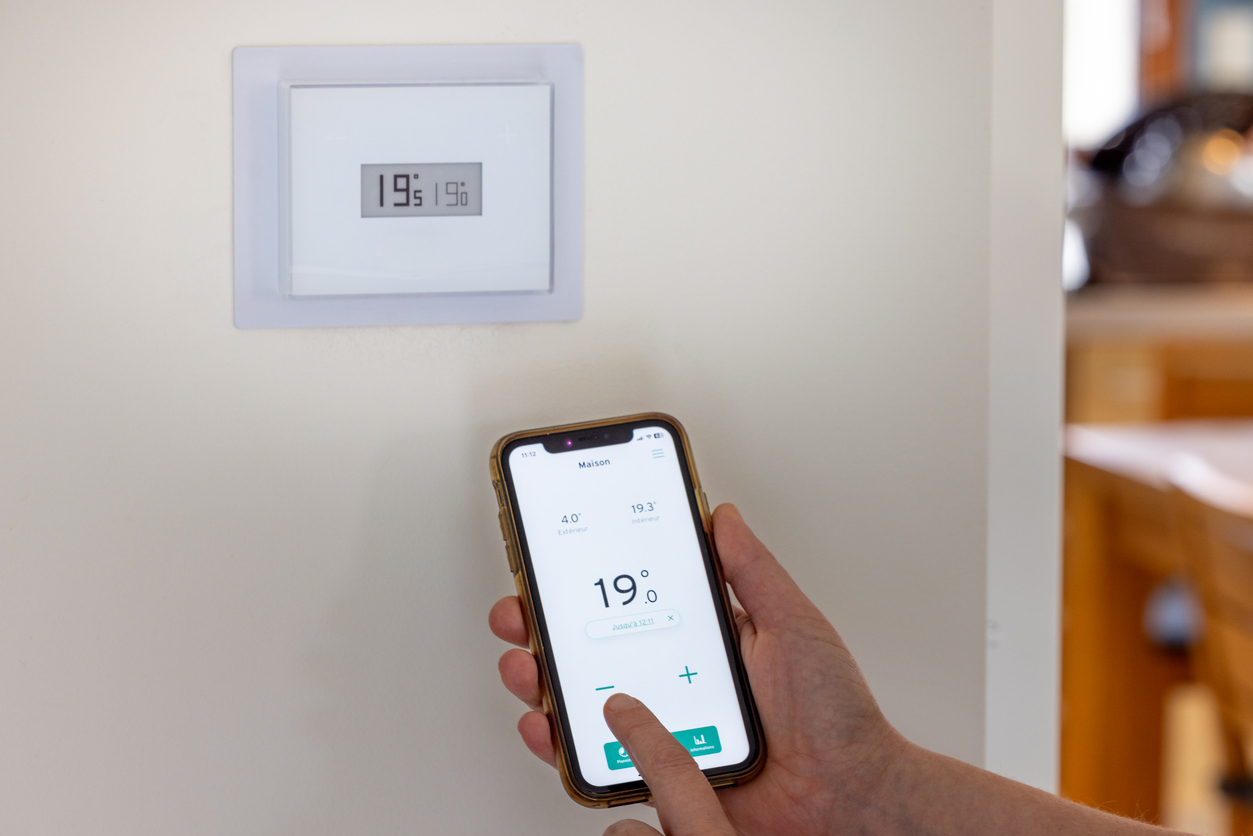
Smart thermostats save money in several ways:
- Adaptive scheduling: They learn your household patterns and cool when you’re home or likely to return soon.
- Reduced peak cooling: By moderating temperature around your schedule, they avoid running the AC harder than needed.
- Smart setbacks: When a home is empty, the thermostat raises the set point slightly, saving energy without discomfort when you return.
- Humidity management: Reducing unnecessary dehumidification cuts energy use.
Savings vary by home size, insulation quality, and how the thermostat is used. But most owners see noticeable drops in their energy bills after installing a smart thermostat.
Installation Tips for Texas Homes

While many smart thermostats are DIY-friendly, Texas homes sometimes pose specific wiring challenges:
Check for a C-Wire
A common requirement for smart thermostats is a common wire (C-wire) to provide consistent power. Some older homes lack this wire. If needed, you can:
- Add a C-wire using your HVAC system’s wiring bundle.
- Use a power extender kit (some thermostats include this).
- Ask an HVAC professional to install the necessary wiring.
Match Your System Type
Smart thermostats vary in how they handle different HVAC types (heat pumps, dual fuel systems, multi-stage systems). Before buying:
- Check the thermostat’s compatibility list.
- Confirm how many heating and cooling stages your system runs.
- Note whether your system uses gas, electric, or hybrid heating.
Professional Installation
If wiring looks complex, getting help from an HVAC technician can save time and ensure everything works correctly.
Best Practices for Using Smart Thermostats in Summer

To get the most out of your smart thermostat in Texas heat:
Set Realistic Cooling Targets
Instead of extreme low settings, aim for a comfortable but efficient range. Each degree closer to outdoor temperatures reduces cooling load and costs.
Use Schedules for Away Times
Program the thermostat to raise the temperature slightly when no one is home. Modern smart thermostats can automate this based on phone location or activity patterns.
Monitor Humidity
In Texas, humidity can make cool air feel warmer. If your thermostat has humidity control, use it to fine-tune comfort.
Check Energy Reports
Most smart thermostats provide usage summaries. These help you see patterns and make adjustments that reduce costs.
Common Questions About Smart Thermostats
Do Smart Thermostats Really Save Money?
Yes. They reduce energy waste by cooling based on your schedule and activity. Many homeowners see savings on their monthly electric bill after installation.
Will a Smart Thermostat Work With My HVAC System?
Most modern smart thermostats are compatible with common HVAC types. However, always check wiring and system specs before buying.
Can I Control the Thermostat When I’m Away?
Yes. One of the main benefits is remote control via a smartphone app.
Do They Require the Internet?
Smart thermostats function without internet for basic use, but full features like remote control and energy reports need a connection.
Final Thoughts
Choosing the right smart thermostat for Texas means focusing on accurate cooling control, mobile access, humidity sensing, and energy insights. Models from Nest, ecobee, Honeywell, Sensi, and GLAS all deliver good performance, but the best option depends on your budget, home size, and how much automation you want.
In hot climates like Texas, a smart thermostat pays off in comfort and lower energy use. With a device that adapts to your routine, you can keep your home cool, manage costs more effectively, and make your HVAC system work smarter through long summer months.
If you’re ready to upgrade, start by checking compatibility with your HVAC system, decide on the features that matter most to you, and pick a model that fits your needs. A smart thermostat can be a straightforward step toward smarter cooling in Texas heat.

Comments (0)
No comments yet. Be the first to share your thoughts.
Leave a comment