


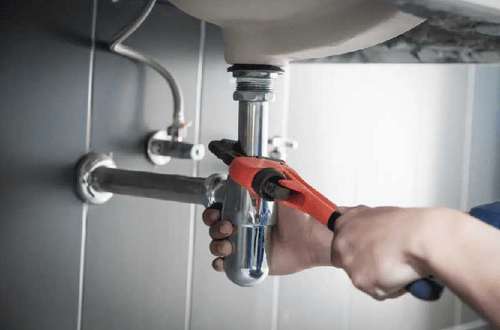
If you live in Texas, chances are you have hard water. It is part of daily life in many cities and rural areas across the state. You may notice white spots on dishes, dry skin after showers, or appliances that seem to wear out too fast. What many homeowners do not realize is how much hard water can affect their plumbing system over time.
Hard water is not dangerous to drink, but it can quietly cause expensive problems behind walls, under sinks, and inside appliances. Understanding how it works and what it does to your plumbing can help you avoid costly repairs and extend the life of your home’s systems.
This article breaks down the most common plumbing issues caused by hard water in Texas. It keeps things simple, practical, and easy to follow.
What Is Hard Water?
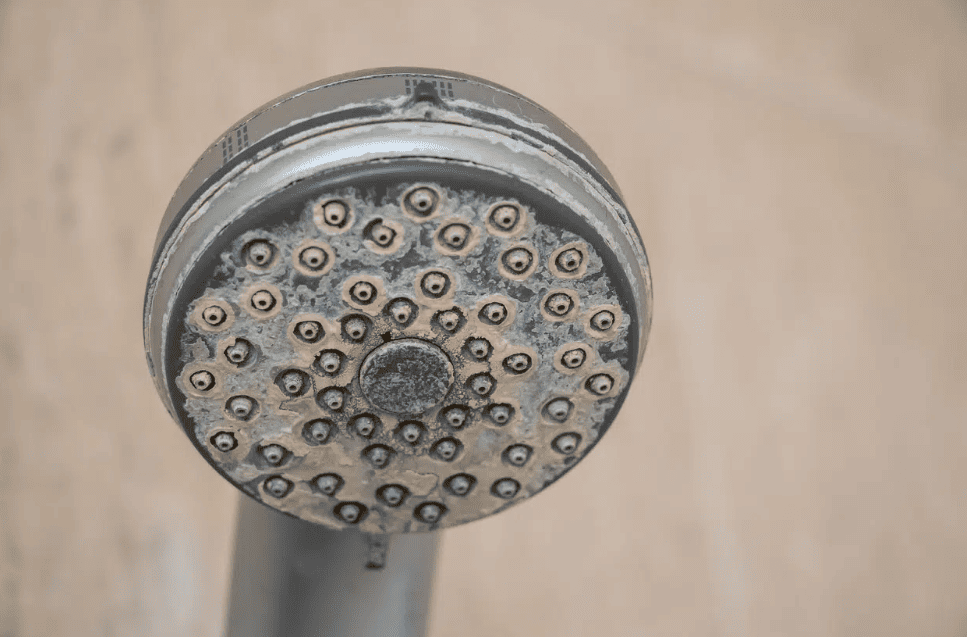
Hard water contains high levels of minerals. The most common ones are calcium and magnesium. These minerals enter the water supply as water moves through limestone and chalk deposits underground. Texas has a lot of limestone, which is why hard water is so common across the state.
The harder the water, the more minerals it carries. When water flows through your pipes, heats up, or evaporates, those minerals stay behind. Over time, they build up and cause problems.
Why Hard Water Is So Common in Texas
Texas relies heavily on groundwater. Much of that water passes through rock formations rich in calcium and magnesium. Cities like Austin, San Antonio, Dallas, Fort Worth, and Houston all deal with varying levels of water hardness.
Some areas have extremely hard water. In those places, plumbing issues can start earlier and progress faster. Even newer homes are not immune.
Mineral Buildup Inside Pipes
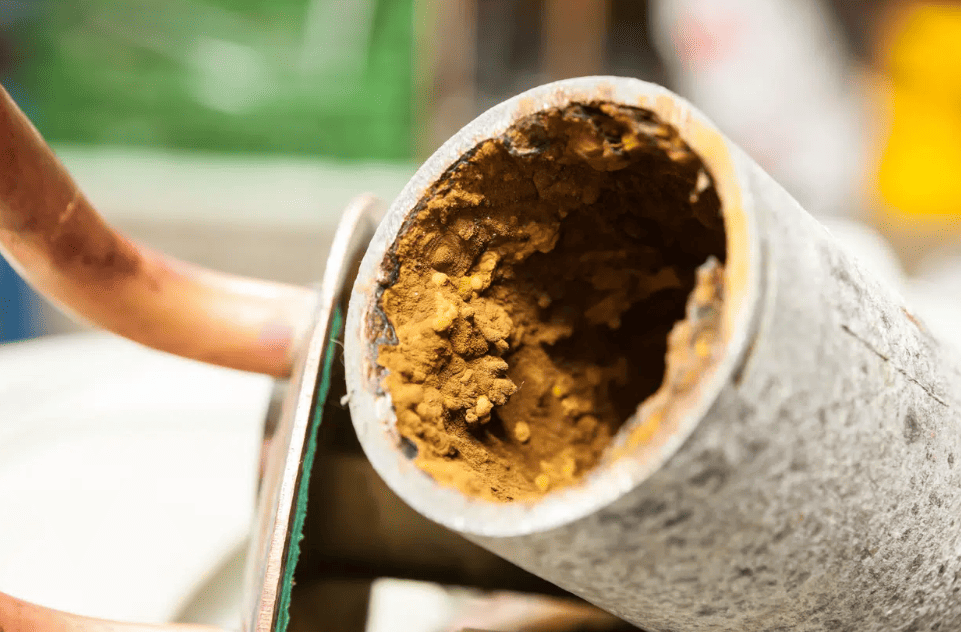
One of the biggest plumbing problems caused by hard water is mineral buildup inside pipes. This buildup is commonly known as scale. It forms slowly and often goes unnoticed because it happens out of sight. By the time symptoms appear, significant buildup may already be present.
How Scale Forms
When hard water flows through your plumbing system, minerals such as calcium and magnesium cling to the inner walls of the pipes. Each use adds a thin layer of deposits. Over time, these layers harden and become more difficult to remove. Hot water speeds up this process, which is why scale tends to form faster in hot water lines.
As months and years pass, scale continues to accumulate. Pipes that once allowed smooth water flow become lined with hardened mineral deposits.
What This Does to Your Plumbing
As scale builds up, it reduces the open space inside the pipe. Less space means water cannot move as freely as it should. This leads to several noticeable problems, including:
- Lower water pressure at faucets: You may notice weaker flow from sinks and tubs, especially in areas farthest from the main water line.
- Showers that feel weaker over time: Mineral buildup affects shower performance gradually. What starts as a slight drop in pressure can turn into an unsatisfying shower experience.
- Pipes that clog more often: Scale narrows the pipe opening, making it easier for debris and soap residue to get trapped. This increases the chance of recurring clogs.
In extreme cases, pipes can become nearly blocked by hardened mineral deposits. When this happens, pressure inside the plumbing system rises, which increases the risk of leaks, pipe damage, or complete pipe failure. Addressing scale early can help prevent these serious and costly plumbing issues.
Reduced Water Pressure
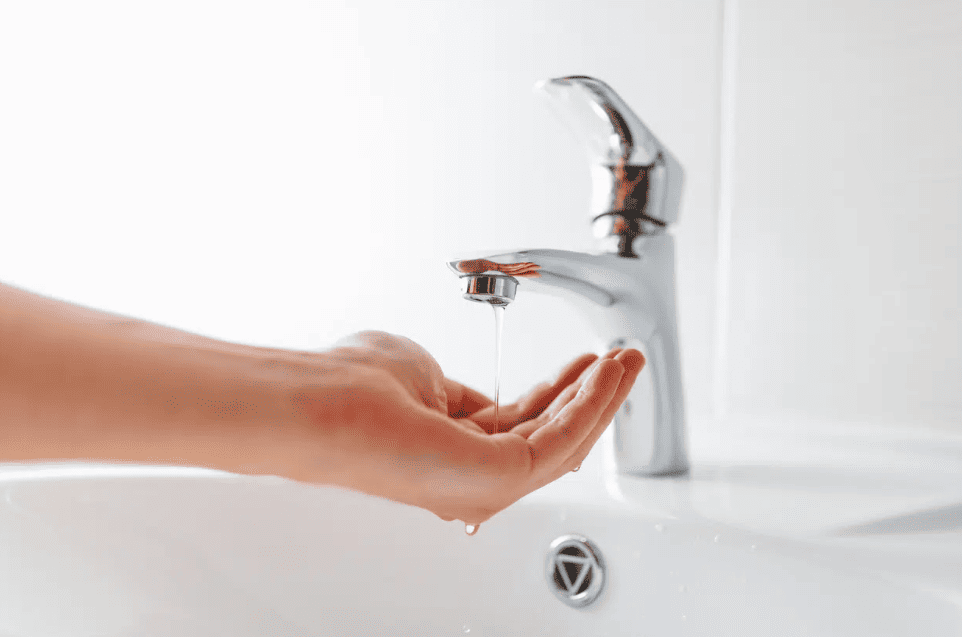
Low water pressure is one of the earliest signs of hard water damage.
Why Pressure Drops
Mineral buildup narrows the inside of pipes. Water struggles to move through the smaller opening. This is especially noticeable in older homes with metal pipes.
Where You Notice It Most
- Showerheads
- Bathroom sinks
- Kitchen faucets
You may also notice uneven pressure from room to room.
Damage to Water Heaters
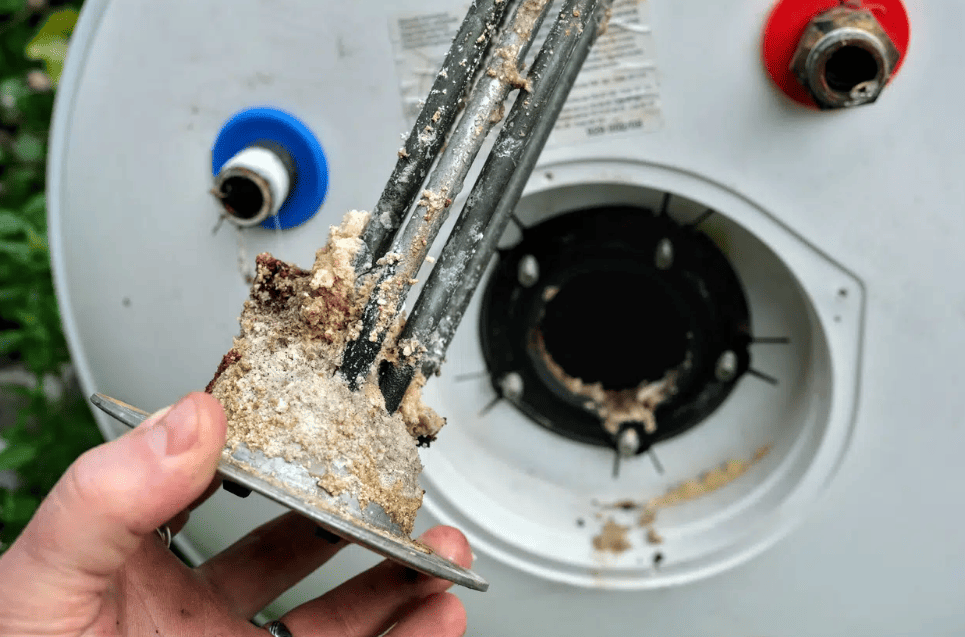
Water heaters take a heavy hit from hard water. Heating water causes minerals to separate more quickly, which speeds up scale formation.
Sediment in the Tank
As hard water heats up, minerals fall to the bottom of the tank. Over time, this creates a thick layer of sediment.
Problems This Causes
- Reduced heating efficiency
- Higher energy bills
- Rumbling or popping noises
- Shortened water heater lifespan
Sediment acts like insulation between the heating element and the water. The heater has to work harder, which leads to more wear and tear.
Shortened Appliance Lifespan

Hard water affects more than pipes. It also damages household appliances that use water.
Commonly Affected Appliances
- Dishwashers
- Washing machines
- Coffee makers
- Ice makers
How Damage Happens
Minerals clog internal valves, coat heating elements, and interfere with moving parts. Appliances break down sooner and often need frequent repairs.
Many Texas homeowners replace appliances years earlier than expected due to hard water damage.
Clogged Faucets and Showerheads
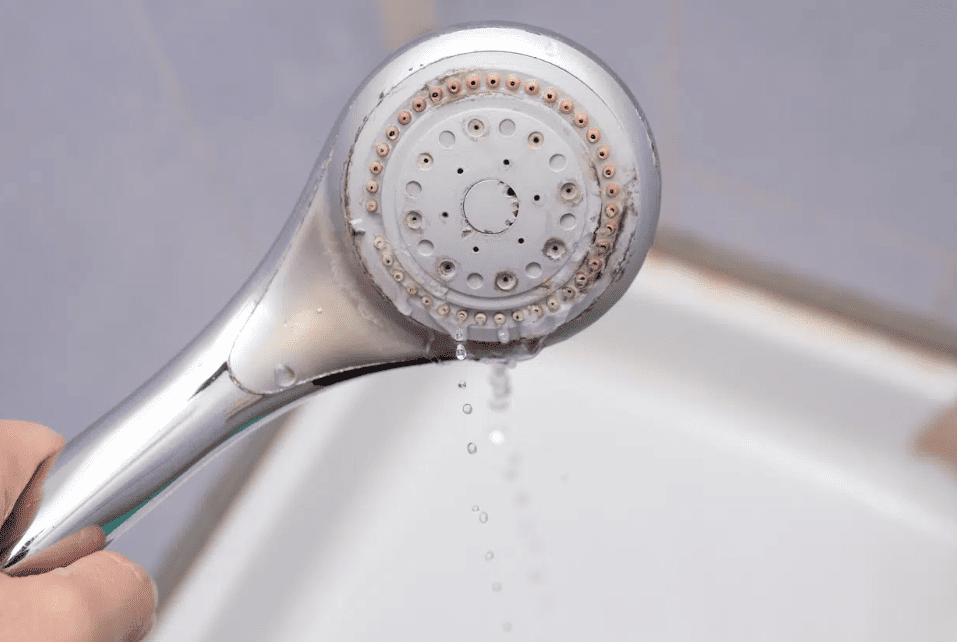
Faucets and showerheads are easy targets for mineral buildup.
What You May Notice
- White or chalky residue around fixtures
- Spray patterns that look uneven
- Dripping or leaking
Minerals clog tiny openings, which changes water flow. This often leads people to replace fixtures without realizing hard water is the root cause.
Leaky Pipes and Joints
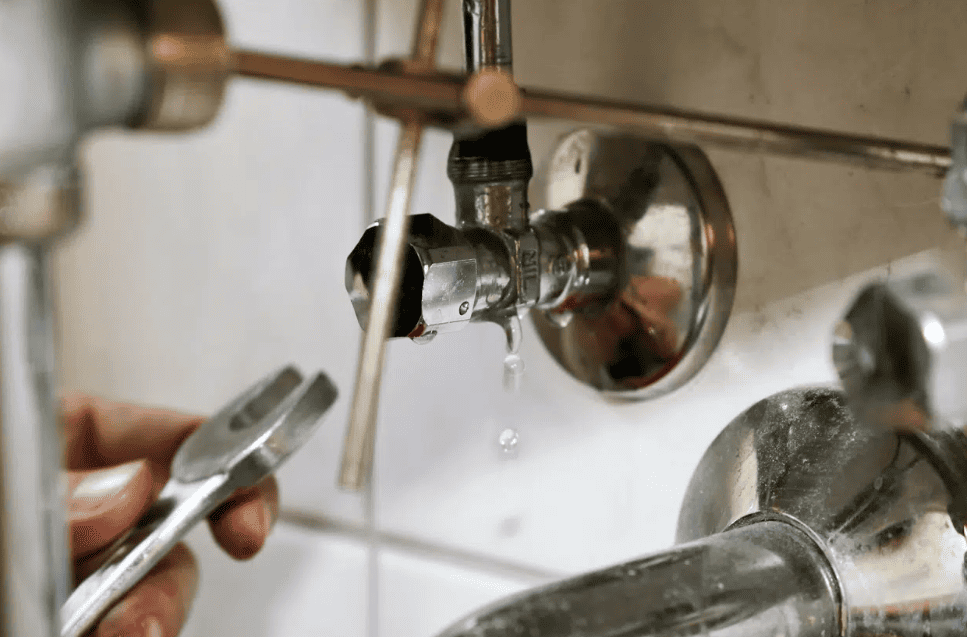
Hard water does not directly cause leaks, but it increases the risk.
Why Leaks Happen
As minerals build up, pressure inside pipes can increase. Combined with corrosion, this puts stress on joints and weak spots.
Where Leaks Often Appear
- Pipe connections
- Shutoff valves
- Under sinks
- Behind walls
Small leaks may go unnoticed for months, leading to water damage and mold.
Corrosion of Metal Pipes
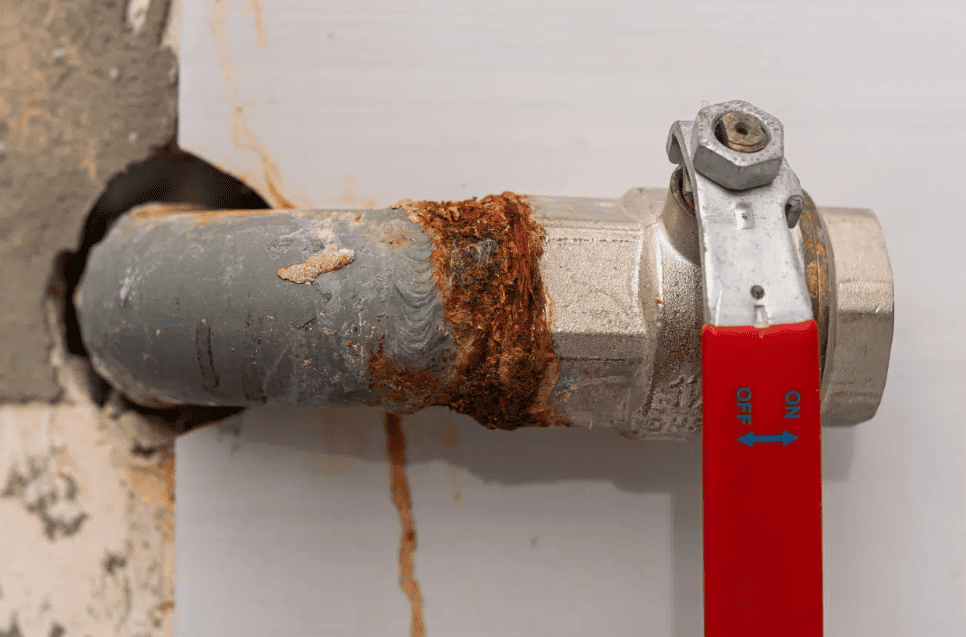
Texas homes with older plumbing are especially vulnerable.
How Hard Water Contributes
Minerals react with metal pipes over time. This reaction can speed up corrosion, especially when combined with heat.
Warning Signs
- Rust-colored water
- Metallic taste
- Frequent leaks
- Discolored fixtures
Corroded pipes weaken and eventually fail.
Stains in Sinks, Tubs, and Toilets
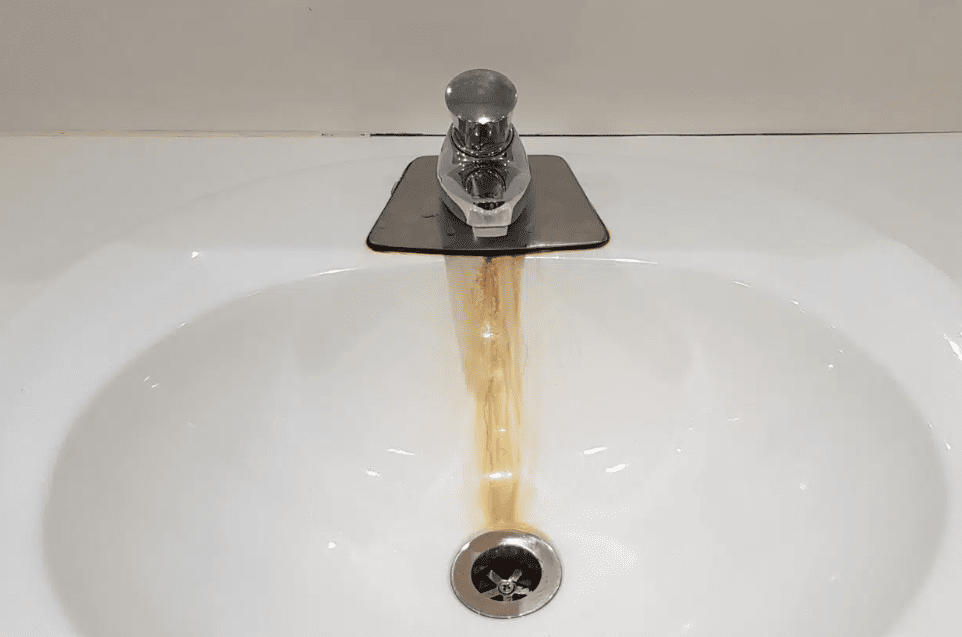
Hard water leaves stains that are hard to remove.
Common Stains
- White or gray chalky buildup
- Yellow or brown marks
- Cloudy film
These stains do not mean your home is dirty. They are mineral deposits that form as water evaporates.
Soap and Detergent Problems
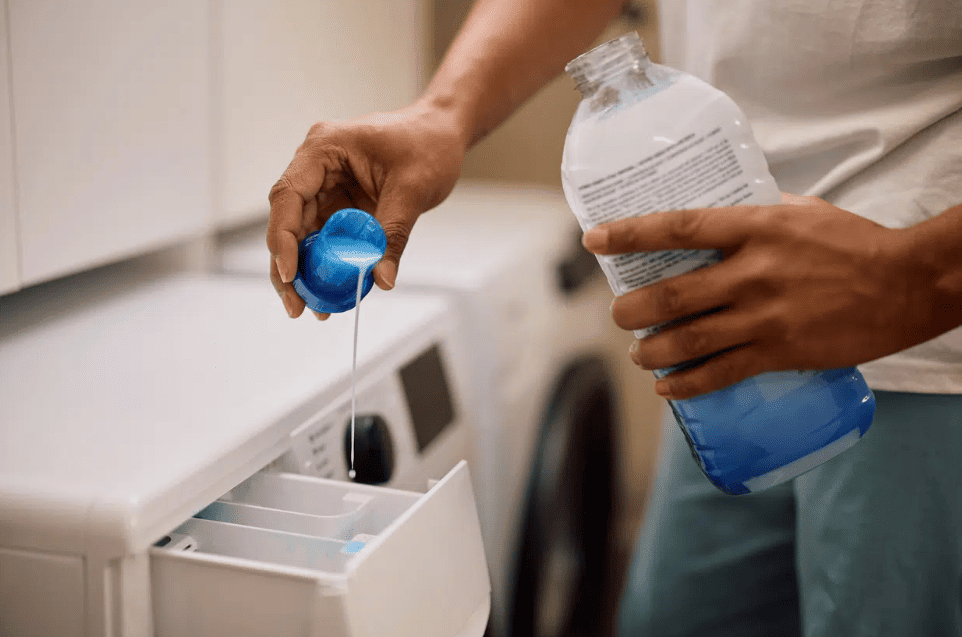
Hard water makes soap less effective.
What Happens
Minerals react with soap, forming a residue that sticks to surfaces.
Results You May See
- Soap scum in showers and tubs
- Dull laundry
- Stiff towels
- More soap needed to feel clean
This residue can also build up inside pipes and drains.
Clogged Drains Over Time
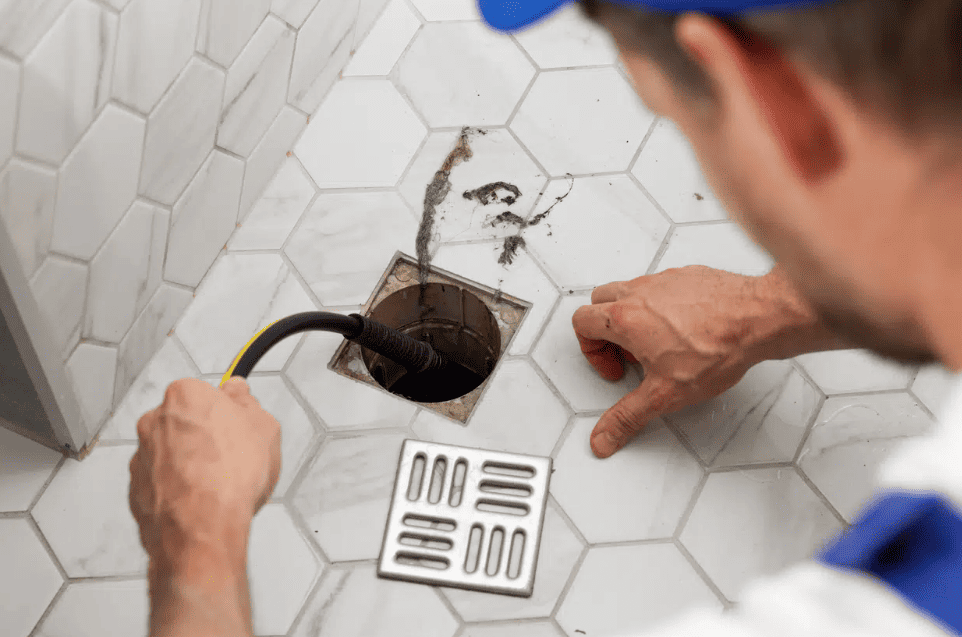
Soap scum mixed with minerals creates thick buildup in drains.
Why This Matters
Even if you avoid pouring grease down the sink, drains can still clog due to hard water residue.
Common Trouble Spots
- Bathroom sinks
- Shower drains
- Kitchen sinks
Clogs caused by mineral buildup are harder to clear with standard drain cleaners.
Increased Plumbing Maintenance Costs
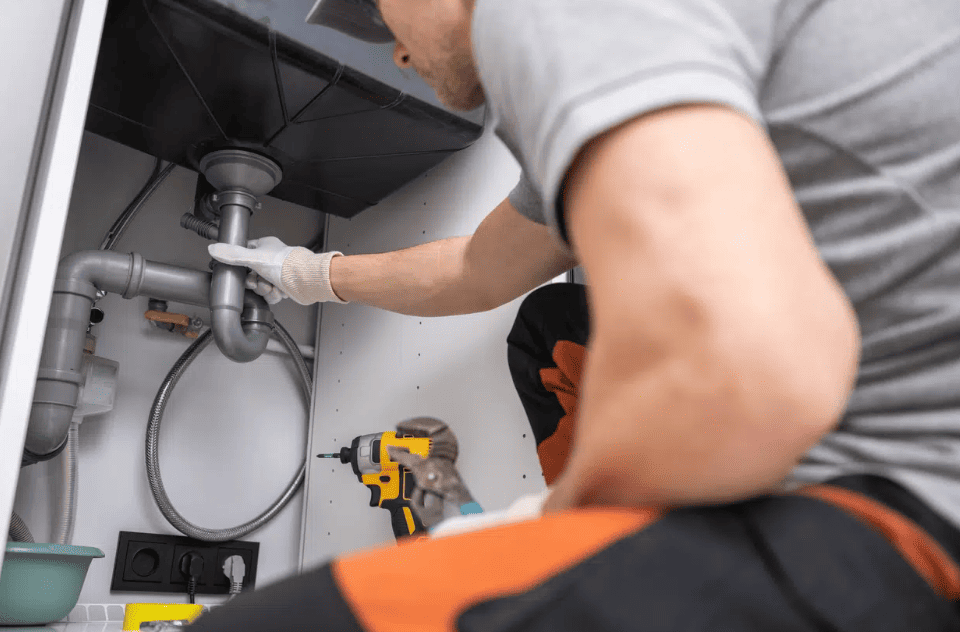
Hard water quietly increases long-term costs.
How Expenses Add Up
- More frequent plumbing repairs
- Shorter appliance lifespan
- Higher energy bills
- Fixture replacements
Many homeowners spend thousands over the years without realizing hard water is the cause.
Hard Water and New Homes
Even new homes in Texas are affected.
Why New Plumbing Is Not Safe
Hard water does not discriminate by age. Scale begins forming as soon as water flows through pipes.
Without prevention, new plumbing systems can show problems within a few years.
Signs Your Home Has Hard Water Problems
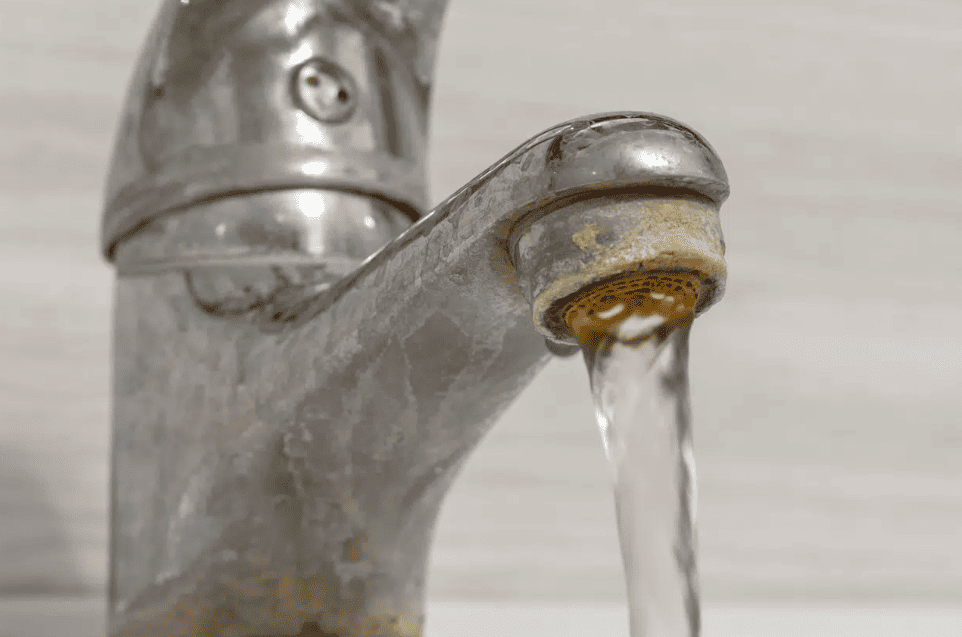
If you are not sure whether hard water is affecting your plumbing, there are several clear warning signs to watch for. Many of them develop slowly, so they often get overlooked or blamed on normal wear and tear.
Low water pressure
If your faucets or shower no longer have the strong flow they once did, mineral buildup inside the pipes may be the cause. Over time, hard water leaves scale along the inner walls of plumbing lines. This reduces the space where water can flow, leading to weaker pressure, especially in showers and bathroom sinks.
Frequent plumbing repairs
Needing repeated fixes for leaks, clogs, or failing valves can point to hard water damage. Mineral deposits place extra stress on pipes and fittings, which increases wear. Even newer plumbing can experience problems if hard water is left untreated.
White residue on fixtures
A chalky white or gray film on faucets, showerheads, and sinks is one of the most visible signs of hard water. This residue is left behind when water evaporates and minerals remain. It can be difficult to remove and often comes back quickly after cleaning.
Appliances breaking down early
Water-using appliances like dishwashers, washing machines, and water heaters may fail sooner than expected. Hard water minerals clog internal components and coat heating elements, making appliances work harder and wear out faster.
Dry skin and hair
Hard water affects more than plumbing. Minerals interfere with soap and shampoo, leaving residue on skin and hair. This can cause dryness, itching, and dull hair that feels difficult to rinse clean.
These signs usually appear gradually, which makes them easy to ignore at first. Paying attention early can help prevent more serious plumbing problems later.
Preventing Plumbing Damage from Hard Water
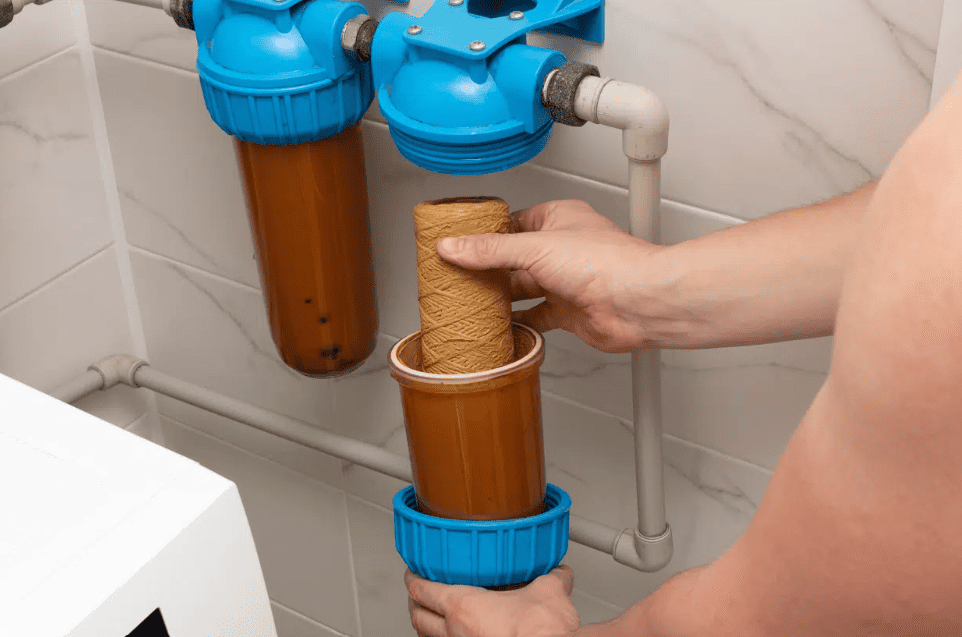
While you cannot change Texas geology or the mineral content of the local water supply, there are effective ways to protect your plumbing system. A little prevention can go a long way toward avoiding expensive repairs and extending the life of your pipes and appliances.
Regular Maintenance
Routine upkeep helps catch hard water damage before it becomes a serious problem.
Flush water heaters yearly
Flushing your water heater removes mineral sediment that settles at the bottom of the tank. This improves efficiency, reduces strain on heating elements, and helps the unit last longer. In areas with very hard water, some homeowners choose to flush more often.
Clean faucets and showerheads
Mineral buildup clogs small openings in fixtures, which reduces water flow and causes uneven spray patterns. Soaking faucet aerators and showerheads in a mild cleaning solution can dissolve scale and restore proper flow.
Inspect pipes and valves
Checking exposed pipes, shutoff valves, and connections helps identify early signs of buildup, corrosion, or small leaks. Catching these issues early can prevent water damage and costly repairs later.
Water Treatment Options
Many homeowners choose water treatment systems to reduce mineral content before it reaches their plumbing. These systems are designed to limit scale formation inside pipes, appliances, and water heaters. By addressing hard water at the source, treatment systems help protect plumbing components, improve water efficiency, and reduce long-term maintenance needs.
Hard water is only one of many issues Texas homeowners need to manage. Regular plumbing care should be part of a broader home maintenance plan that accounts for heat, storms, and seasonal wear. You can learn more about year-round upkeep in this guide to essential home maintenance and repair solutions for Texas homes.
Why Ignoring Hard Water Can Be Costly
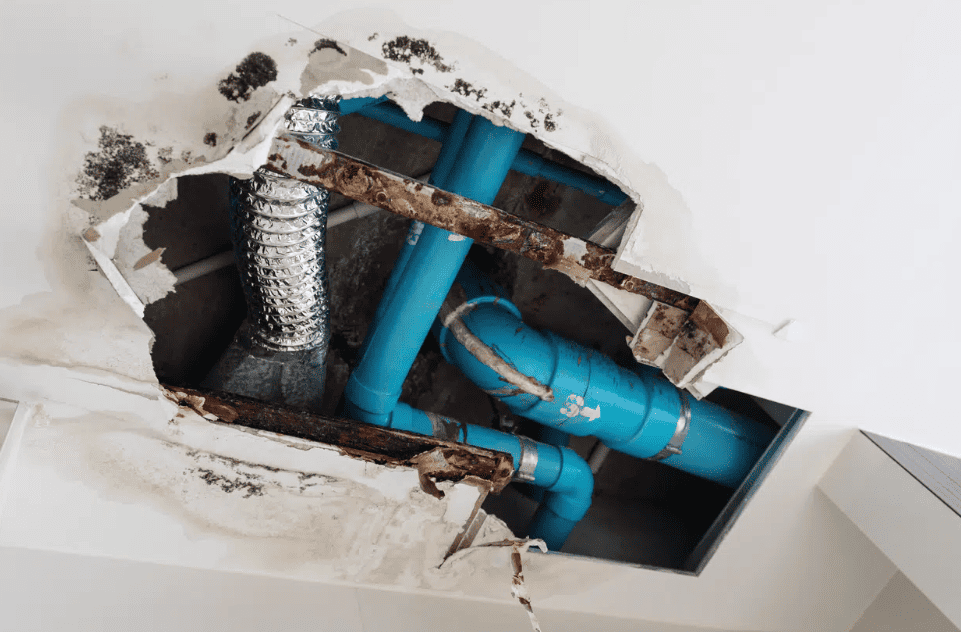
Hard water damage rarely causes sudden or obvious failures. Instead, it works quietly in the background, slowly wearing down plumbing systems and appliances. Mineral buildup increases a little at a time, often without clear warning signs. Because the damage happens gradually, many homeowners do not realize there is a problem until repairs become unavoidable.
Small issues such as reduced water flow, minor leaks, or inefficient appliances may seem harmless at first. When left unaddressed, these problems can grow into major repairs that require pipe replacement, appliance upgrades, or extensive plumbing work. The longer hard water is allowed to build up, the more difficult and expensive it becomes to fix.
Addressing hard water early helps protect key parts of your home, including:
- Pipes: Mineral scale narrows pipes and increases internal pressure, which raises the risk of leaks and pipe failure.
- Appliances: Hard water shortens the lifespan of dishwashers, washing machines, and other water-using appliances by clogging internal components and forcing them to work harder.
- Water heaters: Sediment buildup reduces efficiency, raises energy costs, and leads to premature breakdowns.
- Fixtures: Faucets and showerheads suffer from clogs, uneven water flow, and cosmetic damage caused by mineral deposits.
Taking action early also saves money over time. Preventive maintenance and treatment cost far less than emergency repairs or full replacements. By managing hard water instead of ignoring it, homeowners can avoid unnecessary stress and keep their plumbing system running smoothly for years.
Final Thoughts
Hard water is part of life in Texas, but plumbing problems do not have to be. Understanding how mineral buildup affects your home gives you the chance to take action early.
Low pressure, appliance breakdowns, clogged fixtures, and pipe damage are not random problems. In many Texas homes, they share the same cause. Pay attention to the signs. Keep up with maintenance. Protect your plumbing system before hard water does lasting damage.
A little awareness goes a long way toward keeping your home running smoothly for years to come.

Comments (0)
No comments yet. Be the first to share your thoughts.
Leave a comment