



If you live in Texas, water conservation is part of everyday life. Long summers, uneven rainfall, and recurring droughts make water a valuable resource across much of the state. From West Texas to Central Texas and even parts of the Hill Country, homeowners are looking for practical ways to reduce water use without giving up comfort or convenience.
The good news is that modern home upgrades make saving water easier than ever. Many improvements pay for themselves over time through lower utility bills, while also helping communities stretch limited water supplies. Whether you own a house, manage a rental property, or plan long-term improvements, water-efficient upgrades can make a meaningful difference.
This guide walks through effective, realistic home upgrades that work well in drought-prone Texas regions. The focus is on changes that deliver real savings, fit Texas lifestyles, and improve home value at the same time.
Why Water Efficiency Matters in Texas Homes
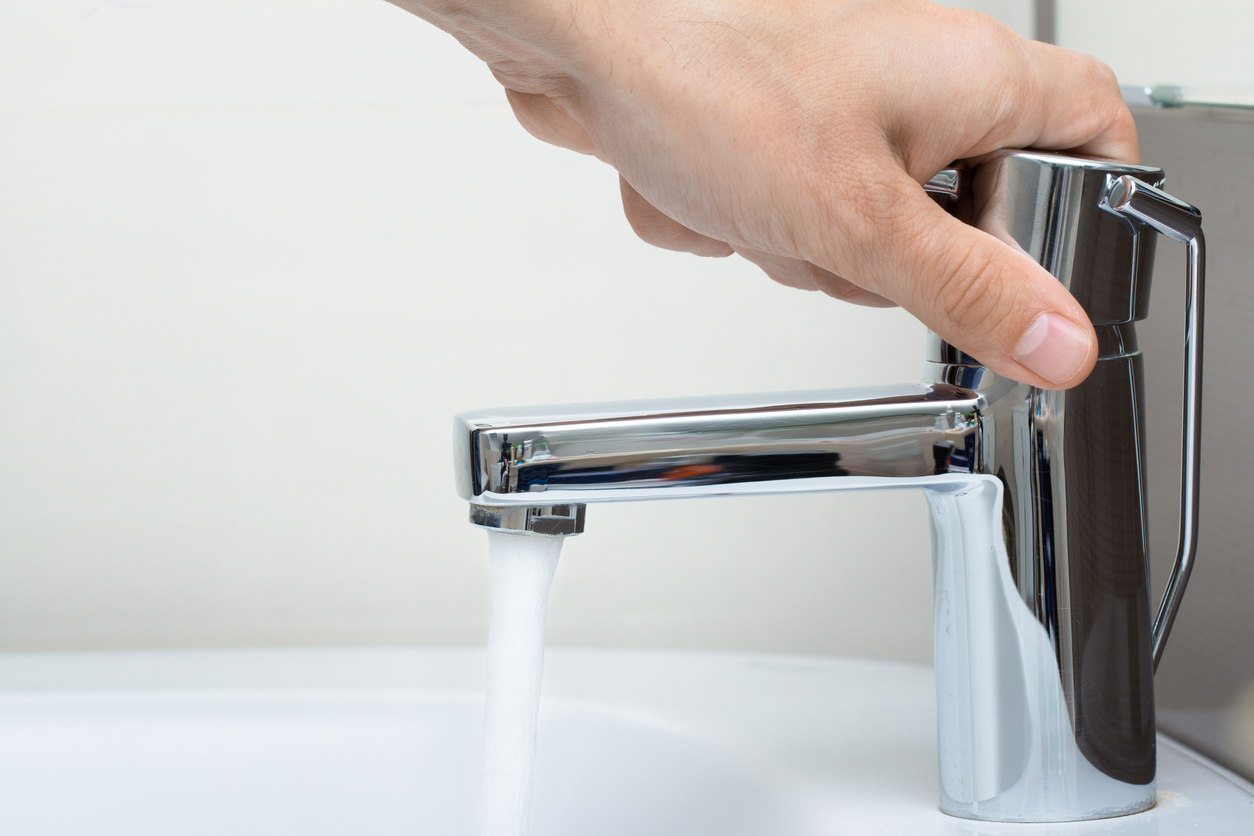
Texas weather is unpredictable. Some years bring heavy rain and flooding, while others bring extended dry spells. Population growth adds pressure to water systems, especially in fast-growing cities and suburban areas.
Many Texas communities rely on reservoirs, aquifers, and river systems that take years to recover after drought. Reducing household water demand helps stabilize these systems and lowers the risk of mandatory restrictions.
For homeowners, efficiency also means lower monthly bills. Outdoor watering alone can account for a large share of residential water use. Indoor fixtures add up quickly when older appliances are still in service.
Water-saving upgrades help homeowners stay ahead of restrictions, protect property values, and reduce operating costs without sacrificing daily comfort.
Low-Flow Fixtures That Actually Work
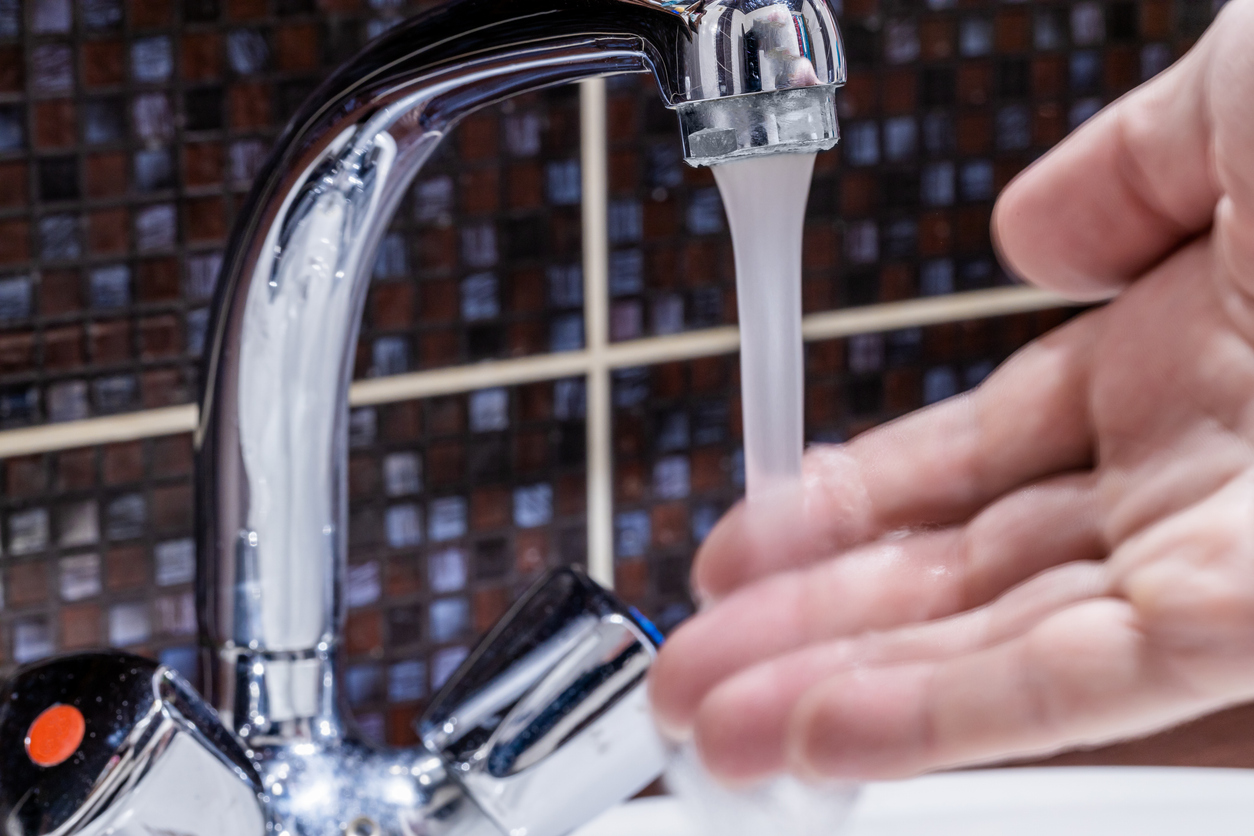
Older low-flow fixtures had a bad reputation for weak performance. That has changed. Modern designs focus on pressure optimization and smarter engineering rather than simply reducing flow.
High-Efficiency Toilets
Toilets are one of the biggest water users in the home. Older models can use several gallons per flush. High-efficiency toilets use significantly less water while maintaining reliable flushing power.
Many newer models use advanced bowl designs, pressure-assisted systems, or dual-flush options. Dual-flush toilets give users control by offering a lower-water option for liquid waste and a higher setting when needed.
Replacing an older toilet can save thousands of gallons of water per year in a typical household.
Water-Saving Showerheads
Modern showerheads focus on spray pattern and pressure balance. Many deliver a strong, comfortable shower experience using much less water than older models.
Look for options that maintain consistent pressure even when multiple fixtures are in use. Some designs mix air with water to create fuller spray coverage.
This upgrade is simple, affordable, and immediately noticeable on water bills.
Efficient Bathroom and Kitchen Faucets
Low-flow faucets with aerators reduce water use without affecting everyday tasks. In kitchens, newer faucets often include spray and pause features that reduce waste during dishwashing and food prep.
Bathroom faucets benefit from touchless or motion-activated designs, which prevent unnecessary flow when hands move away from the sink.
These small changes add up quickly in households with multiple occupants.
Smart Appliances That Reduce Water Waste
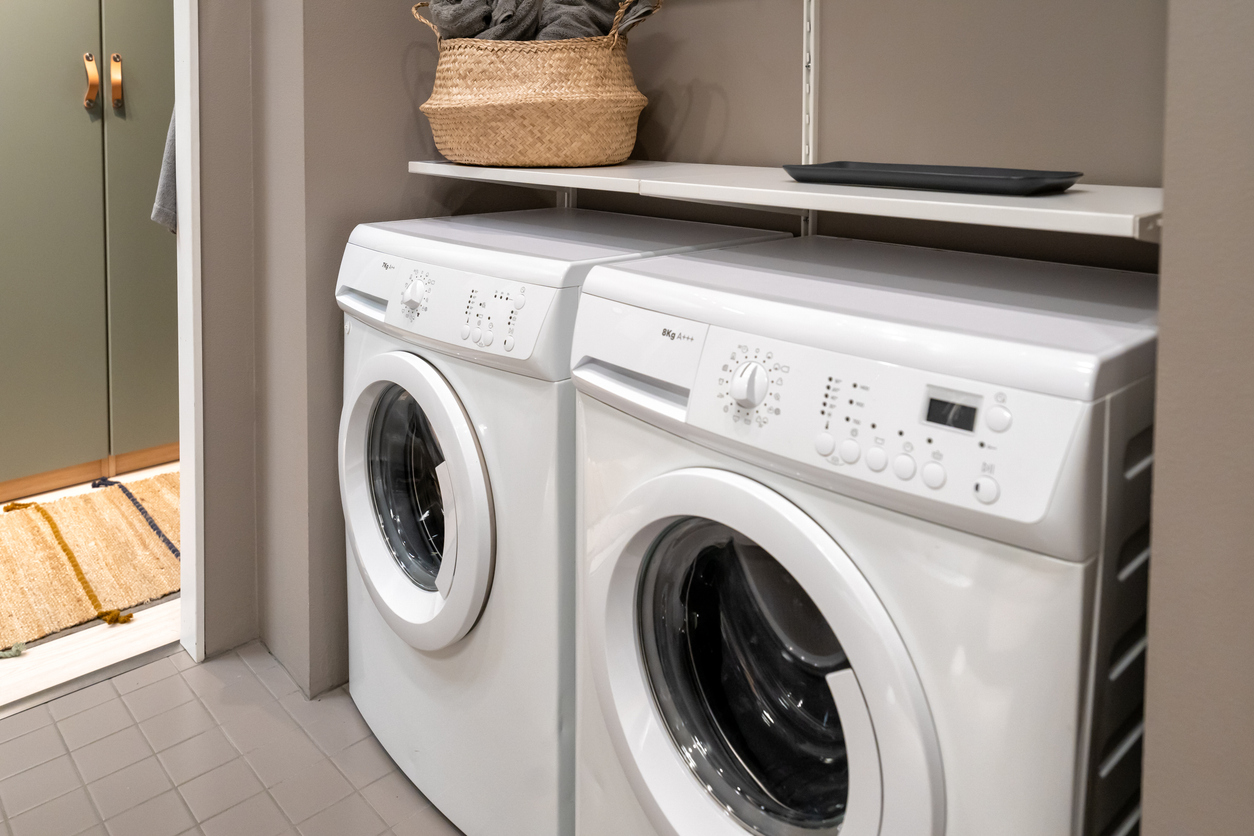
Upgrading appliances is one of the most effective ways to cut indoor water use. Older machines were designed when water efficiency was not a priority.
High-Efficiency Washing Machines
Modern washing machines use sensors to adjust water levels based on load size and fabric type. Many use far less water than older top-loading models while still delivering thorough cleaning.
Front-loading washers are especially efficient and often spin faster, reducing drying time and energy use.
This upgrade benefits both water and electricity bills.
Efficient Dishwashers
Handwashing dishes often uses more water than a modern dishwasher. Newer models are designed to maximize cleaning while minimizing water use through targeted spray arms and soil sensors.
Running full loads and using eco settings further improves efficiency. For Texas homes, replacing an outdated dishwasher can significantly reduce daily water use.
If you are already exploring ways to improve your home, our guide to smart home upgrades for Texas homes offers useful ideas that boost comfort, efficiency, and resilience in challenging weather conditions.
Outdoor Upgrades That Make the Biggest Impact
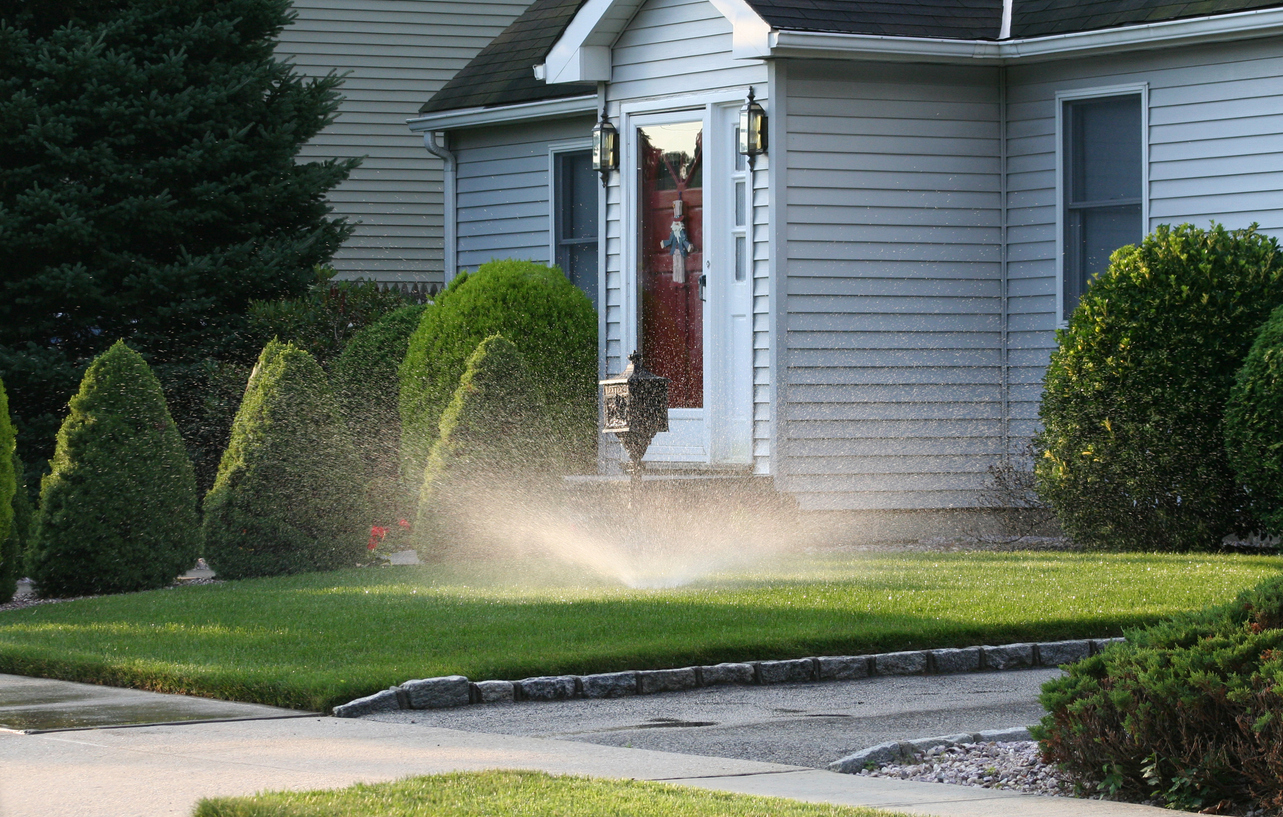
Outdoor water use is often the largest source of waste in drought-prone areas. Landscaping choices and irrigation systems play a major role.
Smart Irrigation Controllers
Traditional irrigation timers water on fixed schedules regardless of weather conditions. Smart controllers adjust watering based on soil moisture, temperature, and rainfall.
These systems connect to local weather data and reduce watering during rain or cooler periods. Over time, they can save large amounts of water without harming lawns or gardens.
Many Texas municipalities encourage or incentivize smart controller installations.
Drip Irrigation Systems
Drip irrigation delivers water directly to plant roots rather than spraying over large areas. This reduces evaporation and runoff, which are common problems during hot Texas summers.
Drip systems work especially well for flower beds, vegetable gardens, shrubs, and trees. They can be paired with smart controllers for even greater efficiency.
This approach supports healthier plants while using much less water than traditional sprinklers.
Native and Drought-Tolerant Landscaping
One of the most effective outdoor upgrades is rethinking landscaping altogether. Native Texas plants are adapted to local conditions and require far less supplemental watering once established.
Options vary by region but often include grasses, perennials, and shrubs that thrive in dry conditions. Replacing high-maintenance turf with native plantings reduces water use and long-term maintenance.
This approach also supports local ecosystems and improves soil health.
Rainwater Harvesting Systems
Rainwater harvesting captures roof runoff and stores it for later use. Even small systems can provide water for gardens, landscaping, and outdoor cleaning.
In drought-prone regions, every rainfall event becomes an opportunity to store water rather than letting it run off.
Texas law allows rainwater harvesting, and many homeowners install systems ranging from simple rain barrels to larger underground tanks.
Plumbing Upgrades That Prevent Hidden Waste
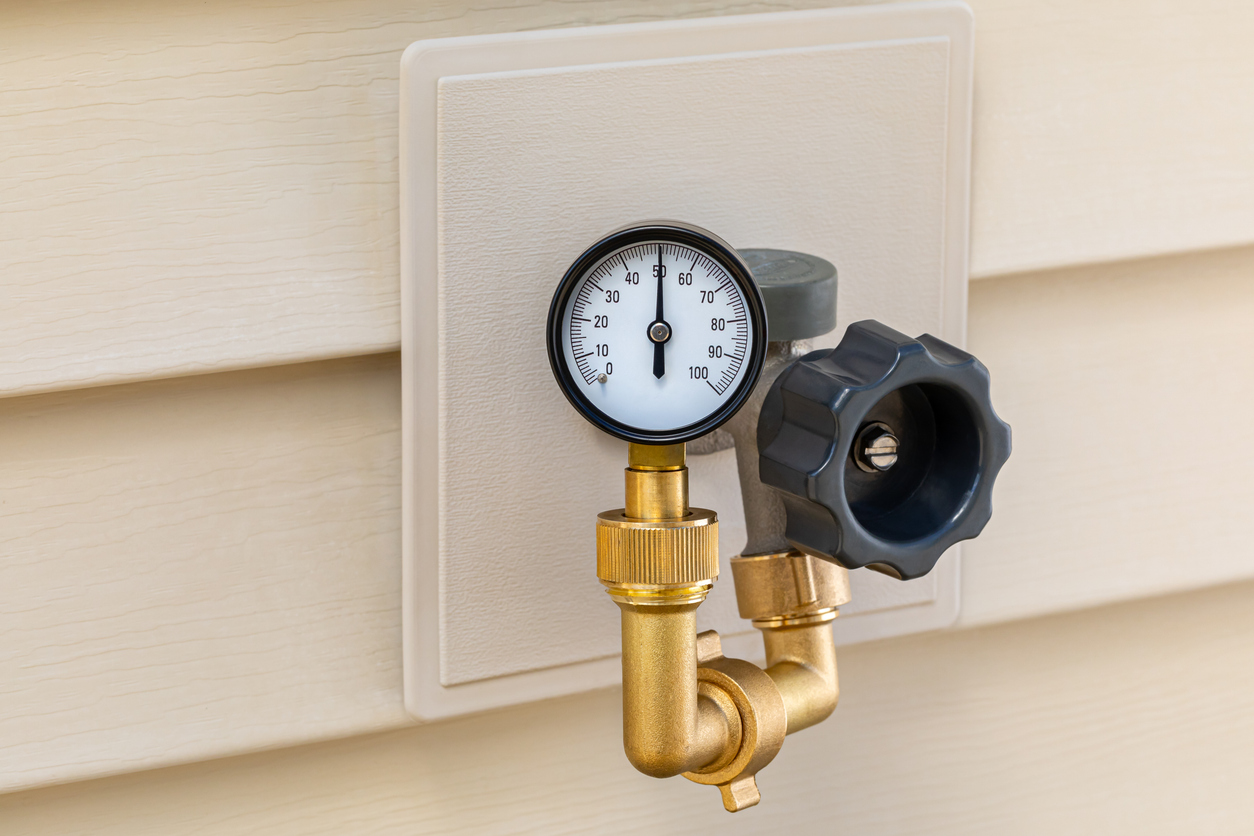
Some water waste happens silently behind walls or underground. Plumbing upgrades help catch problems early and reduce long-term loss.
Leak Detection Systems
Smart leak detection devices monitor water flow and alert homeowners to unusual usage patterns. Some systems automatically shut off water if a leak is detected.
These devices are especially valuable in older homes or properties with long plumbing runs. Early detection prevents both water waste and costly damage.
Pressure Regulators
High water pressure increases wear on pipes and fixtures, leading to leaks and inefficient water use. Pressure regulators maintain safe, consistent pressure throughout the home.
Lower pressure often improves fixture lifespan while reducing overall water consumption.
This upgrade is often overlooked but delivers long-term benefits.
Whole-Home Water Monitoring
Whole-home monitoring systems provide detailed insights into water usage patterns. Homeowners can track daily consumption, identify spikes, and adjust habits accordingly.
Some systems break down usage by fixture or time of day. This information makes it easier to prioritize upgrades and change behaviors.
For families and rental properties, monitoring encourages accountability and conservation.
Building Materials That Support Water Efficiency
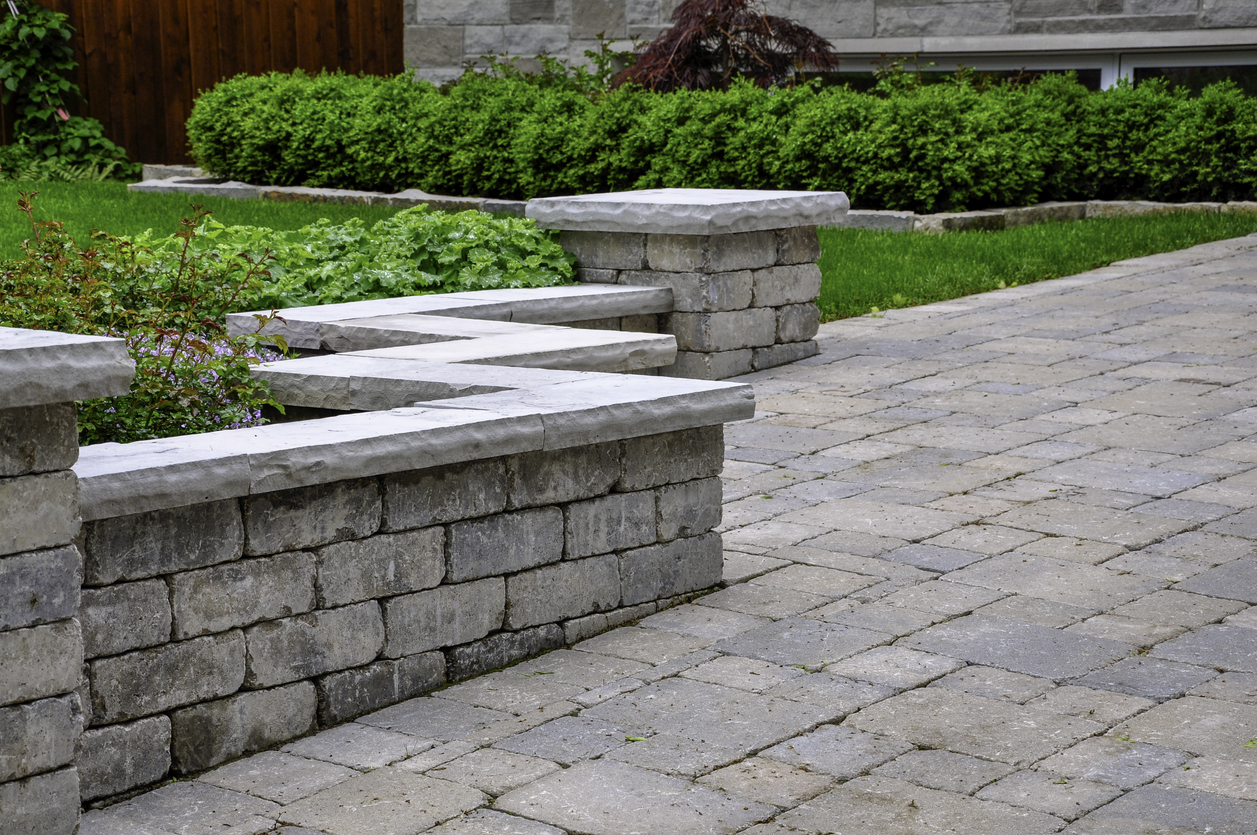
Some home upgrades focus on materials rather than fixtures.
Permeable Hardscaping
Driveways, walkways, and patios made from permeable materials allow rainwater to soak into the ground rather than running off into streets.
This reduces erosion, supports groundwater recharge, and minimizes flooding during heavy rain events.
Permeable surfaces work well in Texas climates and pair nicely with drought-tolerant landscaping.
Mulching and Soil Improvements
Improving soil quality helps retain moisture and reduces irrigation needs. Organic mulch keeps soil cooler and slows evaporation during hot weather.
These upgrades are inexpensive and highly effective, especially for gardens and landscaped areas.
Long-Term Planning for Water-Resilient Homes
Water-saving upgrades work best when approached as part of a long-term plan. Homeowners can prioritize changes based on budget, water usage patterns, and regional conditions.
Starting with indoor fixtures provides immediate savings. Outdoor upgrades deliver the largest long-term impact. Monitoring systems help guide future decisions.
As Texas continues to grow and climate patterns shift, water efficiency will remain an important part of responsible homeownership.
Financial Benefits and Incentives
Many water-saving upgrades qualify for local rebates or incentives. Some utility providers offer programs that reduce the upfront cost of efficient fixtures, irrigation systems, and rainwater harvesting equipment.
Lower water bills provide ongoing savings, and efficient homes often attract buyers who value sustainability and lower operating costs.
Over time, these upgrades help protect both household budgets and community water resources.
Making Water Conservation Part of Texas Living
Water conservation in Texas is not about sacrifice. It is about smart choices that match the realities of the climate. Modern technology makes it possible to use less water while maintaining comfort, convenience, and curb appeal.
By upgrading fixtures, appliances, landscaping, and monitoring systems, homeowners can take control of their water use. These improvements support long-term resilience while reducing monthly expenses.
In drought-prone Texas regions, every gallon saved matters. Thoughtful home upgrades turn conservation into a practical, everyday part of life.
Comments (0)
No comments yet. Be the first to share your thoughts.
Leave a comment