


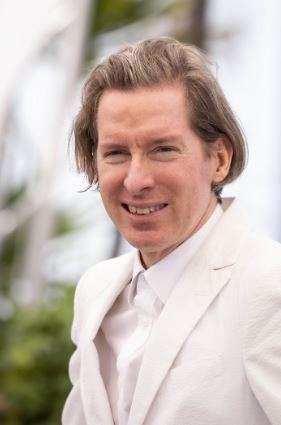
Harald Krichel creator QS:P170,Q640, Wes Anderson-7541, CC BY-SA 4.0
When you explore Wes Anderson’s creative journey, Austin is crucial. At the University of Texas, Anderson graduated with a philosophy degree in 1991 and met Owen Wilson, sparking a creative partnership that defined his career.
Inspired by Austin’s cultural vibe, they co-created Bottle Rocket, capturing the essence of youthful adventure. This city nurtured Anderson’s distinct style and storytelling. Look deeper, and you’ll uncover how Texas landscapes and culture influence his artistic vision.
Early Life and Literary Influences
Growing up in Houston, Texas, Wes Anderson’s early life was shaped by his parents’ diverse backgrounds—his mother’s real estate and archaeology interests and his father’s advertising career. These influences sparked his storytelling abilities and creative flair, laying the groundwork for his unique filmmaking style.
At St. John’s School, where he graduated in 1987, Anderson’s imagination thrived; he later used the school as a filming location for Rushmore. His literary influences—such as his admiration for authors like J.D. Salinger—further enriched his narrative skills.
Though he later attended the University of Texas at Austin, the vibrant cultural scene of Houston had already played a role in shaping his artistic vision. Here, Anderson developed his signature style, which would eventually lead to collaborations like Bottle Rocket with Owen Wilson.
The University of Texas and Meeting Owen Wilson
At the University of Texas at Austin, Wes Anderson’s path took a significant turn when he crossed paths with Owen Wilson. Graduating in 1991 with a Bachelor of Arts in philosophy, Anderson’s academic foundation laid the groundwork for his unique storytelling style.
Meeting Wilson proved essential; their friendship blossomed into a creative partnership that would shape their filmmaking careers. Together, they frequented Austin’s local spots like the Perry-Castañeda Library and the fine arts library, fostering an environment ripe for creativity.
Their collaboration began with the short film Bottle Rocket, which drew inspiration from their Austin experiences. This partnership not only marked the start of Anderson’s illustrious career but also underscored Austin’s role in nurturing his early cinematic vision.
Bottle Rocket: From Short Film to Feature
While the progression from short film to feature might seem intimidating, Bottle Rocket seamlessly evolved from its humble beginnings in 1994 to a full-length feature by 1996.
Anderson and Owen Wilson co-wrote the film, drawing from their Texas experiences. It premiered at the Sundance Film Festival, impressing critics with its originality.
The film introduced character types and comedy that would define Anderson’s style, following two bumbling criminals, Dignan and Anthony, on a quest for meaning. Shot on location in Dallas and Hillsboro, Texas, it subtly critiqued wealth and privilege through its narrative.
Despite mixed reviews at the time, Bottle Rocket gained a cult following and was honored by The Criterion Collection in 2008, solidifying its place in cinematic history.
Rushmore: Capturing Houston’s Essence
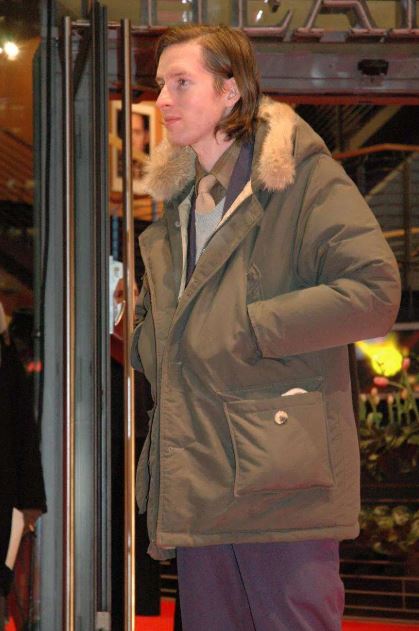
After establishing himself with Bottle Rocket, Wes Anderson set his sights on Houston, where he crafted Rushmore, a film that captures the city’s essence through its authentic setting and subtle references.
By filming at St. John’s School, Anderson recreated Houston’s architecture and local culture. The script, co-written with Owen Wilson, cleverly integrates Houston details, such as letterheads and signs that hint at the city’s identity.
The lush vegetation and suburban landscapes serve as visual elements that mirror Houston’s environment.
Themes of ennui and low-stakes irony critique wealth and privilege, reflecting the socio-economic backdrop of affluent neighborhoods.
Anderson’s character-driven narrative showcases eccentricities, reminiscent of Houston’s diverse personalities, seamlessly merging the local culture with his broader storytelling vision.
Themes of Innocence and Mischief
Despite the complexities of life, Wes Anderson’s films often explore themes of innocence and mischief, capturing the essence of youthful curiosity and ambition.
In Bottle Rocket, you’re introduced to characters whose fanciful heists highlight a playful search for identity and adventure, rather than financial success. Their lighthearted criminal activities reflect a childlike optimism, maintaining humor while emphasizing consequences.
Likewise, Rushmore presents a youthful crush that illustrates innocence amidst adult complexities, blending naïveté with ambition in storytelling. Anderson’s characters navigate the challenges of adolescence, balancing whimsical elements with darker themes.
This duality allows them to explore identity and maintain a playful outlook on life. Both films perfectly capture the spirit of youthful adventure and the mischievous nature of growing up.
Cinematic Techniques and Visual Style
In Wes Anderson’s films, his cinematic techniques and visual style are as distinctive as they are intentional. You can spot his signature touches in everything from the cinematography to the production design.
Anderson’s collaboration with cinematographer Robert Yeoman brings a cohesive visual style, using specific aspect ratios to enhance storytelling. Here’s how he does it:
- Aspect Ratios: Anderson employed a 1.85:1 aspect ratio in Bottle Rocket and shifted to 2.35:1 anamorphic in Rushmore, each choice enhancing the narrative.
- Visual Style: His films are marked by symmetrical compositions and flat camera movements, creating a diorama-like depth.
- Planimetric Composition: This technique contributes to the playful aesthetics.
- Color Palette and Design: The intentional use of color and quirky production design reinforces thematic elements, enriching the cinematic experience.
Texas Cultural Nuances in Film

Diana Ringo, Isle of Dogs – Press Conference 2, CC BY-SA 4.0
Wes Anderson’s early films, like Bottle Rocket and Rushmore, vividly capture Texas cultural nuances through their settings and character interactions.
In Bottle Rocket, co-written with Owen Wilson, you’ll notice affluent characters engaging in quirky heists, highlighting the humor and storytelling rooted in Texas’s social fabric.
Rushmore showcases St. John’s School in Houston, incorporating local architecture and vegetation, grounding the film in a familiar Texan atmosphere.
Anderson critiques wealth and privilege, presenting privileged youth navigating boredom and searching for meaning amidst prestigious homes.
The humor in character dynamics and misunderstandings reveals Texan social complexities, blending poignant storytelling with lighter themes.
Despite Anderson’s later films straying from regional themes, his early work remains a reflection of Texas’s influence.
Legacy and Impact on American Cinema
- Visual Style: Anderson’s distinctive symmetry and color palettes have redefined aesthetics.
- Storytelling: Quirky, nostalgic narratives that captivate audiences.
- Collaborations: Ensemble casts that bring fresh dynamics.
- Themes: Deep exploration of family, ambition, and childhood innocence.
Comments (0)
No comments yet. Be the first to share your thoughts.
Leave a comment