



Texas history is full of larger-than-life stories. Some involve cattle drives, oil booms, frontier towns, and political battles. Others come from darker corners of the past. Crimes that once shocked small communities later became part of local legend, retold in newspapers, books, courthouse records, ghost tours, family stories, and roadside conversations.
These stories remain powerful because they reveal more than crime itself. They show how Texans responded to fear, injustice, mystery, violence, and change. Some cases exposed weaknesses in the legal system. Others reflected the rough conditions of frontier life. A few became so strange or haunting that they took on a life of their own.
The following historic Texas crimes are remembered because they left deep marks on the places where they happened. Over time, fact and folklore sometimes blended together, but the real events behind these legends still offer a fascinating look at Texas history.
The Servant Girl Annihilator And Austin’s Midnight Fear
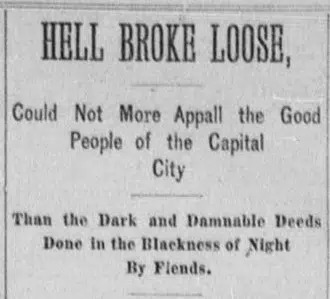
In the 1880s, Austin was growing from a frontier town into a more developed capital city. Streets were dark at night, neighborhoods were unevenly policed, and many working-class residents lived in small houses with little protection. Then a series of brutal attacks began.
Between 1884 and 1885, several women were attacked and murdered in Austin. Many of the victims were Black domestic workers, which is why newspapers later connected the crimes to the name “Servant Girl Annihilator.” The attacks happened at night and created panic across the city. Families armed themselves. Rumors spread quickly. Suspicion fell on several men, but no one was ever proven to be the killer.
The case became even more infamous because of comparisons to Jack the Ripper, whose crimes in London happened a few years later. Some writers have speculated about a connection, though there is no solid proof. What makes the Austin case so disturbing is that it remains unsolved.
The murders became part of Austin’s darker local history. They also reveal the racial and class divisions of the time. Black victims did not always receive the same public concern or legal attention as white victims. Yet the fear was citywide. By the end of 1885, Austin residents felt they were living under siege.
Today, the story remains one of Texas’s most chilling unsolved crime legends. It is remembered as a mystery, but also as a reminder of whose stories were often pushed to the margins.
The Bloody Benders And The Texas Connection
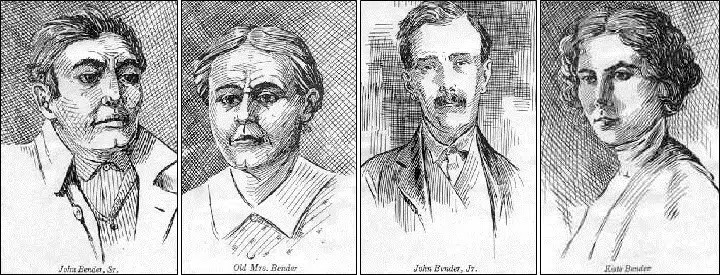
The Bloody Benders are usually linked to Kansas, where the family allegedly murdered travelers in the early 1870s. Still, Texas became part of the legend because of the many rumored sightings and escape stories that followed.
The Benders operated an inn and general store near the Osage Trail. Travelers disappeared in the area, and when investigators searched the property, they found bodies buried nearby. The family had already vanished. Their escape turned the case into one of the great crime mysteries of the American frontier.
Over the years, rumors placed members of the Bender family in Texas. Some claimed they had passed through the state. Others believed they had settled under new names. These stories were never fully proven, but Texas frontier communities were fertile ground for such legends. Remote settlements, false identities, and weak law enforcement made escape stories seem possible.
The Texas connection matters because it shows how crime legends moved across the frontier. News traveled through newspapers, word of mouth, wanted posters, and campfire gossip. A mysterious family of killers disappearing into the West was exactly the kind of story people repeated.
The Bloody Benders may not have committed their known crimes in Texas, but their legend found a home there. In frontier Texas, people understood the danger of isolated roads and strangers with hidden motives. That made the story feel close, even when the facts pointed elsewhere.
John Wesley Hardin And The Making Of A Gunfighter Legend
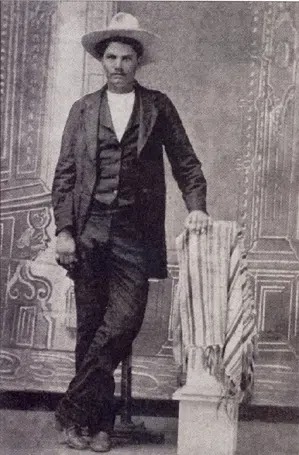
John Wesley Hardin is one of the most famous outlaws associated with Texas. Born in Bonham in 1853, Hardin grew up during a violent period marked by Reconstruction, political conflict, and personal feuds. By his own account, he killed many men, though historians debate the exact number.
Hardin’s crimes began when he was young. He became involved in shootings, escapes, and disputes across Texas. He was eventually captured and sent to prison for murder. After his release, he studied law and tried to rebuild his life, but violence followed him. In 1895, he was shot and killed in El Paso by John Selman, another man with a violent reputation.
Hardin became a legend because his life fit the popular image of the Texas gunfighter. He was dangerous, quick-tempered, and proud of his reputation. Newspapers and later writers turned him into a symbol of the Old West, though the reality was far less glamorous. His victims were real people, and many of his shootings came from arguments, grudges, or reckless violence.
Local legend often softens men like Hardin into colorful characters. That can make the past easier to tell, but it can also hide the damage they caused. Hardin’s story is important because it shows how crime and fame became tangled in frontier Texas.
In many towns, the line between outlaw, folk figure, and feared killer could become blurry. Hardin stands at the center of that uneasy history.
The Fence Cutting Wars Of The Texas Range
Not every legendary Texas crime involved one person or one murder. Some grew from larger conflicts. The Fence Cutting Wars of the 1880s were a perfect example.
As barbed wire spread across Texas, ranchers began fencing land that had once been open range. This created serious tension. Small ranchers, farmers, cowboys, and larger landowners clashed over access to water, grazing land, and public routes. In many areas, cutting fences became a form of protest and retaliation.
Fence cutting was a crime, but it was also a political statement. Men rode at night, cut wire, damaged property, and sometimes left warnings. Violence followed. Livestock escaped. Armed guards patrolled ranches. Communities divided over who had the right to control the land.
The state eventually passed laws to stop fence cutting and calm the conflict. Still, the Fence Cutting Wars became part of Texas legend because they captured a major turning point. Open-range Texas was giving way to enclosed private property. A way of life was changing, and many people resisted.
This chapter of Texas crime history is often remembered through ranching folklore. It shows how property law, land ownership, and economic pressure could lead ordinary people into criminal acts. The legend is not about one villain. It is about a society arguing over what Texas would become.
Belle Starr And The Outlaw Romance Of North Texas
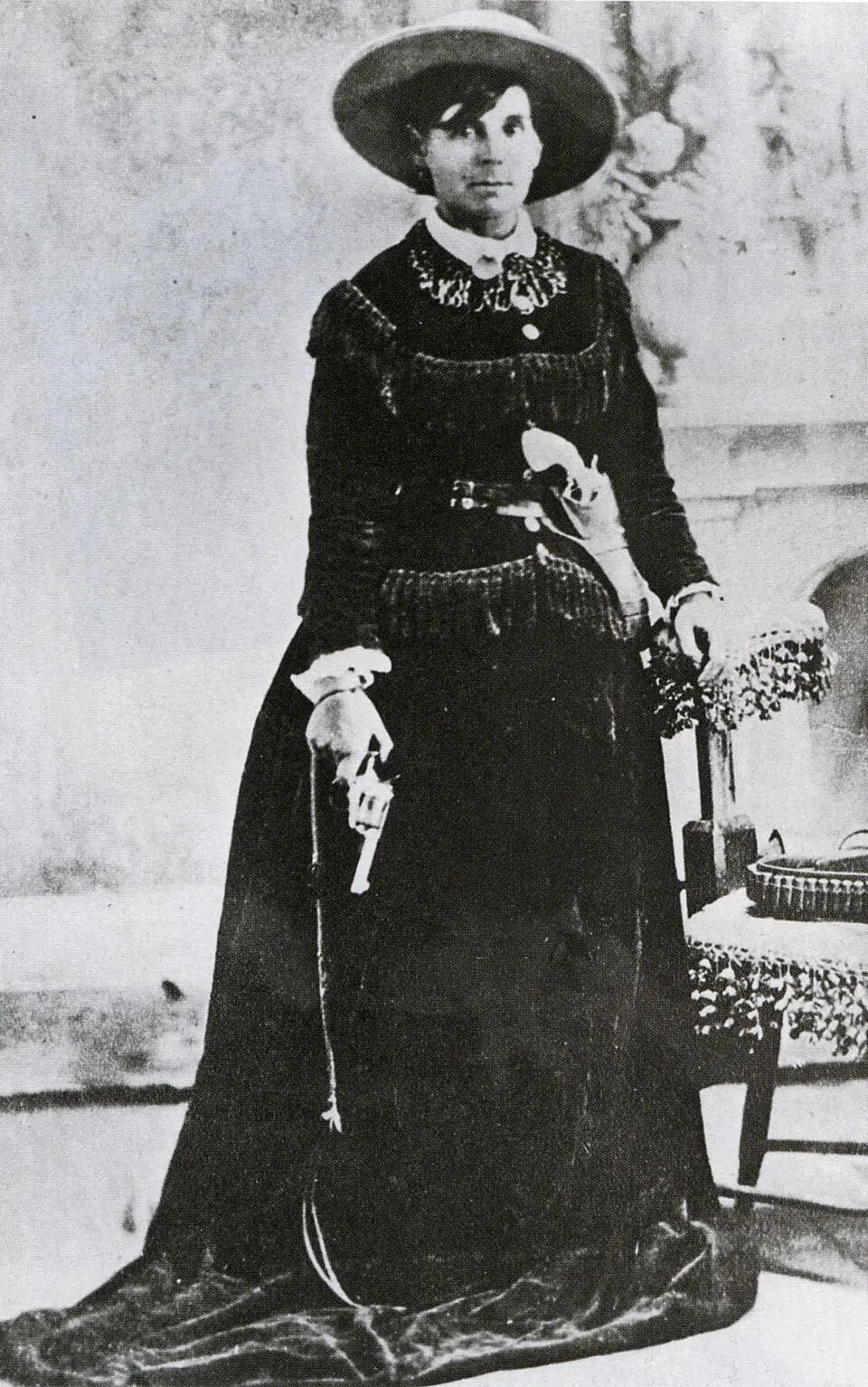
Belle Starr is often called the “Bandit Queen,” though her legend is larger than the documented facts. She was born Myra Maybelle Shirley in Missouri and later became connected with outlaw circles in Texas, Indian Territory, and Arkansas.
Belle lived during a time when the borderlands between Texas and Indian Territory attracted fugitives, horse thieves, bootleggers, and gangs. She was associated with men involved in criminal activity, including members of the James and Younger circles. She herself was convicted of horse theft in the 1880s and served time.
Her Texas legend grew because she seemed to represent a different kind of outlaw figure. She was a woman in a male-dominated criminal world, and newspapers loved the image. Over time, stories portrayed her as elegant, dangerous, mysterious, and fearless. Some of those details were exaggerated, but they helped turn her into a folk character.
Belle Starr’s connection to Texas remains strongest in the Red River region and North Texas outlaw lore. Her story shows how gender shaped crime legends. Male outlaws were often described as violent rebels. Belle was presented as both criminal and curious, which made her story travel even farther.
The real Belle Starr was likely more complicated than the legend suggests. She lived in unstable places, made risky choices, and became famous partly because newspapers knew readers wanted drama. Her name still carries the flavor of frontier Texas crime, even when fact and myth do not always match.
The Santa Claus Bank Robbery In Cisco
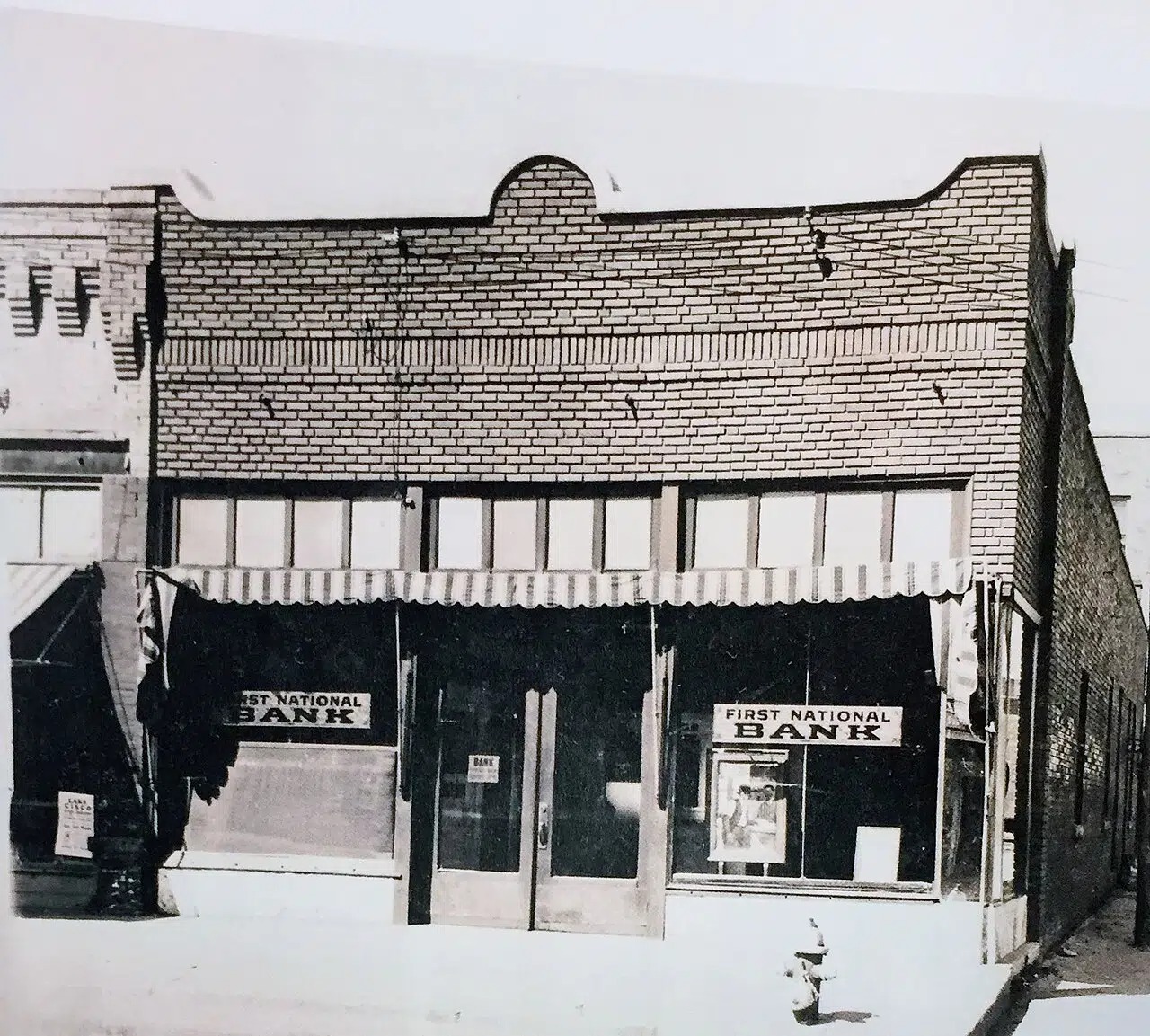
Tomgoodmanauthor, First National Bank of Cisco in 1927, CC BY-SA 4.0
One of the strangest crimes in Texas history happened in Cisco on December 23, 1927. A man named Marshall Ratliff, along with several accomplices, robbed the First National Bank. What made the crime unforgettable was Ratliff’s disguise. He dressed as Santa Claus.
The plan was bold, but it quickly fell apart. Children followed “Santa” into the bank, excited to see him. The robbery turned violent, and a gunfight broke out. Several people were killed or wounded during the chaos and the manhunt that followed.
The robbers fled, but the law caught up with them. Ratliff was later jailed. In 1929, a mob seized him from the jail and lynched him after he had attacked a jailer during an escape attempt.
The Cisco robbery became local legend because it mixed holiday imagery with shocking violence. A figure associated with joy walked into a bank and became part of a deadly crime. The contrast made the story unforgettable.
Cisco still remembers the event as one of the most bizarre bank robberies in American history. It also reflects the violent atmosphere surrounding crime and punishment in early twentieth-century Texas. The robbery was sensational, but the aftermath was grim.
The Newton Gang And The Biggest Train Robbery Of Their Time
The Newton Gang came from Uvalde County and became one of the most successful outlaw groups of the early twentieth century. Unlike some earlier gunfighters, they operated in a more modern world of banks, trains, automobiles, and national law enforcement.
The gang was made up of brothers Willis, Joe, Jess, and Dock Newton, along with associates. They robbed banks and trains across several states. Their most famous crime happened in 1924 near Rondout, Illinois, where they stole millions from a mail train. At the time, it was considered one of the largest train robberies in American history.
Their Texas roots helped feed the legend. They were often described as country boys who became professional criminals. Some stories present them as charming or clever, though their crimes were serious and dangerous. The Newtons themselves later gave interviews, which helped shape their outlaw image.
In Texas, the Newton Gang became part of the long tradition of outlaw storytelling. Their crimes came after the classic Old West era, but the public still loved tales of robbers who seemed to outsmart powerful institutions.
Their story also shows how crime changed with technology. The frontier horse thief gave way to the bank robber with a car, a gun, and inside information. The Newtons belonged to that new era, but their legend still carried the old Texas outlaw spirit.
Bonnie And Clyde’s Texas Roots
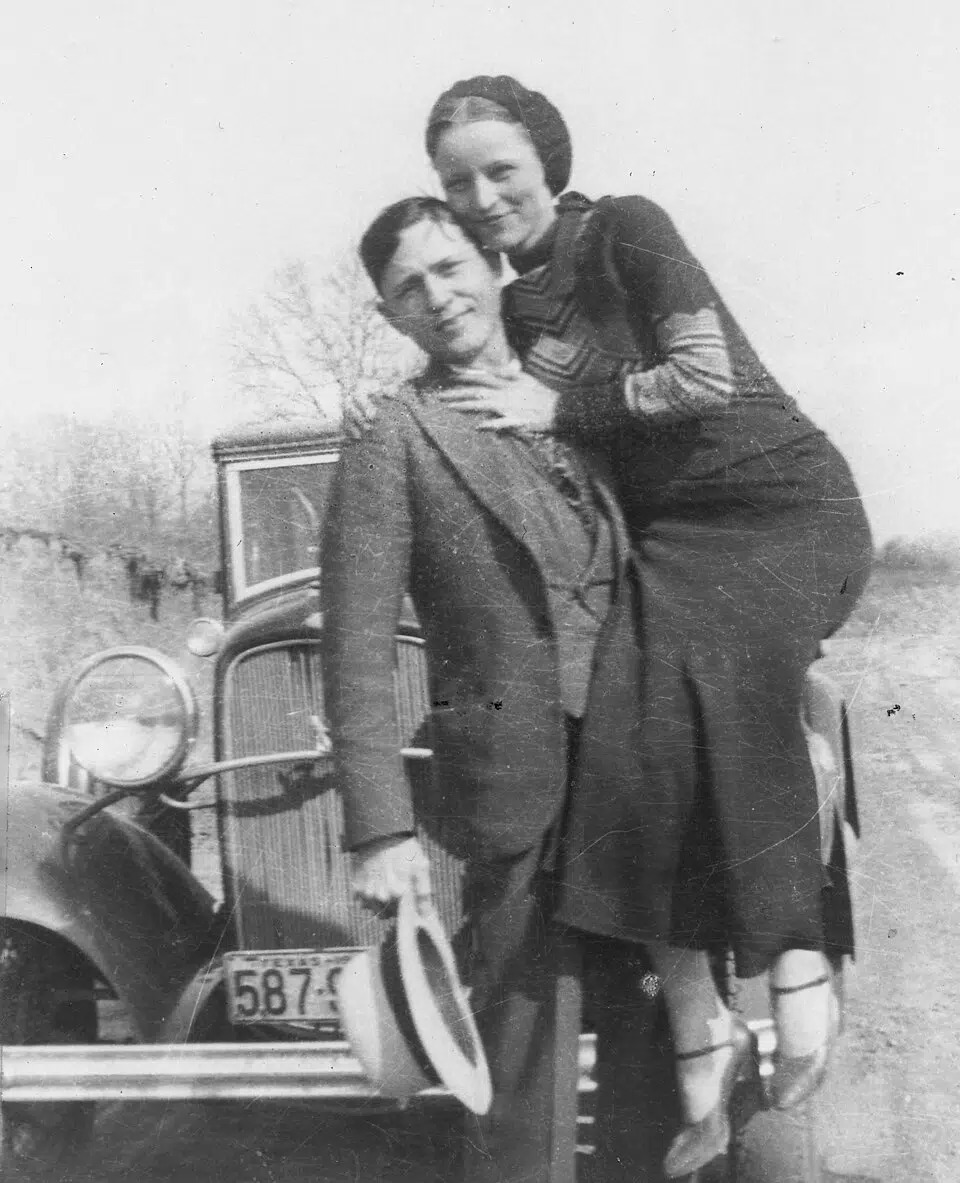
Bonnie Parker and Clyde Barrow are among the most famous criminals in American history, and their story is deeply tied to Texas. Both came from the Dallas area. During the Great Depression, they became part of a violent crime spree across several states.
Their gang robbed stores, gas stations, and banks. They killed law enforcement officers and civilians. Yet newspapers, photographs, and later films turned them into symbols of rebellion and doomed romance. That romantic image has often overshadowed the violence of their crimes.
In Texas, Bonnie and Clyde became local legend partly because they came from poor families during hard times. Many people were angry at banks, police, and the economic system. That did not make the gang heroic, but it helped explain why some members of the public became fascinated by them.
Their deaths in Louisiana in 1934 ended the crime spree, but the legend only grew. Dallas, West Dallas, and other Texas locations connected to their lives still attract interest. People visit gravesites, former homes, and places linked to the Barrow Gang.
The Bonnie and Clyde legend is a warning about how easily crime can be polished into entertainment. Their real story involved fear, grief, and loss. Still, their Texas roots remain central to the way Americans remember them.
The Phantom Killer Of Texarkana
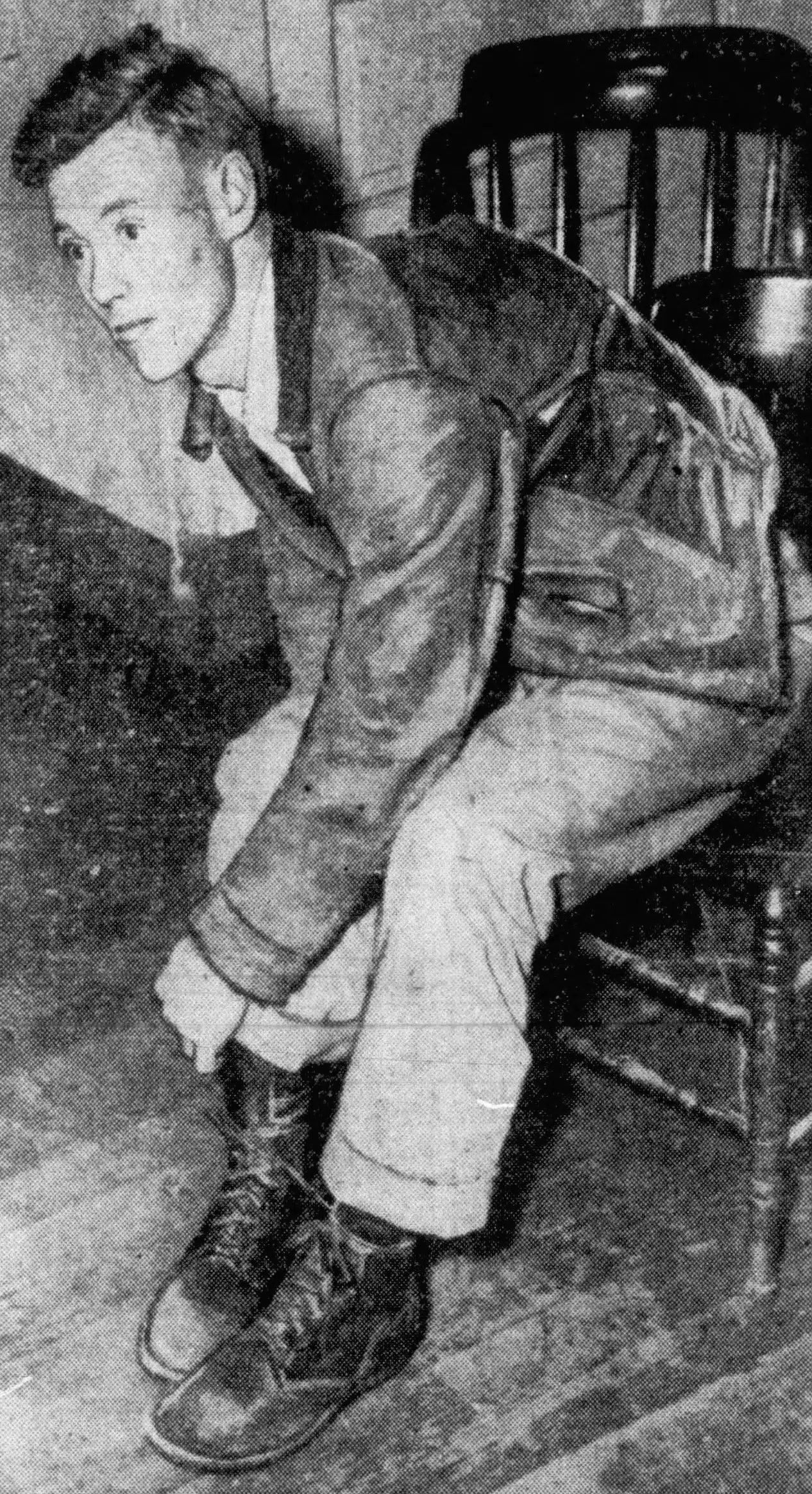
In 1946, Texarkana was shaken by a series of attacks known as the Moonlight Murders. The attacker became known as the Phantom Killer. Couples were targeted in parked cars, and several people were killed.
The crimes created panic in the border city shared by Texas and Arkansas. Residents bought guns, locked their doors, and avoided lonely roads at night. Police investigated many leads, but the case was never fully solved.
The legend grew because of the terrifying image of an unknown killer stalking lovers’ lanes. The attacks also inspired the 1976 film The Town That Dreaded Sundown, which strengthened the story’s place in popular culture.
For Texarkana, the Phantom Killer is not only a horror legend. It is part of community memory. Older residents passed down stories of fear, curfews, and suspicion. The case changed how people behaved, especially at night.
Unsolved crimes often become legends because unanswered questions leave room for imagination. In Texarkana, the mystery remains powerful because the killer was never clearly identified in court. The unknown became the most frightening part of the story.
The Cullen Davis Mansion Murders In Fort Worth
In 1976, one of the most sensational Texas crime cases unfolded in Fort Worth. The crime took place at the mansion of oil heir T. Cullen Davis. A shooting left two people dead and others wounded. Davis was accused, and the case became a media spectacle.
The trial drew national attention because it involved wealth, family conflict, divorce, and murder allegations. Davis was acquitted in the murder case. Later, he faced charges in a separate murder-for-hire case and was also acquitted.
The case became local legend because it seemed to contain every element of a Texas true-crime drama: oil money, a mansion, courtroom tension, and public fascination with the lives of the rich. Fort Worth residents followed the story closely, and it remained a subject of conversation for decades.
Unlike older frontier crimes, the Cullen Davis case unfolded in the age of television and modern media. That changed how the public experienced it. People watched, read, debated, and formed opinions in real time.
The case also raised questions about fame, wealth, justice, and public perception. It became one of the most talked-about Texas crime stories of the twentieth century.
Why These Crimes Became Legends
Historic crimes become local legends for several reasons. Some remain unsolved. Others involve shocking details that people cannot forget. A strange disguise, a vanished killer, a famous outlaw, or a town gripped by fear can turn a criminal case into a story that lasts for generations.
Texas also has a strong storytelling culture. Courthouse squares, ranch roads, newspaper archives, family memories, and local museums all help preserve these tales. Over time, each retelling can add emphasis or smooth rough edges. That is how a crime becomes folklore.
Still, it is important to remember that these stories began with real harm. People died. Families suffered. Communities changed. The legend may be interesting, but the history deserves care.
The Dark Side Of Texas Memory
Texas legends often celebrate courage, independence, and survival. Crime legends show another side of that memory. They reveal fear on the frontier, conflict over land, racial injustice, economic desperation, and the public’s fascination with violence.
From Austin’s unsolved 1880s murders to the Phantom Killer of Texarkana, these cases remind us that history is not always neat. Some questions remain open. Some stories were shaped by newspapers hungry for attention. Some criminals became famous because the public found them exciting.
That tension is exactly why these crimes still matter. They are not merely scary stories. They are windows into the times and places that produced them. They help explain how Texans lived, what they feared, how justice worked, and how memory can transform crime into legend.
The most useful way to read these stories is with both curiosity and caution. The legends are memorable, but the history behind them is even more revealing.
Comments (0)
No comments yet. Be the first to share your thoughts.
Leave a comment