


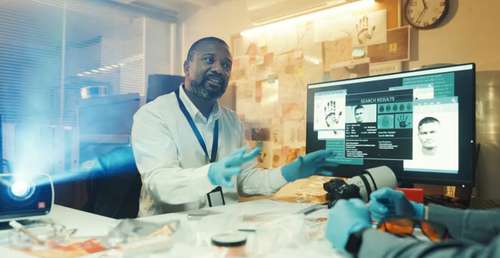
Some criminal cases turn on one small piece of evidence. A shell casing in an overlooked place. A DNA profile too limited for old testing methods. A sample preserved for decades. A scientific conclusion that later falls apart.
In Texas, several major cases show how one clue can shift the entire story. It can identify a suspect, clear the wrongfully accused, or expose weaknesses in the original investigation. Yet the ending does not always change in the way families hope. Sometimes the suspect is dead. Sometimes the courtroom moment never comes. Sometimes the case is “solved” in an investigative sense, while grief, doubt, or legal finality remains.
These cases are important because they show both the power and the limits of evidence. A clue can open the door to truth, but it cannot always deliver justice in full.
The Austin Yogurt Shop Murders
The 1991 Austin yogurt shop murders became one of the city’s most painful unsolved crimes. Four teenage girls, Jennifer Harbison, Sarah Harbison, Eliza Thomas, and Amy Ayers, were killed inside an I Can’t Believe It’s Yogurt! shop before the building was set on fire.
For years, the case moved through false starts and disputed confessions. Four young men were arrested. Two were convicted. Those convictions later unraveled, and the case became a grim lesson in how pressure, flawed interrogation methods, and weak evidence can steer an investigation in the wrong direction.
The clue that changed the case came from forensic evidence that older technology could not fully use. Austin police announced in 2025 that DNA testing had identified Robert Eugene Brashers as the suspect. Brashers was already known as a serial killer and rapist, and he had died by suicide in 1999. Investigators also pointed to other evidence, including ballistics links, that connected him to the crime scene. The Austin Police Department said the case remained open and ongoing after naming him.
That breakthrough changed the story. It moved attention away from the men long associated with the case and toward a deceased offender whose known history fit a broader pattern of violence. In 2026, the wrongfully accused men were formally cleared, a major development after decades of suspicion and legal damage.
Still, the ending remained incomplete. Brashers could not be tried. No jury could hear the evidence against him. No sentence could be handed down. For the victims’ families, the clue offered long-awaited answers, but it could not recreate the public accountability that a living defendant might have faced.
The case shows how one clue can correct the record and still leave a wound open.
The Houston Lovers Lane Murders
In August 1990, Cheryl Henry and Garland “Andy” Atkinson were killed after spending time in a west Houston area known as Lovers Lane. Their deaths shocked the city and stayed unsolved for more than three decades.
The case seemed frozen in time until DNA evidence pointed investigators toward Floyd William Parrott. In 2026, Parrott was charged with capital murder. Reports described the DNA breakthrough as the key that linked him to the long-cold case. Authorities also examined whether he might have been connected to other crimes.
That one clue changed the direction of the investigation. Parrott had not been a central suspect for most of the case’s history. Once DNA tied him to the evidence, the old file took on new meaning. A man who had lived for decades outside the public frame of the case suddenly became the accused killer.
Then the ending changed again.
Parrott died in a Nebraska jail while awaiting extradition to Texas. Officials said preliminary reports indicated suicide, though the death investigation was still beginning at the time. Prosecutors had been preparing for the next stage of the case, but his death ended the possibility of a capital murder trial.
The DNA clue mattered. It gave investigators a name. It gave families a possible answer after years of uncertainty. But the legal ending disappeared before it could happen.
That is the harsh reality of many cold cases. Science can move faster than the courts once a suspect is identified, but time has already done its own damage.
The Murder Of Terri McAdams
Terri McAdams was a 22-year-old University of Texas at Arlington student when she was killed in 1985. She was found beaten to death inside her fiancé’s apartment on Valentine’s Day. The case drew thousands of leads, but no arrest followed. For nearly 40 years, her family waited.
The clue that changed everything was DNA, but not in the simple way people often imagine. Investigators had to wait for science to catch up to the evidence. In 2021, new testing produced a suspect profile, but it did not immediately match anyone in national databases. Later, Arlington police worked with the FBI Dallas Field Office and used investigative genetic genealogy. That process led them to Bernard Sharp. A DNA sample from one of Sharp’s relatives helped confirm the match.
This was a major shift. The case moved from a mystery with no named killer to an identified suspect. Genetic genealogy gave investigators a path that traditional database searches had not provided.
But here, too, the ending was limited. Sharp was already dead. According to Arlington reporting, he died by suicide months after committing a separate double murder in 1985.
That meant there would be no confession in court, no cross-examination, and no sentence for McAdams’s killing. The case could be solved from an investigative standpoint, but not prosecuted in the ordinary way.
For families, that distinction matters. An identified suspect can bring relief. It can answer the question that haunted a case for decades. But it cannot replace the full public process of justice.
The Bastrop County Serial Assault Cases
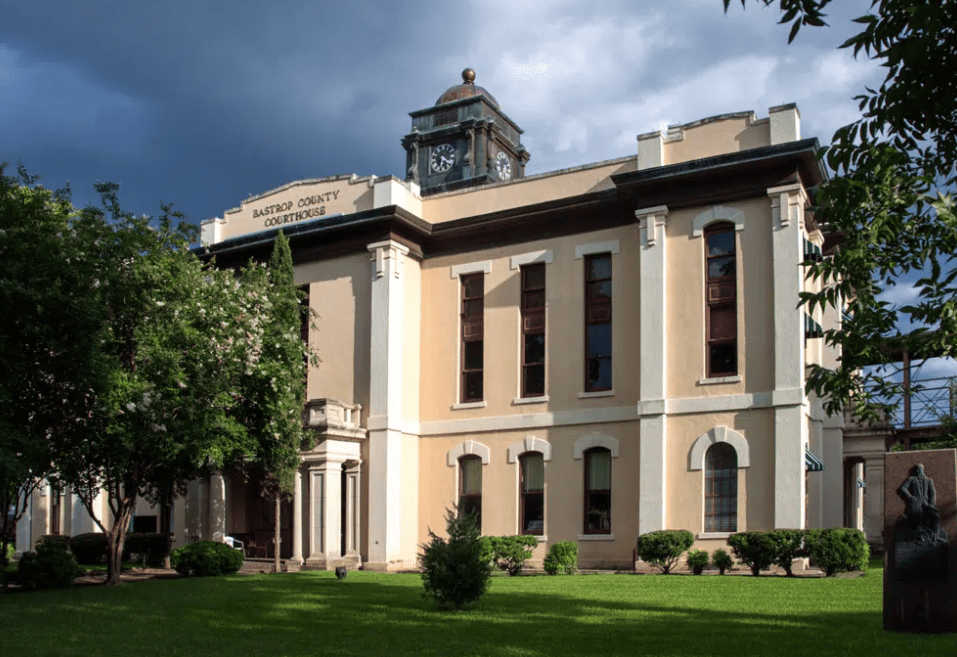
Between 1997 and 2005, several elderly women in Bastrop County were sexually assaulted. The crimes carried a similar pattern, and DNA eventually linked multiple cases. Yet investigators could not identify the attacker at the time.
The key clue was biological evidence preserved long enough for modern testing to become useful. DNA from the 2004 assault was submitted to the Combined DNA Index System, known as CODIS. By October 2004, the DPS crime lab had connected that evidence to the unsolved 1997 case. Later testing connected a third assault from 2005. Still, no name emerged.
Years later, the Texas Rangers approved the case for advanced testing. Forensic genealogy eventually identified Emory Earl McVay of Smithville as the suspect. DPS announced in 2025 that McVay, who died in 2010 at age 48, was believed to be responsible for the assaults.
The clue changed everything because it linked crimes that might otherwise have remained separate. It also showed how older evidence can gain new power when testing methods improve. A sample that once produced no suspect can later reveal a family line, then a person, then a likely answer.
But the ending remained painful. McVay was dead. The victims could not see him arrested, questioned, tried, or sentenced. The case could be closed in one sense, yet still feel unfinished in another.
These cases also show why evidence preservation matters. A cold case is only as strong as what remains available for future testing. In Bastrop County, the evidence survived long enough for science to catch up.
The Cameron Todd Willingham Case
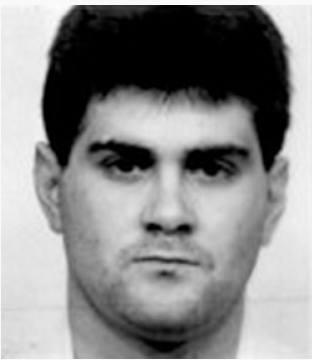
The Cameron Todd Willingham case is different from the others because the clue did not identify a new suspect after decades. Instead, the later “clue” was a change in scientific understanding.
Willingham was convicted of setting the 1991 fire that killed his three young daughters in Corsicana. He was executed in 2004. The case later became one of the most debated death penalty cases in Texas because fire science had changed. Many indicators once treated as proof of arson came under serious challenge. Fire investigators and legal advocates later argued that the original conclusions relied on outdated methods.
In this case, the clue that changed everything was not a single object found at a scene. It was the realization that what investigators thought they were seeing may not have meant what they believed it meant. Burn patterns, fire behavior, and assumptions about accelerants became central to the controversy.
That shift changed the public meaning of the case. It raised questions about the reliability of forensic interpretation. It also helped fuel broader discussions about “junk science” and criminal appeals in Texas. Recent reporting has continued to examine how Texas courts handle claims based on outdated or disputed forensic science.
But the ending could not be changed. Willingham had already been executed.
That is what makes the case so stark. New understanding can reshape a case, influence future reforms, and challenge public confidence in a verdict. Yet it cannot undo an execution.
The Willingham case remains a warning about forensic certainty. Evidence does not speak by itself. People interpret it, and those interpretations can change as science improves.
Why One Clue Can Matter So Much
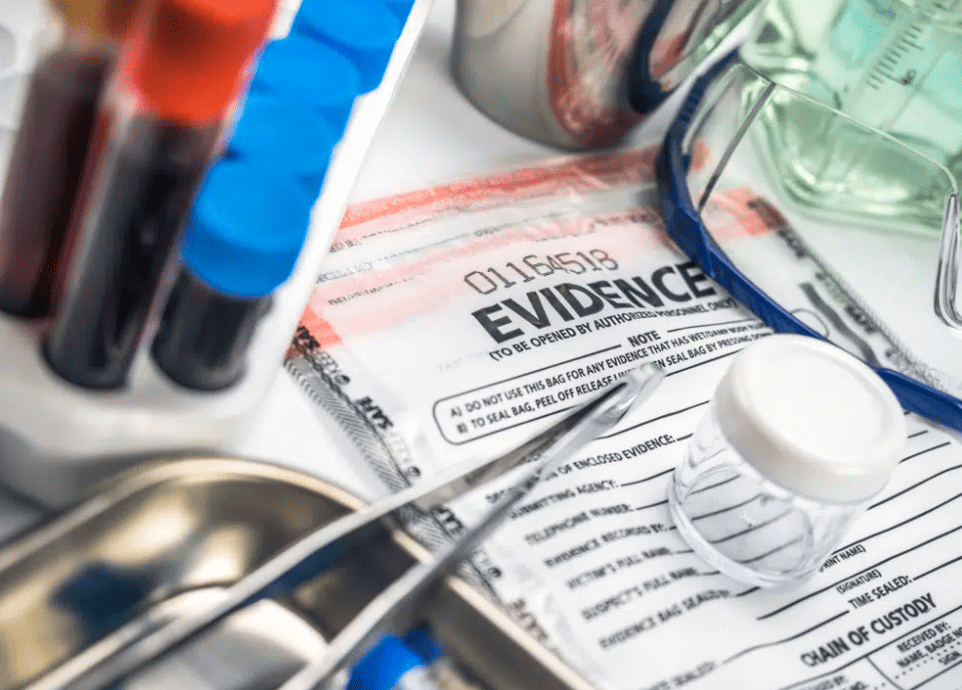
A single clue can change a case because investigations are built on direction. Once police believe they know what happened, every later step can follow that path. A clue that challenges the original direction can force a complete reassessment.
DNA evidence has become especially powerful because it can survive for decades and produce new leads through technology that did not exist when a crime occurred. Genetic genealogy has expanded that power by helping investigators move beyond direct database matches. Instead of waiting for a suspect’s DNA to appear in CODIS, investigators can sometimes identify relatives and build a family tree.
Ballistics can also shift a case, especially when shell casings, bullets, or firearms connect one crime scene to another. Even a small physical item can become important when it links a suspect to a pattern.
Scientific review can be just as important. In fire cases, shaken baby cases, bite mark cases, and other forensic disputes, the key clue may be a new understanding that old conclusions were weaker than they appeared.
Still, one clue rarely fixes everything. It must be collected properly, preserved carefully, tested accurately, and interpreted responsibly. It also needs a legal system that can respond to new information.
Why The Ending Often Stays Complicated
Cold cases carry a built-in problem: time. Witnesses die. Suspects die. Memories fade. Records get lost. Evidence degrades. Even when a breakthrough finally comes, the case may no longer be capable of a full courtroom ending.
That does not make the breakthrough meaningless. Families often want truth as much as punishment. They want to know whose name belongs in the blank space. They want the public record corrected. They want the wrongfully accused cleared.
But truth and justice are not always the same thing. A DNA match to a deceased suspect can answer a question, but it cannot produce a trial. A scientific correction can expose a wrongful conviction, but it may arrive too late to save a life. A newly discovered link can explain a pattern of crimes, but it cannot erase the years when victims lived without answers.
That is the tension at the center of these Texas cases. One clue changed the story. It changed the suspect list. It changed the way investigators, families, and the public understood the crime.
Yet the ending stayed out of reach.
The Lesson Behind These Cases
These cases show why patience, evidence preservation, and scientific humility matter. They also show why investigators must remain open to being wrong. A case can sit for decades and still move. A theory can dominate for years and still collapse. A name can remain hidden until one sample, one casing, or one new test changes the whole picture.
Texas has seen many cases where one clue brought answers long after hope seemed thin. Those answers matter. They can clear innocent people, identify the guilty, and give families a measure of peace.
But they also remind us that evidence has limits. It can reveal the truth, but it cannot always deliver the ending people deserve.
Comments (0)
No comments yet. Be the first to share your thoughts.
Leave a comment