


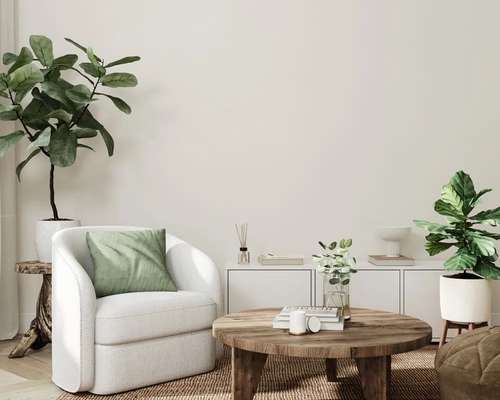
Long, hot summers are a defining part of life in Texas. Temperatures routinely climb into the 90s and beyond, and the sun’s intensity can make a home feel warmer than the thermostat reads. While high-efficiency air conditioning is essential, thoughtful interior design strategies can significantly reduce heat gain, improve comfort, and help your home feel cooler — without raising energy bills.
This guide walks through practical, stylish, and science-backed design ideas that help Texas homeowners beat the heat from the inside out. From smart color choices and window treatments to material selections and layout tweaks, these strategies make your space both functional and refreshing when summer settles in.
Why Interior Design Matters in Hot Climates
It’s easy to think of interior design as purely aesthetic — but in a hot climate like Texas, smart design also has thermal and comfort impacts. Materials, finishes, color choices, and how spaces are arranged all interact with sunlight and airflow. These details influence how heat is absorbed, reflected, or trapped inside a home.
Good design can:
- Reduce heat absorption through walls, floors, and ceilings
- Minimize radiant heat from windows
- Encourage airflow and natural cooling
- Complement your mechanical cooling system so it works less and saves energy
When you combine design with climate awareness, your home becomes easier to live in — especially during the peak of summer.
1. Choose a Cooler Palette: Light, Reflective Surfaces
Color isn’t just style — it’s strategy.
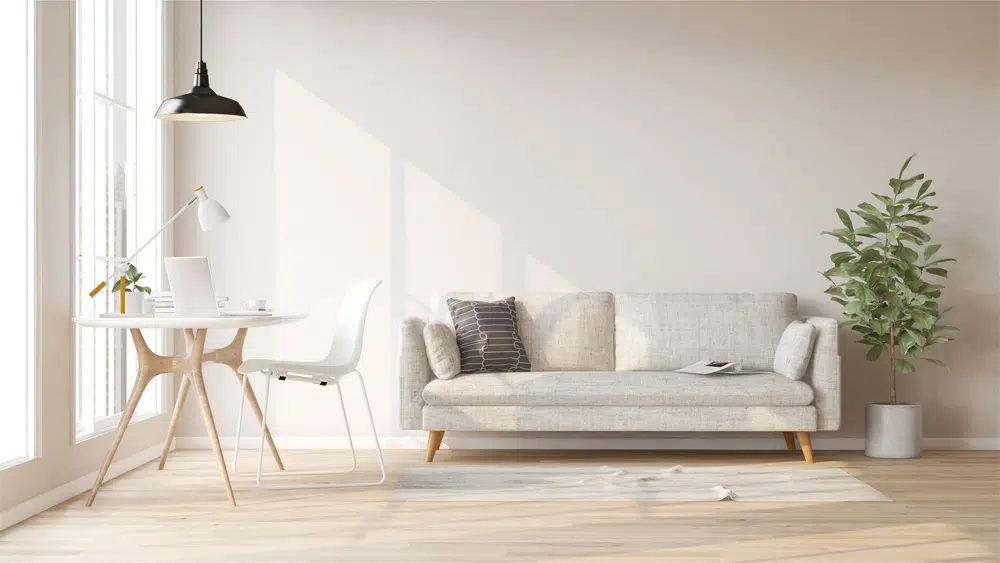
Dark, saturated tones absorb more heat, while lighter, reflective colors help deflect it. That means interior walls painted in lighter hues — soft whites, pale grays, sandy neutrals, cool beiges, and pastels — reflect more sunlight and retain less heat. A high Light Reflectance Value (LRV) paint can make a measurable difference in how warm a room feels over the course of a sunny afternoon.
Design Ideas
- Choose warm neutrals for living areas to keep spaces cozy yet cool.
- Use cooler accents (soft blues, seafoams, muted greens) that play well with light and help carry summer’s airy mood indoors.
- Avoid very dark feature walls in high-sun areas unless balanced with strong ventilation and shading.
Light colors also help interiors feel larger and brighter, which is a welcome effect during long Texas summers.
2. Window Treatments That Keep Heat Out
Windows are a major pathway for solar heat gain — especially on south- and west-facing walls. The right window coverings can dramatically reduce heat while still letting in daylight.
Best Options for Texas Heat
- Solar shades: These block a substantial amount of sunlight while preserving outdoor views.
- Cellular (honeycomb) shades: Their unique structure traps air, adding insulation and slowing heat transfer.
- Light-colored drapes or liners: Reflect heat away from the glass, especially when closed during the hottest part of the day.
- Exterior shading (cabinet awnings, pergolas, shutters): Keeps sunlight from hitting glass directly.
Practical Strategy:
Close shades or curtains before the afternoon sun peaks — even if you’ll open them later — so less radiant heat enters and your cooling system works less.
3. Flooring That Keeps Feet Cool
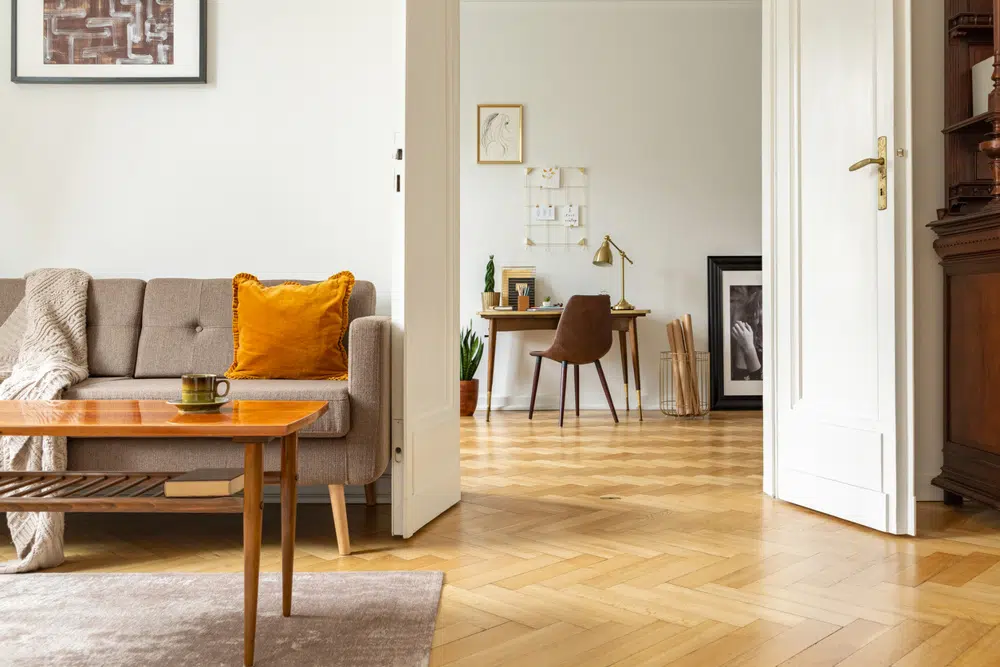
Flooring doesn’t just affect how a room looks; it influences how heat behaves at ground level. In hot climates, some flooring types hold heat, while others help interiors stay cooler.
Smart Flooring Choices for Texas Summers
- Ceramic or porcelain tile: These stay naturally cool underfoot and are ideal in living areas, kitchens, and bathrooms.
- Light-tone hardwood or engineered wood: Reflects more light than darker woods and feels more forgiving in heat.
- Natural stone: Marble, limestone, or travertine help regulate temperature — though they may feel cool to bare feet.
- Rugs as thermal tools: Layer area rugs made from natural fibers (cotton, jute, sisal) in seating areas; they add comfort without trapping heat.
Rugs near entryways can help minimize heat from outside being tracked deeper into the home.
4. Optimize Airflow With Smart Layout and Ventilation
Good airflow makes spaces feel cooler — even without turning the thermostat lower.
Placement & Natural Flow
- Arrange seating and main living zones near cross-breezes (windows or doors across from one another).
- Keep interior doors open during cool parts of the day to encourage airflow between rooms.
- Use ceiling fans set to counterclockwise in summer — they create a wind-chill effect that makes you feel cooler without lowering air-conditioning settings.
- In open-concept homes, consider strategic furniture placement that doesn’t block airflow from windows or fans.
Mechanical Ventilation Helps Too
- Exhaust fans in kitchens and bathrooms remove heat and humidity, keeping interior air lighter.
- Attic fans paired with proper insulation reduce heat buildup overhead — a major source of rising discomfort in Texas homes.
5. Materials That Resist Heat Absorption
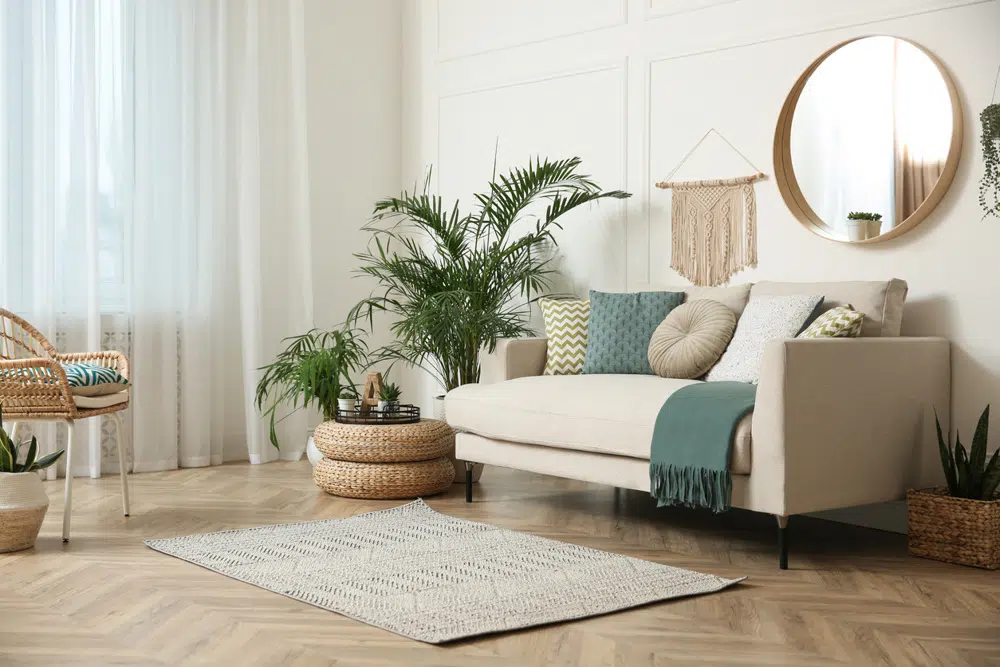
Some materials manage heat better than others. Choosing heat-friendly options helps interiors stay cooler naturally.
Wall & Ceiling Materials
- Smooth finishes: Satin or matte interior paints often reflect light more evenly than glossy surfaces that can amplify glare.
- Insulated drywall or plaster finishes: Provide subtle thermal buffering between indoor spaces and hot exterior walls.
Furniture Materials
- Light upholstery fabrics: Cotton, linen, and performance blends stay breathable and cool.
- Leather and faux-leather: Easy to clean and stays cooler than many deep-pile fabrics.
- Avoid heavy textiles in warm rooms: Thick velvet or dense weaves can trap heat and absorb warmth from sunlight.
Window Frames and Glass
- Low-E (low emissivity) glass: A modern window option that reflects infrared heat while still letting in natural light.
- Lighter frame colors: Reflect heat rather than absorb it.
6. Smart Lighting and Heat Load
Lighting affects ambiance — and heat.
- LED bulbs: Produce far less heat than incandescent or halogen bulbs while saving energy.
- Layered lighting: Use dimmers and task lighting so you can keep overall illumination lower when full brightness isn’t needed.
- Avoid heat-producing fixtures in the peak of summer, especially in small or poorly ventilated rooms.
Mindful lighting contributes to a cooler feel — both physically and visually — without compromising function.
7. Accessorize With Cooling in Mind
Small décor choices add up when it comes to how a space feels in summer.
Décor Tips for Heat Conscious Interiors
- Natural and breathable textiles: Lightweight blankets and airy curtains help rooms feel less heavy.
- Mirrors strategically placed: Reflect light and make breezes feel more lively.
- Indoor plants: Species like spider plants, palms, and ferns add life and help improve perceived air quality (though their cooling effect is subtle).
- Minimize clutter near windows: Keeps airflow smooth and prevents small hot pockets of trapped air.
These details make homes feel cool and relaxed — even when it’s boiling outdoors.
8. Plan With Zones and Functional Design
Think about how each room is used during summer:
- Morning light rooms: Orient bedrooms or morning living spaces to avoid harsh east-facing direct sun at dawn.
- Evening light rooms: Put rooms used in the late afternoon away from west-facing windows or use heavier window treatments there.
- Entertainment zones: Place entertainment seating and lounging areas in naturally cooler parts of the floor plan.
Functional layouts tailored to light patterns and daily rhythms reduce heat stress on both occupants and cooling systems.
9. Seasonal Shift Strategies
Texas summers ebb and flow — and your design can adapt.
Seasonal Adjustments
- Switch out textiles: Swap heavier throws for lighter linen or cotton options in summer.
- Rearrange for airflow: Move smaller furniture or rugs near open windows or doors to encourage cooling breezes.
- Manage sun exposure: Adjust blinds or screens seasonally to balance light with thermal comfort.
Small seasonal habits help prolong comfort without costly upgrades.
10. Integrate With Outdoor Design
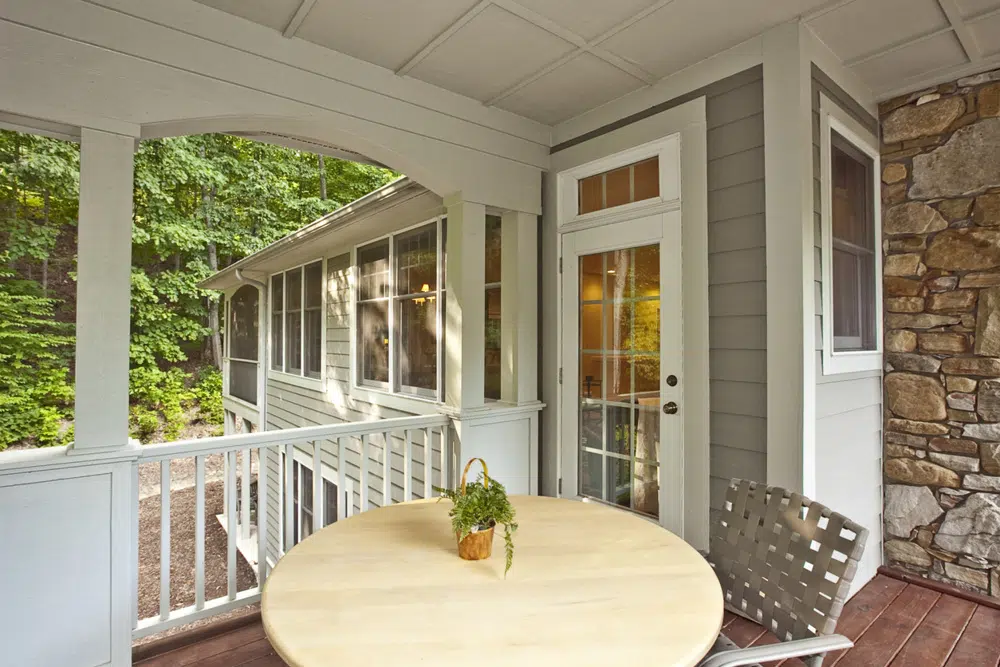
Interior comfort doesn’t stop at the front door.
Outdoor-to-Indoor Strategies
- Shade landscaping: Trees and strategic planting block sun before it reaches exterior walls.
- Covered porches and awnings: Keep direct sunlight from hitting windows during the hottest hours.
- Reflective exterior surfaces: Light-colored roofing and siding reflect sunlight upstream of the interior design.
When interior and exterior strategies align, your whole home performs better in the heat.
Final Thoughts
Texas summers demand thoughtful design — but that doesn’t mean sacrificing style for comfort. With a heat-conscious interior strategy, you can create spaces that feel cool, inviting, and well-tuned to the climate. From light palettes and smart window treatments to breathable textiles, durable materials, and strategic layouts, these ideas help your home work with the heat rather than fighting it inefficiently.
A well-designed interior isn’t just pleasant — it’s practical, energy-savvy, and built for the way Texans live. Embrace these approaches, and your home will stay comfortable and stylish all summer long.
Comments (0)
No comments yet. Be the first to share your thoughts.
Leave a comment