


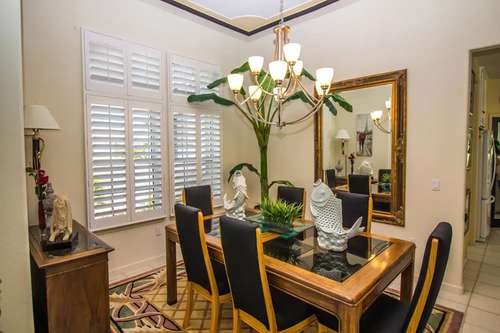
Texans know all too well how intense summer sunlight can be. From the Gulf Coast’s humid glow to the dry heat of Central and West Texas, bright sun isn’t just a backdrop — it’s a daily design challenge. Left unmanaged, direct sunlight entering through windows can turn living spaces uncomfortably warm, fade upholstery and flooring, and drive up cooling bills as air conditioners work overtime.
Whether you’re planning a redesign, updating interiors, or just trying to make summertime more comfortable, window treatments play a starring role in shading your home from Texas’s relentless sun. These solutions go beyond decoration — they improve comfort, protect your interiors, and help your home stay energy-efficient throughout the hottest months of the year.
In this feature, we’ll walk through the most effective window treatment ideas for Texas homes, explain how they work, and offer tips on choosing the best options for both style and function.
Why Window Treatments Matter in Hot, Sunny Climates
Windows connect our indoor spaces to the outdoors, but they’re also one of the biggest pathways for solar heat gain — the process where sunlight warms a room through glass surfaces. Sunlight can penetrate deep into interiors and elevate room temperatures significantly, making air conditioners struggle to keep up.
A thoughtful window treatment strategy helps you:
- Block or reduce direct sunlight before it cooks interior spaces
- Lower cooling costs by reducing heat transfer
- Protect furniture, finishes, and flooring from UV-induced fading
- Control glare and improve comfort for daily living and screen use
Given how long and intense Texas summers can be, choosing window coverings designed to manage sunlight and heat is not just smart — it’s essential.
1. Solar Shades: Modern Protection with a View
Solar shades are among the most effective treatments for homes that get a lot of direct sunlight. Made from a special mesh fabric, they’re designed to block UV radiation and reduce heat while still preserving views outdoors.
Why they’re ideal for Texas homes:
- They reduce solar heat gain without completely darkening a room.
- UV protection helps prevent fading of furniture and flooring.
- Shades come in different openness levels, so you can balance light and heat control.
Style tip: Choose lighter solar shade fabrics to reflect sunlight and keep interiors bright but cool.
2. Cellular/Honeycomb Shades: Insulation Meets Light Control
Cellular shades — sometimes called honeycomb shades — are a popular, energy-efficient choice for blocking sunlight and heat. Their distinctive cell structure traps air, creating tiny pockets of insulation that slow heat transfer through windows.
Key advantages:
- Excellent insulation performance, which helps keep cooling costs down.
- Available in a range of opacity levels from light-filtering to blackout.
- Clean, modern look that works well with many design styles.
Because of their insulating properties, cellular shades are especially useful on large, south- or west-facing windows that receive the strongest sun in Texas homes.
3. Blackout Curtains and Thermal Drapes: Layered Protection
Thick blackout curtains or thermal drapes do more than block light — they act as a thermal barrier, preventing heat from moving through the window into your living spaces.
Benefits for Texas interiors:
- Can block nearly all incoming sunlight when closed.
- Help maintain cooler room temperatures even during peak afternoon sun.
- Provide privacy and reduce glare, which is great for bedrooms and media rooms.
Design tip: Pair blackout or thermal drapes with lighter shades for flexibility — open the drapes on cloudy days or early morning, and close them when the sun intensifies.
4. Plantation Shutters: Classic Style With Practical Control
Plantation shutters offer a classic, timeless look along with excellent sunlight control. With adjustable louvers (slats), you can fine-tune how much sunlight enters a room while still maintaining airflow and privacy.
Why they work well in Texas:
- Louvers can be angled to deflect harsh sun rays while preserving views.
- They’re durable and easy to clean — helpful in humid coastal air or dusty inland climates.
- Shutters create a physical barrier between glass and interior spaces.
For a bright living room that gets deep western sun, plantation shutters let you enjoy daylight without heat build-up.
5. Window Film: Invisible but Effective
If you prefer not to cover windows with fabric or blinds, window film provides heat-blocking performance with minimal visual impact. These thin coatings adhere directly to the glass and reflect or absorb solar heat before it enters the home.
Benefits of window film:
- Blocks UV radiation and often a significant portion of infrared heat.
- Can be clear or lightly tinted for minimal change to your view.
- Protects interior finishes from fading.
Window film is an excellent option for large panes or sliding doors where traditional coverings might feel bulky.
6. Awnings and Exterior Shades: Block Sun Before It Hits Glass
Sometimes the best strategy is to stop sunlight before it even reaches the window. Exterior shading devices like awnings, pergola louvers, or exterior roller shades reduce solar heat gain by blocking direct light at its source.
Advantages:
- Prevent a large amount of solar heat from entering interior spaces.
- Can be architectural features that enhance curb appeal.
- Allow you to keep interior treatments simple while still reducing heat.
This approach works especially well on south- and west-facing windows, where afternoon sun is most intense in Texas.
7. Smart and Automated Window Solutions
Modern smart home technology lets you automate window treatments to respond to sunlight and heat in real time. Motorized shades or blinds can be set to close during the hottest hours of the day, maximizing heat blocking and minimizing AC load without manual adjustment.
Why this matters:
- Automation ensures consistent heat control even when you’re away.
- Integrating shades with smart thermostats or sensors can improve energy efficiency.
- Programs can be tailored seasonally for year-round comfort.
Smart solutions blend comfort, convenience, and energy efficiency — especially helpful in homes with tall or hard-to-reach windows.
Design and Function: Balancing Style With Sun Control
Choosing window treatments that block sunlight doesn’t have to compromise style. Here are a few design tips:
- Layer your solutions: Pair solar shades with curtains to combine heat blocking with softness and style.
- Match materials to your aesthetic: Natural fiber blinds or wood shutters add warmth, while sleek solar shades fit modern interiors.
- Consider color thoughtfully: Light-colored treatments reflect sunlight more effectively than dark ones, which can absorb heat.
- Measure windows accurately: Proper fit ensures maximum heat blocking and prevents light from sneaking around gaps.
By combining performance-focused treatments with thoughtful design, your windows can be both beautiful and thermally smart.
Maintenance and Seasonal Use
Window treatments perform best when they’re kept clean and functional. In Texas:
- Dust and pollen can accumulate quickly, especially near dusty West Texas regions or humid Gulf Coast breezes. Regular cleaning keeps shades and shutters working smoothly.
- Adjust treatments seasonally: In winter, open coverings on sunny days to let passive solar warmth in, then close them at night.
- Inspect mechanisms annually — motorized shades, tracks, and hardware need occasional tuning.
Good care extends the lifespan of your treatments and keeps them performing at peak heat-blocking efficiency.
Final Thoughts
In Texas, managing sunlight isn’t just about comfort — it’s about protecting your home, reducing energy costs, and creating interiors you can enjoy year-round. The right window treatments — from solar shades and cellular blinds to blackout curtains and innovative window films — make a measurable difference in how your home handles sun and heat.
Whether you’re living on the Gulf Coast with long, bright days or inland where afternoon sun can be relentless, thoughtful window coverings are an essential part of heat-conscious design. With the ideas in this guide, you’ll be well-equipped to keep your home cool, comfortable, and stylish — no matter how high the Texas sun climbs.
Comments (0)
No comments yet. Be the first to share your thoughts.
Leave a comment