


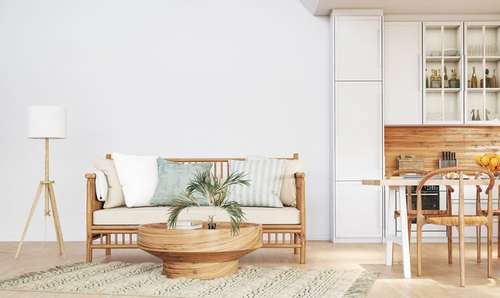
Living on or near the Gulf Coast of Texas comes with a unique lifestyle — salty sea breezes, warm sunshine, afternoons near the water, and a relaxed yet sophisticated way of living that celebrates outdoor beauty and indoor comfort. For homeowners along the Texas Gulf, interior design isn’t just about aesthetics; it’s also about creating spaces that feel breezy, resilient, and deeply connected to place.
Whether you’re updating a beach cottage in Galveston, a bayside home in Port Aransas, or a serene bayfront retreat near Corpus Christi, the latest coastal design trends blend classic seaside style with modern sensibilities.
In this guide, we’ll explore current ideas shaping Coastal Texas interiors — from calming palettes and natural materials to functional layouts and thoughtful décor — all rooted in comfort, durability, and a relaxed Gulf Coast vibe.
Why Coastal Design Matters in Gulf Homes
Coastal interior design for Gulf homes is more than a look: it’s a lifestyle. Homes near the water face sunlight, humidity, salt air, and occasional storms, so choosing the right materials, colors, and layouts isn’t just decorative — it’s practical. Interiors that reflect coastal living also help you feel calmer and more connected to the landscape, whether that’s a view of the waves, the glint of sunshine on the bay, or the quiet rhythm of coastal breezes.
Gulf Coast design traditions emphasize indoor-outdoor living, relaxed elegance, and purposeful spaces that embrace natural light and views. These elements come together in trends that strike a balance between aesthetic harmony and everyday function.
1. Calm, Muted Palettes: Soft Colors That Set the Mood
One of the strongest trends in coastal design is a move toward calmer, muted palettes that feel softer and more grounded than the classic navy-and-white beach house look. Instead of leaning purely on crisp whites and blues, designers are incorporating tones inspired by the Gulf Coast landscape itself.
Popular Coastal Color Schemes for 2026
- Sandy Neutrals: Think oyster shell, driftwood gray, and soft beige — hues that echo dunes and shoreline textures.
- Muted Sea-Spray Greens: Subtle greens that reflect coastal marshes and grasses without dominating a space.
- Soft Contrasts: Deeper accents — such as rust or deep indigo — bring depth without feeling overwhelming, especially when paired with natural neutrals.
These colors soothe the senses and anchor interior spaces in nature while still feeling fresh and modern. Using this palette on walls, furniture, and textiles helps rooms feel open, serene, and suited to coastal light and vistas.
2. Natural Materials with Coastal Resilience
Materials in Gulf homes need to stand up to humidity, sunshine, and salt air, but that doesn’t mean sacrificing style. Insisting on natural, enduring materials is a trend that blends beauty with practicality.
Textures and Finishes That Work
- Light Woods and Driftwood Finishes: These bring warmth and softness to interiors while resisting the stark glare that can come from solid white surfaces.
- Woven Fibers: Rattan, seagrass, wicker, and jute add texture and tactility. They’re ideal for chairs, baskets, light fixtures, and area rugs that balance coastal softness with casual comfort.
- Natural Stone and Textured Plaster: In kitchens, bathrooms, and floors, stone or plaster surfaces echo beach pebbles and mineral tones found along the coast — durable choices that feel organic.
Pairing these materials with muted coastal palettes creates interiors that feel rooted in texture and natural beauty — livable spaces that invite you to slow down and enjoy.
3. Seamless Indoor-Outdoor Living
Many Texas Gulf homes are designed around a rhythm of outdoor life — morning coffee on a breezy porch, entertaining on a shaded patio, or dining with bay views. Interior design trends are reflecting this with spaces that flow easily outdoors.
Design Tips for Indoor-Outdoor Harmony
- Expansive Glass Doors: Large sliding or folding doors help dissolve barriers between the living room and outdoor decks or patios, letting natural light and fresh air in.
- Coordinating Flooring: Using similar materials or tones indoors and outdoors — such as warm-wood look tiles — unifies spaces.
- Outdoor-Ready Furnishings: Durable textiles and furniture pieces extend style into exterior living areas without sacrificing comfort.
This trend isn’t just about aesthetics — it’s about living with the environment, making your home feel larger and more connected to its setting.
4. Functional, Flexible Layouts
Because Gulf homes often serve multiple roles (primary residence, vacation retreat, multi-generational living), interiors are trending toward flexible, adaptable layouts.
Spaces That Shift with You
- Open Floor Plans With Defined Zones: Living, dining, and kitchen areas that flow into one another but maintain purposeful function.
- Multi-Use Rooms: Spaces that serve as guest quarters, offices, or play zones, with design elements that are cohesive yet versatile.
- Built-In Storage Solutions: Clever cabinetry and built-ins keep spaces feeling clean and open — important in coastal homes where sand, gear, and everyday life can create clutter.
This trend recognizes that how you use a space matters as much as how it looks — and in coastal living, versatility is a design asset.
5. Calm, Curated Coastal Décor
Gone are the days when coastal interiors meant overdone nautical motifs and kitschy beach trinkets. Today’s coastal décor is more curated, subtle, and sophisticated.
Decor Elements with Purpose
- Organic Sculptures and Sea-Inspired Art: Art pieces that evoke water, light, or sand without relying on literal motifs feel timeless.
- Handmade Ceramics and Textiles: Local or artisanal pieces introduce texture and craftsmanship, grounding spaces in character.
- Statement Lighting: Sculptural fixtures in organic materials elevate coastal rooms with artistic flair.
- Natural Greenery: Potted palms, dracaena, or sea grape plants bring life indoors while nodding to tropical and subtropical landscapes.
The idea is to suggest coastal living through textures and forms rather than cliché beach symbols — a trend that feels both modern and enduring.
6. Durability Meets Style: Smart Coastal Choices
Living by the Gulf means materials and finishes need to work as hard as they look. It’s not just about style — it’s about weather resistance, longevity, and ease of care.
Practical Coastal Design Strategies
- Sun-Resistant Fabrics: UV-resistant textiles and fade-resistant finishes help keep interiors vibrant despite strong coastal sunlight.
- Moisture-Tolerant Surfaces: Engineered woods, quality tiles, and moisture-resistant paints help interiors stand up to humidity without losing charm.
- Easy-Care Rugs and Flooring: Low-pile rugs, entry mats, and durable flooring help manage sand, water, and daily traffic common near the coast.
When style and practicality go hand-in-hand, you get coastal interiors that are beautiful and built to last.
Final Thoughts
Coastal Texas design for Gulf homes continues to evolve — moving from expected nautical themes to calmer palettes, natural materials, seamless indoor-outdoor living, and spaces that are both stylish and practical. These trends reflect how homeowners live by the water: with ease, comfort, and a connection to nature, without sacrificing modern comfort or sophistication.
If you’re renovating, updating, or building new, leaning into these ideas will help your home feel grounded in its Gulf Coast setting — a sanctuary where every detail feels thoughtful, intentional, and timeless.
Comments (0)
No comments yet. Be the first to share your thoughts.
Leave a comment