


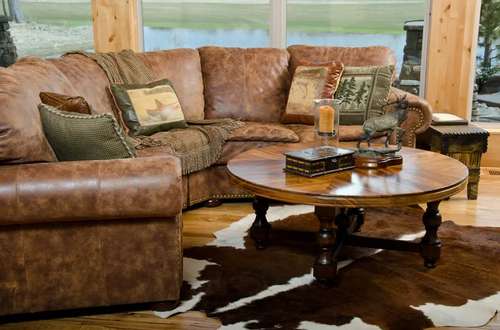
There’s something unforgettably warm and welcoming about Western-inspired décor. Maybe it’s the rustic textures that echo wide-open landscapes, the layered warmth of natural materials, or the subtle nods to heritage and frontier spirit that feel uniquely Texan. Whatever draws you to this aesthetic, Western décor can transform a home into a space that feels both grounded and stylish — combining rugged charm with thoughtful design.
Whether you live in a Hill Country farmhouse, a Craftsman in Dallas-Fort Worth, or a ranch retreat near Lubbock, Western-inspired décor is adaptable, timeless, and incredibly inviting. In this guide, we’ll walk through how to bring Western flair into every room of your Texas home — from key materials and color palettes to furniture, textiles, lighting, and finishing touches that make this style feel intentional, not kitschy.
What Makes Décor “Western”?
Before jumping into ideas, it helps to define what “Western-inspired décor” means in a modern context. At its core, the style celebrates:
- Natural materials like wood, leather, stone, and metal
- Warm, earthy color palettes drawn from desert landscapes, sunbaked earth, and open skies
- Textured accents and handcrafted elements that evoke heritage and craftsmanship
- A balance of rustic and refined — rugged roots with modern sensibility
This isn’t cowboy kitsch or themed kitsch; it’s a layered, thoughtful expression of place and personality that feels right at home in Texas.
Build Your Palette: Warm, Earthy, and Timeless
A Western palette starts with nature. Think of the landscapes that define the region: rust-red clay, pale limestone, sandy scrub, deep canyon shadows, and big Texas skies.
Base Colors:
- Warm neutrals: sandy beige, cream, taupe, warm gray
- Earth tones: terracotta, rust, clay, ochre, muted olive
- Deep accents: charcoal, navy, leather brown
These tones create a comfortable, grounding foundation that’s easy to live with and versatile across room types. Neutral walls provide a calming backdrop for Western accents, while deep or saturated hues make excellent accent walls or architectural highlights.
Lighting Tip: Warm paint tones pair beautifully with natural light, but be mindful of north-facing rooms where a bit more warmth in your palette keeps spaces feeling cozy.
Natural Materials That Tell a Story
Materials anchor Western décor. They bring texture, history, and a sense of authenticity that transforms a house into a home.
Wood — the Heart of Western Style
Wood is everywhere in Western interiors. Reclaimed barn wood, wide plank flooring, live-edge tables, and exposed beams instantly communicate warmth and character. Pair lighter woods like cedar or pine with darker finishes like walnut or reclaimed oak to add depth and visual interest.
Leather — Timeless and Durable
Nothing says Western quite like well-worn leather. Leather sofas, club chairs, ottomans, or accent stools introduce tactile richness. Over time, quality leather only gets better, developing a patina that adds to its charm.
Stone and Brick — Natural Anchors
Fireplace surrounds, stone accent walls, and brick details echo the rugged terrain of the West. These materials not only look beautiful but also vary texture and scale, grounding your space.
Metal — From Functional to Decorative
Wrought iron, oil-rubbed bronze, and brushed brass work beautifully in Western décor. Use metal in lighting fixtures, hardware, furniture bases, and décor accents to add warmth and subtle contrast against wood and stone.
Furniture That Feels Both Rustic and Refined
Western style doesn’t mean rough or unpolished; it’s about intentional choices that feel welcoming and durable.
Core Furniture Pieces
- Plank-top dining tables: A substantial wooden table becomes the heart of family gatherings.
- Leather seating: Choose classic silhouettes — club chairs, sofas with simple lines — that balance rustic material with modern form.
- Rustic-modern bed frames: Wooden bed frames with clean lines work in bedrooms from ranch to contemporary.
- Accent pieces with character: Cabriole leg tables, trunks used as coffee tables, or benches with woven tops add personality without clutter.
Scale and Proportion
Western décor loves big, comfortable furniture — but make sure the scale matches your room. Oversized pieces in small rooms can feel crowded; too-small furniture in large spaces loses impact. Find pieces that “breathe” with the room’s proportions.
Textiles That Add Layered Comfort
Textiles play a huge role in Western décor by softening hard materials and adding pattern and warmth.
Rugs
Layered rugs — especially natural fiber jute layered with wool or patterned area rugs — create grounding layers underfoot. Southwest-inspired patterns, tribal prints, or muted geometrics bring character without overpowering.
Throws and Pillows
- Wool and chunky knit throws add warmth on chilly evenings.
- Leather or suede pillows echo Western textures.
- Patterned pillows with tribal or geometric motifs add visual interest and tie multiple colors together.
Curtains and Drapery
Choose materials that let in soft light while adding softness — linen blends, cotton canvas, or weighted drapery in warm neutrals keep rooms feeling open and cozy.
Lighting: Functional Warmth with Western Flair
Lighting should feel as purposeful as it is beautiful.
Statement Pendants and Chandeliers
- Wrought iron chandeliers — rugged yet refined — make great focal points in dining rooms and entryways.
- Barn-metal or antler-inspired fixtures bring Western character without feeling theme-park-themed.
Layered Lighting
- Table and floor lamps with warm bulbs keep living spaces cozy.
- Wall sconces in aged metal add subtle accent lighting and texture.
Natural Light
Whenever possible, embrace large windows and open spaces. Natural light enhances warm palettes and showcases texture in wood, stone, and textiles.
Art and Decorative Accents
It’s the details that make Western décor feel intentional and personal.
Art and Wall Décor
- Landscape photography or paintings inspired by Texas plains, canyons, and big skies
- Framed textile art or woven pieces that reflect natural fibers and patterns
- Vintage maps or rustic signage that speak to local culture
Mirrors, Buckets, and Baskets
- Metal or wooden framed mirrors bounce light and add dimension.
- Woven baskets in natural fibers serve as both storage and texture points.
- Antique buckets or vintage ranch tools displayed thoughtfully can be conversation pieces.
Plants and Greenery
Natural greenery — succulents, tall grasses, potted olive trees — softens heavy materials and breathes life into Western interiors.
Bringing Western Style into Specific Rooms
Here’s how Western décor translates room by room:
Living Room
Start with a sturdy leather sofa and a reclaimed wood coffee table. Layer with textured rugs and throws, add statement lighting, and finish with art that reflects wide-open landscapes or local heritage. Arrange seating around a stone fireplace if possible — a true Western focal point.
Kitchen
Wood cabinetry paired with metal hardware sets a warm tone. Open shelving with stone countertops and handcrafted pottery softens the room. Consider a large plank island with seating that invites casual conversation.
Bedroom
Soft linens in warm neutrals, leather benches, and wood frames create restful, grounded spaces. Add layered rugs and simple window treatments to keep the room light and inviting.
Dining Room
A long plank table, mixed wooden chairs, and a wrought iron chandelier create the perfect blend of rustic and refined. Add simple greenery and natural woven placemats for a complete look.
Keeping Western Style Fresh, Not Themed
It’s easy for Western décor to drift into costume if elements are overplayed. Here’s how to keep your space authentic and stylish:
- Balance rustic and modern: Pair reclaimed wood with clean-lined furniture. Let heavy textures meet simple silhouettes.
- Limit novelty pieces: One or two standout Western accents go farther than cluttered cowboy memorabilia.
- Focus on quality materials: Authentic materials — honest wood, genuine leather, quality textiles — outlast trends.
- Anchor with neutrals: Use earthy base tones with accent colors to maintain cohesion and flexibility.
Practical Tips for Everyday Living
Western-inspired rooms should feel lived-in and comfortable, not staged.
- Choose durable fabrics if you have pets or kids. Canvas, leather, and wool wear well over time.
- Think about maintenance: Natural materials are beautiful, but some — like unfinished wood — may need occasional care.
- Allow space to breathe: Don’t overcrowd rooms with too many large pieces; Western style thrives on simplicity and openness.
Final Thoughts
Western-inspired décor is more than a look — it’s a feeling. It’s about bringing the spirit of wide-open landscapes, rugged textures, and warm, inviting materials into spaces where life unfolds naturally. Whether you’re updating a ranch house or adding Western flair to a suburban home, this style creates interiors that are warm, layered, and unmistakably grounded in place.
With thoughtful choices in materials, color palettes, furniture, and accents, you can create a Western aesthetic that feels authentic, versatile, and timeless — the perfect backdrop for everyday life in Texas.

Comments (0)
No comments yet. Be the first to share your thoughts.
Leave a comment