


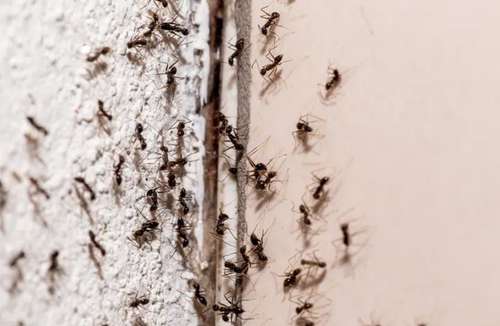
Living in Texas comes with a lot of perks. Wide open spaces. Warm weather. Long outdoor seasons. Backyard cookouts almost year-round. But anyone who has lived here long enough knows that sharing space with certain pests is part of the deal. Fire ants, wasps, and scorpions are especially common around Texas homes, and each one brings its own challenges.
These pests are not just annoying. They can pose real risks to comfort, safety, and peace of mind. Fire ants can overtake a yard quickly. Wasps can become aggressive if their nests are disturbed. Scorpions may sneak indoors without warning. The good news is that most problems can be managed with the right knowledge, prevention steps, and timely action.
This guide breaks down what Texas homeowners need to know about these three pests. You will learn how to identify them, why they show up, how to reduce their presence, and when it makes sense to call in professional help.
Why These Pests Are So Common in Texas
Texas offers near-perfect conditions for many insects and arachnids. Long warm seasons allow pests to stay active for much of the year. Mild winters often fail to reduce populations significantly. Add suburban growth, irrigation systems, and plenty of shelter options, and pests find plenty of reasons to move in.
Fire ants thrive in open soil and lawns. Wasps look for protected nesting spots around structures. Scorpions seek shelter from heat and predators. Homes, garages, patios, and landscaping unintentionally provide all three.
Understanding this helps explain why even clean, well-maintained homes can still experience pest issues. It is not about poor housekeeping. It is about the environment, climate, and opportunity.
Fire Ants Around Texas Homes
Identifying Fire Ants
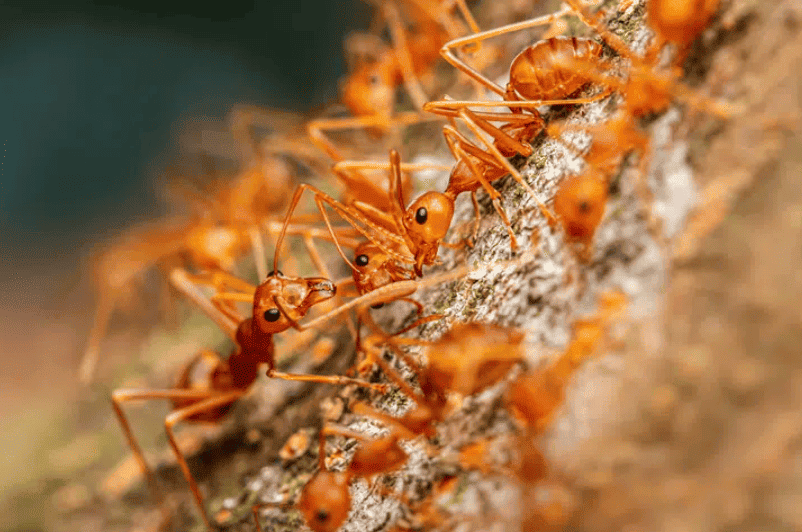
Fire ants are small, reddish-brown ants that build raised mounds in lawns, gardens, and open soil. Their mounds may appear suddenly, sometimes overnight. Unlike many ants, fire ants are aggressive when disturbed.When their mound is stepped on or damaged, they swarm quickly. Multiple ants sting at once, injecting venom that causes a burning sensation. The sting often develops into a white pustule within a day.
Fire ants are most active during warm weather but can be present year-round in many parts of Texas.
Why Fire Ants Are a Problem
Fire ants pose more than a minor nuisance. Their stings are painful and can be dangerous for children, pets, and anyone with allergies. They can interfere with outdoor activities and damage lawns and gardens.
Fire ants also invade electrical equipment, irrigation boxes, and outdoor wiring. This can lead to costly repairs.
Because colonies spread quickly, ignoring early signs often leads to larger infestations that are harder to control.
Where Fire Ants Like to Nest
Fire ants prefer sunny, open areas with loose soil. Common locations include:
- Lawns and grassy fields
- Flower beds and gardens
- Near sidewalks, driveways, and patios
- Around fence lines
- Near foundations and utility boxes
They may also nest under rocks, logs, or debris.
Preventing Fire Ant Problems
Prevention focuses on reducing attractive nesting areas and monitoring early activity.
- Keep lawns mowed regularly
- Avoid overwatering, which softens soil
- Remove yard debris and wood piles
- Seal gaps around foundations and utility entry points
- Inspect the yard often, especially after rain
Using broadcast fire ant bait in spring and fall can help reduce colonies before they grow. For more practical prevention tips, read our article on essential home maintenance and repair solutions for Texas heat, storms, and seasonal wear.
Treating Fire Ant Infestations
Small mounds can sometimes be treated with targeted bait or mound treatments. Baits are generally more effective than contact insecticides because worker ants carry them back to the colony.
Treating individual mounds without addressing surrounding colonies often leads to reinfestation. Area-wide treatment provides better long-term results.
For severe infestations, professional treatment is often the safest and most effective option.
Wasps Around Texas Homes
Common Wasps in Texas
Texas is home to several wasp species. Some are more aggressive than others.
Common types include:
- Paper wasps
- Yellowjackets
- Mud daubers
- Hornets
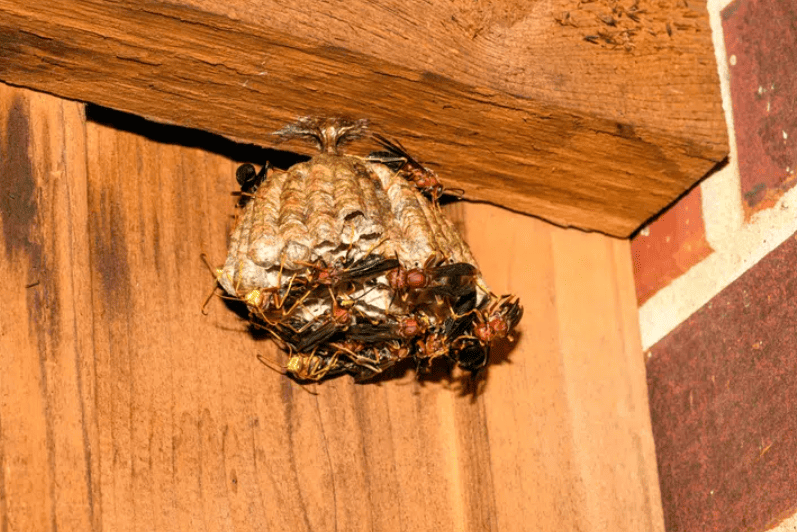
Paper wasps are the most frequently encountered around homes. They build umbrella-shaped nests under eaves, decks, and roof overhangs. Yellowjackets often nest underground and are highly aggressive. Mud daubers build tube-like nests on walls and ceilings and are less aggressive but still unwelcome.
Why Wasps Nest Near Homes
Homes offer protection from wind and rain, along with easy access to food sources. Wasps feed on insects, nectar, and human food scraps.
They are drawn to:
- Overhangs and eaves
- Decks and patios
- Attics and sheds
- Garbage cans and outdoor food areas
- Flowering plants
Once established, a nest can grow quickly during warm months.
Risks Associated With Wasps
Wasps can sting multiple times and become aggressive when they feel threatened. Stings are painful and may cause swelling, redness, and itching. For people with allergies, stings can be life-threatening.
Children and pets are at higher risk due to curiosity and unpredictable movements. Disturbing a nest accidentally can result in multiple stings.
Preventing Wasps Around the Home
Prevention involves removing nesting opportunities and reducing food sources.
- Seal gaps and cracks around siding and rooflines
- Repair damaged screens and vents
- Keep trash cans tightly sealed
- Clean outdoor eating areas promptly
- Avoid leaving sugary drinks uncovered
Inspect common nesting spots in early spring. Removing small nests early is far easier and safer than dealing with large colonies later.
Dealing With Wasp Nests
Small nests may be removed cautiously using protective clothing and appropriate insecticide, preferably at night when wasps are less active. However, this carries risk.
Large nests, hidden nests, or ground nests should be handled by professionals. Attempting removal without experience often leads to stings and incomplete elimination.
Professional treatment ensures the nest is fully removed and reduces the chance of wasps returning to the same area.
Scorpions Around Texas Homes
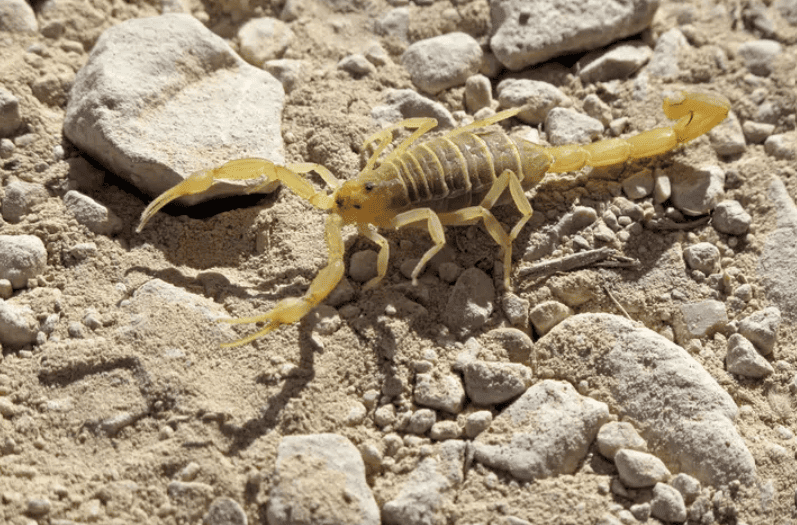 Identifying Scorpions in Texas
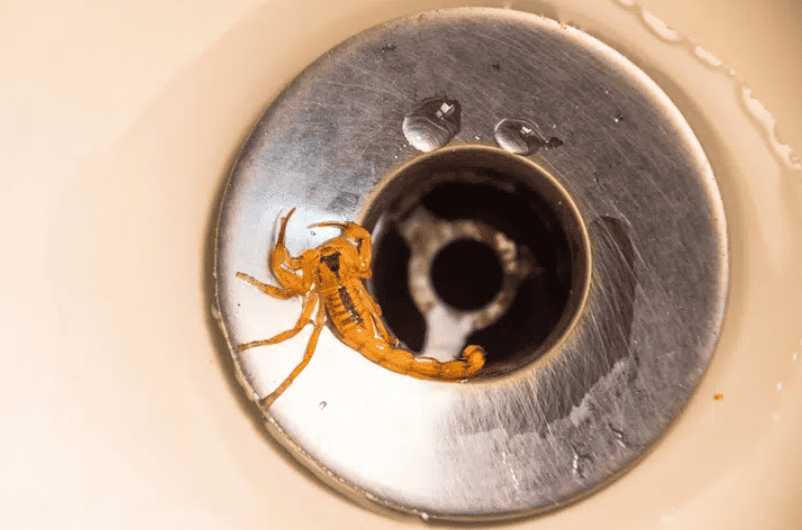
Several scorpion species live in Texas, but the most concerning is the bark scorpion. Bark scorpions are light brown and relatively small, but their sting can be medically significant, especially for children.
Scorpions are nocturnal and hide during the day. Many homeowners do not realize they have scorpions until one is spotted indoors.
Why Scorpions Enter Homes
Scorpions seek shelter, moisture, and food. During extreme heat or dry conditions, they move indoors looking for cooler environments.
They are attracted to:
- Cracks in foundations
- Gaps around doors and windows
- Cluttered garages and storage areas
- Wood piles and debris near the house
- Areas with insects
Homes with abundant insect populations are more likely to attract scorpions.
Risks Associated With Scorpions
Most scorpion stings are painful but not deadly. Symptoms may include pain, numbness, tingling, and swelling. Bark scorpion stings can cause more severe reactions.
Young children, older adults, and individuals with sensitivities face greater risks.
Scorpions can sting defensively if trapped or stepped on, often in shoes, bedding, or clothing.
Preventing Scorpions Around the Home
Prevention focuses on exclusion and reducing shelter.
- Seal cracks and gaps around doors and windows
- Install door sweeps
- Repair damaged weather stripping
- Reduce clutter in garages and storage areas
- Keep firewood and debris away from the house
- Control insects that serve as food
Using yellow outdoor lighting can help reduce insects, which in turn reduces scorpion activity.
Handling Scorpion Sightings
If a scorpion is spotted indoors, it should be removed carefully using long tools or a container. Avoid direct contact.
Repeated sightings indicate an underlying issue that needs attention. Professional pest control can identify entry points and apply targeted treatments.
Landscaping and Yard Management Tips

Outdoor conditions play a major role in pest activity around Texas homes. Fire ants, wasps, and scorpions all rely on shelter, moisture, and easy access to food. The way your yard is maintained can either discourage these pests or make the area more inviting. Small changes often lead to noticeable improvements.
Trim shrubs and trees away from the house
Overgrown shrubs and low tree branches provide shade, moisture, and protection for pests. They also create bridges that allow insects and scorpions to move closer to your home. Keeping vegetation trimmed back from walls, windows, and the roofline reduces hiding spots and limits easy access to entry points.
Avoid thick mulch layers near foundations
Mulch helps retain moisture and improve soil quality, but thick layers near the foundation can attract pests. Fire ants may nest underneath, while scorpions use mulch as cover during the day. Use thinner layers and leave a small gap between mulch and the foundation to create a less welcoming environment.
Keep grass trimmed and healthy
Tall or patchy grass creates ideal conditions for insects, which then attract predators like scorpions. Regular mowing keeps the yard less appealing for nesting and makes it easier to spot fire ant mounds early. Healthy turf also improves drainage, which helps reduce moisture-related pest issues.
Eliminate standing water
Standing water draws insects that become food for wasps and scorpions. Check for low spots in the yard, clogged drains, leaking irrigation lines, or containers that collect rainwater. Improving drainage and fixing leaks helps remove a major attraction for pests.
Remove rocks, boards, and debris
Piles of rocks, stacked lumber, fallen branches, and yard clutter create excellent hiding spots. Scorpions often shelter under these materials, while ants may build colonies nearby. Clearing debris reduces shelter and makes the yard easier to monitor for activity.
A well-maintained yard limits hiding places, reduces food sources, and makes it harder for pests to establish themselves. Combined with regular inspections and basic home maintenance, good landscaping practices form an important first line of defense against common Texas pests.
When Professional Pest Control Makes Sense
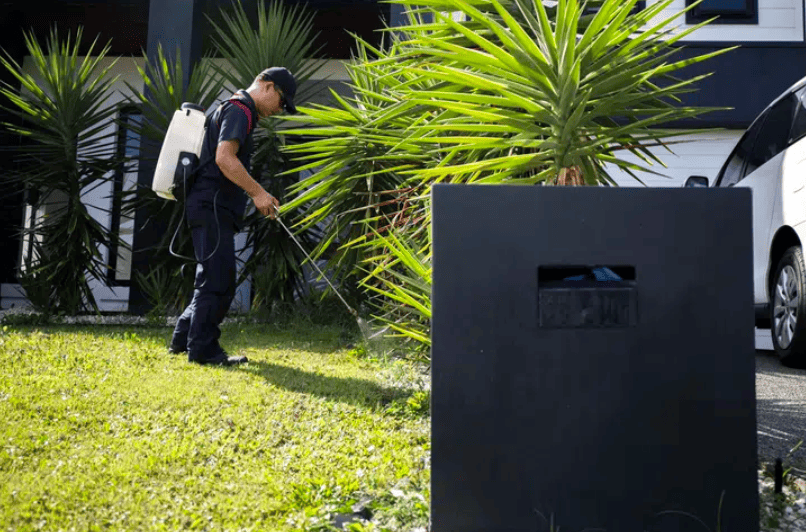
DIY methods work best for early or minor issues. However, some situations call for professional help.
Consider calling a professional if:
- Fire ant infestations are widespread
- Wasp nests are large or difficult to access
- Scorpions are appearing indoors regularly
- Stings have occurred
- Prevention efforts are not working
Professionals use targeted treatments that are safer, more effective, and longer-lasting. They also provide guidance to prevent future problems.
Living Comfortably With Fewer Pests
Fire ants, wasps, and scorpions are part of life in Texas, but they do not have to take over your home or yard. With consistent prevention, regular inspection, and timely action, most problems can be managed effectively.
Understanding why these pests show up helps you stay one step ahead. Addressing outdoor conditions, sealing entry points, and responding early reduces risks and frustration.
Texas homeowners deserve to enjoy their homes and outdoor spaces with confidence. A proactive approach makes that possible.
Comments (0)
No comments yet. Be the first to share your thoughts.
Leave a comment