


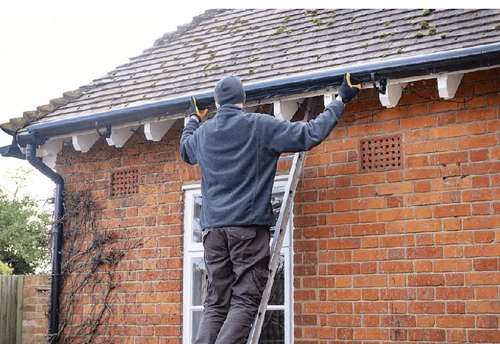
Texas weather keeps homeowners on their toes. One month brings heavy rain, the next brings extreme heat, and winter can surprise you with a hard freeze. Because conditions change fast and vary across the state, home maintenance in Texas needs a year-round approach rather than a once-a-year checklist.
This guide walks through practical, real-world maintenance steps that help protect your home from heat, humidity, storms, drought, and cold snaps. It is written for Texas homeowners who want clear advice, useful reminders, and a plan that actually fits local weather patterns.
Why Texas Homes Need a Different Maintenance Plan

Texas sits at the crossroads of multiple climate zones. Coastal humidity, Hill Country drought, North Texas hail, and sudden Gulf storms all affect how homes age. Materials expand and contract more than in milder climates. Roofs take a beating. Foundations shift. HVAC systems work overtime.
Annual maintenance helps prevent small problems from turning into expensive repairs. It also keeps your home safer, more comfortable, and more energy efficient throughout the year. If you want a deeper look at repair priorities tied to Texas conditions, our guide on essential home maintenance and repair solutions offers a helpful overview that pairs well with a seasonal checklist approach.
Spring Maintenance: Storm Prep and Recovery
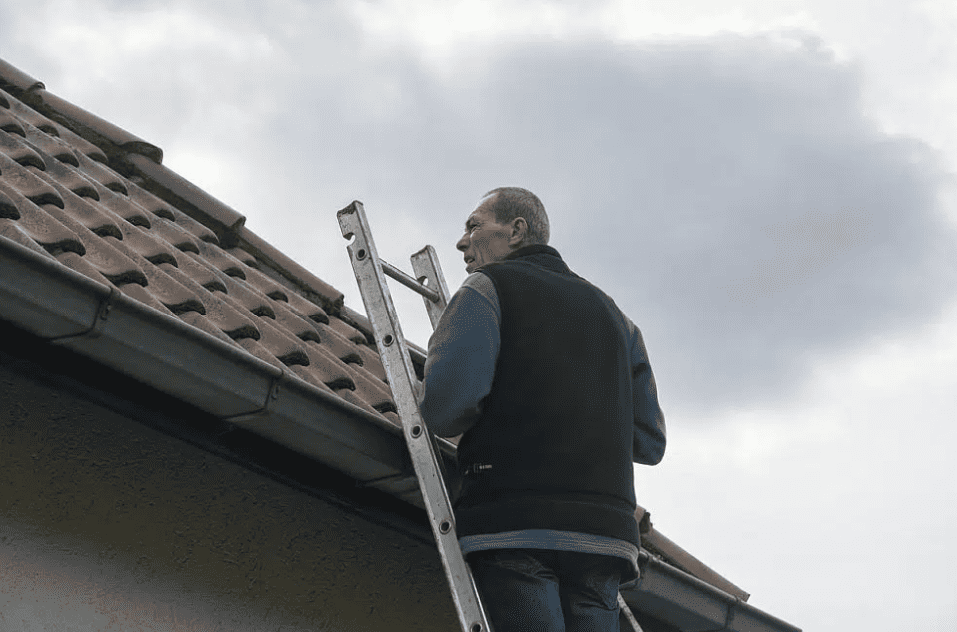
Spring in Texas often brings severe thunderstorms, strong winds, flooding, and hail. This is the season to check for damage and prepare for what lies ahead.
Roof and Gutter Inspection
Start with your roof after winter and early spring storms.
- Look for missing, cracked, or curling shingles.
- Check flashing around vents, chimneys, and skylights.
- Inspect gutters for clogs, sagging, or loose brackets.
- Make sure downspouts direct water at least several feet away from the foundation.
Water damage often begins at the roofline, so catching issues early matters.
Exterior Walls and Paint
Spring is a good time to walk the perimeter of your home.
- Look for peeling paint, cracks in siding, or exposed wood.
- Check brick mortar for gaps or crumbling areas.
- Seal small cracks to keep moisture and pests out.
Paint and sealant protect more than appearance. They act as a barrier against humidity and rain.
Foundation and Drainage
Texas soil expands and contracts with moisture changes. That movement affects foundations.
- Check for new cracks in foundation walls or interior drywall.
- Make sure soil slopes away from the house.
- Clear debris from drainage paths and yard drains.
Standing water near the foundation is one of the biggest long-term risks for Texas homes.
Summer Maintenance: Heat, Sun, and Energy Use
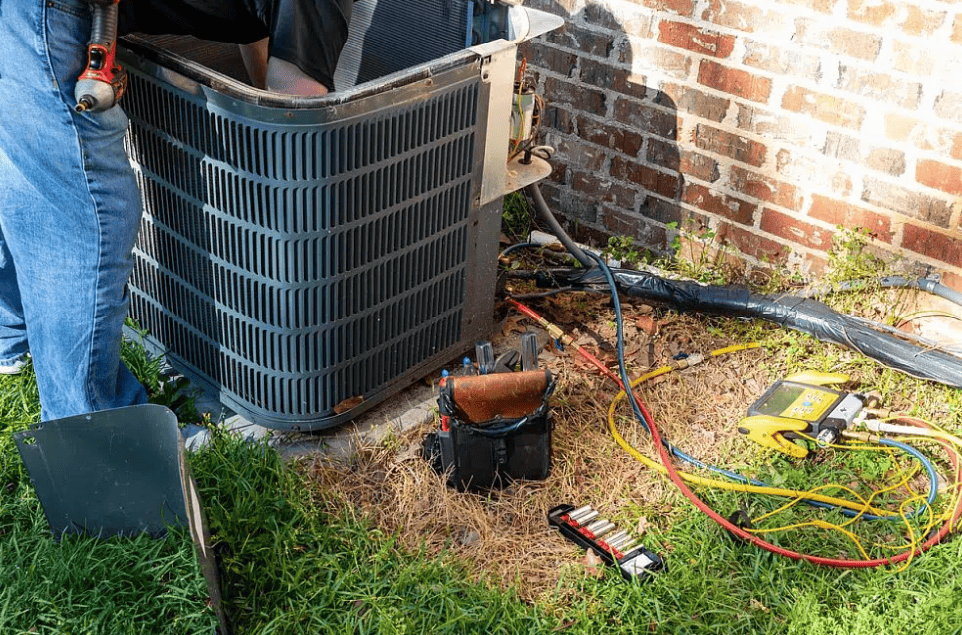
Texas summers are intense. Long stretches of triple-digit heat put stress on systems and materials.
HVAC System Tune-Up
Your air conditioning system works harder in Texas than in most places.
- Schedule a professional inspection before peak heat arrives.
- Replace or clean air filters regularly.
- Check vents for airflow and blockages.
- Clean debris from outdoor condenser units.
A well-maintained system cools more efficiently and reduces the risk of mid-summer breakdowns.
Attic and Insulation Check
Heat builds up fast in Texas attics.
- Inspect insulation for gaps, compression, or signs of moisture.
- Seal air leaks around attic access points.
- Make sure vents are clear and functioning.
Proper insulation keeps cooling costs down and protects roof materials from excessive heat buildup.
Windows and Doors
Sun exposure causes seals to break down over time.
- Check caulking around windows and doors.
- Replace cracked or dried weatherstripping.
- Consider solar screens or window film for added heat control.
Small improvements here can noticeably reduce indoor temperatures.
Fall Maintenance: Prepare for Cooler Weather and Rain
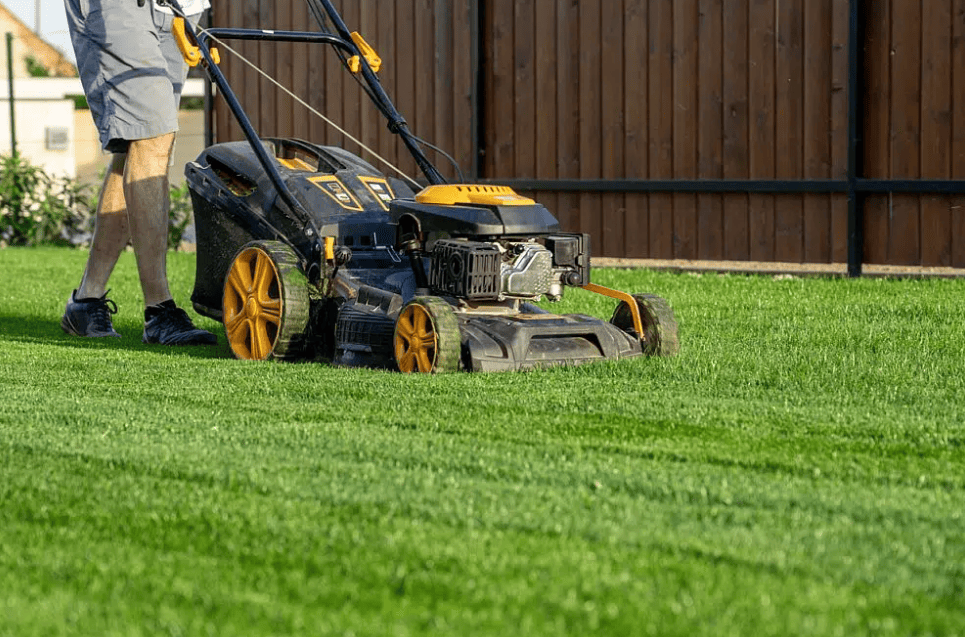
Fall is often milder, making it ideal for outdoor projects and inspections.
Roof Check Before Winter
Even though Texas winters are unpredictable, fall is the time to prepare.
- Inspect shingles again after summer heat.
- Look for signs of hail damage.
- Clear leaves and debris from gutters and valleys.
Addressing roof issues before winter storms reduces the risk of leaks during cold snaps.
Tree and Yard Maintenance
Trees grow fast in Texas, and storms can turn branches into hazards.
- Trim limbs away from the roof and power lines.
- Remove dead or weakened branches.
- Clean leaves from drainage areas and yard slopes.
Healthy trees reduce storm damage and protect your home during high winds.
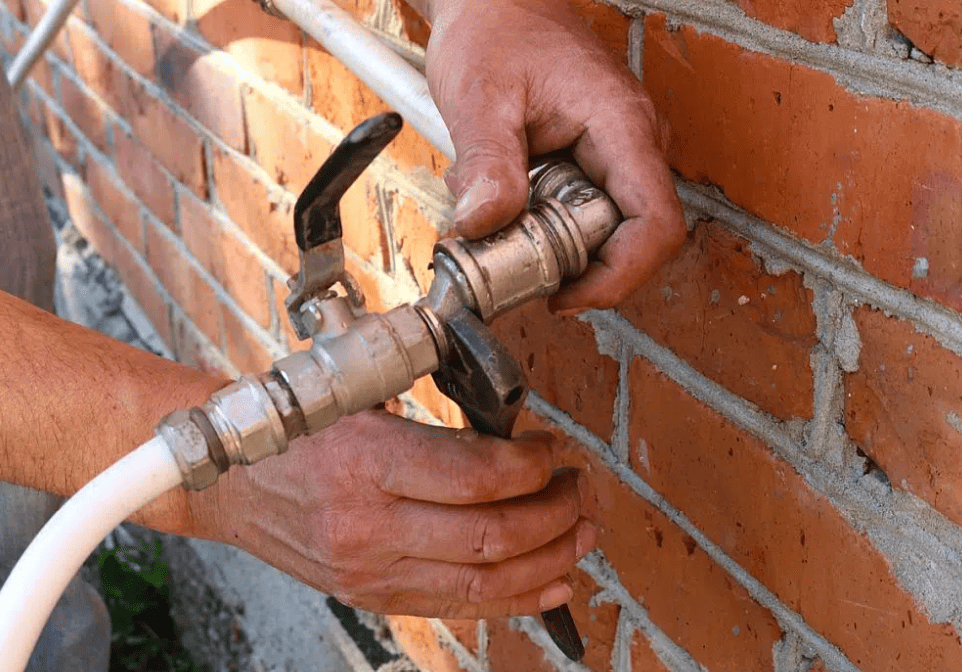
Outdoor Faucets and Plumbing
Cold weather may not last long, but freezes can happen suddenly.
- Inspect outdoor faucets for leaks.
- Drain and disconnect hoses.
- Install faucet covers if you live in areas prone to freezing temperatures.
These small steps help prevent burst pipes and water damage.
Winter Maintenance: Cold Snaps and Indoor Systems
Texas winters are unpredictable. Some years bring mild temperatures, while others include hard freezes.
Plumbing Protection
Pipes in Texas homes are often not as insulated as those in colder states.
- Insulate exposed pipes in attics and garages.
- Know where your main water shutoff valve is located.
- Check for slow leaks that may worsen in cold weather.
A burst pipe can cause major damage in a short amount of time.
Heating System Check
Even if winter is short, your heating system still matters.
- Schedule a furnace or heat pump inspection.
- Replace filters as needed.
- Test thermostats and safety features.
Efficient heating keeps indoor temperatures stable and prevents system failures during cold nights.
Indoor Humidity Control
Humidity swings affect comfort and materials.
- Use exhaust fans in kitchens and bathrooms.
- Check for condensation around windows.
- Address musty smells or signs of moisture buildup.
Managing humidity helps prevent mold and protects wood surfaces.
Year-Round Maintenance Tasks for Texas Homes

Some maintenance tasks are not tied to a specific season.
Pest Prevention
Texas pests stay active most of the year.
- Seal gaps around doors, windows, and utility entry points.
- Check for signs of termites or ants near foundations.
- Keep firewood and debris away from the house.
Prevention is far easier than dealing with an infestation.
Electrical System Awareness
Heat and storms can stress electrical systems.
- Test smoke detectors and carbon monoxide alarms.
- Inspect outdoor outlets and covers.
- Watch for flickering lights or tripped breakers.
If you notice recurring issues, consult a licensed electrician.
Water Heater Maintenance
Water heaters work quietly until they do not.
- Flush sediment buildup annually.
- Check pressure relief valves.
- Inspect for corrosion or leaks.
Maintenance extends the life of the unit and improves efficiency.
Special Considerations by Texas Region

Texas is not one-size-fits-all when it comes to maintenance.
Coastal Areas
Homes near the Gulf deal with salt air and humidity.
- Rinse exterior surfaces periodically to reduce corrosion.
- Use rust-resistant hardware where possible.
- Monitor for mold growth inside and out.
Central Texas and Hill Country
Expansive clay soil affects foundations.
- Maintain consistent moisture levels around the foundation.
- Avoid letting soil dry out completely during drought.
- Use soaker hoses if recommended by professionals.
North Texas
Hail and wind are common concerns.
- Inspect roofs after major storms.
- Keep emergency supplies on hand.
- Reinforce garage doors if needed.
Understanding local risks helps prioritize maintenance tasks.
Creating a Maintenance Schedule That Works

A checklist is helpful only if it gets used.
- Keep a seasonal reminder on your phone or calendar.
- Save inspection notes and photos for reference.
- Address small issues as soon as you notice them.
Spreading tasks throughout the year makes maintenance manageable and less overwhelming.
When to Call a Professional

Not every home maintenance task is suited for a do-it-yourself approach, especially in a state where weather extremes can create hidden or fast-moving problems. While basic upkeep is manageable for many homeowners, some issues require trained eyes and proper tools to assess accurately.
Structural cracks, roof damage, and electrical problems should always be evaluated by experienced professionals. These areas directly affect the safety and integrity of your home, and small mistakes can lead to larger, more expensive repairs if handled incorrectly.
HVAC and plumbing systems also benefit from regular professional servicing. Trained technicians can identify wear, inefficiencies, or early signs of failure that are easy to miss, helping extend the life of these systems and maintain consistent comfort throughout the year.
Foundation concerns deserve special attention in Texas due to soil movement and moisture changes. Qualified specialists can determine whether cracks or shifts are cosmetic or signs of deeper issues, providing guidance on monitoring or repairs when needed.
Knowing your limits as a homeowner protects both your property and your personal safety. Calling a professional at the right time often saves money, prevents damage, and provides peace of mind.
Final Thoughts
Texas weather demands attention, flexibility, and planning. From scorching summers to sudden freezes, each season brings its own challenges. A thoughtful annual maintenance routine helps your home handle those extremes while staying comfortable and efficient.
By staying proactive and informed, Texas homeowners can reduce surprises, protect their investment, and enjoy peace of mind throughout the year.
____________________________________________________________________________
Annual Home Maintenance Checklist Summary
Spring
☑ Inspect roof for missing or damaged shingles
☑ Check flashing around vents, chimneys, and skylights
☑ Clean gutters and downspouts
☑ Confirm water drains away from the foundation
☑ Inspect exterior walls, siding, brick, and paint
☑ Seal exterior cracks and gaps
☑ Check foundation and interior walls for new cracks
☑ Clear yard drainage paths
Summer
☑ Schedule HVAC inspection and tune-up
☑ Replace or clean HVAC air filters
☑ Clear debris from outdoor AC unit
☑ Inspect attic insulation and ventilation
☑ Seal air leaks around attic access
☑ Check window and door caulking
☑ Replace worn weatherstripping
☑ Inspect solar screens or window coverings
Fall
☑ Inspect roof for heat or hail damage
☑ Clean gutters and roof valleys
☑ Trim tree branches away from roof and power lines
☑ Remove dead or weakened limbs
☑ Inspect outdoor faucets for leaks
☑ Disconnect and store hoses
☑ Install faucet covers if needed
Winter
☑ Insulate exposed pipes
☑ Locate and test main water shutoff valve
☑ Check for plumbing leaks
☑ Inspect heating system
☑ Replace heating system filters
☑ Test thermostat
☑ Monitor indoor humidity
☑ Use exhaust fans to reduce moisture
Year-Round
☑ Seal gaps around doors, windows, and utility lines
☑ Check for signs of pests near foundation
☑ Keep debris and firewood away from the house
☑ Test smoke detectors
☑ Test carbon monoxide alarms
☑ Inspect outdoor electrical outlets and covers
☑ Watch for flickering lights or tripped breakers
☑ Flush water heater
☑ Inspect water heater for leaks or corrosion
Call a Professional When Needed
☑ Structural or foundation cracks
☑ Roof damage after storms
☑ Electrical problems
☑ HVAC servicing
☑ Plumbing issues
☑ Safety-related concerns
This checklist is designed for quick reference and easy seasonal use for Texas homeowners.

Comments (0)
No comments yet. Be the first to share your thoughts.
Leave a comment