



Texas heat is no joke. Long summers, intense sunlight, and extended heat waves put serious stress on homes, especially the roof. Because the roof absorbs more direct sunlight than any other part of the house, choosing the right roofing material plays a major role in comfort, energy use, and long-term durability.
If you live in Texas or plan to build or replace a roof here, heat resistance should be high on your priority list. This guide explains how heat affects roofs, what makes a material heat resistant, and which roofing options work best in Texas conditions. You will also find tips on installation, ventilation, maintenance, and long-term cost considerations.
Why Texas Homes Need Heat-Resistant Roofing
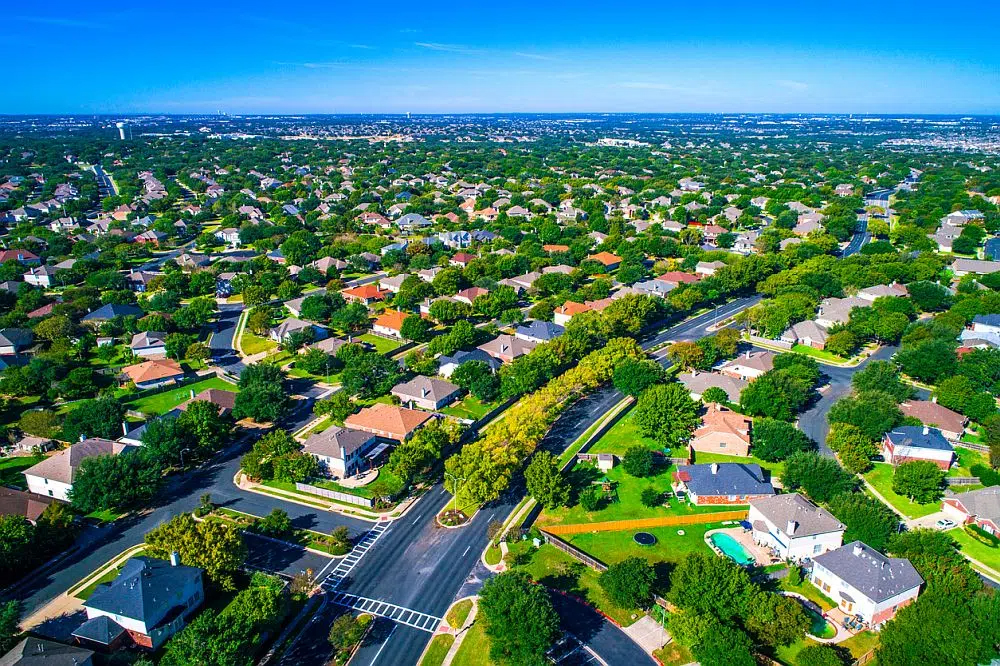
Texas regularly experiences summer temperatures well above 90°F, with many areas seeing triple digits for weeks at a time. Roof surfaces can become much hotter than the air temperature, sometimes exceeding 150°F. That heat transfers into the attic and then into living spaces.
A roof that does not handle heat well can lead to several problems:
- Higher indoor temperatures
- Increased air conditioning use
- Rising energy bills
- Faster breakdown of roofing materials
- Shortened roof lifespan
- Increased risk of warping, cracking, or blistering
Heat-resistant roofing materials help limit how much heat enters the home. That keeps indoor temperatures more stable and reduces the workload on cooling systems. Over time, this can improve comfort and lower household expenses.
How Heat Impacts Different Roofing Materials
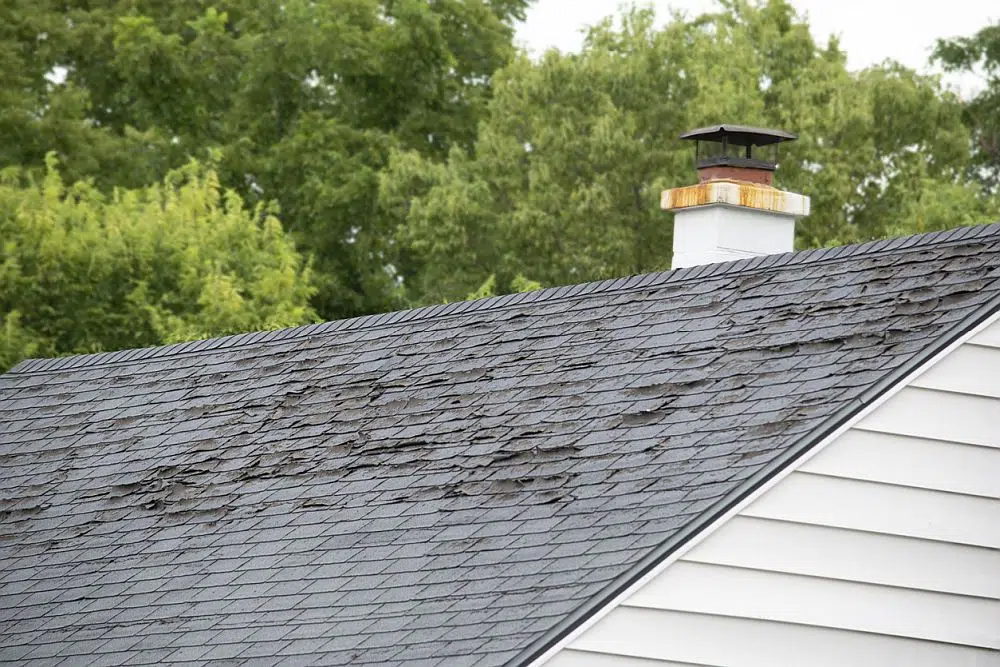
Not all roofing materials respond to heat the same way. Some absorb and hold heat, while others reflect it or release it quickly. In Texas, repeated cycles of heating and cooling can cause materials to expand and contract. Over time, this movement leads to damage if the material is not designed for such conditions.
Common heat-related issues include:
- Shingle curling or cracking
- Fading and surface breakdown
- Sealant failure around flashing
- Underlayment deterioration
- Structural stress on roof decking
Heat-resistant roofing materials are designed to minimize these issues through better reflectivity, thermal performance, and physical durability.
Key Features of Heat-Resistant Roofing
When evaluating roofing materials for Texas homes, focus on these important qualities.
Solar Reflectance
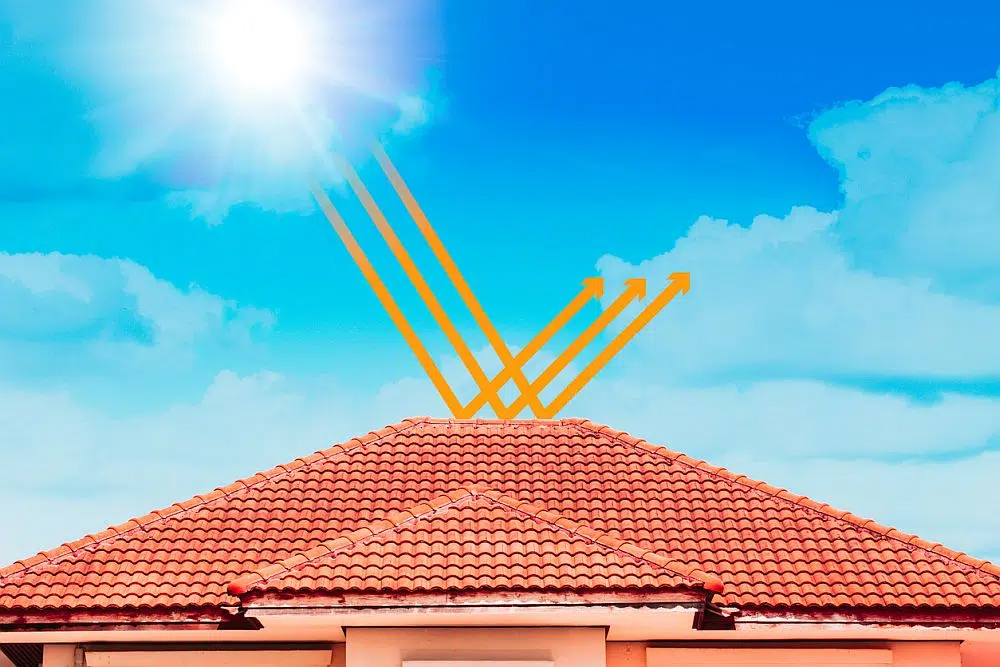
This measures how much sunlight a roof reflects rather than absorbs. A higher reflectance rating means less heat enters the roof system.
Thermal Emittance
This refers to how efficiently a material releases absorbed heat. Materials with good thermal emittance cool down faster after sunset.
Structural Stability in Heat
Some materials maintain their shape and integrity better under high temperatures. This reduces cracking, warping, and surface damage.
UV Resistance
Strong sunlight can break down roofing materials over time. UV-resistant surfaces last longer and perform better in hot climates.
Best Heat-Resistant Roofing Materials for Texas
Several roofing materials perform especially well under Texas heat. Each option has strengths and tradeoffs worth considering.
Metal Roofing
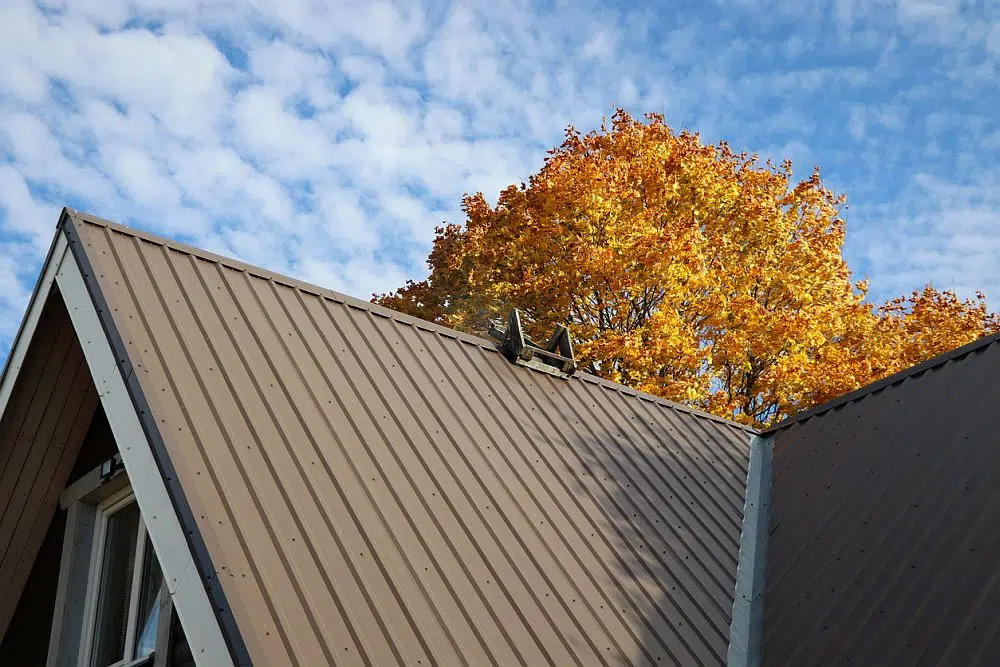
Metal roofing is one of the strongest choices for hot climates.
Metal reflects a large portion of solar radiation, especially when finished with reflective coatings or light-colored paint. Unlike asphalt, metal does not trap heat within its structure.
Benefits of Metal Roofing
- Excellent heat reflectivity
- Long lifespan, often several decades
- Resistant to fire, insects, and rot
- Lightweight compared to tile or slate
- Performs well in high winds and hail
Metal roofs also cool quickly once the sun goes down, which helps reduce nighttime heat buildup in the attic.
Considerations
- Higher upfront cost
- Requires skilled installation
- Noise during rain without proper insulation
Metal roofing works well for both modern and traditional Texas homes and pairs nicely with solar panel systems.
Clay and Concrete Tile Roofing
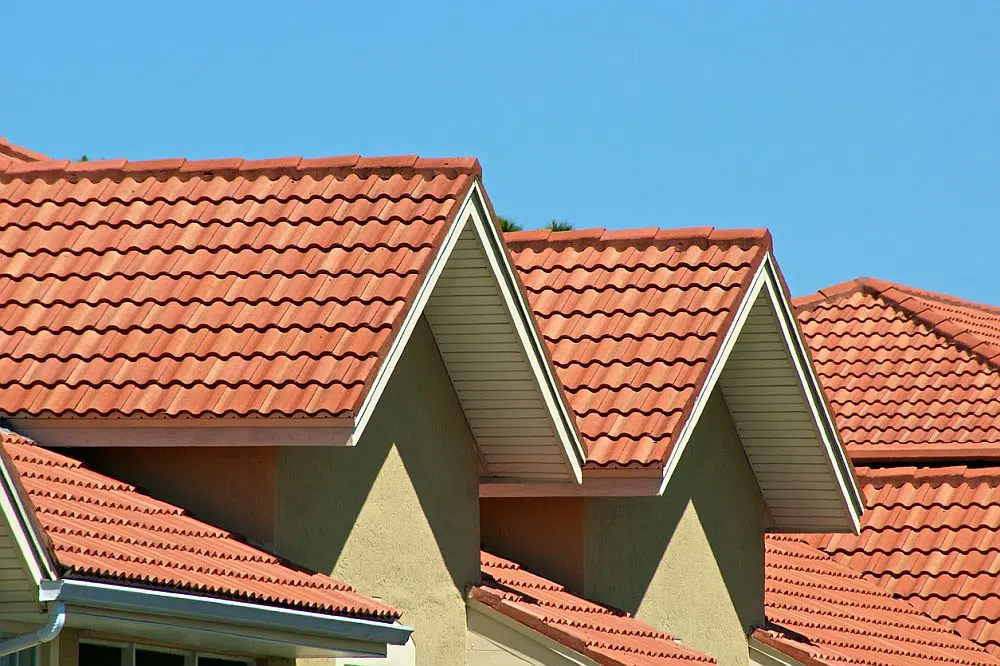
Tile roofing has a long history in hot climates around the world.
Clay and concrete tiles create natural air space between the roof deck and the tile surface. This airflow reduces heat transfer into the home.
Benefits of Tile Roofing
- Strong heat resistance
- Long lifespan, often exceeding 50 years
- Fire resistant
- Naturally durable in intense sun
Concrete tiles tend to cost less than clay, while clay offers a more traditional appearance.
Considerations
- Heavy weight may require roof reinforcement
- Higher installation cost
- Can crack if impacted by hail or falling debris
Tile roofs are common in southern Texas and work well with Spanish, Mediterranean, and southwestern architectural styles.
Cool Asphalt Shingles
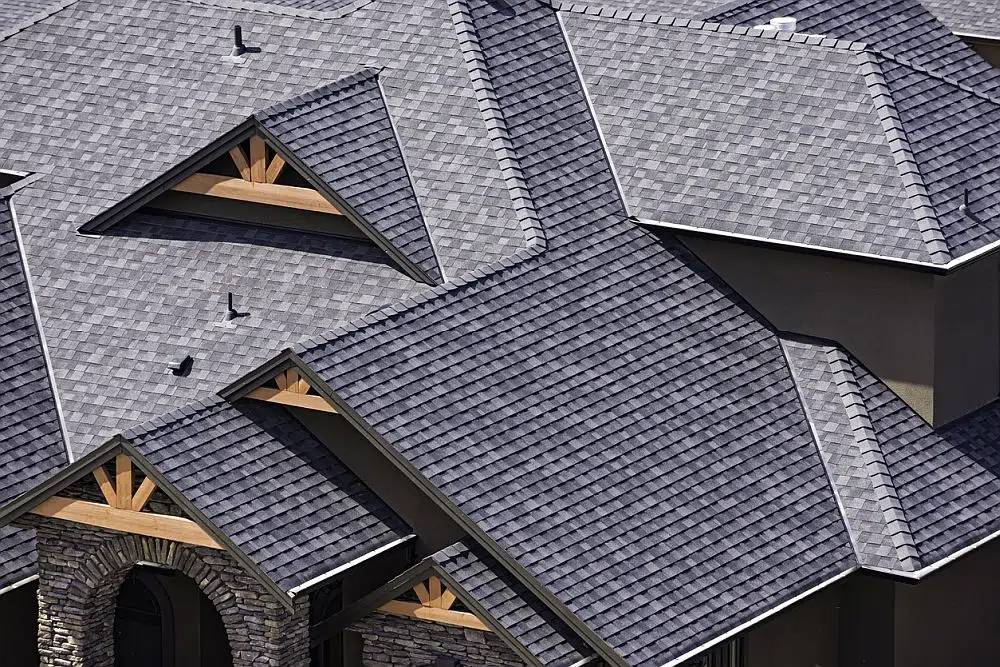
Traditional asphalt shingles are common in Texas, but standard versions absorb heat. Cool asphalt shingles improve on this by using reflective granules.
Benefits of Cool Shingles
- Lower cost compared to metal or tile
- Familiar appearance
- Improved reflectivity over standard shingles
- Easier replacement and repair
Cool shingles do not match the heat performance of metal or tile, but they offer a practical upgrade for homeowners who prefer asphalt.
Considerations
- Shorter lifespan than premium materials
- Moderate heat resistance
- Performance depends heavily on color and quality
Lighter shades generally perform better than darker ones.
Slate Roofing
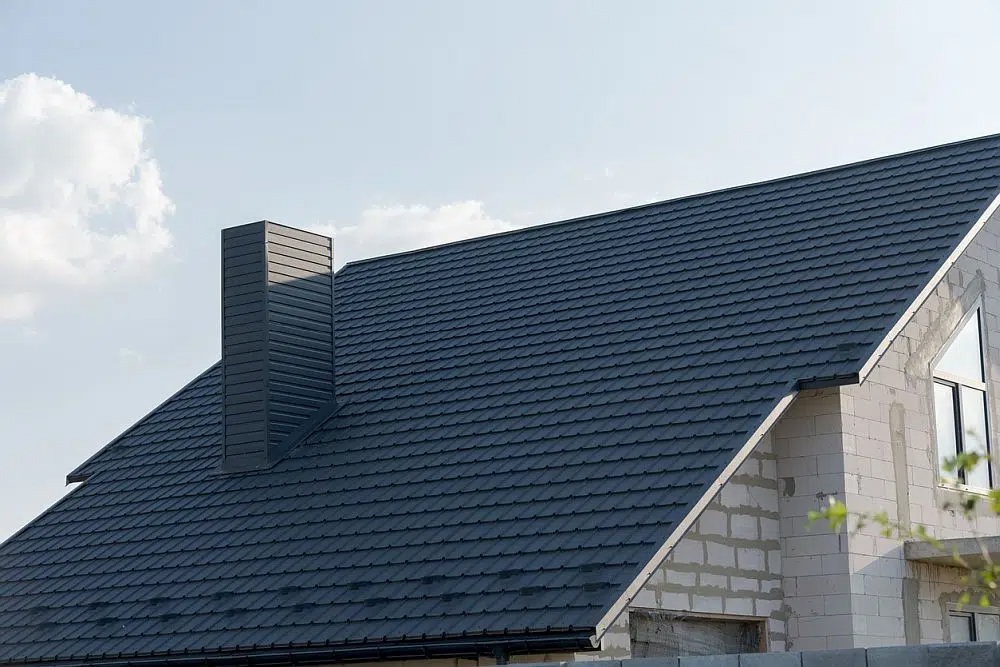
Slate is a natural stone roofing material known for durability and heat resistance.
Slate does not easily degrade under intense sunlight and maintains stable temperatures compared to asphalt.
Benefits of Slate Roofing
- Extremely long lifespan
- Natural heat resistance
- High-end appearance
- Low maintenance once installed
Considerations
- Very high cost
- Heavy weight
- Requires specialized installation
Slate is best suited for homeowners seeking long-term value and classic aesthetics rather than budget solutions.
Synthetic and Composite Roofing Materials
Synthetic roofing materials are designed to replicate slate, wood shake, or tile while improving performance.
Many synthetic options include reflective technology and enhanced UV resistance.
Benefits of Synthetic Roofing
- Lightweight
- Good heat performance
- Resistant to cracking and fading
- Easier installation than natural stone
Considerations
- Quality varies by manufacturer
- Mid-range pricing
- Less proven lifespan than traditional materials
Synthetic roofing is gaining popularity in Texas as technology continues to improve.
The Role of Roofing Color in Heat Resistance
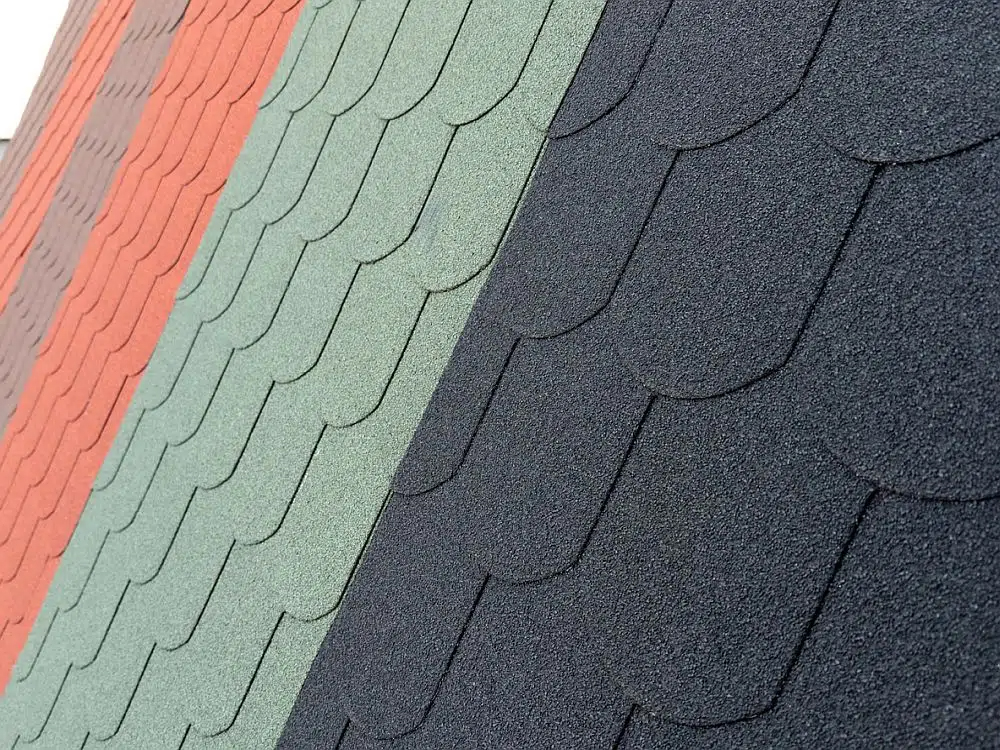
Color choice directly affects roof temperature. Dark colors absorb more heat, while lighter colors reflect more sunlight.
For Texas homes:
- White, light gray, tan, and light beige reflect heat well
- Dark brown, black, and deep gray absorb more heat
Many modern roofing products include reflective coatings that improve performance even in darker shades, though lighter colors still perform best overall.
Attic Ventilation and Insulation Matter Just as Much
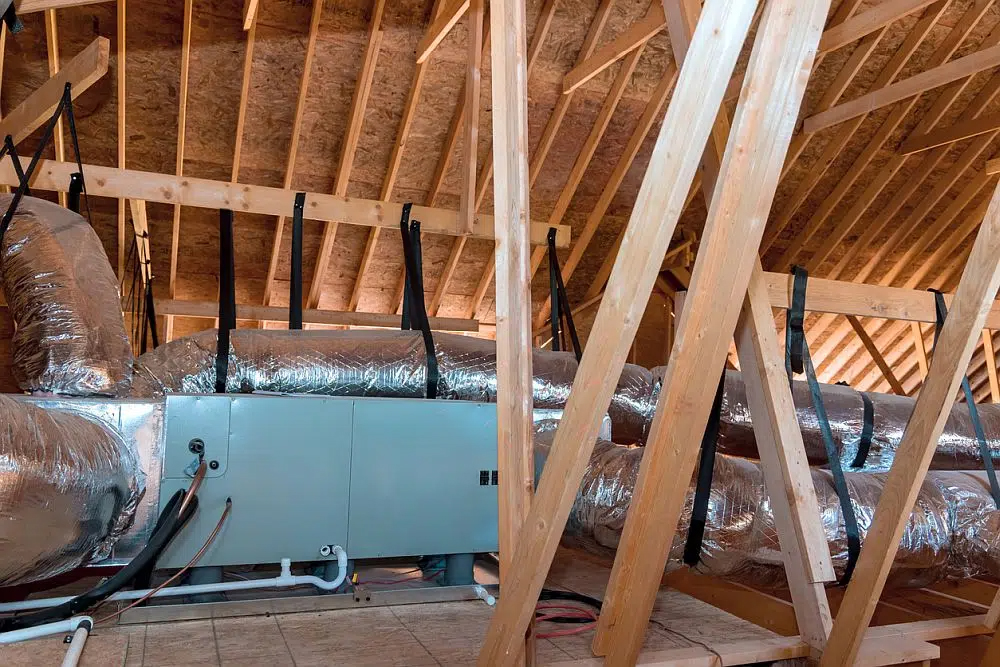
A heat-resistant roof works best when combined with proper attic ventilation and insulation.
Ventilation
Good airflow removes hot air trapped in the attic. This reduces heat buildup and protects roofing materials from excessive thermal stress.
Common ventilation options include ridge vents, soffit vents, and attic fans.
Insulation
Insulation slows heat transfer into living spaces. Even the most reflective roof cannot compensate for poor insulation.
When upgrading a roof, it is often a good time to assess insulation levels as well. As you improve your roof’s heat resistance and attic ventilation to lower indoor temperatures, consider pairing these changes with other smart home upgrades that boost comfort and energy efficiency, such as smart thermostats and automated climate controls. You can explore practical ideas in our guide on smart home upgrades for Texas homes.
Energy Savings and Comfort Benefits
Heat-resistant roofing can lower indoor temperatures and reduce cooling demand. Homeowners often notice:
- More consistent indoor comfort
- Reduced air conditioning runtime
- Lower electricity bills
- Less strain on HVAC systems
Savings vary depending on roof type, insulation, ventilation, and home size, but benefits are often noticeable during long Texas summers.
Cost Considerations and Long-Term Value
Roofing costs vary widely. While some heat-resistant options cost more upfront, they often last longer and save money over time.
Lower-cost roofs may need replacement sooner and lead to higher energy bills. Higher-quality materials tend to offer better long-term value when lifespan and efficiency are considered.
Installation Tips for Texas Conditions
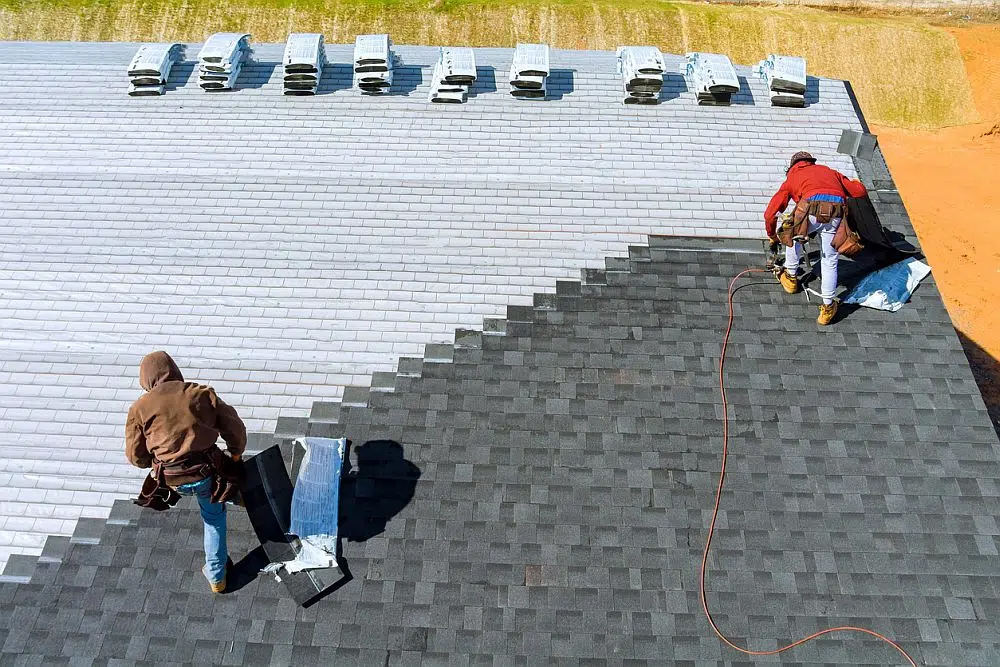
Proper installation is essential for heat performance.
- Use high-quality underlayment designed for heat resistance
- Ensure flashing and seals can handle thermal expansion
- Choose contractors experienced with your selected material
- Confirm compliance with local building codes
A poorly installed roof can fail regardless of material quality.
Maintenance Tips for Hot-Climate Roofing
Routine maintenance extends roof life.
- Inspect twice a year and after major storms
- Clear debris to prevent heat and moisture buildup
- Check seals, flashing, and fasteners
- Address small issues before they grow
Each material has unique maintenance needs, so follow manufacturer recommendations.
Common Mistakes Texas Homeowners Should Avoid
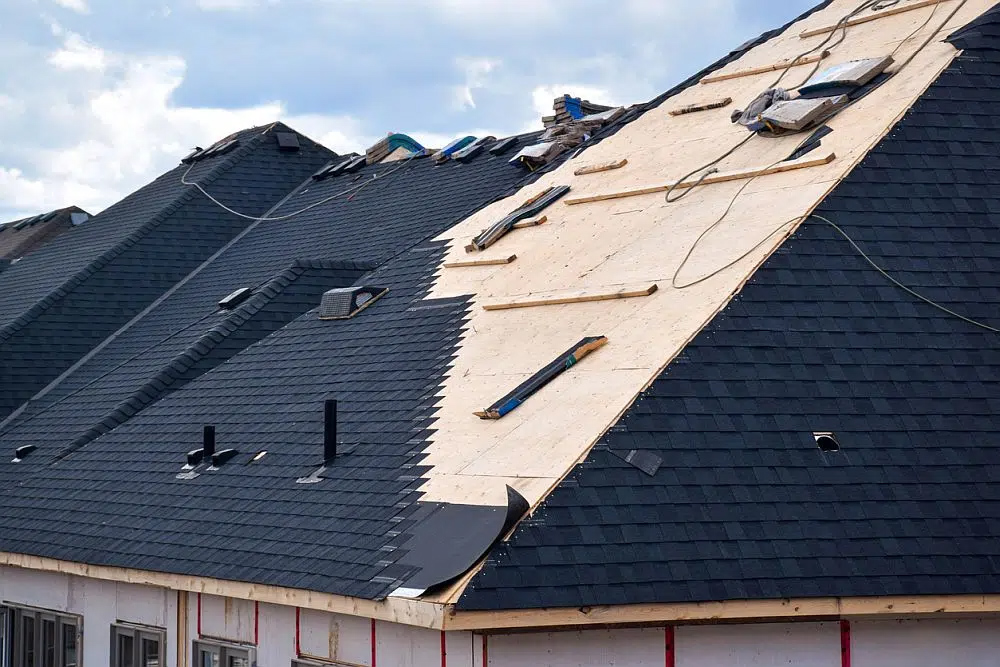
Some roofing decisions create long-term problems:
- Choosing dark, non-reflective materials without coatings
- Ignoring attic ventilation
- Selecting materials based on price alone
- Hiring contractors without heat-climate experience
Avoiding these mistakes can prevent costly repairs later.
Matching Roofing Materials to Home Style
Heat resistance does not mean sacrificing appearance.
Metal, tile, cool shingles, slate, and synthetic materials all come in styles that fit Texas homes, from ranch houses to modern builds.
Choose a roof that balances performance with visual appeal.
Final Thoughts
Choosing heat-resistant roofing materials for a Texas home is a smart investment in comfort, durability, and energy efficiency. Texas heat places unique demands on roofs, and not all materials are up to the task.
Metal, tile, cool asphalt shingles, slate, and advanced synthetic options each offer different benefits. The best choice depends on budget, home style, and long-term plans.
When paired with proper ventilation, insulation, and skilled installation, a heat-resistant roof can protect your home and keep it comfortable through many Texas summers to come.
Comments (0)
No comments yet. Be the first to share your thoughts.
Leave a comment