


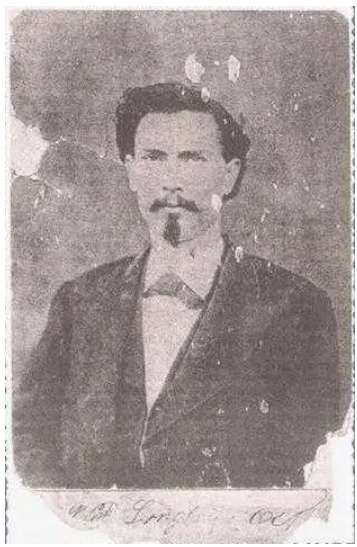
Bill Longley was one of those names people whispered about in old Texas towns. Some folks called him Wild Bill. Others called him Rattling Bill or Bloody Bill. Whatever the nickname, everyone agreed on one thing. He was dangerous. He lived fast, made reckless choices, and built a legend filled with trouble, fear, and bold claims.
Longley wasn’t the polished hero you see in movies. His life was messy and violent. Still, his story gives us a clear window into Texas during a tense and changing time. This article walks through his life in a friendly, easy-to-follow way, so you can understand both the man and the era that shaped him.
Growing Up in Frontier Texas

Bill Longley was born in 1851 in Austin County, Texas. He grew up with several siblings on a family farm and learned to shoot at a young age. Guns were part of everyday life in that region, especially in the years following the Civil War. Many families lived off the land, protected their property, and relied on skills that kids learned early.
When Bill was still very young, his family moved to a farming community near Old Evergreen. He helped with chores and received a basic education. He also gained a reputation for being tall, sharp-eyed, and confident with firearms. It didn’t take long before he started drifting toward the rougher side of frontier life.
Once the Civil War ended, Texas went through dramatic changes. Reconstruction brought tension, resentment, and a sense of lawlessness across many towns. Bill was a teenager during that period, and he didn’t respond well to all the new rules or the military presence that came with them.
He dropped out of school. He started hanging around saloons. He drank often and gambled. And before long, the restless kid turned into a dangerous young man.
Longley’s Violent Turn
Bill Longley’s first known killing happened when he was only seventeen. Reports say he and a couple of friends confronted three men in a dry creek bed. When one tried to run, Bill shot him several times. It was a brutal moment that set the tone for his life. After that, the number of killings tied to him began to grow.
During the next couple of years, he robbed travelers, stole horses, and caused trouble across southern Texas. Several of his victims were Black Texans who had recently gained freedom after the Civil War. Historians believe that racism played a strong role in some of his violence.
By 1870, authorities offered a reward for his capture. That didn’t slow him down. He changed locations often, used different names, and stayed one step ahead of the law.
A Brief and Rocky Army Career
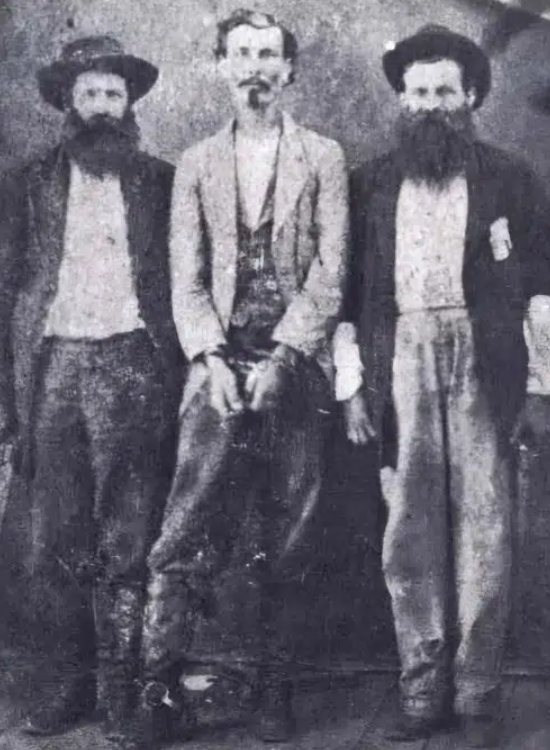
Looking for a fresh start, Bill left Texas for a while. He traveled north and eventually joined the U.S. Army in 1870. It seemed like an effort to put some structure into his life.
It didn’t work.
He deserted after only a few weeks. He was caught, punished, and then returned to his post. After a short return to duty, he deserted again. Army life demanded discipline, and Bill wasn’t willing to follow strict rules or take orders.
Even so, officers noticed he was an excellent shot. He was sent out on hunting trips to help supply the camp with meat. But his skill with a gun didn’t make up for his lack of respect for authority. In the end, the Army chapter of his life closed as quickly and chaotically as it began.
Back to Texas and More Trouble
When Bill returned to Texas, nothing got better. In fact, things spiraled even faster.
By early 1873, he was suspected again in a new killing. Not long after, he was arrested but released. This kind of quick release wasn’t unusual at the time. Laws were loosely enforced, evidence was hard to gather, and people often had friends who helped them avoid jail.
In 1875, Longley murdered his former childhood friend, Wilson Anderson. Longley blamed Anderson for a family-related feud and used that as his excuse. The killing shocked people who knew both young men. It also marked a turning point. From then on, Bill was considered one of the most dangerous men in the region.
That same year, he killed a man named George Thomas during a fight. Then he ambushed another man named Lou Shroyer. The two exchanged gunfire, and although Shroyer shot Longley’s horse, Bill shot and killed him.
The violence didn’t end there. In 1876, he took a job with a local preacher named William Lay. Jealousy over a woman led to tension between Bill and Lay’s family. After getting into a fight with Lay’s nephew, Bill was arrested again and jailed. He later escaped and, according to reports, returned to kill Lay as the preacher milked his cow.
This murder was one of the crimes that would catch up to him in the years ahead.
Running Out of Places to Hide
Bill spent the next year drifting in and out of small towns. He used different aliases, traveled between Texas and Louisiana, and even helped break two men out of jail. His confidence remained high, but his safety net was shrinking. People were talking. Officers were looking for him. And his face was becoming easier to recognize.
In June 1877, a sheriff in Louisiana finally caught him off guard. Bill didn’t resist. He may have known his options were running out.
He was taken back to Texas, tried for the murder of Wilson Anderson, and found guilty. His lawyers appealed, but the courts upheld the decision.
The Execution of Bill Longley
On October 11, 1878, Bill Longley was hanged in Giddings, Texas. He was only 27 years old.
Newspapers reported that he stood calmly on the gallows. Some accounts claim he smiled. Whether that detail is true or exaggerated, it added to the legend that already surrounded him.
He was buried in Giddings City Cemetery. For many years, rumors floated around that he had faked his death or escaped. Some people claimed he fled to South America. Others said he lived quietly under a new name.
Those stories persisted until the early 2000s, when researchers located his grave. DNA tests confirmed that the remains were his. The legend of an escape was put to rest.
A Man Wrapped in Myth and Fear
Bill Longley often bragged about how many people he killed. He claimed the number was more than thirty. Historians believe the real count is much lower, probably seven or eight confirmed victims.
Still, he shaped his own myth. He wrote letters from jail that exaggerated his adventures. He described close calls, daring escapes, and dramatic shootouts. Some stories had a hint of truth. Others were pure imagination.
Over time, storytellers took his words and stretched them even further. That’s how many Wild West legends grew. Facts mixed with drama, and audiences didn’t always care which was which.
Longley became known as one of the fastest guns in Texas. Some said he carried special Texas-made revolvers. Others said he relied more on his shotgun. Either way, his reputation was powerful, even if it wasn’t always accurate.
Why His Story Still Matters
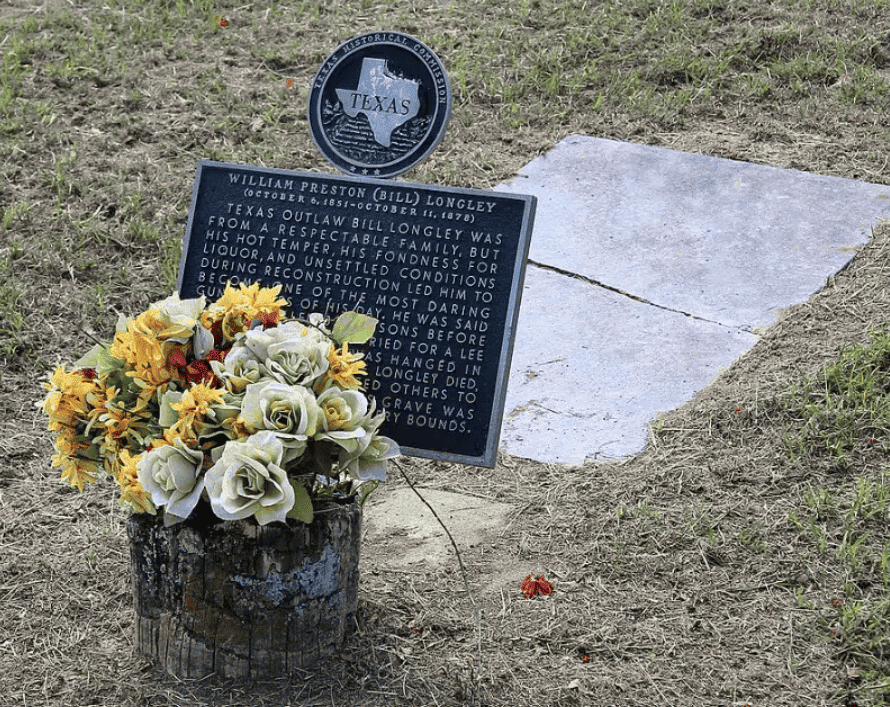
Larry D. Moore, William preston longley grave, CC BY 4.0
Bill Longley’s life wasn’t inspiring. It wasn’t heroic. But it tells us a lot about the world he lived in. Post-Civil War Texas was full of tension, hard feelings, and weak law enforcement. Violence was common, and people settled disputes in ways that feel shocking today.
Longley’s story also shows how legends grow. A person can live a chaotic life and still become a larger-than-life figure through storytelling, rumors, and bold claims. Many Old West characters gained fame the same way. They mixed real danger with exaggerated tales, and those stories survived long after they were gone.
Understanding Bill Longley helps us understand the era itself. It reminds us that history is shaped not only by facts but also by the stories people tell.
Final Thoughts
Bill Longley lived a rough, violent, and troubled life. He grew up in a tense time and made choices that pushed him deeper into danger. His talent with a gun helped build his reputation, but his anger, prejudice, and impulsive decisions shaped the legacy he left behind.
Today, Longley is remembered as one of Texas’s most notorious gunfighters. His name appears in Western books, television episodes, and local Texas stories. People are still fascinated by him because his life captures the raw and unpredictable spirit of the early frontier.
When you look at his story from start to finish, you see a young man caught between myth and reality. You also see how easy it was for someone to slip into the role of outlaw during a chaotic time. His story serves as a reminder that legends don’t always come from noble places. Sometimes they come from troubled lives, wild choices, and the echoes they leave behind.
Comments (0)
No comments yet. Be the first to share your thoughts.
Leave a comment