


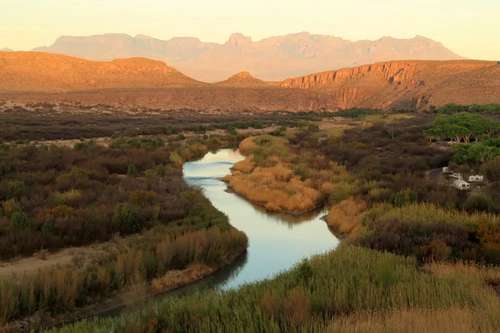
When people talk about cowboy boots in Texas, cities like Fort Worth, San Antonio, and El Paso usually receive most of the attention. Those places certainly deserve recognition, but they are only part of the story. Another region quietly played an important role in the growth of Texas bootmaking: the Rio Grande Valley.
Stretching along the Texas-Mexico border, the Rio Grande Valley has long been shaped by ranching, horsemanship, leather craftsmanship, and the blending of Mexican and Texan cultures. While the region is better known today for agriculture and international trade, it also became home to several respected bootmakers whose influence continues to be felt throughout the Western footwear industry.
The Valley's contribution goes beyond manufacturing. Its ranching traditions, vaquero heritage, skilled craftsmen, and bootmaking companies helped preserve many of the techniques and values that define quality cowboy boots today. Understanding the Rio Grande Valley's role helps paint a more complete picture of Texas boot history.
The Story Begins Before Texas Was Texas
Long before the first commercial boot factories opened, the Rio Grande Valley was already part of an active ranching culture.
Spanish colonists introduced cattle, horses, and ranching to northern Mexico during the sixteenth century. As ranches expanded northward into what would later become South Texas, the vaquero tradition developed alongside them. These highly skilled horsemen became experts in cattle handling, leatherwork, rope making, and horsemanship.
Many of the techniques later associated with the American cowboy—including roping methods, saddle design, riding equipment, and aspects of Western clothing—were first refined by Mexican vaqueros.
Because the Rio Grande Valley sat directly within this cultural landscape, it became one of the places where those traditions were preserved across generations.
Vaquero Culture Shaped Cowboy Boots
Cowboy boots did not appear overnight.
Before specialized riding boots became common, horsemen throughout Spanish Texas and northern Mexico wore practical leather footwear suited for long days in the saddle. As ranching expanded, bootmakers gradually adapted designs to improve comfort, protection, and riding performance.
The high shaft protected riders from thorny brush and saddle friction. Raised heels helped secure the foot in the stirrup, while sturdy leather construction allowed boots to withstand difficult working conditions.
These practical features became standard long before cowboy boots became fashion items. Because South Texas remained closely connected to Mexican ranching traditions, many of these ideas continued to develop naturally within the Rio Grande Valley.
Ranching Created Constant Demand
Unlike regions where cowboy boots later became symbols of Western culture, the Rio Grande Valley needed them for everyday work.
Large cattle ranches operated throughout South Texas, and horseback remained essential for managing livestock well into the twentieth century. Cowboys, ranch foremen, horse trainers, and agricultural workers depended on boots that could survive long hours outdoors.
That constant demand supported local leatherworkers and bootmakers who understood exactly what their customers needed. Instead of designing footwear for tourists or collectors, they built boots for people who relied on them every day.
This close relationship between craftsman and customer helped establish the practical reputation of South Texas bootmaking.
Mercedes Became an Unexpected Bootmaking Center
One of the most significant contributions the Rio Grande Valley made to cowboy boot history came from the city of Mercedes, Texas.
Although Mercedes is widely known for agriculture, it also became home to one of Texas' most respected bootmaking traditions. Several influential companies either began there or established long-term manufacturing operations in the community.
The city's location offered several advantages. It sat near ranching communities, had access to skilled leatherworkers, and benefited from transportation routes that allowed finished boots to reach customers throughout Texas and beyond.
Over time, Mercedes developed a reputation for quality Western boots that extended far beyond the Valley itself.
Rios of Mercedes Preserved Traditional Craftsmanship
Perhaps the best-known bootmaker associated with the Rio Grande Valley is Rios of Mercedes.
The company's roots reach back to 1853, making it one of the oldest names connected to Texas bootmaking. While the modern company developed later, it traces its heritage through generations of leatherworking and handcrafted boot production in Mercedes.
Rather than pursuing large-scale mass production, Rios of Mercedes focused on carefully crafted boots built using traditional methods. Skilled craftsmen selected quality leather, shaped each boot carefully, and emphasized comfort alongside durability.
That commitment earned the company a loyal following among ranchers, collectors, and serious boot enthusiasts who appreciated handcrafted Western footwear.
Today, Rios of Mercedes remains one of the most respected names in premium cowboy boots, and its continued presence in the Valley reinforces the region's importance to the industry.
Anderson Bean Continued the Valley Tradition
The Rio Grande Valley's influence did not end with one historic company.
In 1989, Anderson Bean Boot Company was founded in Mercedes, bringing another respected manufacturer to the area. While Anderson Bean introduced modern comfort features, it remained committed to many traditional construction techniques that had defined Texas bootmaking for generations.
The company became especially popular among working ranchers because it balanced handcrafted quality with practical durability. Cushioned insoles, carefully selected leather, and dependable construction appealed to customers who still spent long days working outdoors.
Although Anderson Bean represents a newer chapter in Texas bootmaking, its presence in Mercedes demonstrates that the Valley continues to contribute to the state's Western footwear industry rather than simply preserving its history.
Skilled Craftsmen Passed Down Their Knowledge
One reason the Rio Grande Valley became important to bootmaking is that craftsmanship tended to remain within families and local communities.
Leatherworking required years of experience. Cutting leather accurately, shaping the vamp, stitching decorative patterns, attaching soles, and finishing boots properly were all skills learned through apprenticeship and practice.
Many craftsmen spent decades refining their techniques before teaching them to younger workers. This gradual transfer of knowledge helped preserve traditional methods even as manufacturing technology evolved.
Because of this continuity, the Valley developed a strong reputation for consistent quality rather than rapid production.
South Texas Influenced Boot Design
The environment of South Texas also influenced the boots themselves.
The hot climate encouraged bootmakers to focus on comfort without sacrificing durability. Ranch work across mesquite brush, cactus, thorn scrub, and uneven terrain required sturdy construction that could handle difficult conditions.
Customers also valued boots that could transition easily from ranch work to community events. It was common for someone to spend the day working cattle before attending church, a livestock auction, or a local dance in the evening.
That practicality encouraged bootmakers to create footwear that looked attractive while remaining genuinely functional—a characteristic that continues to define many Texas boots today.
Mexican and Texan Traditions Worked Together
The Rio Grande Valley demonstrates something important about cowboy boot history: Texas bootmaking has always been multicultural.
The region's close relationship with northern Mexico meant ideas moved freely across the border for generations. Leatherworking techniques, riding traditions, decorative stitching, saddle construction, and boot design all reflected influences from both sides of the Rio Grande.
Rather than separating Mexican and Texas traditions, the Valley blended them into something unique. That combination helped shape the distinctive style of Western boots that later became famous across the United States.
Recognizing that shared history provides a more accurate understanding of how cowboy boots actually developed.
The Valley Helped Supply the Modern Western Market
As interest in cowboy boots expanded during the twentieth century, manufacturers in the Rio Grande Valley began serving customers far beyond South Texas.
Rodeo competitors, ranchers, country musicians, collectors, and Western wear enthusiasts from across the country sought out boots made by respected Valley companies.
This wider audience encouraged continued investment in craftsmanship while helping preserve local manufacturing jobs. Instead of abandoning traditional techniques, many companies found that customers specifically valued authentic Texas-made boots.
That reputation continues today as buyers seek handcrafted boots from companies with genuine Texas roots.
Cowboy Boots Became Cultural Symbols
Although cowboy boots originated as working equipment, they gradually became symbols of Texas identity.
Today, boots appear at rodeos, weddings, livestock shows, country concerts, festivals, and business events throughout the state. Many Texans own at least one pair, even if they no longer work on ranches.
The Rio Grande Valley played an important role in that transition because its bootmakers continued producing authentic Western footwear while demand expanded into new markets.
Without regions like the Valley maintaining traditional craftsmanship, cowboy boots might have become little more than fashion accessories. Instead, they retained a strong connection to their working origins.
The Valley's Legacy Continues
The Rio Grande Valley remains an important part of Texas bootmaking today.
Companies associated with the region continue producing handcrafted boots, while local craftsmen preserve skills that have been refined over generations. New technologies and changing consumer preferences have influenced manufacturing, but the emphasis on quality construction remains remarkably consistent.
The region also continues to celebrate its ranching and vaquero heritage through local events, livestock shows, rodeos, and community traditions that keep Western culture visible.
For visitors interested in Texas history, understanding the Rio Grande Valley adds another layer to the story behind cowboy boots.
Why the Rio Grande Valley Still Matters
It would be easy to tell the history of cowboy boots using only famous brands or large cities, but doing so would overlook one of the regions that helped shape the industry from the beginning.
The Rio Grande Valley preserved vaquero traditions, supported working ranches, developed skilled leather craftsmen, and became home to respected bootmakers like Rios of Mercedes and Anderson Bean. Its communities demonstrated that quality bootmaking depended on knowledge, patience, and craftsmanship rather than simply factory production.
Perhaps most importantly, the Valley reminds us that cowboy boots represent more than Western fashion. They are the product of centuries of ranching history, cultural exchange, and skilled craftsmanship that stretches across South Texas and northern Mexico.
When someone pulls on a well-made pair of Texas cowboy boots today, they are wearing more than leather and stitching. They are wearing a tradition that the Rio Grande Valley helped preserve, refine, and pass along to future generations.
Comments (0)
No comments yet. Be the first to share your thoughts.
Leave a comment