



Thanksgiving seems like a fixed holiday today. Most Americans know it as the fourth Thursday in November. Families plan meals around it, schools close for it, and many people connect it with travel, football, and the start of the Christmas season.
But that date was not always settled.
For a short period in American history, the country disagreed over when Thanksgiving should take place. Texas was one of the states that recognized two Thanksgiving dates in some years. The reason involved the Great Depression, holiday shopping, state tradition, and a disagreement over presidential authority.
The Traditional Thanksgiving Date
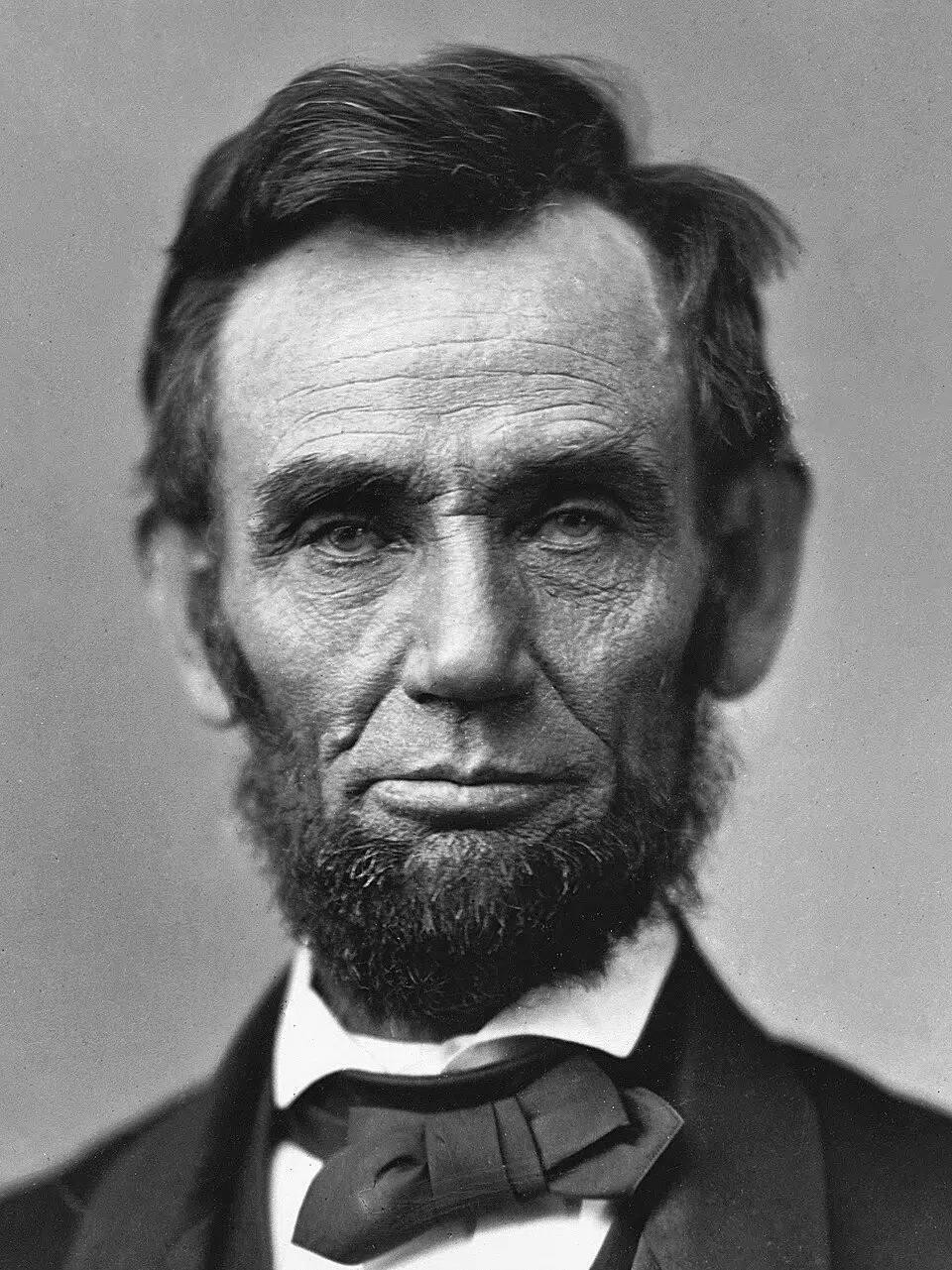
For many years, Thanksgiving was commonly observed on the last Thursday in November.
The tradition became stronger after President Abraham Lincoln issued a national Thanksgiving proclamation during the Civil War. Later presidents continued the practice, and the last Thursday of November became the date many Americans expected.
Most years, this caused no problem.
The issue came up when November had five Thursdays. In those years, the last Thursday fell very late in the month. That meant fewer shopping days between Thanksgiving and Christmas.
That became a major concern in 1939.
Why President Roosevelt Changed the Date
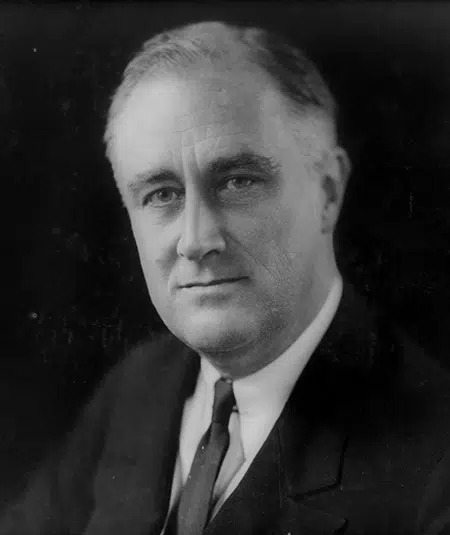
In 1939, the United States was still recovering from the Great Depression. Many businesses were struggling, and retailers wanted a longer Christmas shopping season.
That year, the last Thursday in November fell on November 30. President Franklin D. Roosevelt decided to move Thanksgiving one week earlier, to November 23.
His goal was economic. By moving Thanksgiving earlier, he hoped stores would have more time to sell holiday goods before Christmas.
Some business owners supported the idea. They believed the extra shopping days could help sales.
Others disliked the change. Many Americans felt Thanksgiving should stay on the traditional date. Some people also saw the decision as too political. Critics even gave the earlier holiday a nickname: “Franksgiving.”
States Did Not All Agree
Roosevelt could issue a national Thanksgiving proclamation, but states still had influence over their own holiday calendars.
That led to confusion.
Some states followed Roosevelt’s earlier date. Others stayed with the tradition last Thursday. A few recognized both dates.
Texas was one of the states that ended up with two Thanksgiving observances in certain years.
This meant the federal government might recognize one Thanksgiving date, while Texas still honored another. For schools, offices, churches, families, and football schedules, the situation could get complicated.
Why Texas Kept the Older Date
Texas had several reasons for holding onto the traditional Thanksgiving date.
First, many people saw the last Thursday in November as the proper date. It had been a familiar custom for years.
Second, some Texans did not like the idea of changing a holiday for retail shopping. To them, Thanksgiving was tied to tradition, not store calendars.
Third, there was a political side. Roosevelt’s New Deal policies had both supporters and critics, and the Thanksgiving change became part of that larger debate.
Governor W. Lee “Pappy” O’Daniel supported keeping the traditional date in Texas. As a result, Texas continued to recognize the older Thanksgiving date even when the federal government promoted the earlier one.
The Role of Football
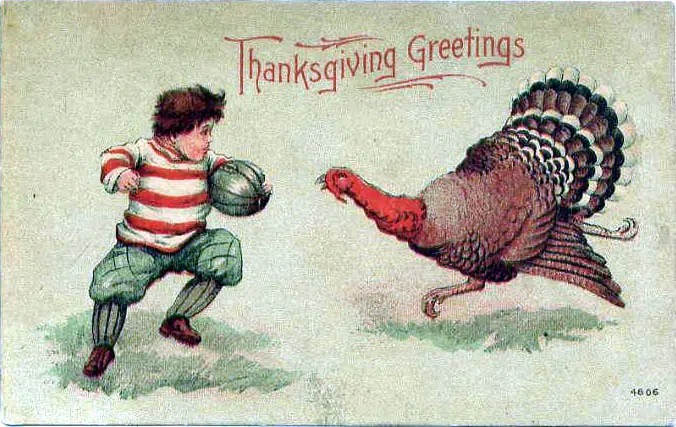
Football also helped make the issue more noticeable.
Thanksgiving football games were already popular by the 1930s. In Texas, football schedules were important for schools, colleges, towns, and fans.
Moving Thanksgiving by a week affected games that had already been planned. Some events stayed on the traditional date. Others followed the federal date.
In some years, this gave Texans football connected to both Thanksgiving dates. That may have been enjoyable for fans, but it added confusion for organizers and families.
Business and Calendar Problems
The change also affected businesses and public schedules.
Retailers wanted more shopping time before Christmas. Schools and government offices needed to know when to close. Calendar makers, travel planners, churches, and local groups had to decide which Thanksgiving date to follow.
For many people, the issue was less about having two big holiday meals and more about planning.
A family might celebrate on the date when relatives were available. A workplace might close on one date while a school observed another. Local traditions also played a role.
Texas’ two-Thanksgiving period was really a calendar disagreement that reached into everyday life.
Congress Creates a Standard Date
The disagreement continued for a few years.
To settle the issue, Congress passed a law in 1941 setting Thanksgiving as the fourth Thursday in November. President Roosevelt signed it, and that became the national standard.
This was a compromise.
Thanksgiving would no longer move around based only on presidential preference. It also would not always fall on the last Thursday, since some Novembers have five Thursdays.
The fourth Thursday gave the country a predictable date.
Texas Held Out Longer
Even after the federal government set the fourth Thursday as the national Thanksgiving date, Texas did not immediately follow it in every case.
In years when November had five Thursdays, Texas sometimes continued to recognize the last Thursday as Thanksgiving. That allowed the state to have two Thanksgiving observances in certain years.
Texas recognized two Thanksgiving dates in several years, including 1939, 1940, 1941, 1945, 1950, 1951, and 1956.
The state eventually brought its holiday calendar in line with the federal date.
Did Texans Really Celebrate Twice?

Some Texans may have enjoyed two holiday meals, but that was not the main point.
The two dates did not mean every household roasted two turkeys or held two full family gatherings. In many cases, people simply followed whichever date mattered most to their school, workplace, church, or family schedule.
For some, the federal date was more practical. For others, the traditional Texas date felt more familiar.
The result was a split observance rather than one statewide double celebration.
Why This History Is Interesting
Texas’ two Thanksgivings show how a holiday date can be shaped by economics, politics, and local tradition.
Roosevelt wanted to help retailers during a difficult economic period. Some states accepted the change. Others preferred the old custom. Texas chose to keep the traditional date for longer than most.
The story also shows that holidays can change over time. The dates that feel permanent today often became standard only after years of debate and adjustment.
Conclusion
Texas once celebrated two Thanksgivings because the nation disagreed over when the holiday should take place.
President Roosevelt moved Thanksgiving earlier in 1939 to extend the Christmas shopping season. Some states followed him, while others kept the traditional last Thursday in November. Texas recognized both dates in some years and continued to favor the older tradition longer than many other states.
Eventually, the fourth Thursday in November became the national standard, and Texas followed that calendar too.
Today, the two-Thanksgivings period remains an unusual but useful piece of Texas and American holiday history.
Comments (0)
No comments yet. Be the first to share your thoughts.
Leave a comment