


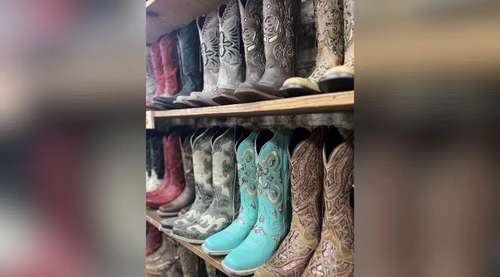
Vintage cowboy boots have become one of the most interesting corners of Texas' Western culture. What was once simply a practical way to buy affordable used boots has evolved into a thriving market filled with collectors, fashion enthusiasts, ranchers, musicians, and people looking for quality craftsmanship that is difficult to find in mass-produced footwear.
Walk into a specialty vintage boot shop in Austin, Fort Worth, Dallas, or Lockhart, and you'll quickly notice that many older boots don't stay on the shelves for long. Some buyers are searching for handmade Luccheses from decades ago, while others want a well-worn pair with character that can still be worn every day. The reasons vary, but the result is the same: the vintage Texas boot market continues to attract new buyers year after year.
Several factors have helped keep this market active, from the durability of handmade boots to growing interest in sustainable fashion and Texas heritage.
Quality Boots Were Built to Last
The biggest reason vintage cowboy boots remain desirable is that many were originally made to last for decades.
Unlike much of today's inexpensive footwear, traditional cowboy boots from respected makers were constructed using premium leather, leather linings, stacked leather heels, and welted construction that allows worn soles to be replaced rather than forcing the entire boot to be discarded.
Because of that, a pair of boots made forty or fifty years ago may still have plenty of life remaining after professional restoration. For buyers, that makes vintage boots something very different from ordinary secondhand shoes—they are products designed to be repaired and worn again.
This durability created the foundation for today's resale market.
Texas Has a Long History of Bootmaking
Texas has produced some of America's best-known cowboy boot manufacturers, giving the state a steady supply of boots that eventually entered the vintage market.
Collectors regularly search for older pairs from Lucchese, Justin Boots, Rios of Mercedes, Fenoglio Boot Company, and historic makers whose production methods have changed over the decades. Many enthusiasts appreciate older construction techniques, stitching styles, or leather finishes that are no longer common.
Because these companies built reputations around craftsmanship, older examples continue attracting buyers long after their original owners purchased them.
Every Pair Has a Story
Vintage boots appeal to many people because they carry visible history.
Creases across the vamp, softened leather, repaired soles, and naturally aged patina all reflect years of genuine use. Unlike artificially distressed products, these marks developed through ranch work, rodeos, dancing, travel, weddings, or everyday life.
Many buyers enjoy imagining where a pair has been. While the previous owner's story may never be fully known, the boots often feel more personal than something fresh from a factory shelf.
That sense of history is difficult to reproduce in new products, making vintage boots especially appealing.
Sustainability Has Brought New Buyers
The growth of secondhand shopping has also strengthened the vintage boot market.
Consumers increasingly recognize that extending the life of well-made products reduces waste and makes better use of existing resources. A quality pair of cowboy boots that can be cleaned, conditioned, and resoled offers a much longer lifespan than many modern shoes designed for replacement after only a few years.
For environmentally conscious shoppers, vintage boots combine sustainability with durability. Instead of buying disposable footwear, they invest in something that may continue serving them for decades.
That practical approach aligns well with the traditional Texas mindset of maintaining quality equipment rather than replacing it unnecessarily.
Fashion Trends Continue to Rediscover Western Style
Vintage cowboy boots have also benefited from recurring fashion cycles.
Western-inspired clothing regularly returns to mainstream fashion, appearing on runways, in music, and throughout social media. Rather than buying new boots that imitate older designs, many shoppers prefer authentic vintage pairs with genuine age and craftsmanship.
Musicians, artists, and creative professionals have also embraced vintage boots because no two pairs look exactly alike. The individuality of worn leather, older stitching patterns, and discontinued colors makes every purchase feel unique.
As interest in Western fashion grows, so does demand for original boots from earlier decades.
Specialty Shops Have Made Vintage Boots Easier to Find
One major reason the market continues moving is the growth of businesses that specialize in vintage cowboy boots.
Among the best-known is Full Circle Vintage, which began in Austin before expanding to Lockhart. Rather than treating cowboy boots as just one category among many vintage items, the shop focuses heavily on carefully selected boots sourced from across Texas and beyond. Its founders have spoken about preserving craftsmanship and keeping quality boots in circulation rather than allowing them to disappear. Their work has helped introduce many younger buyers to the world of vintage Western footwear.
Other Texas buyers search antique malls, estate sales, flea markets, resale boutiques, and independent vintage stores throughout the state. Online marketplaces have also expanded access, allowing collectors to search for specific brands, sizes, or decades without waiting for local inventory.
Together, these sources make vintage boots more accessible than ever before.
Restoration Keeps Older Boots Wearable
The vintage market depends on more than finding old boots. It also relies on skilled people who know how to restore them.
Experienced boot repair shops throughout Texas replace worn soles, rebuild heels, restitch loose seams, repair welts, and carefully condition dried leather. These repairs allow many boots to continue serving their new owners for years after changing hands.
Unlike disposable footwear, premium cowboy boots are designed with maintenance in mind. Buyers often see restoration not as damage control but as part of responsible ownership.
That repair culture helps keep older boots circulating instead of ending up in landfills.
Collectors Continue Searching for Rare Finds
Not every buyer is looking for everyday boots.
Collectors often search for discontinued stitching patterns, unusual leather types, limited production models, or boots made by famous custom makers. Vintage Lucchese boots, early Rios of Mercedes pairs, and boots associated with respected craftsmen can attract significant attention among enthusiasts.
Some collectors specialize in a single brand, while others focus on boots from specific decades or regions of Texas. The ongoing search for rare examples creates steady activity within the market.
Because every discovery is different, collecting remains as much about the hunt as the purchase itself.
Custom Boots Eventually Become Vintage Boots
Interestingly, today's custom boots often become tomorrow's vintage treasures.
Bootmakers such as Rocketbuster Handmade Custom Boots, M.L. Leddy's, and other Texas artisans produce personalized boots that reflect individual customers through custom stitching, initials, artwork, or family brands. Decades later, those same details make the boots especially interesting to collectors.
Custom boots often represent a moment in someone's life, whether created for a wedding, rodeo career, retirement, or professional achievement. That personal history adds another layer of appeal once the boots enter the vintage market.
Texas Heritage Keeps Interest Strong
Cowboy boots remain closely connected to Texas identity.
Visitors often purchase boots as meaningful souvenirs, while longtime Texans continue wearing them for ranch work, church, weddings, county fairs, concerts, and everyday life. Because boots remain part of daily culture rather than becoming historical artifacts, older pairs never lose their relevance.
That connection to Texas heritage gives vintage boots an advantage over collectibles that no longer serve a practical purpose. They can still be worn while preserving a link to the state's history.
For many buyers, owning vintage boots feels like participating in that tradition.
Younger Buyers Are Joining the Market
The vintage boot market isn't supported only by longtime collectors.
Many younger shoppers are discovering cowboy boots through vintage clothing stores, Western fashion, country music, and social media. Rather than viewing older boots as outdated, they often appreciate the authenticity and craftsmanship that distinguish vintage footwear from newer alternatives.
This generational interest helps keep demand steady. As experienced collectors continue searching for rare pieces, new buyers enter the market looking for their very first pair.
That combination of experienced enthusiasts and first-time shoppers creates healthy turnover throughout the state.
Why the Market Shows No Signs of Slowing Down
The vintage Texas boot market continues moving because it is built on qualities that don't go out of style. High-quality construction means older boots remain wearable. Skilled restoration keeps them in circulation. Texas' long bootmaking tradition supplies generations of well-crafted footwear, while collectors, fashion enthusiasts, and everyday buyers all bring different reasons for shopping.
Businesses such as Full Circle Vintage in Austin and Lockhart, along with antique stores, estate sales, Western retailers, and resale shops across Texas, have made it easier than ever to discover older boots with plenty of life remaining. At the same time, respected makers such as Lucchese, Justin Boots, Rios of Mercedes, and Fenoglio Boot Company continue producing boots that may one day become tomorrow's vintage classics.
In the end, the market is driven by more than nostalgia. People continue buying vintage Texas cowboy boots because they offer craftsmanship, durability, individuality, and a genuine connection to the state's Western heritage. As long as Texans value those qualities, the market for vintage boots is likely to remain just as active as it is today.
Comments (0)
No comments yet. Be the first to share your thoughts.
Leave a comment