


In the early 20th century, the oil fields of Texas weren't just places of industry — they were crucibles where grit, chaos, hope, and sometimes heartbreak forged unforgettable human stories. Long before pipelines stretched across states and global markets hummed with energy futures, there were derricks and roughnecks, boomtowns and dry holes, and everyday people who risked everything chasing "black gold."
These are not the sanitized headlines of corporate filings or textbook summaries of economic booms. These are the voices of men and women who stood on muddy floors, climbed ladders dizzyingly high, and lived through the boom-and-bust rhythms that defined Texas oil history.
From quiet reflections to bold exclamations, the stories etched in Tales from the Derrick Floor and preserved in the Bullock Museum's Oil Workers Campfire Stories remind us that Texas's oil legacy was — and still is — a deeply human one.
When Spindletop Changed the World
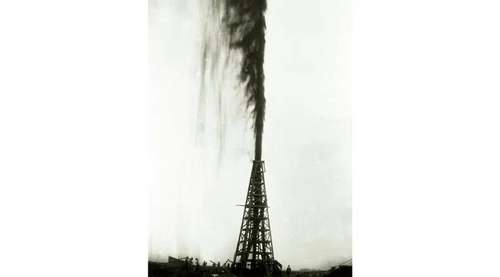
January 10, 1901, changed everything. At Spindletop Hill near Beaumont, a well known as "Lucas #1" erupted, shooting oil skyward and igniting the first great Texas oil boom. Overnight, Beaumont's population exploded, and the sleepy Gulf Coast town became the epicenter of a rush that would redefine the Lone Star State.
But what was it like to be there? Not glamorous. Not tidy. Not easy.
"I wanted water, and they got me oil," W.T. Waggoner from Electra said, remembering the early chaos of discovery. "I was mad, mad clean through. I said, 'Damn the oil. I want water.'"
That quote — raw, frustrated, and unforgettable — captures the paradox of those early boom years. Oil didn't just change landscapes. It upended lives and reoriented dreams in ways no one truly expected.
Mud, Sweat, and Boomtown Streets
For thousands of workers who poured into towns like Corsicana, Borger, Wink, Ranger, Humble, Wichita Falls, Mexia, and Kilgore, life was a daily grind against dust, heat, uncertainty, and the promise of wealth.
On boomtown streets, boardwalks turned to mud in the rain, tents sprouted where none had stood before, and makeshift boarding houses charged nearly half a day's pay for a cot. Meanwhile, saloons erupted with card games, bets, fights, and laughter — a combustible mix of exhilaration and desperation.
One oil worker, H.P. Nichols, had a blunt memory of Beaumont's early days: "The city water… was soupy. Its odor clearly indicated the presence of alligator, bullfrogs, and fish. Everyone soon learned if the water was used for drinking purposes that it caused severe stomach cramps."
Mary Rogers, another oil field hand, talked about makeshift living conditions that barely qualify as shelter. "There were people living in tents with children.… Some were just living in their cars," she said.
These memories convey something important: oil towns were not utopias overnight. They were rough, unpredictable, and often unforgiving.
Life on the Derrick Floor
Work on the derrick floor was physically brutal. Workers known as roughnecks toiled long shifts hauling pipe, slinging cables, and wrestling with heavy machinery under searing sun or freezing gloom. There was no room for hesitation. Every misstep could mean injury — or worse.
Here, stories took on a life of their own. They became part confession, part community folklore, passed from hand to hand like tools carried up the rig's ladders. From this oral tradition emerged a distinct culture filled with tall tales, gallows humor, stubborn pride, and unforgettable voices.
At times the oil seemed to take on its own personality.
"There's something down there," said Al Hamill, a Spindletop driller recalling that first massive gusher with a mix of awe and stubborn belief.
Another worker remembered the frenzied atmosphere after Spindletop erupted: "Beaumont looked like a circus day, every day, with map vendors and peddlers of souvenir bottles filled with oil crying their wares."
These weren't just memories. They were the lifeblood of the oil worker community — warnings, legends, shared laughter, and sober truth.
Boom, Bust, and Brotherhood
Despite the hardship, there was a strong sense of camaraderie among oil hands. They shared meals and stories, leaned on one another in hard seasons, and built friendships deeper than any derrick foundation. The lines between coworker and family blurred, especially when travel and isolation were constants.
Boomtowns swelled with newcomers — farmers turned oil hands, adventurers chasing rumors of strikes, and families trying to find a foothold in bustling towns. But oil wealth was fickle, and dry holes or busted wells could reduce fortunes to dust overnight.
For many, the work was about more than paychecks. It was about identity — the pride of mastering rough terrain, enduring long hours, and returning home with a story. It was part bravery, part stubbornness, and all Texas.
The Legacy Still Lives
Today, Texas remains a powerhouse in the energy world. The oil fields are more sophisticated, the economy more global, and the technologies far more advanced. Yet the spirit of those early workers — their bravery, their stories, their collective memory — still lingers.
Roughnecks still climb derricks. Wildcatters still chase new prospects. And around campfires or kitchen tables, the old stories get told again, reminding us that Texas oil history isn't just about derricks and profits — it's about people.
When we read voices like W.T. Waggoner's, Al Hamill's, or Mary Rogers's, we're reminded that the Lone Star State wasn't just built on oil — it was built by people willing to risk everything to find it.

Comments (0)
No comments yet. Be the first to share your thoughts.
Leave a comment