


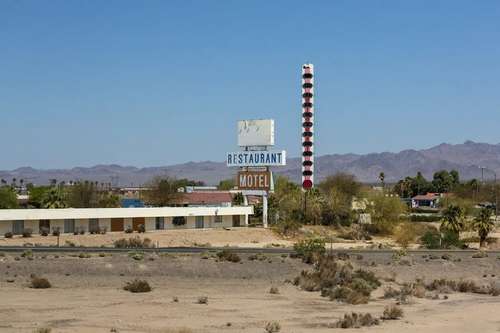
When U.S. Route 66 was officially designated in 1926, it quickly became one of the most important highways in American history. Stretching from Chicago to Santa Monica, the road cut across eight states and carried migrants, tourists, truckers, and dreamers westward. In Texas, Route 66 ran for just under 180 miles across the Panhandle, yet that short stretch played an outsized role in the development of roadside culture. At the center of that culture were the motels that lined the highway, offering rest, meals, and a sense of familiarity to travelers moving across long distances.
The story of Route 66 motels in Texas mirrors broader changes in transportation, tourism, and American travel habits. Their rise was tied to the growth of automobile ownership and long-distance road travel. Their decline followed the construction of the Interstate Highway System and shifts in lodging preferences. Today, the remnants of these motels tell a story of ambition, adaptation, and economic change.
Before Route 66: Early Roadside Lodging in Texas
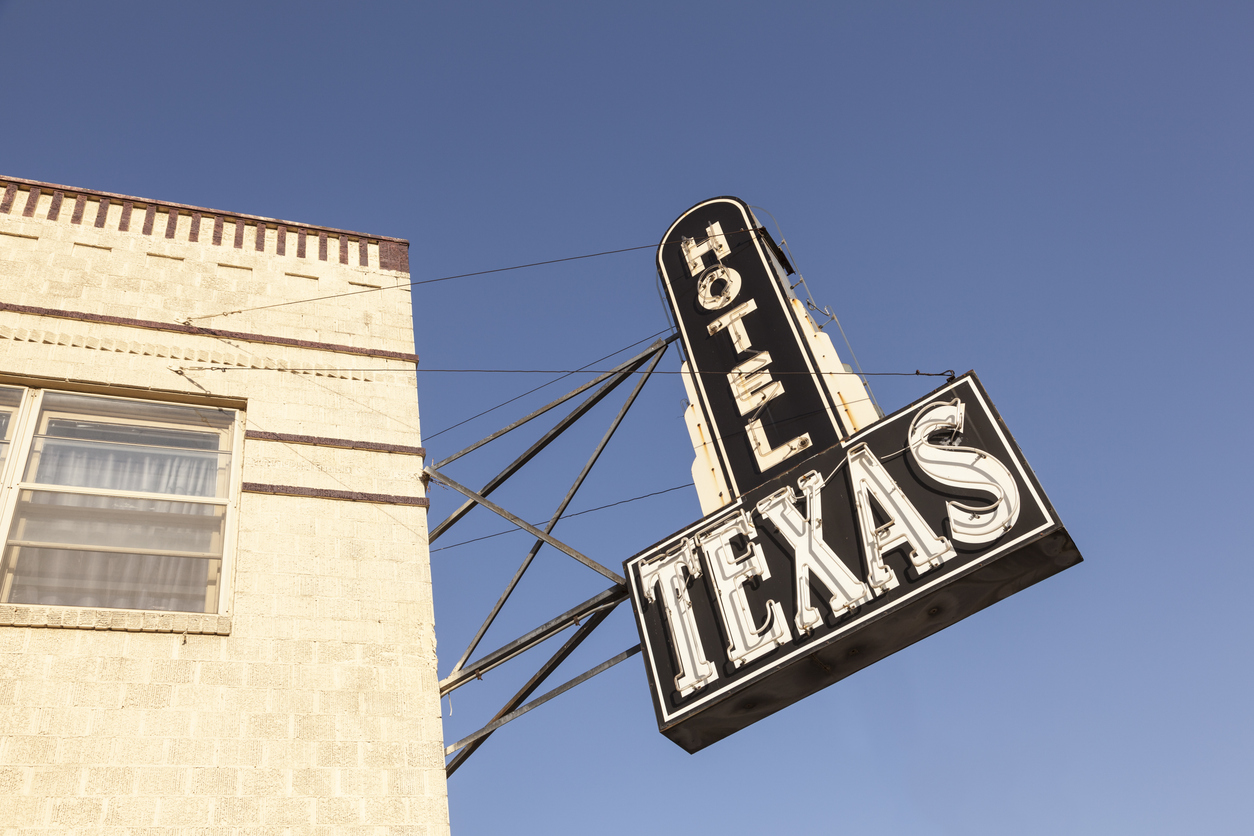
Before Route 66, long-distance travel in Texas was slow and often uncomfortable. Railroads dominated interstate transportation, while automobiles were still a luxury item in the early twentieth century. Travelers who did drive relied on boarding houses, rooming houses, or small hotels located in town centers. Rural areas offered few formal accommodations.
As automobile ownership expanded after World War I, Texas saw increased demand for roadside lodging. Early “tourist camps” appeared along major roads, including the future Route 66 corridor. These camps were simple affairs, often little more than cleared land where travelers could pitch tents. Some offered basic amenities such as water pumps, outhouses, and fire pits. Over time, owners added cabins, showers, and small office buildings.
These tourist camps laid the foundation for the motel industry. They reflected a growing expectation among travelers that overnight accommodations should be accessible, affordable, and close to the road.
The Arrival of Route 66 in the Texas Panhandle
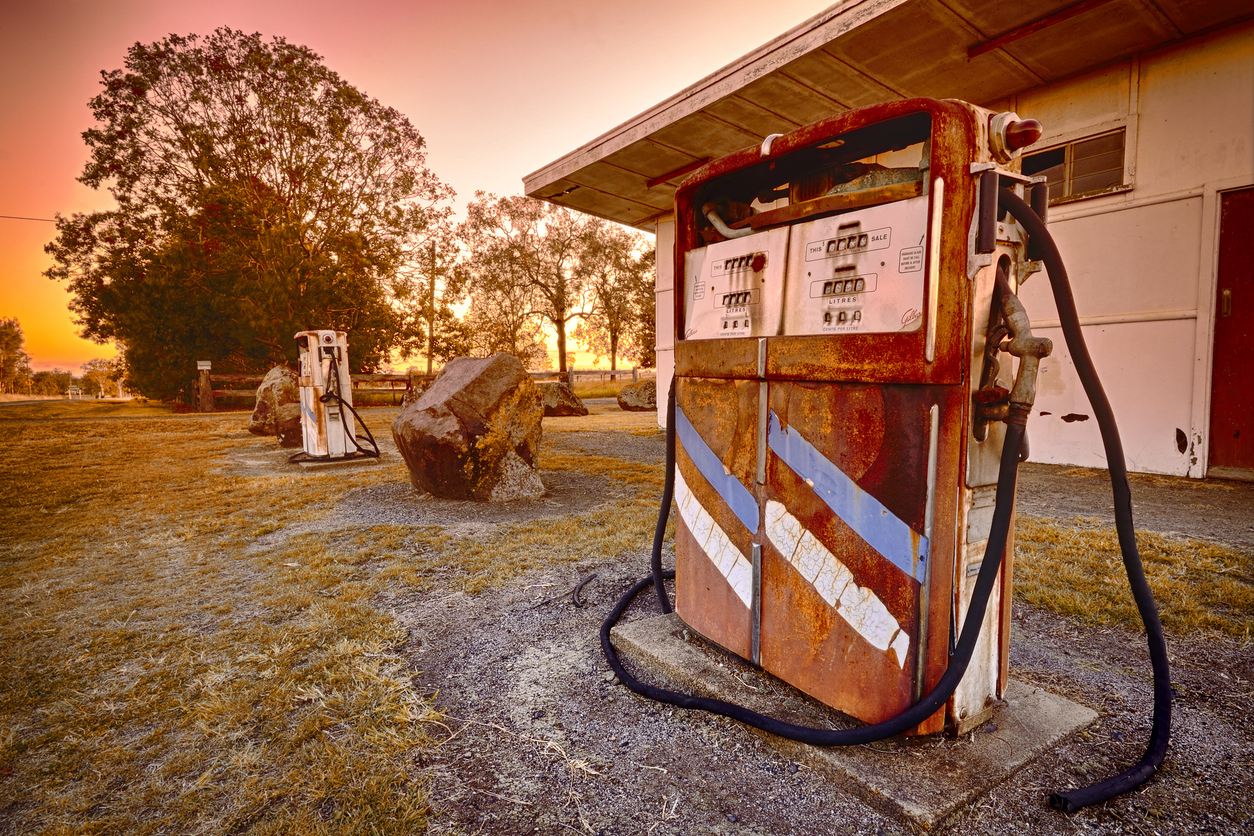
When Route 66 was designated, it followed existing roads across the Texas Panhandle, passing through towns such as Shamrock, McLean, Groom, Amarillo, Vega, Adrian, and Glenrio. These towns quickly recognized the economic potential of highway traffic. Gas stations, cafes, and lodging facilities sprang up to serve the steady stream of vehicles.
The Panhandle’s geography played a role in shaping motel development. Long distances between major cities made overnight stops necessary. Travelers often reached the Texas stretch of Route 66 after hours of driving through Oklahoma or New Mexico. Motels offered a welcome pause in an otherwise demanding journey.
Early Route 66 motels in Texas ranged from modest cabin courts to larger establishments modeled after urban hotels. Many were family-owned businesses, built with local materials and designed to appeal to passing motorists.
The Golden Age of Route 66 Motels
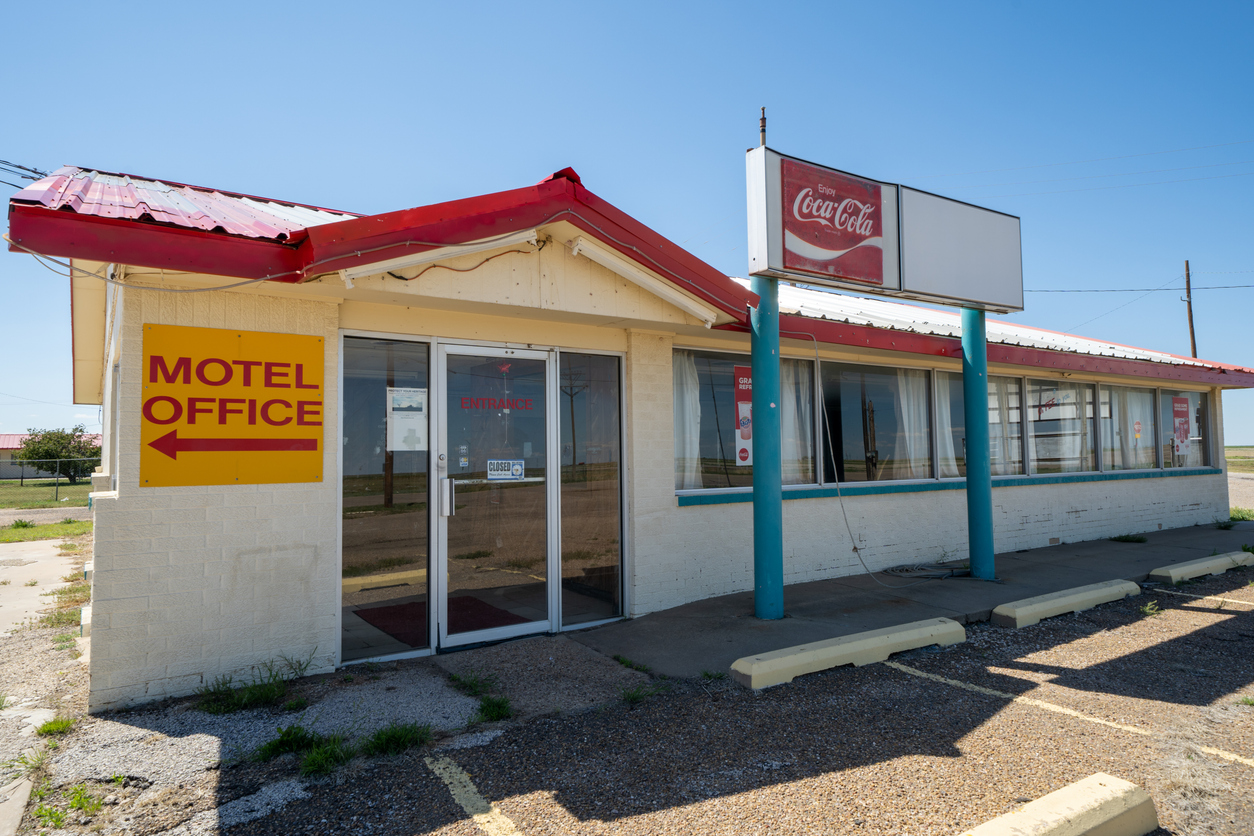
The peak years for Route 66 motels in Texas roughly spanned the late 1930s through the 1950s. Several factors contributed to this boom.
The Great Depression increased domestic travel by car as Americans sought affordable vacations closer to home. Route 66 became a major artery for Dust Bowl migrants heading west, many of whom passed through Texas and relied on roadside lodging. World War II temporarily slowed leisure travel but increased military and industrial traffic through the Panhandle. After the war, pent-up demand for travel surged.
Postwar prosperity transformed Route 66 into a symbol of freedom and leisure. Families packed into cars and headed west on summer vacations. Texas motels responded by expanding amenities and adopting modern designs meant to attract attention from the road.
Architecture and Design of Texas Route 66 Motels
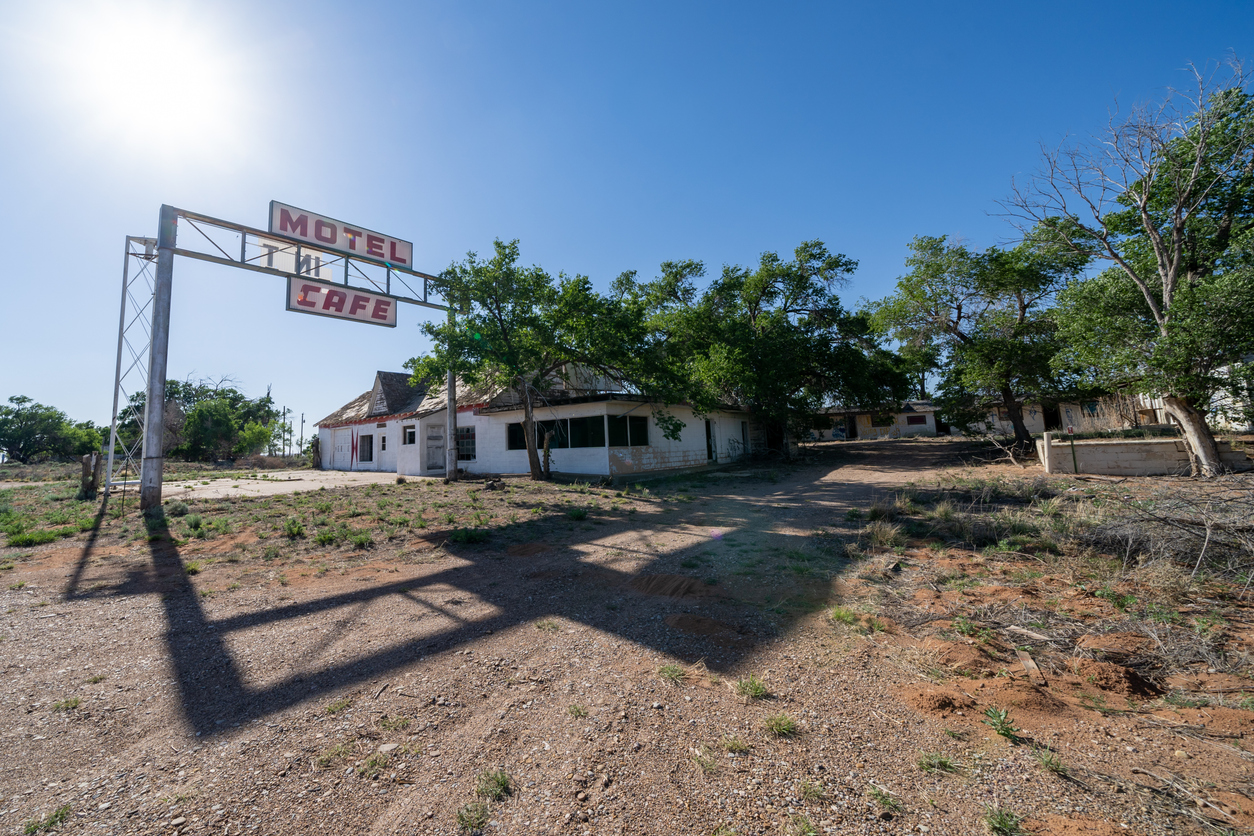
Route 66 motels in Texas reflected broader architectural trends while incorporating regional influences. Early motels often featured individual cabins arranged in a U-shape or straight line, allowing drivers to park directly outside their rooms. This design emphasized convenience and security.
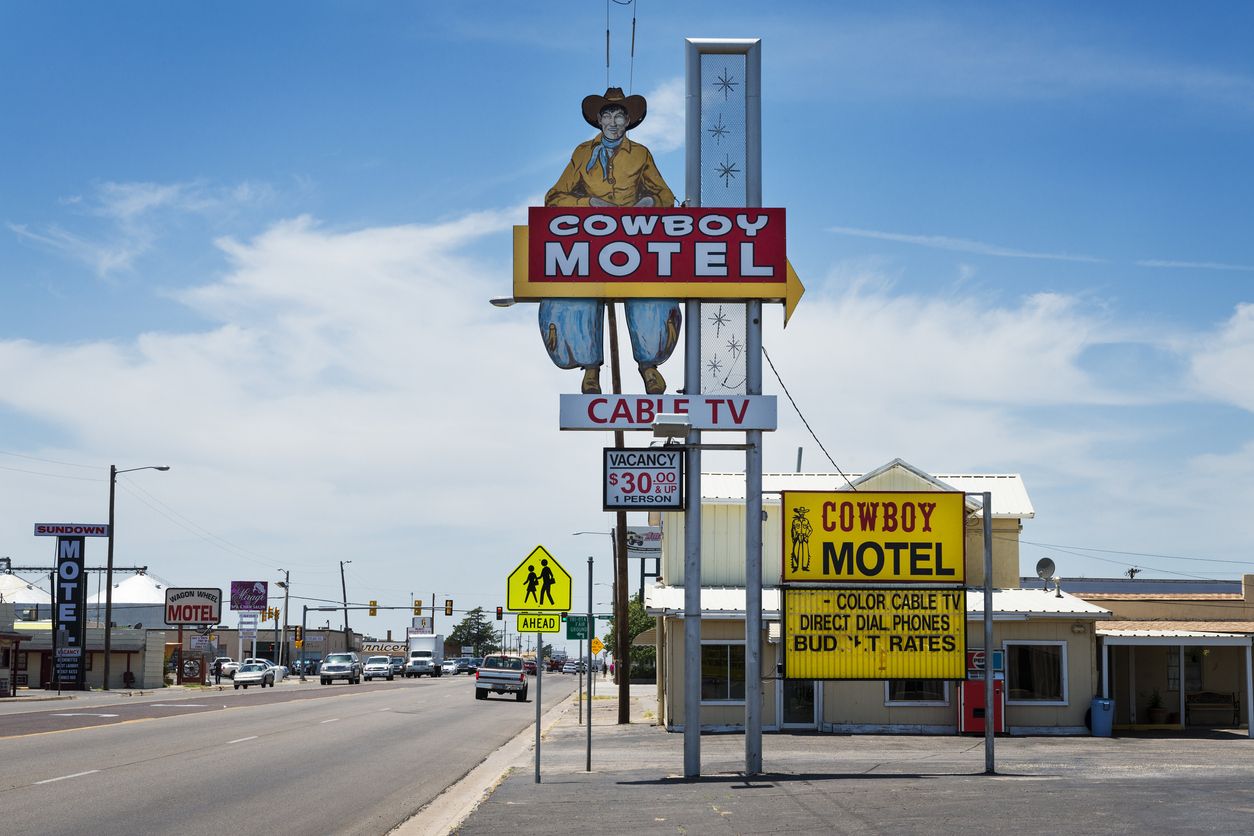
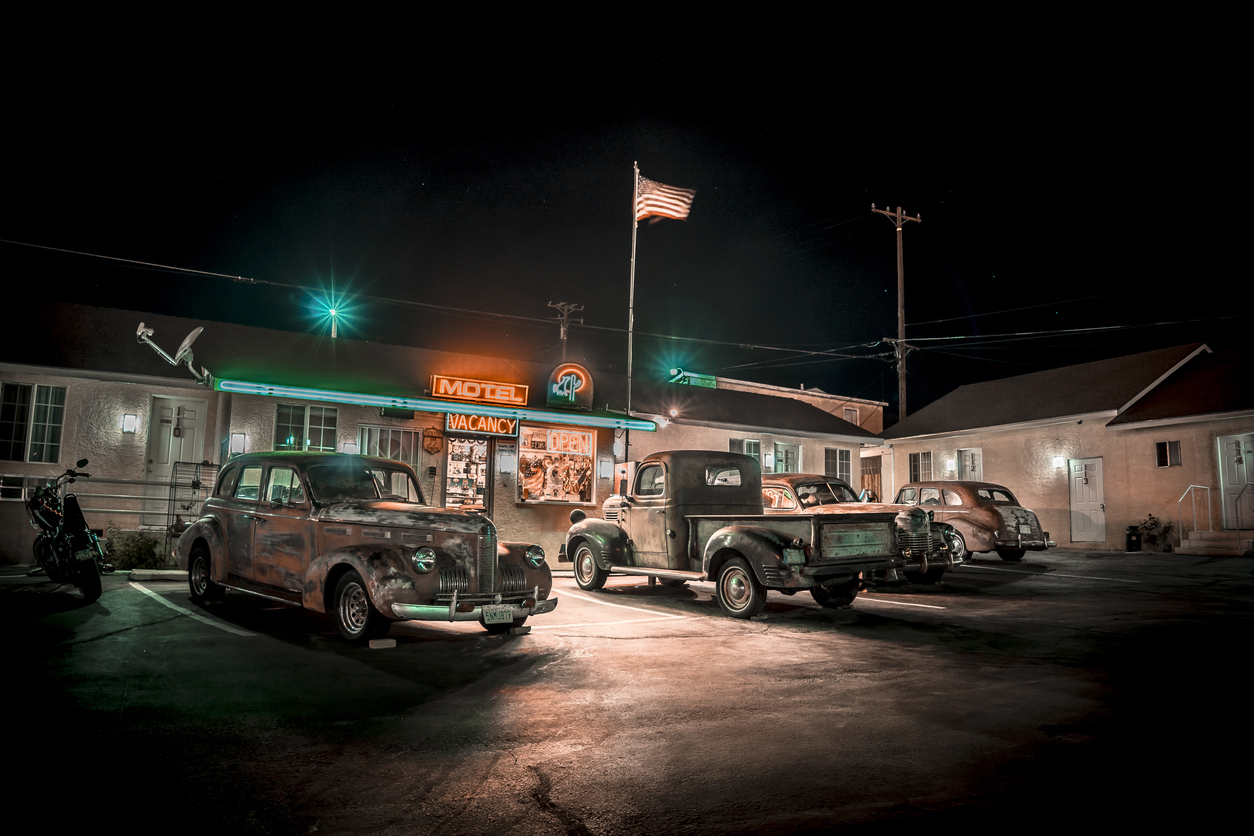
By the 1940s and 1950s, many motels adopted streamlined forms influenced by Art Deco and Midcentury Modern styles. Flat roofs, curved walls, and decorative stonework became common. Neon signs were a defining feature. Brightly lit signs advertising “Vacancy,” “Air Conditioning,” or “Color TV” were visible from a distance and helped motels stand out at night.
Some Texas motels embraced Western themes to appeal to travelers’ expectations. Faux adobe walls, wagon wheel decorations, and cowboy imagery appeared alongside more modern elements. These design choices blended regional identity with national trends.
Notable Route 66 Motels in Texas
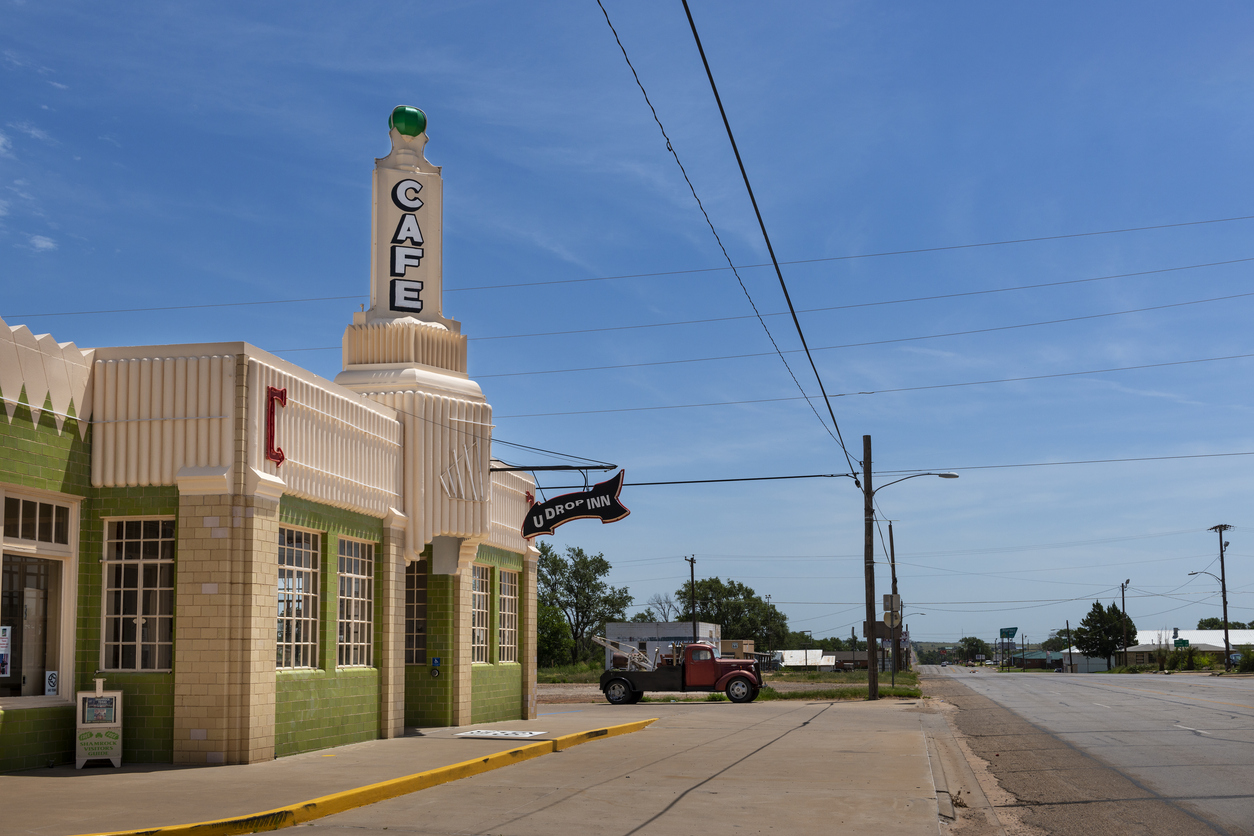
Several motels along Texas Route 66 became well known to travelers.
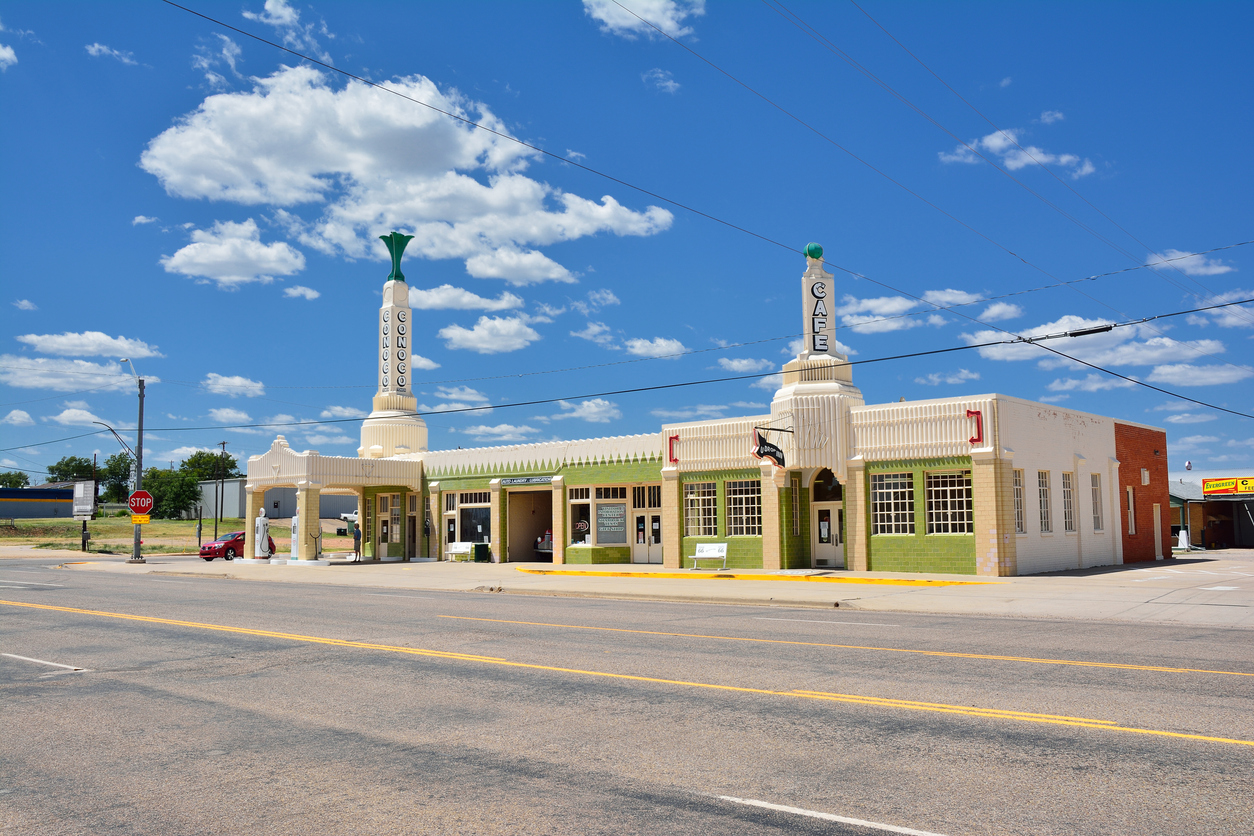
The U-Drop Inn in Shamrock, while primarily a gas station and cafe, helped anchor a cluster of motels that served motorists entering Texas from Oklahoma. Shamrock’s position near the state line made it a popular overnight stop.
In McLean, small cabin courts catered to both tourists and truck drivers. Groom, known for its cross-shaped water tower, supported multiple motels that benefited from steady highway traffic.
Amarillo emerged as the largest hub of Route 66 lodging in Texas. As a regional center, it offered everything from basic motor courts to larger motels with restaurants, lounges, and meeting spaces. The city’s size allowed some establishments to survive longer than those in smaller towns.
Vega and Adrian served travelers crossing the more rural western Panhandle. Adrian, located near the midpoint of Route 66, attracted visitors drawn to its symbolic significance. Glenrio, straddling the Texas-New Mexico border, featured several motels that catered to travelers eager to cross state lines.
Segregation and Travel Realities
The history of Route 66 motels in Texas cannot be separated from the realities of segregation. During the Jim Crow era, many motels refused service to Black travelers. As a result, African American motorists relied on resources such as the Green Book, which listed safe lodging, dining, and services.
In Texas, options for Black travelers along Route 66 were limited. Some towns offered no listed accommodations, forcing travelers to drive long distances without stopping. Others had private homes or small establishments that quietly welcomed guests. These barriers shaped travel patterns and added risk and stress to long road trips.
Understanding this aspect of Route 66 history provides a fuller picture of who the motels served and who they excluded.
Economic Impact on Panhandle Towns
Route 66 motels played a significant role in the economies of Texas Panhandle towns. They created jobs, supported local suppliers, and drew customers to nearby businesses. A successful motel could anchor a small town’s commercial district.
Local ownership meant profits often stayed within the community. Motel owners frequently lived on-site, managed day-to-day operations, and developed personal relationships with repeat customers. In smaller towns, motels also served as informal gathering places for locals.
Tax revenue from lodging supported municipal services and infrastructure. In some cases, towns invested in road improvements, signage, and tourism promotion to attract more travelers.
The Interstate Era and Decline
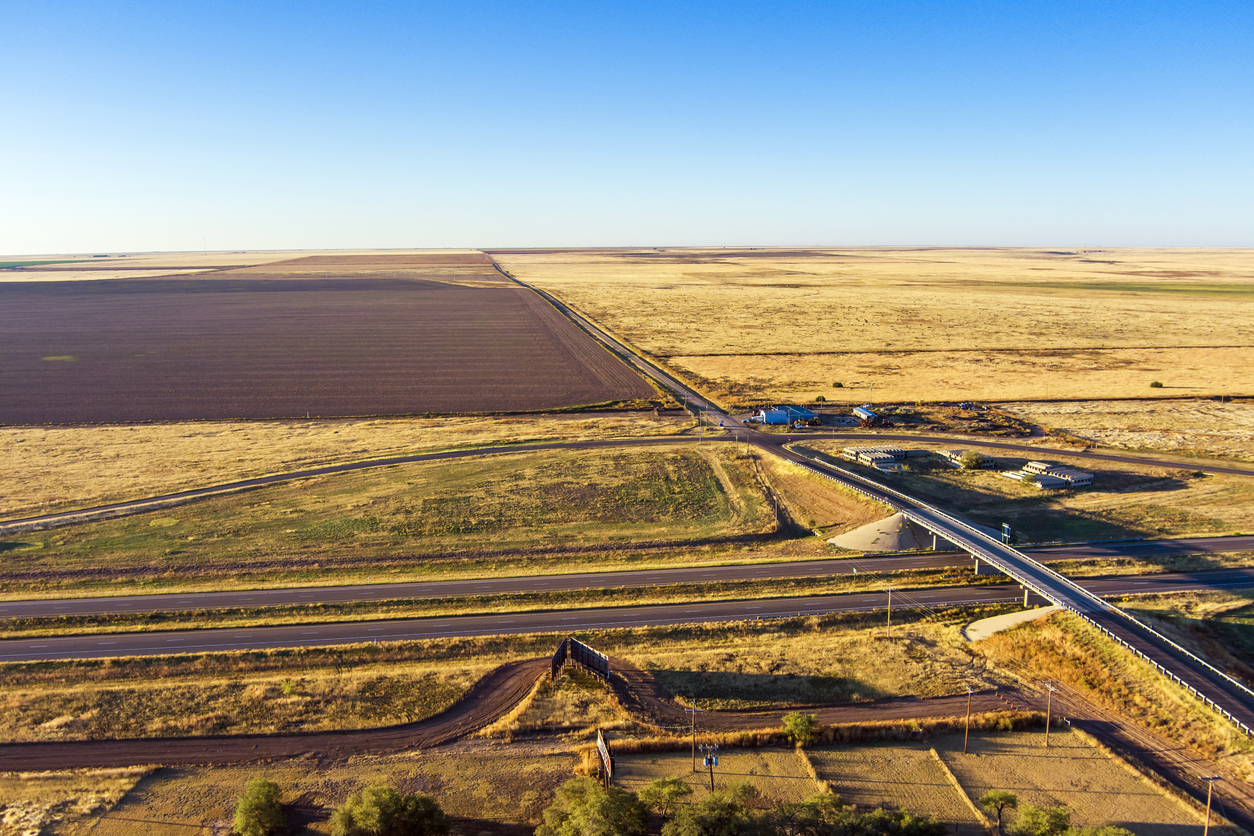
The decline of Route 66 motels in Texas began in the late 1950s with the construction of Interstate 40. Designed for speed and efficiency, the interstate bypassed many Route 66 towns or routed traffic away from their main streets.
As travelers shifted to the new highway, traffic on Route 66 dropped sharply. Motels that once relied on steady streams of motorists found themselves isolated. Some towns lost nearly all through traffic overnight.
Larger cities like Amarillo adapted more easily, as interstate exits still brought customers. Smaller towns such as Glenrio and Adrian suffered severe economic losses. Motels closed, were repurposed, or fell into disrepair.
At the same time, national motel chains expanded rapidly along interstates. These chains offered standardized rooms, centralized reservations, and consistent branding. Independent Route 66 motels struggled to compete with their scale and marketing power.
Changing Travel Preferences
Shifts in travel preferences also contributed to the decline of Route 66 motels. Travelers increasingly valued predictability and convenience. Chain motels promised uniform amenities, loyalty programs, and easy access to highways.
The rise of air travel reduced the number of long-distance road trips. Families who once spent days driving across states began flying to destinations instead. Business travel followed a similar pattern.
Additionally, older Route 66 motels often required costly updates to meet modern expectations. Adding private bathrooms, air conditioning, and updated electrical systems posed financial challenges for small operators.
Abandonment and Decay
By the 1970s and 1980s, many Route 66 motels in Texas stood vacant. Some were demolished, while others remained as weathered shells along the old highway. Neon signs went dark. Parking lots cracked and filled with weeds.
Ghost towns like Glenrio became symbols of Route 66’s decline. Once-busy motels now stood empty, their histories visible only through fading paint and broken windows.
These abandoned structures attracted photographers, historians, and travelers interested in roadside Americana. They also raised questions about preservation and reuse.
Preservation and Revival Efforts
Interest in Route 66 history grew in the late twentieth century. The highway’s official decommissioning in 1985 sparked nostalgia and preservation efforts. In Texas, local groups, historians, and entrepreneurs began working to save remaining motels and landmarks.
Some motels were restored and reopened as boutique accommodations. Others were converted into museums, visitor centers, or private residences. Preservation efforts often relied on grants, volunteer labor, and heritage tourism.
Shamrock’s restoration of the U-Drop Inn helped draw attention to the town’s Route 66 legacy. Amarillo leveraged its larger tourism infrastructure to promote Route 66 attractions. Smaller towns pursued niche tourism aimed at international visitors fascinated by American road culture.
Route 66 Motels Today
Today, few original Route 66 motels in Texas operate as they once did. Those that remain offer a blend of historical charm and modern updates. Guests often seek them out specifically for their connection to Route 66 rather than convenience alone.
Heritage tourism has given new life to some towns along the route. Travelers from Europe, Japan, and Australia frequently include Texas Route 66 stops in their itineraries. For these visitors, motels serve as tangible links to mid-twentieth-century America.
At the same time, many former motel sites exist only in photographs and memories. Their disappearance reflects broader economic shifts and changes in how Americans move across the landscape.
Cultural Legacy
The rise and fall of Route 66 motels in Texas represents more than a change in lodging. It reflects a transformation in American mobility, commerce, and identity. These motels embodied a period when travel was slower, more personal, and closely tied to local communities.
They also highlight the fragility of roadside economies dependent on transportation routes. A new highway could bring prosperity or erase it just as quickly.
As Texas continues to grow and modernize, Route 66 motels remain important markers of the state’s role in a national story. Their legacy endures in architecture, photography, travel writing, and popular memory.
Conclusion
Route 66 motels in Texas rose from simple tourist camps into vital hubs of travel and commerce. They served millions of motorists and helped shape the culture of the open road. Their decline followed predictable patterns driven by infrastructure changes, economic pressures, and evolving travel habits.
While many have vanished, their influence remains visible along the Panhandle’s historic highway. Preserved sites and surviving motels offer insight into a time when the journey mattered as much as the destination. Through these remnants, the story of Route 66 in Texas continues to inform how Americans understand travel, place, and change.
Comments (0)
No comments yet. Be the first to share your thoughts.
Leave a comment