


Texas has a long human history, stretching far beyond the ranching days and frontier era many people associate with the state. Long before towns and roads appeared, small communities lived across the region, adapting to the land in practical and resourceful ways. Every so often, an archaeological find helps us understand how those early populations lived. A recent discovery in West Texas offers exactly that kind of insight.
Inside a quiet rockshelter in a remote area, researchers found a bundle of hunting tools that had been resting there for about 6,500 years. The tools were preserved unusually well, thanks to the dry environment inside the cave. For archaeologists, this kind of preservation is uncommon and provides a rare opportunity to study a complete set of equipment used by early hunters in what is now Texas.
The discovery is interesting not because it changes everything we know, but because it adds helpful detail to a much older chapter of Texas history. The story remains evergreen because it highlights human adaptability, practical problem-solving, and daily life in a time that can otherwise feel distant.
A Well-Preserved Kit Inside a West Texas Rockshelter
The find was made in the San Esteban Rockshelter, an area known for its dry climate and protective natural features. Those conditions helped preserve materials that usually break down quickly, such as wood and hide.
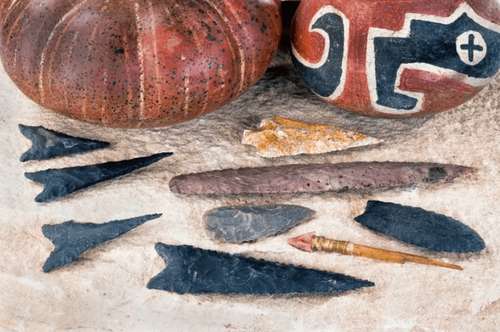
Inside the cave, archaeologists uncovered a carefully packed group of items that appear to represent a hunter’s full toolkit. These included:
- Stone dart points
- Wooden foreshafts for detachable tips
- Parts of an atlatl, a spear-thrower used to increase throwing distance
- A curved throwing stick similar to a non-returning boomerang
- A folded piece of animal hide
- Other small components likely related to hunting or tool maintenance
Finding these pieces together suggests they were intentionally stored. Someone placed the kit in the shelter, possibly planning to come back for it.
Why the Find Is Important for Understanding Early Texans
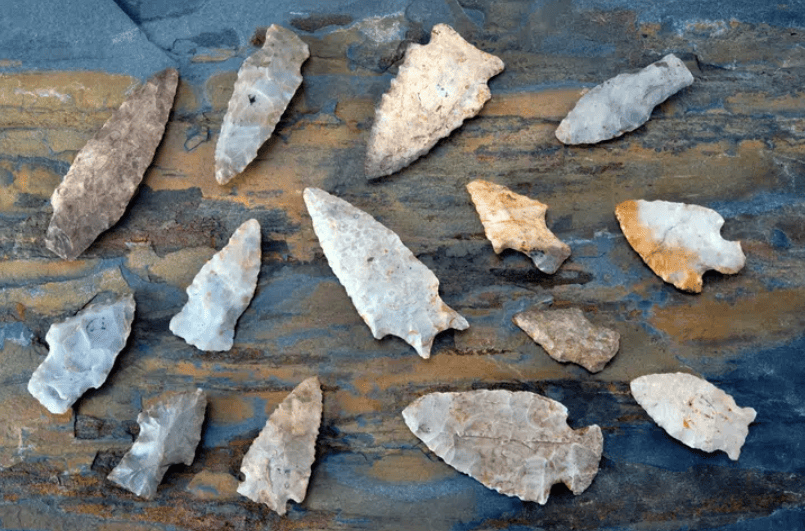
Many archaeological discoveries consist of individual artifacts found separately. Over time, weather, soil movement, animals, and erosion scatter items across wide areas. In contrast, the kit from the rockshelter remained intact. That gives researchers an unusually clear picture of the hunting tools used by people who lived in Texas thousands of years ago.
Here are a few reasons the find is valuable to science.
It provides insight into tool design and construction
The kit contains both stone and wooden parts, and each material serves a specific purpose. Stone points offered cutting power. Wooden foreshafts likely allowed hunters to attach and replace tips more easily. The atlatl helped increase distance and force, improving hunting efficiency.
Because the materials stayed in good condition, researchers can study how each piece was shaped, repaired, and assembled.
It hints at how hunters organized their equipment
The collection is not a random assortment. It seems to represent a complete working set. This helps researchers understand how tools were stored, carried, and maintained. It also gives a sense of what a hunter might need for different tasks, from preparing a projectile to retrieving meat from a hunt.
It broadens our knowledge of early life in Texas
The discovery does not answer every question about the people who lived in the area 6,500 years ago, but it helps fill in details. It shows they used a combination of wood, stone, and hide materials. It also shows they relied on a well-thought-out system of tools rather than simple or improvised equipment.
This kind of practical information helps archaeologists better understand how early communities survived in various environments throughout Texas.
A Look at the Technology in the Kit
Though the tools are simple by modern standards, they demonstrate a thoughtful approach to hunting.
The atlatl
An atlatl works like an extension of the arm. It adds leverage, which increases throwing distance and force. Hunters used it long before bows and arrows appeared in North America. The version found in Texas shows careful shaping and design, indicating the user understood how to make the tool effective.
Stone projectile points
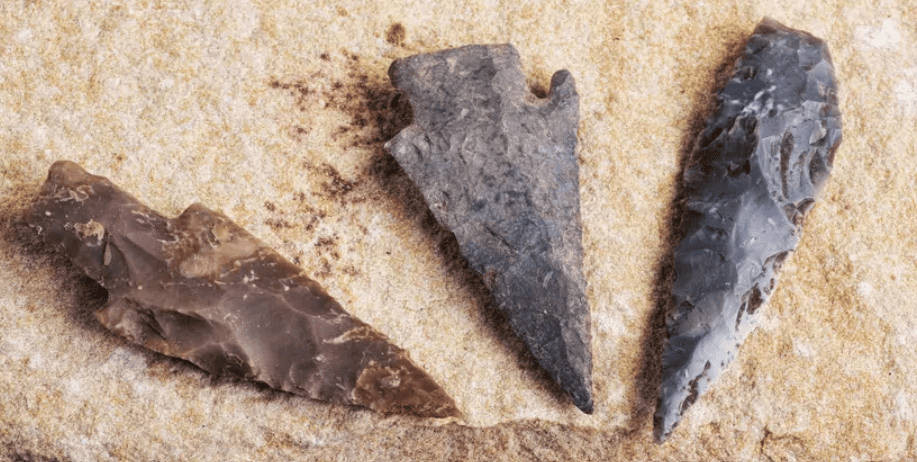
The dart points are shaped to fit onto foreshafts, which then attach to longer wooden shafts. This design allows damaged tips to be replaced without rebuilding the entire projectile. It is a practical method that makes sense for people who needed reliable equipment.
Wooden foreshafts
Some of the wooden pieces show signs that they may have been used for applying or holding plant-based substances, possibly including poisons. While the article mentions this possibility, the presence of poisons is not confirmed. The shape and construction, however, do suggest careful planning in how the points were meant to function.
The curved throwing stick
This object is similar to a boomerang, but not the returning kind. It is meant to fly straight and hit targets on the ground or in the air. These tools were common in various parts of the world and were useful for hunting small or medium-sized animals.
What the Kit Suggests About Life 6,500 Years Ago
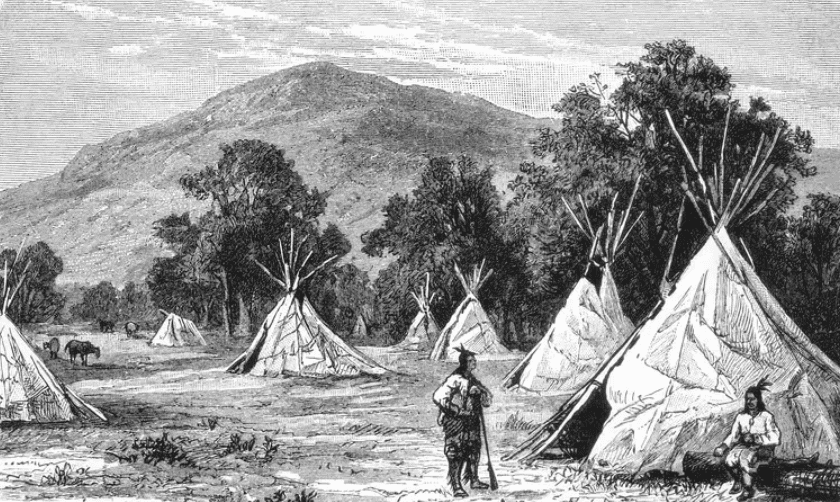
People living in Texas thousands of years ago faced challenges familiar to hunter-gatherer groups: finding food, using natural resources efficiently, and adapting to climate and terrain. The tools from the rockshelter offer clues about how they managed those tasks.
Mobility and planning
The kit’s design suggests that hunters moved around the landscape and prepared in advance for different situations. Storing a full set of tools in a sheltered place could mean the hunter planned to return. It may have served as a backup supply, similar to how modern hikers sometimes keep equipment at known waypoints.
Knowledge of materials
The combination of wood, stone, and hide shows an understanding of how each material behaves. The hunter selected the right components for each task, which suggests experience and practical knowledge passed down through generations.
Seasonal or temporary use of the shelter
Archaeological evidence from the site, including remains of small fires and other debris, indicates the area may have been used as a temporary camp. This does not necessarily mean permanent settlement, but it shows the shelter held value for people moving across West Texas.
Why the Discovery Matters Today
This find helps researchers better understand the long human timeline in Texas. It reminds us that the region has supported communities for thousands of years and that those early populations developed reliable tools suited to the land they lived on.
The discovery also highlights an important point for science: many insights come from small, practical details. A dart point, a foreshaft, a piece of hide, or a throwing stick may seem simple, but together they can explain how people lived, worked, and made decisions.
Archaeology often builds knowledge from these kinds of finds, not only from grand structures or large settlements. This kit adds one more helpful piece to a much larger puzzle.
A Continuing Story
The study of the rockshelter and its artifacts will continue. Researchers may learn more as they examine microscopic residues, wood patterns, tool marks, and other subtle details. Every step contributes to a clearer understanding of early life in Texas.
Even without dramatic interpretations or sweeping conclusions, the discovery stands on its own as a meaningful glimpse into the past. It shows the everyday tools a hunter needed, the care taken to build and store them, and the ways people adapted to their environment thousands of years ago.
For Texans, it is a reminder that the land has a long and steady history of human activity. For anyone interested in archaeology, it is a valuable example of how well-preserved artifacts can improve our understanding of early technology and planning.
And for readers who enjoy learning about the deep past, the story remains evergreen because it speaks to universal themes: practical problem-solving, adaptation to the environment, and the traces people leave behind.
Comments (0)
No comments yet. Be the first to share your thoughts.
Leave a comment