


Laws shape family life in ways that are easy to overlook. They affect where children go to school, how parents separate, how property is protected, how abuse is reported, and what choices families have during major life events.
Texas has its own long legal history, but families in the state have also been affected by federal court decisions, national constitutional changes, and major shifts in state policy. The changes below are among the most important because they touched everyday life, not just courtrooms.
Homestead Protections Helped Define Family Security

One of the most important legal ideas in Texas is the homestead protection. Texas law protects a family home from forced sale for most debts, with exceptions such as mortgage debt, taxes, home improvement liens, and certain other legal obligations. The Texas Constitution protects “the homestead of a family, or of a single adult person” from forced sale except in listed situations.
This mattered because it made the home more than just property. It became a protected place of stability. For families dealing with debt, business failure, medical bills, or economic hardship, homestead protections could help keep a roof over their heads.
The law also shaped how Texans thought about land, inheritance, and financial risk. In a state where land ownership has long been tied to independence and family identity, homestead law gave families a legal safety net.
Community Property Changed How Marriage and Money Are Viewed

Texas is a community property state, which means most property acquired during marriage is generally treated as belonging to both spouses. This legal approach affects divorce, inheritance, debt, and financial planning.
For families, the biggest impact appears when a marriage ends or one spouse dies. Community property rules recognize marriage as an economic partnership. A paycheck, house, retirement account, or business built during the marriage may not belong only to the person whose name is on the account or title.
This changed family life by making financial fairness a central part of marriage law. It also made recordkeeping important. Couples often need to know what was owned before marriage, what was inherited, and what was earned or purchased during marriage.
Divorce Law Made Separation More Practical

Modern Texas divorce law has affected families deeply because it changed how couples could legally end a marriage. Texas Family Code Chapter 6 includes “insupportability” as a ground for divorce, which means a court may grant a divorce when conflict or discord destroys the marriage and there is no reasonable expectation of reconciliation.
This is often understood as Texas’s version of no-fault divorce. Before no-fault divorce became common, one spouse often had to prove wrongdoing such as cruelty, adultery, or abandonment. That could make divorce longer, more hostile, and more public.
No-fault divorce did not make divorce easy, but it made it more realistic for families who needed a legal way to separate without turning every case into a blame contest. It also changed how courts handled related issues such as property division, child custody, and support.
Child Support Rules Created More Consistency

Child support laws changed family life by creating clearer expectations after parents separate. Texas Family Code Chapter 154 covers child support, including guidelines courts use when deciding how much support a parent may owe.
For children, the purpose is stability. A child still needs food, housing, clothing, school supplies, transportation, and medical care even when parents no longer live together.
For parents, child support guidelines made the system more predictable. Every case can still involve special circumstances, but the law gives courts a structure. That helps reduce some uncertainty during an already stressful time.
Custody Law Shifted Toward Parenting Responsibilities

Texas often uses the term “conservatorship” instead of custody. This legal language reflects a larger idea: courts are not only deciding where a child lives, but also who makes decisions, how parents share responsibilities, and what arrangement serves the child’s best interest.
This affected Texas families by moving the focus away from simply “winning custody.” Instead, the law asks practical questions: Who can make educational decisions? Who handles medical care? What visitation schedule supports the child? How can the child maintain safe and meaningful relationships?
For many families, this shift made parenting plans more detailed and structured. It also made courts more involved in designing arrangements that fit the child’s needs.
Compulsory Education Laws Made School a Family Obligation

Education law has had a major impact on Texas families. Under Texas Education Code Section 25.085, children who are required to attend school must attend each school day for the full period instruction is provided.
This changed family life by making school attendance a legal responsibility, not just a personal choice. Parents and guardians became part of the enforcement system because they are expected to ensure that children attend school.
Compulsory education also affected child labor, family schedules, transportation, and community expectations. Over time, school became one of the main institutions around which family life is organized.
Child Abuse Reporting Laws Expanded Community Responsibility
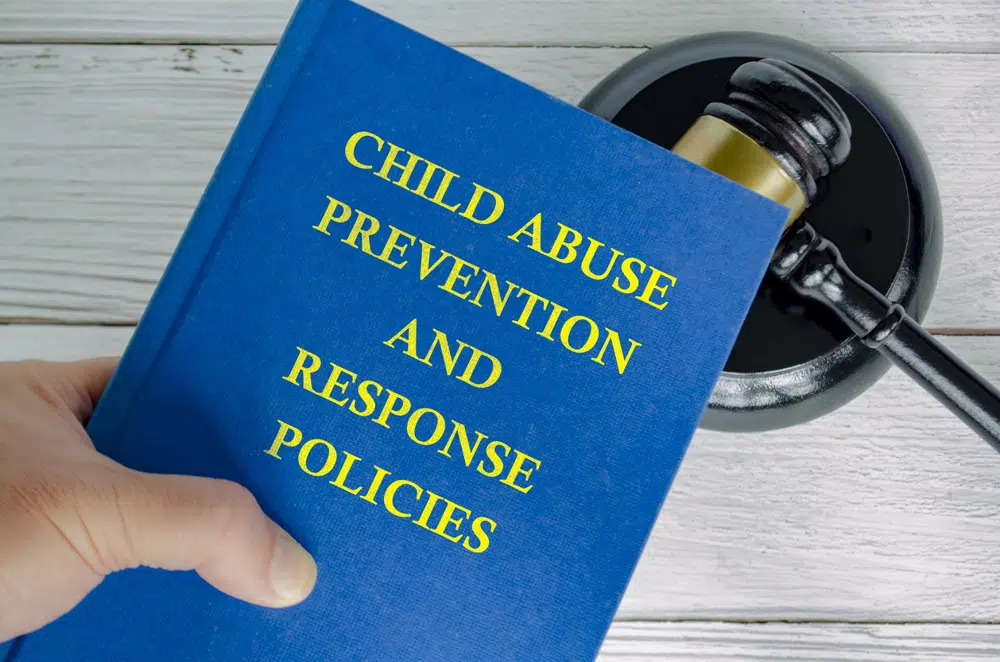
Texas law requires people to report suspected child abuse or neglect. The Texas Department of Family and Protective Services explains that failure to report suspected abuse or neglect is a criminal offense.
This was a major shift because child safety became a public responsibility. Teachers, doctors, nurses, counselors, childcare workers, relatives, neighbors, and others may all become part of the protection system when they suspect a child is being harmed.
For families, these laws can be difficult and emotional. They can lead to investigations, court involvement, and sometimes removal from the home. But the larger goal is to identify danger early and protect children who may not be able to protect themselves.
Family Violence Laws Made Protection More Accessible

Texas family violence laws changed how the legal system responds to abuse inside the home. Courts may issue protective orders when legal findings support that family violence has occurred. Texas Family Code Chapter 85 explains that courts must determine whether family violence has occurred when considering a protective order.
Protective orders can affect where someone lives, who may contact whom, and how close an abuser may come to a victim’s home, workplace, or school.
This changed family life by treating domestic violence as a serious legal issue, not just a private matter. It also gave victims a clearer path to seek court protection, although access can still vary depending on location, resources, and support.
Marriage Equality Changed Legal Recognition for Same-Sex Families
The 2015 U.S. Supreme Court decision in Obergefell v. Hodges required states to license marriages between same-sex couples and recognize same-sex marriages performed in other states.
For Texas families, this was a major legal change. Same-sex couples gained access to marriage-related rights involving taxes, inheritance, hospital visitation, insurance, parenting, property, and divorce.
The change also affected children in same-sex households. Legal recognition of parents and spouses can influence healthcare decisions, school records, estate planning, and family security.
Abortion Law Changed Reproductive Healthcare Decisions
Few recent legal changes have affected Texas families as directly as abortion law. Texas passed a 2021 “trigger law” designed to take effect after the overturning of Roe v. Wade. After the U.S. Supreme Court’s 2022 decision in Dobbs v. Jackson Women’s Health Organization, that law went into effect. The Texas State Law Library explains that the trigger law outlawed abortion after the triggering event, with limited exceptions.
This changed how families, doctors, and hospitals handle pregnancy-related medical decisions. It also affected people facing complicated pregnancies, financial stress, travel barriers, and health risks.
Because abortion law is medically, legally, and politically complex, its effects are still being debated. But there is no question that it has changed reproductive healthcare access in Texas.
Education Savings Accounts Added a New School Choice Debate

A newer change affecting Texas families is the creation of an Education Savings Account program. Texas Senate Bill 2, passed in 2025, created a statewide program connected to school choice and became effective September 1, 2025.
Supporters see education savings accounts as a way to give families more control over schooling. Critics worry about public school funding, accountability, and whether the program will serve all families equally.
This legal change matters because school choice affects far more than academics. It can influence transportation, special education services, neighborhood schools, family budgets, and long-term community planning.
Why These Legal Changes Matter
The most important family laws are not always the ones that get the most attention. Some are quiet, practical rules about property, school, divorce, and child support. Others are major public debates about marriage, safety, education, and healthcare.
Together, these changes show how law shapes family life in Texas. They influence who is protected, who has responsibilities, what choices are available, and how families move through difficult moments.
For Texas families, the law is not just something found in books or courtrooms. It shows up at home, at school, at the doctor’s office, at the courthouse, and around the kitchen table.
Comments (0)
No comments yet. Be the first to share your thoughts.
Leave a comment