


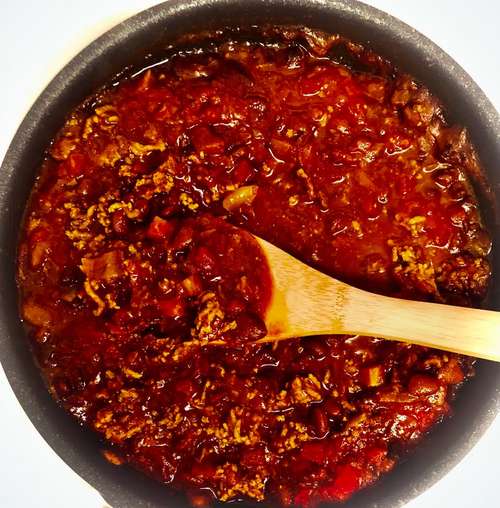
Texas has never needed much of an excuse for a good argument about food.
Barbecue, kolaches, queso—everything comes with strong opinions. But few debates were as loud, funny, and oddly meaningful as the “Great Chili War” of 1974, when U.S. senators turned a simple bowl of chili into a full-on, multi-state showdown.
It all started with a joke and an insult.
It ended with a nationally covered cook-off, bruised egos, and one more brick in the wall that would soon make chili the official state dish of Texas.
This wasn’t a war with casualties.
It was a war with pinto beans, red chiles, spaghetti, and a lot of one-liners.
How the Chili War Started: Goldwater Takes a Shot at Texas
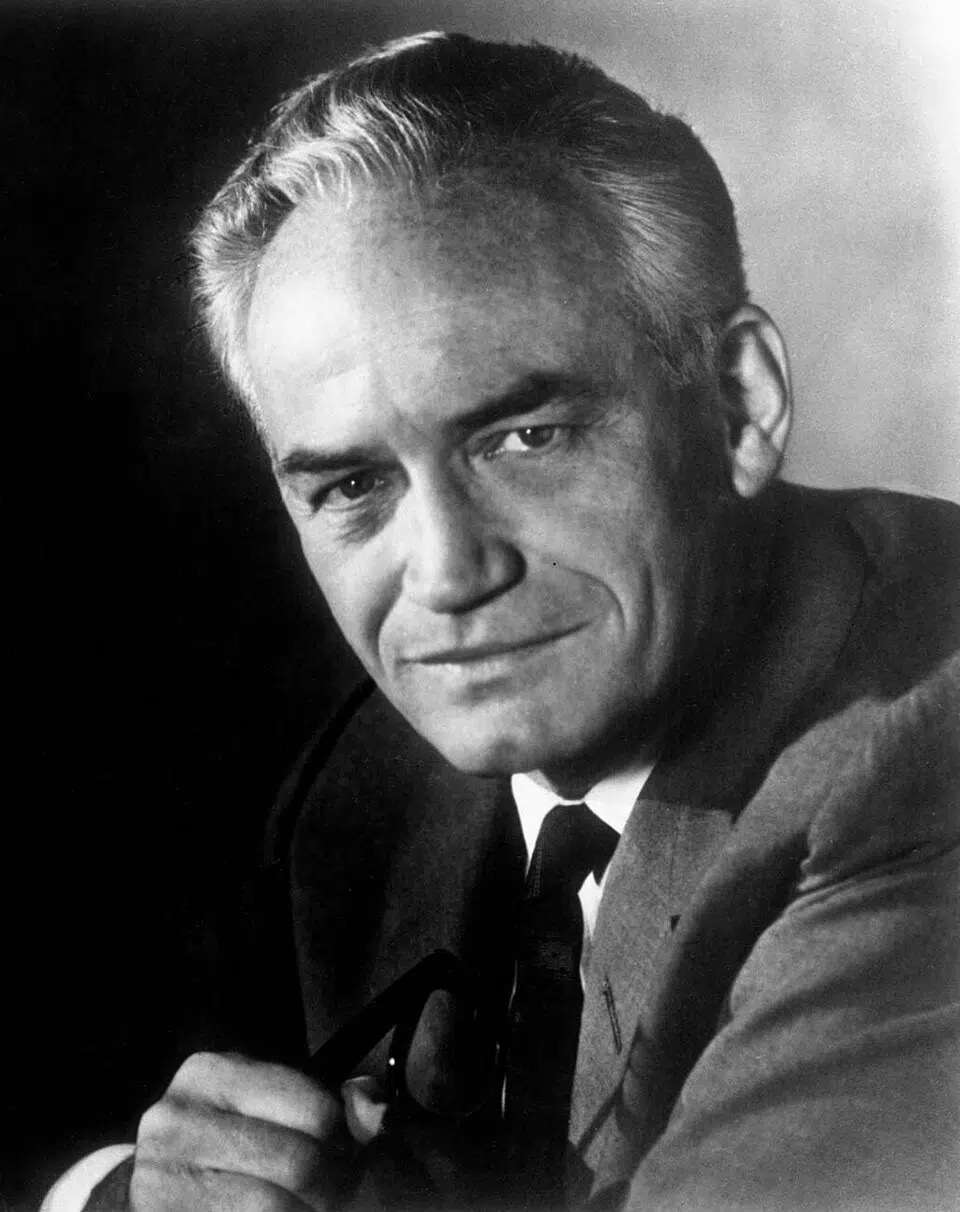
The spark was lit on February 5, 1974.
The country was dealing with Watergate, an energy crisis, and food shortages—but on the U.S. Senate floor that day, Senator John Tower of Texas rose to speak about something far more pressing to him: chili.
He was responding to a jab from Senator Barry Goldwater of Arizona, who had spoken at the National Press Club the week before. Goldwater, hearing that the club served only Texas chili, reportedly said: “Tell me this is not true. A Texan does not know chili from leavings in a corral.”
That’s fighting talk in Texas.
Tower answered with exactly the kind of theatrical flair you’d expect.
He mocked Arizona chili and famously said that comparing it to Texas chili was like comparing Phyllis Diller to Sophia Loren—a line that landed with the perfect mix of insult and punchline.
Then he did something very Texan: he challenged Goldwater to settle it with a cook-off.
When the Senate Turned Into a Chili Arena
Once the gauntlet was thrown, other senators couldn’t resist jumping in.
According to Frederic D. O’Brien’s piece in American Heritage, the press and congressional crowd quickly dubbed the whole affair a “food fight” that echoed earlier Senate debates over fish chowder, crab cakes, and potlikker.
A few highlights:
- Sen. Pete Domenici of New Mexico scoffed that Texas and Arizona were only battling for second place, insisting New Mexico made the best chili.
- Sen. Robert A. Taft Jr. of Ohio boldly claimed that “the only real chili comes from Cincinnati,” backing it up with a glowing article by scholar S. Frederick Starr praising the city’s “Five-Way” chili over spaghetti with cheese, onions, and beans.
Newspapers got in on it, too.
The Phoenix Gazette allegedly described Texas chili as smelling like gasoline or diesel fuel, only good for paving runways or poisoning marine life “as far away as the Straits of Magellan.” Goldwater was quoted in the Washington Post saying chili “was a good stew until it hit Texas and picked up” some unprintable qualities. Tower fired back that “Arizona chili is a contradiction in terms.”
Everything that Texans usually say under their breath at cookoffs was now on the congressional record.
The National Press Club Cook-Off: Seven Chilies, Six States, One Big Tie
The “war” became real on April 4, 1974, when the National Press Club hosted a chili cook-off in Washington, D.C.
That event, described in detail by American Heritage, featured seven chilies from six states:
- John Tower’s Texas chili – representing the classic “bowl of red.”
- Barry Goldwater’s Arizona chili – later sold commercially as “The Senator’s Chili.”
- Sen. Henry Bellmon’s Oklahoma chili – made with white beans.
- Rep. Lindy Boggs’s “bayou chili” from Louisiana – with Louisiana sausage in the pot.
- Two chilies from New Mexico – Sen. Pete Domenici’s red chili and Sen. Joseph Montoya’s green.
- Cincinnati chili from Ohio – delivered in bulk by a group of Cincinnatians who reportedly drove to D.C. in a big Cadillac with “a ton of the stuff in the trunk,” representing Skyline/Empress-style chili with spaghetti, cheese, onions, and beans.
The judging produced the most diplomatic outcome possible for such an undiplomatic fight:
- In a popular vote of the crowd, Tower’s Texas chili came out on top—though some joked about good old-fashioned Texas vote-wrangling at a club then led by a Texan president.
- In a blind tasting by a panel of judges, Goldwater’s Arizona chili took first place, even though his recipe used very un-romantic supermarket ingredients like ground beef, canned beans, tomato purée, and chili powder.
In other words, nobody really “won” outright.
But Texas and Arizona both walked away with something to brag about—and everyone else walked away with new fuel for their chili trash talk.
The Chili Insults That Became Legend
One reason the Chili War of 1974 lives on is because the insults were so creative.
The American Heritage account, along with later write-ups from Cincinnati and chili historians, preserve some of the best lines:
- Calling Texas chili good only for “paving runways” or killing fish across hemispheres.
- Comparing Arizona chili to Texas chili as Phyllis Diller vs. Sophia Loren.
- Taft promising that Cincinnati chili would “deflate both their provincial egos and their lower tracts.”
It plugged directly into a much longer tradition of chili ridicule that H. Allen Smith, a journalist and self-proclaimed chili expert, had already collected in his 1960s book The Great Chili Confrontation. Smith quoted Texans savaging his New York chili as “thinner than diluted water” and “more flavor in a set of stewed piano keys.”
By the time senators were swapping similar lines on the floor of Congress, chili humor had become an art form.
From Food Fight to State Symbol: How the 1970s Cemented Texas Chili
The Chili War itself happened in 1974, but the mid-1970s as a whole were a pivotal time for Texas chili.
On one side, you had the high-profile D.C. showdown between Texas, Arizona, New Mexico, Ohio, and others. On the other, you had an exploding chili cook-off culture back home—events in Terlingua, San Marcos, and small towns across Texas that treated chili like a competitive sport, complete with trophies, judges, and bragging rights.
That cultural momentum carried chili straight into the Texas Legislature.
In 1977, just a few years after the Senate cook-off, the 65th Texas Legislature passed House Concurrent Resolution No. 18, officially declaring chili the State Dish of Texas. The resolution praised:
- chili’s 140-year history in Texas, especially its roots in San Antonio,
- its role at fairs, festivals, and cookoffs,
- and the belief that “the only real ‘bowl of red’ is that prepared by Texans.”
The resolution even name-dropped the 1976 World Champion Chili Cooker, emphasizing how competitive chili culture had become by that point.
So while the Senate fight is usually called the Great Chili War of 1974, it makes sense to see it as part of a wider 1970s chili moment—a decade when Texans defended their chili loudly enough that it ended up enshrined in state law.
Why This Silly-Serious Story Still Matters
On the surface, the Chili War of 1974 is funny.
It’s powerful people arguing over recipes. It’s senators trading barbs about beans and spice levels while the country wrestled with serious crises.
But underneath the humor, it says something very real about Texas identity:
- Chili isn’t just food; it’s heritage and pride.
- Texans are willing to defend that heritage anywhere—even on the Senate floor.
- And when outsiders remix or challenge that idea (hello, Cincinnati chili over spaghetti), the response is instant and loud.
The Chili War didn’t decide which chili is truly “best.”
What it did decide—very clearly—is that chili belongs at the center of Texas culture, not at the margins.
A few years later, the legislature put that feeling into writing.
But the spirit of the Chili War is still alive every time someone says, “Beans don’t belong in Texas chili,” or insists that chili cooked outside the state is just “a weak, apologetic imitation of the real thing.”
You don’t have to agree with that to appreciate how deeply it runs.
Final Thoughts
The Chili War of 1974 was never really about who got the trophy at the National Press Club.
It was about the idea that a simple bowl of chili can carry history, loyalty, and a whole lot of ego. It turned a comfort food into a talking point on Capitol Hill, energized cookoff culture back home, and helped clear the path for chili to become the official dish of Texas a few years later.
In the end, everyone kept right on making chili the way they liked it.
But thanks to that strange, spice-scented moment in 1974, the rest of the country got a clear reminder:
When it comes to chili, Texas is always ready for a fight.

Comments (0)
No comments yet. Be the first to share your thoughts.
Leave a comment