


Texans have a way with words. From colorful cowboy expressions to clever one-liners, the Lone Star State has a rich tradition of sayings that can make a point, tell a story, or get a laugh in just a few words.
Ever heard someone say, “All hat and no cattle,” or “That dog won't hunt”? These phrases are more than amusing combinations of words. They reflect the humor, practicality, and storytelling traditions associated with Texas.
Of course, not every expression commonly heard in Texas originated here. Many have roots in the broader American South, rural communities, or cowboy culture. But Texans have made plenty of them their own.
Whether you're new to Texas, visiting for the first time, or simply curious about its distinctive vocabulary, here are some of the most memorable Texas sayings, what they mean, and how people use them.
Classic Texas Sayings and What They Mean
1. All Hat and No Cattle
Meaning: Someone who looks or talks like an expert but lacks the experience or substance to back it up.
This is one of the most recognizable expressions associated with Texas ranching culture. A person might wear an impressive cowboy hat and boots but have no actual experience working cattle.
Example: “He talks like he owns half the county, but he's all hat and no cattle.”
The saying is often used to criticize people who exaggerate their accomplishments or make promises they cannot fulfill.
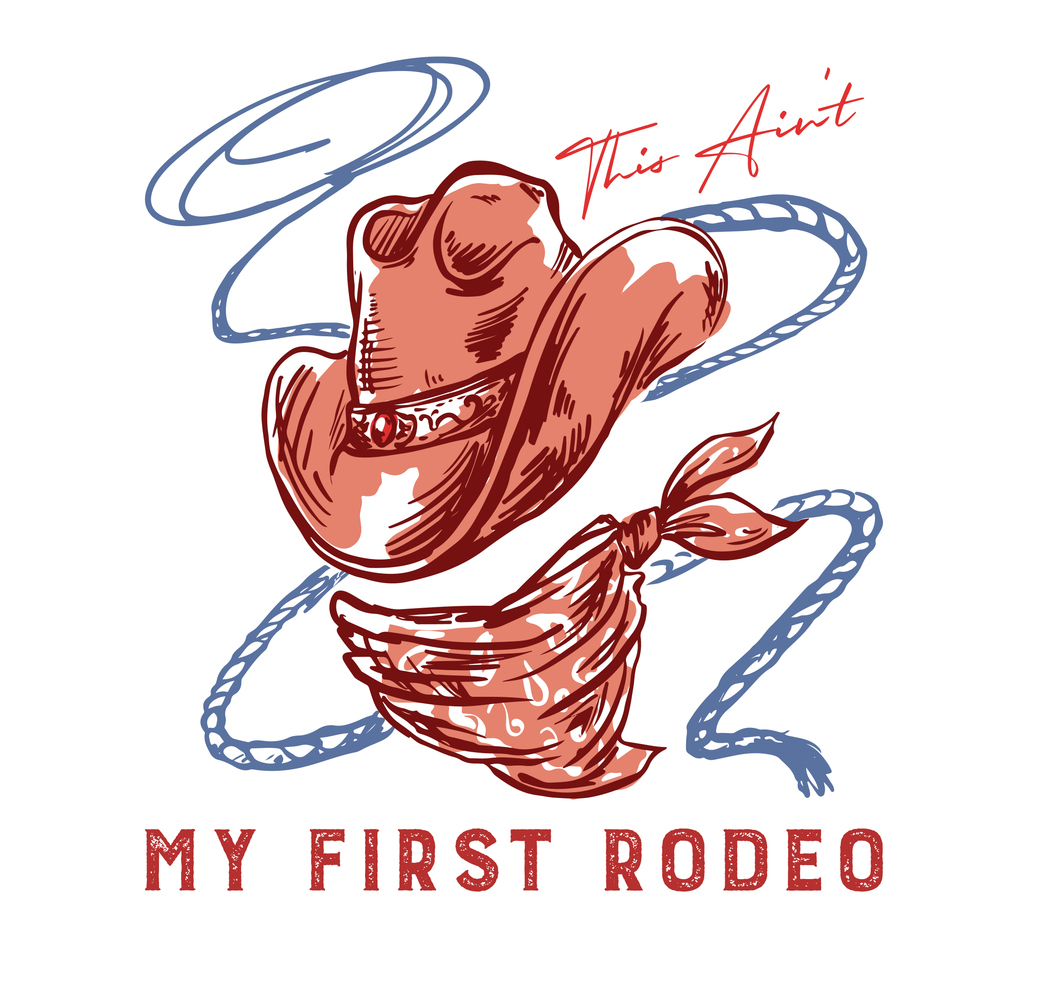
2. This Ain't My First Rodeo
Meaning: I've done this before, and I know what I'm doing.
Rodeos require practice, confidence, and experience. The expression uses that familiar Western setting to communicate competence.
Example: “Don't worry about me handling the event. This ain't my first rodeo.”
Although the phrase is now popular throughout the United States, its cowboy imagery makes it especially fitting in Texas.
3. Everything's Bigger in Texas
Meaning: Texas is known for doing things on a grand scale.
This familiar saying celebrates the state's reputation for large landscapes, big personalities, enormous portions, and ambitious projects.
It is often used humorously rather than literally.
Example: “Have you seen the size of that barbecue platter? Everything's bigger in Texas!”
4. Don't Mess with Texas
Meaning: A famous Texas anti-littering slogan that also became an expression of state pride.
Many people associate the phrase with Texas toughness, but its original purpose was much more specific.
The Texas Department of Transportation launched the Don't mess with Texas campaign in 1986 to discourage littering on Texas highways.
The slogan became so popular that it developed a second life as a declaration of Texas identity.
Despite its broader cultural meaning, it remains an official anti-littering campaign.
5. That Dog Won't Hunt
Meaning: That plan, explanation, or excuse isn't going to work.
The expression comes from hunting culture, where a dog that refuses or fails to hunt cannot perform its intended job.
Example: “You can tell the boss that story, but that dog won't hunt.”
It's a colorful way to reject an unconvincing argument.
6. Rode Hard and Put Up Wet
Meaning: Looking exhausted, worn out, or poorly cared for.
The phrase refers to a horse that has been ridden hard and returned to its stall without proper cooling down, grooming, and care.
Example: “After working outside all day, I look like I've been rode hard and put up wet.”
It's usually used humorously to describe someone's appearance or condition.
7. Come Hell or High Water
Meaning: No matter what difficulties arise.
This expression communicates determination and persistence.
Example: “Come hell or high water, we're getting that fence repaired this weekend.”
It is not uniquely Texan, but its imagery of adversity fits the state's frontier storytelling traditions.
Everyday Texas and Southern Expressions
Not every Texas saying involves cowboys, cattle, or ranches. Many expressions heard throughout the state are part of the broader Southern English vocabulary.
8. Fixin' To
Meaning: Getting ready to do something.
This is one of the most recognizable features of Southern speech.
Example: “I'm fixin' to head to the store. Need anything?”
Depending on the context, it can mean someone is about to act or intends to do something soon.
9. Might Could
Meaning: Might be able to, or possibly could.
This construction is an example of a double modal, a grammatical feature found in some Southern English dialects.
Example: “I might could help you move that table tomorrow.”
It may sound unusual to people unfamiliar with Southern speech, but it is a recognized regional expression.
10. Bless Your Heart
Meaning: An expression of sympathy, affection, concern, or sometimes criticism.
The meaning depends heavily on tone and context.
Said sincerely, it can show compassion.
Example: “You've been taking care of everyone while you were sick? Bless your heart.”
In another situation, the same words may communicate mild disapproval or sarcasm.
It is a Southern expression rather than an exclusively Texan one.
11. Y'all
Meaning: You all.
Perhaps the most recognizable Southern contraction, “y'all” is commonly used when addressing two or more people.
Example: “Are y'all coming over for dinner?”
It is practical, friendly, and deeply familiar in Texas conversation.
12. All Y'all
Meaning: Everyone in a larger group.
While “y'all” already functions as a plural form of “you,” adding “all” can emphasize that everyone is included.
Example: “I want all y'all here by eight.”
13. Hold Your Horses
Meaning: Slow down, wait, or be patient.
The expression refers to controlling horses before moving forward.
Example: “Hold your horses! We haven't even decided where we're going.”
14. If That Don't Beat All
Meaning: An expression of surprise or disbelief.
Example: “He won the raffle twice in one week? Well, if that don't beat all!”
15. I Wasn't Born Yesterday
Meaning: I'm not easily fooled.
Example: “You expect me to believe you caught that fish with your bare hands? I wasn't born yesterday.”
This expression is widely used beyond Texas.
Funny Texas Sayings and Colorful Comparisons
Some of the most entertaining expressions associated with Texas use animals, food, or everyday objects to make their point.
16. Finer Than Frog Hair
Meaning: Extremely fine, delicate, or exceptionally good.
Since frogs do not have hair, the expression is deliberately absurd.
Example: “How's everything going?” “Finer than frog hair!”
17. Full as a Tick
Meaning: Extremely full after eating.
The comparison refers to a tick that has fed until swollen.
Example: “I can't eat another bite of brisket. I'm full as a tick.”
18. Tougher Than a Two-Dollar Steak
Meaning: Extremely tough, physically or emotionally.
A cheap steak is used as a humorous comparison for something difficult to chew.
Example: “Grandpa worked cattle into his seventies. He was tougher than a two-dollar steak.”
19. As Lost as Last Year's Easter Egg
Meaning: Completely confused or unable to find one's way.
The image is of an Easter egg hidden so well that nobody discovered it.
Example: “Without GPS, I'd be as lost as last year's Easter egg.”
20. Couldn't Carry a Tune in a Bucket
Meaning: Someone who cannot sing well.
Example: “He loves karaoke, but he couldn't carry a tune in a bucket.”
21. Like Herding Cats
Meaning: Trying to organize people who are difficult to coordinate.
Example: “Getting everybody ready for the family reunion is like herding cats.”
22. More Than You Can Shake a Stick At
Meaning: A very large number or amount.
Example: “There were more food trucks at the festival than you could shake a stick at.”
23. Cattywampus
Meaning: Crooked, out of alignment, or disorganized.
The word has several regional spellings, including catawampus.
Example: “That picture frame is hanging all cattywampus.”
24. All Gussied Up
Meaning: Dressed especially nicely.
Example: “Look at you, all gussied up for the dance!”
25. Two Shakes of a Lamb's Tail
Meaning: A very short amount of time.
Example: “I'll be back in two shakes of a lamb's tail.”
More Southern Sayings You'll Hear in Texas
Saying | Meaning |
|---|---|
Pretty as a peach | Very attractive or lovely |
Uglier than homemade sin | Extremely unattractive |
Slicker than a boiled onion | Very slippery or sometimes untrustworthy |
As welcome as a skunk at a garden party | Completely unwelcome |
Happy as a clam | Very happy or content |
Madder than a wet hen | Extremely angry |
Nervous as a long-tailed cat in a room full of rocking chairs | Very nervous |
Don't have a dog in that fight | Have no personal stake in the disagreement |
Barking up the wrong tree | Pursuing the wrong idea or accusing the wrong person |
Knee-high to a grasshopper | Very young or small |
Too big for your britches | Acting more important than you are |
That'll put hair on your chest | Said jokingly about strong food, drink, or a challenging experience |
These expressions are not all exclusive to Texas, and their popularity varies by generation, community, and region. Some are still part of everyday conversation, while others are more likely to appear in storytelling or humorous descriptions.
Famous Quotes About Texas
Beyond everyday sayings, Texas has inspired memorable words from historical figures, writers, musicians, and politicians.
Unlike traditional expressions passed down through conversation, these are quotations associated with particular people or works.
Davy Crockett: “You may all go to hell, and I will go to Texas.”
This is one of the most famous statements attributed to David “Davy” Crockett.
The former Tennessee congressman reportedly made the remark after losing his bid for reelection in 1835.
Crockett subsequently traveled to Texas and died defending the Alamo in March 1836.
The quotation has become part of Texas folklore, although historical retellings differ in their exact wording.
Sam Houston: “Texas has yet to learn submission to any oppression, come from what source it may.”
This statement is attributed to Sam Houston, one of the most influential figures in Texas history.
Houston served as commander of the Texan army during the Texas Revolution, president of the Republic of Texas, and later governor of the state.
His career also included opposition to Texas's secession from the United States in 1861, making his political legacy more complicated than simple expressions of Texas independence might suggest.
John Steinbeck: “Texas is a state of mind.”
American author John Steinbeck famously described Texas as more than a geographic location in his book Travels with Charley in Search of America, published in 1962.
His reflections explored the strong identity Texans attach to their state.
The quotation remains popular because it captures the idea that being Texan involves a shared sense of belonging, not merely an address.
June Hershey: “The stars at night are big and bright, deep in the heart of Texas.”
These familiar words come from the 1941 song Deep in the Heart of Texas, with lyrics by June Hershey and music by Don Swander.
The song became a beloved Texas standard, frequently heard at public gatherings, sporting events, and celebrations.
Its enduring popularity has made the line one of the most recognizable musical expressions associated with the state.
Willie Nelson: “There's a freedom you begin to feel the closer you get to Austin, Texas.”
Country music legend Willie Nelson has long been associated with Austin's music scene.
His move to the city in the early 1970s helped shape the development of outlaw country music and connected him to a community of musicians working outside Nashville's traditional recording industry.
The sentiment reflects Austin's longstanding reputation as a place for artistic experimentation and independent thinking.
Where Did Texas Sayings Come From?
Texas expressions developed through several overlapping cultural traditions.
Ranching and Cowboy Culture
Cattle drives, horseback riding, ranch work, and rodeos contributed expressions such as “all hat and no cattle,” “hold your horses,” and “rode hard and put up wet.”
These sayings use familiar working experiences to explain broader situations.
Even people who have never worked on a ranch understand the message behind them.
Southern English Traditions
Expressions such as “fixin' to,” “might could,” and “bless your heart” are connected to speech patterns found throughout the American South.
Texas shares many linguistic traditions with neighboring Southern states, particularly in East Texas and rural communities.
Regional and Cultural Diversity
Texas is not linguistically uniform.
The speech of East Texas can differ noticeably from that of West Texas, South Texas, or major metropolitan areas such as Houston, Dallas, Austin, and San Antonio.
Spanish has also shaped the state's everyday vocabulary, particularly in communities with longstanding Mexican and Tejano cultural connections.
Words such as rodeo, ranch, lasso, and bronco reflect the influence of Spanish and Mexican ranching traditions on the English language.
Humor and Storytelling
Many Texas sayings rely on exaggeration.
Comparing someone to a wet hen or describing a task as herding cats makes ordinary conversation more vivid.
This playful approach to language helps explain why so many traditional expressions have survived even as everyday life has changed.
Are These Sayings Still Common in Texas?
Some certainly are.
Expressions such as “y'all,” “fixin' to,” “this ain't my first rodeo,” and “all hat and no cattle” remain widely recognizable.
Others, including some elaborate animal comparisons, may sound old-fashioned or are used mainly for comic effect.
Age, location, family background, and personal speaking habits all influence which phrases a Texan actually uses.
You are also likely to hear different expressions in a Houston office, a South Texas family gathering, a West Texas ranching community, or an Austin music venue.
That variety is part of what makes Texas language interesting.
Final Thoughts: The Personality Behind Texas Sayings
Texas sayings combine practicality, humor, exaggeration, and a strong sense of regional identity.
Some grew out of cowboy life. Others came from Southern speech traditions, music, literature, or everyday conversation.
Together, they offer a colorful look at the way Texans communicate.
Whether someone tells you to “hold your horses,” insists “that dog won't hunt,” or announces they're “fixin' to” leave, these expressions can turn an ordinary sentence into something memorable.
And if you hear a particularly creative Texas saying you've never encountered before, don't be surprised. There's always room for one more story in the Lone Star State.

Comments (0)
No comments yet. Be the first to share your thoughts.
Leave a comment