


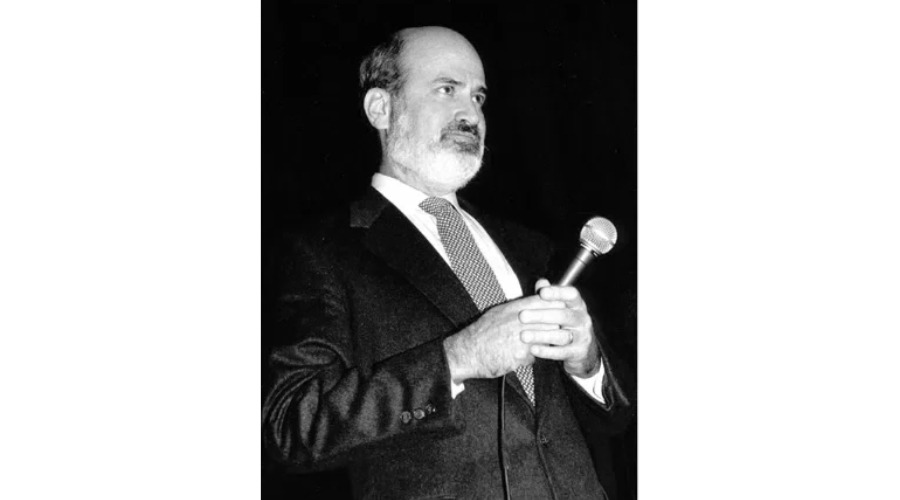
Image: Jester-being, Terrence Malick, 1993, CC BY-SA 4.0
You’re about to uncover the mesmerizing world of Terrence Malick, the Austin-based director renowned for his stunning visual storytelling. Born in Ottawa, Illinois, he honed his craft at Harvard and the American Film Institute.
His films, like Badlands and Days of Heaven, emphasize breathtaking imagery, philosophical inquiry, and nature’s beauty. Known for minimal dialogue and visual narratives, Malick inspires introspection in audiences. There’s more to explore about his impact on cinema and lasting legacy.
Early Life and Education

Although Terrence Malick is best known as a filmmaker, his early life and education laid a diverse foundation for his future career. Born in Ottawa, Illinois, Malick’s upbringing spanned Oklahoma and Texas, shaping his unique perspective.
Your journey with him begins as Malick graduated summa cum laude from Harvard College in 1965, where he was inducted into the Phi Beta Kappa honor society. His passion for philosophy led him to Oxford for graduate studies, though a disagreement with his advisor cut this short.
Malick didn’t stop there; he taught philosophy at MIT and translated Martin Heidegger’s work. In 1969, his filmmaking path took shape at the American Film Institute, where he crafted his initial film, a comedy short, signaling the start of his cinematic exploration.
Beginnings in Film and Breakthrough With Badlands
Terrence Malick’s path into filmmaking truly began with his debut feature, Badlands, in 1973. This crime drama, inspired by Charles Starkweather’s real-life crimes, showcased Malick’s knack for visual storytelling.
You could see his unique style emerging as he juxtaposed characters’ flaws against nature’s beauty, emphasizing imagery over traditional narrative. The film explored themes like instinct vs. reason and the loss of innocence, narrated through teenage Holly’s eyes.
Despite initial box office struggles, Badlands won critical acclaim and was significantly acquired by Warner Bros. for three times its production budget. Its enduring impact led to selection for the National Film Registry in 1993, solidifying Malick’s place in cinematic history.
Days of Heaven and the Exploration of Visual Storytelling
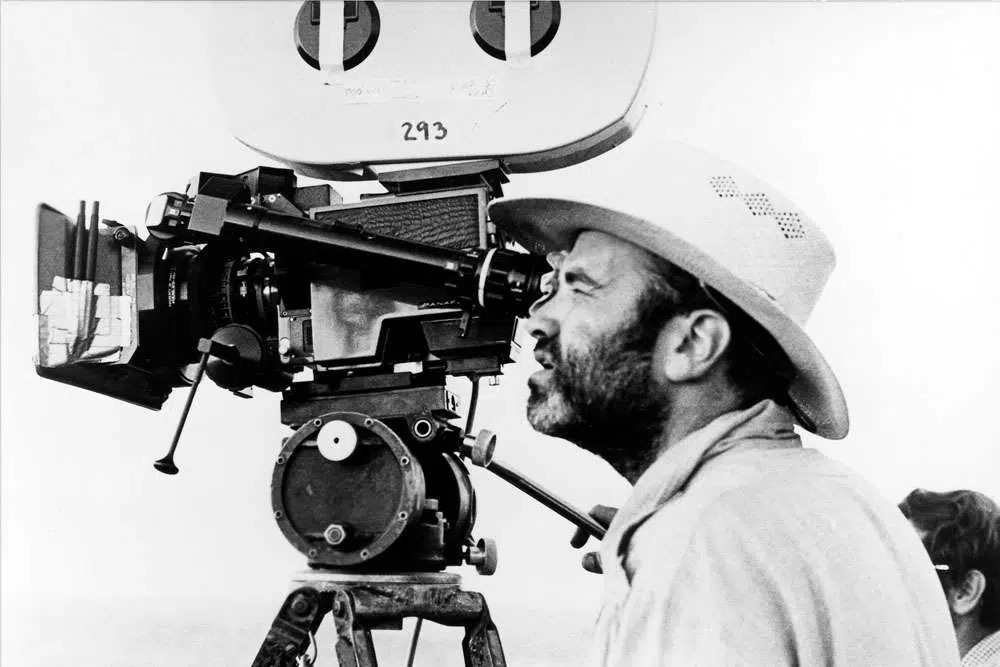
Image: Jester-being, Malick, Days of Heaven, CC BY-SA 4.0
Days of Heaven, released in 1978, envelops you in a breathtaking visual experience that prioritizes images over dialogue.
Terrence Malick’s groundbreaking approach to visual storytelling shines through his use of natural light and the enchanting “magic hour,” creating a lyrical experience that captivates your senses.
The film’s reliance on cutaway shots and minimal dialogue allows the vastness of nature to convey themes of loneliness, loss, and love, leaving an emotional impact that strikes a chord deeply.
Winning the Academy Award for Best Cinematography, Days of Heaven showcases Malick’s mastery in creating a visually stunning narrative.
The engaging sound design further amplifies the film, using nature’s symphony to draw you into its world, making it an unforgettable cinematic journey.
The Thin Red Line: A Return to Cinema
After a 20-year hiatus, Terrence Malick made a powerful return to cinema with The Thin Red Line, a film that deftly examines the complexities of the human condition during the Battle of Guadalcanal.
This adaptation of James Jones’ novel explores existence and nature’s duality amid war. The film’s stunning cinematography, primarily shot by John Toll, uses natural light to contrast the serene landscapes with the brutal realities of conflict.
Malick’s signature voice-over narration gives insight into the characters’ internal struggles, adding depth to their experiences. The ensemble cast, including Sean Penn and George Clooney, delivers compelling performances.
Receiving seven Academy Award nominations, The Thin Red Line won the Golden Bear, cementing its impact on the war film genre.
The Tree of Life: Achieving Critical Acclaim
The film’s visual aesthetics, with stunning cinematography by Emmanuel Lubezki, invite you to experience its ambitious narrative structure.
Although the film’s style polarized viewers, it cemented Malick’s reputation for creating thought-provoking cinema.
The Tree of Life remains a tribute to cinematic innovation and artistic excellence.
Recent Works and Experimentation in Style
While Terrence Malick’s earlier works were known for their sweeping narratives and grand themes, his recent films have taken a more intimate and experimental turn.
In recent years, Malick has welcomed personal themes and philosophical inquiry. Films like To the Wonder, Knight of Cups, and Song to Song form a trilogy of films that showcase his distinctive visual language and existential themes.
With a tighter script, A Hidden Life examines moral resistance during World War II, highlighting Malick’s evolving style.
Moreover, his documentary Voyage of Time delves into existential themes by examining the universe’s birth and death.
Malick’s ongoing project, The Way of the Wind, continues his commitment to experimental storytelling, portraying the story of Jesus through parables.
Themes of Nature and Transcendence
Terrence Malick’s recent exploration of personal themes and philosophical inquiry naturally leads us to his recurring focus on nature and transcendence. In films like Days of Heaven and The Thin Red Line, you see how Malick portrays humanity’s insignificance against nature’s vast beauty.
Characters often seek transcendence, yearning for a connection beyond themselves. His cinematic style, with stunning landscapes captured during the “magic hour,” elevates this quest for emotional depth and beauty. The meditative voice-overs invite you to ponder reason versus instinct, reflecting on desires within nature’s grandeur.
Nature isn’t just a backdrop; it’s a character that influences the narrative’s emotional and thematic depth, as seen in The Tree of Life. Malick’s films offer a truly transcendent viewing experience.
Collaborations and Cinematic Techniques
When you engage yourself in Terrence Malick’s collaborations and cinematic techniques, a clear partnership with cinematographer Emmanuel Lubezki stands out.
Malick’s work is renowned for its stunning use of natural lighting, often capturing the beauty of the natural world during the “magic hour.” This approach, combined with a “no-look look” in film coloring, creates a neutral tone that enhances visual storytelling.
Malick’s films are further distinguished by meditative voiceovers. These philosophical reflections, layered over imagery, deepen character motivations and themes.
His careful editing style—taking over a year per film—allows for complex manipulation of narrative structure and pacing. Together, these elements form a signature style that immerses you in a distinctly contemplative cinematic experience.
Influence on Filmmakers and Pop Culture
Though often enigmatic, Terrence Malick’s influence on filmmakers and pop culture is undeniably profound. His work has profoundly shaped the cinematic landscape, inspiring directors and artists across diverse mediums.
Malick’s dedication to visual aesthetics and narrative storytelling encourages filmmakers to explore:
- Cinematography: His stunning use of “magic hour” lighting has become a staple for many cinematographers, enhancing emotional depth.
- Experimental Approaches: Directors are motivated to adopt unconventional filmmaking techniques, driven by Malick’s creative style.
- Philosophical Themes: His examination of existential questions connects with filmmakers enthusiastic to dive into deeper narratives.
- Voice-over Narration: This technique, signature to Malick, has influenced directors to enrich their narrative storytelling.
His impact is felt far beyond traditional cinema, touching music videos and commercials alike.
The Legacy of a Visionary Filmmaker
Malick’s influence on filmmakers and pop culture seamlessly extends into his lasting legacy as a visionary filmmaker.
Terrence Malick’s visually stunning films like The Tree of Life and The Thin Red Line showcase his mastery of cinematography, often using natural light to create breathtaking imagery. His collaboration with Emmanuel Lubezki has set a new standard in visual storytelling, with the “magic hour” technique enhancing the poetic beauty of his work.
Malick’s storytelling is renowned for its philosophical themes, exploring transcendence and the natural world, which connects deeply with audiences despite polarizing opinions.
His creative narrative techniques, blending poetic imagery and profound themes, cement his status as an influential filmmaker and guarantee his legacy endures in contemporary cinema.

Comments (0)
No comments yet. Be the first to share your thoughts.
Leave a comment