


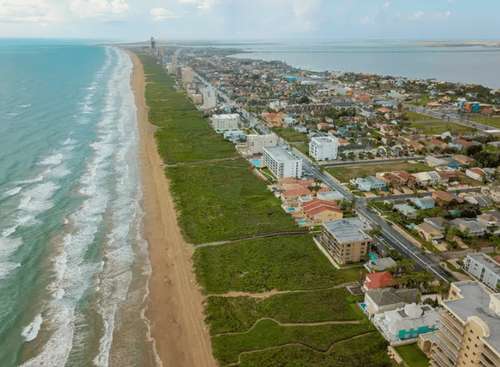
South Padre Island is one of the most distinctive coastal destinations in Texas, and in many ways, it stands apart from other beach towns in the state. Located at the southernmost point of the Texas Gulf Coast, the island combines warm waters, long sandy beaches, abundant wildlife, and a relaxed pace that appeals to many types of travelers. While it is often compared visually to tropical destinations, South Padre Island has its own identity shaped by geography, climate, history, and conservation.
This guide takes a comprehensive look at South Padre Island. It covers how the island formed, how it developed, what defines its environment today, and what visitors should know before spending time there. The goal is to provide a complete understanding of the island rather than a quick overview.
Geographic Location and Physical Layout
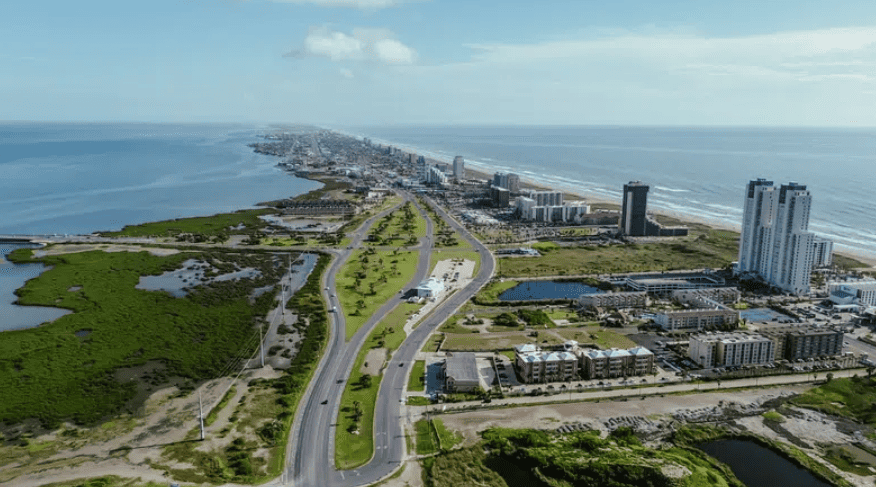
South Padre Island is a barrier island positioned along the Gulf of Mexico, just north of the Texas Mexico border. It runs parallel to the mainland and stretches approximately 34 miles from north to south. Despite its length, development is concentrated in the southern portion of the island. The northern stretches remain largely undeveloped, preserving a more natural landscape.
The island is bordered by the Gulf of Mexico on the east and Laguna Madre on the west. This narrow strip of land is often less than a mile wide, allowing easy access to both bodies of water. In many areas, a short walk or drive brings visitors from Gulf beaches to calm bay waters.
Its flat terrain creates wide, open views. Skies feel expansive, and the horizon often dominates the landscape. This openness contributes to the island’s sense of calm and space, which many visitors find appealing.
The Formation of South Padre Island
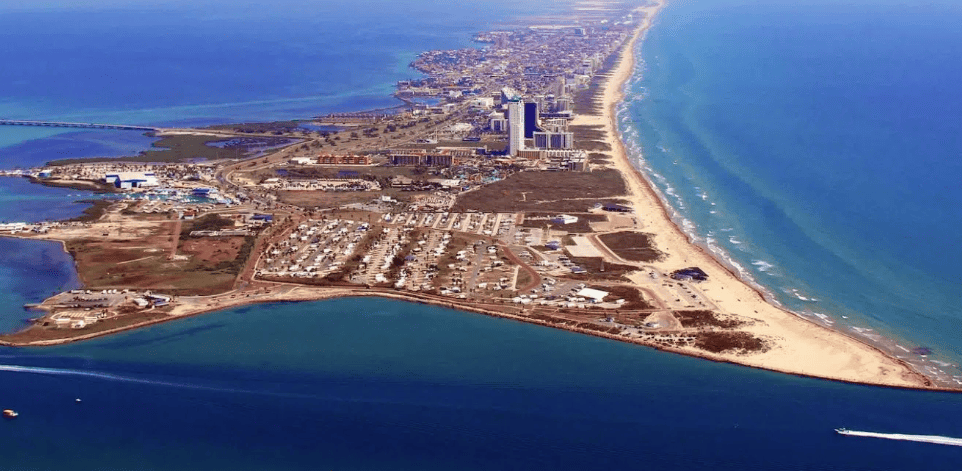
Satx usa, South Padre Island, CC BY-SA 4.0
South Padre Island formed over thousands of years through the movement of sand carried by waves, tides, and wind. As sediments accumulated along the coast, natural ridges and dunes developed, gradually forming the island we see today.
Barrier islands like South Padre Island play an important protective role. They absorb the energy of storms and waves, helping shield the mainland from erosion and flooding. This natural function remains vital today, especially during strong storms.
Dune systems are essential to the island’s stability. Vegetation such as sea oats helps anchor the sand in place. These dunes are protected by fencing and regulations, and visitors are encouraged to respect them. Disturbing dunes can increase erosion and weaken the island’s natural defenses.
Early Human History and Cultural Background
Long before modern development, Indigenous peoples lived along the southern Texas coast. These early inhabitants relied heavily on marine resources. Fishing, shellfish gathering, and seasonal migration allowed them to thrive in the coastal environment.
Spanish explorers arrived in the region during the sixteenth century, though the island itself remained largely untouched for centuries. Harsh conditions, limited freshwater, and isolation discouraged permanent settlement.
During the nineteenth and early twentieth centuries, the island saw limited human activity. Fishing camps and small seasonal settlements appeared, but the island remained remote. It was not until transportation infrastructure improved that larger scale development became possible.
Modern Development and Tourism Growth
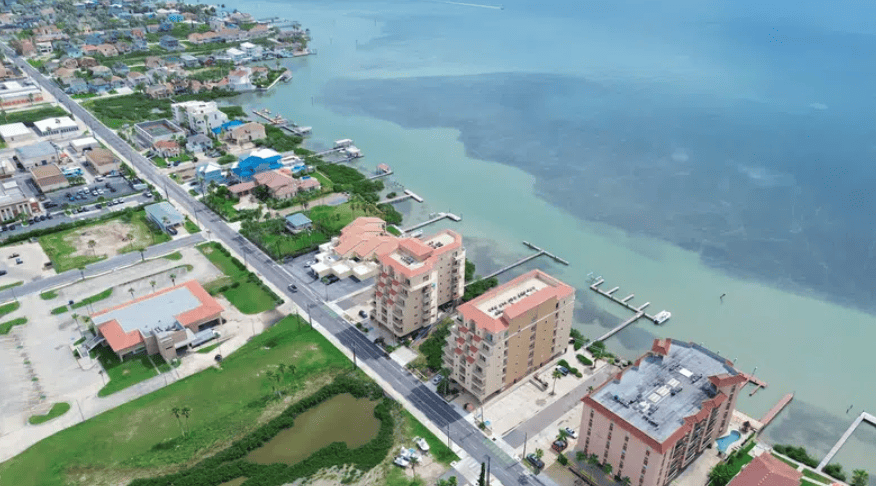
The construction of the Queen Isabella Causeway was a turning point in the island’s history. By connecting South Padre Island to Port Isabel on the mainland, travel became faster and more reliable. This opened the door for tourism growth.
Hotels, restaurants, and recreational businesses gradually followed. Development occurred primarily in the southern portion of the island, allowing much of the northern area to remain undeveloped. Zoning laws and environmental protections helped shape growth in a more controlled way than many coastal destinations.
Today, South Padre Island functions as both a resort community and a conservation focused coastal area. Tourism drives much of the local economy, but environmental awareness remains an important part of island planning.
Climate and Seasonal Weather Patterns
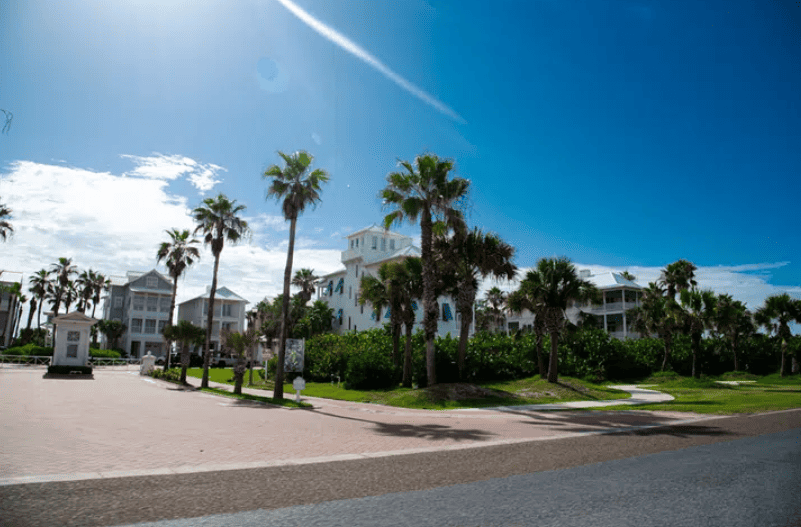
South Padre Island experiences a subtropical climate heavily influenced by the Gulf of Mexico. Warm temperatures dominate most of the year, with relatively mild seasonal variation.
Summer Conditions
Summers are warm and humid. Daytime temperatures often reach the upper eighties or low nineties. Sea breezes provide some relief, especially near the shoreline. Afternoon thunderstorms are common, usually brief, and often followed by clear skies.
Fall Conditions
Fall brings slightly cooler temperatures and reduced humidity. The Gulf remains warm, making swimming and boating comfortable well into the season. This time of year is popular with visitors who prefer fewer crowds.
Winter Conditions
Winters are mild compared to much of the United States. Daytime temperatures frequently range from the sixties to low seventies. Cold fronts do occur, but freezing conditions are rare. The island attracts many winter visitors escaping colder climates.
Spring Conditions
Spring offers pleasant temperatures and increased wildlife activity. Winds are stronger during this season, making it ideal for certain water sports. Migration season also peaks, drawing birdwatchers from around the world.
Hurricane season runs from June through November. While direct impacts are not common, visitors should monitor weather forecasts and be aware of local guidance.
Beaches and Coastal Environment
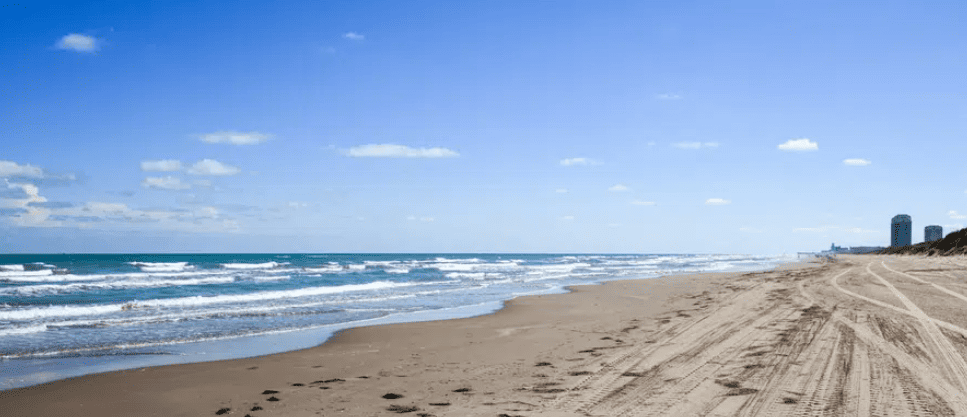
The beaches of South Padre Island are wide, gently sloping, and covered in fine, light colored sand. These beaches are well maintained, with regular cleaning efforts to remove debris.
Public beach access is readily available throughout the developed area. Certain sections allow vehicles with the appropriate permit, which is convenient for families and anglers. Other areas are designated for pedestrians only.
Water conditions vary depending on weather, wind, and tides. Calm days can bring clear, green blue water. On windier days, waves and currents may increase. Beach flags and posted signage provide guidance on swimming safety.
Sunrises over the Gulf are a daily highlight. Many visitors make a habit of early morning walks to watch the sky change colors as the sun rises over the water.
Laguna Madre and Bay Side Ecology
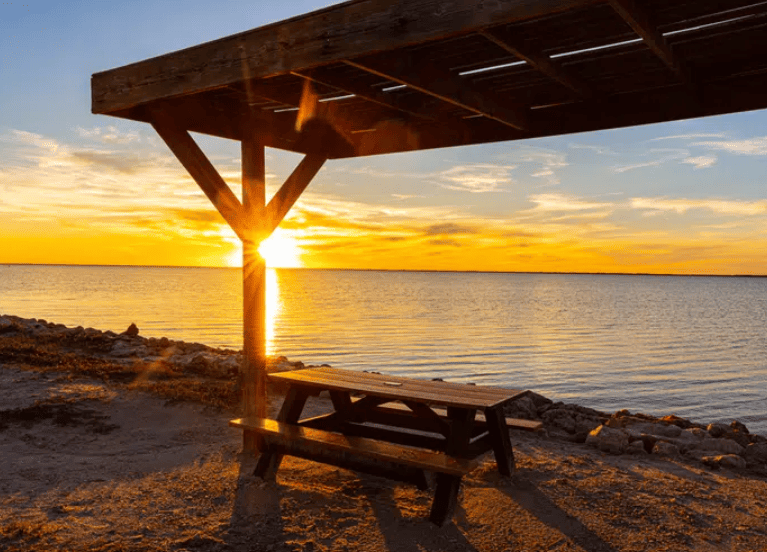
Laguna Madre offers a very different environment from the Gulf side. The bay is shallow and protected, with minimal wave action. This makes it ideal for kayaking, paddleboarding, and wildlife viewing.
As one of the world’s few hypersaline lagoons, Laguna Madre supports unique ecosystems. Seagrass beds provide habitat for fish, crustaceans, and birds. These seagrasses are essential to the health of the bay and are carefully protected.
Sunsets over Laguna Madre are often dramatic. Calm water reflects the sky, creating vibrant colors and peaceful scenes that are popular with photographers and casual observers alike.
Wildlife and Natural Ecosystems
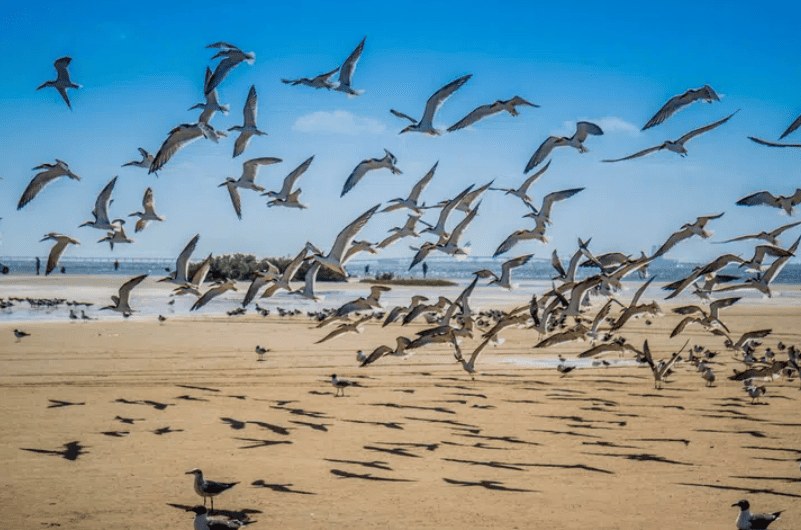
South Padre Island is one of the most biologically diverse areas along the Texas coast.
Birdlife
The island lies along a major migratory flyway. Hundreds of bird species pass through or live on the island. Pelicans, herons, egrets, shorebirds, and raptors are commonly seen.
The South Padre Island Birding and Nature Center offers elevated observation towers, boardwalks, and educational exhibits. Even casual visitors often spot wildlife simply by walking along the beach or bay.
Marine Life
Dolphins are frequently observed in Laguna Madre. Boat tours provide opportunities to watch them in their natural habitat.
Sea turtles play an important role in the island’s conservation efforts. Kemp’s ridley sea turtles nest along this stretch of coast. Rescue and rehabilitation programs work year round to protect these endangered animals.
Fishing and Coastal Traditions
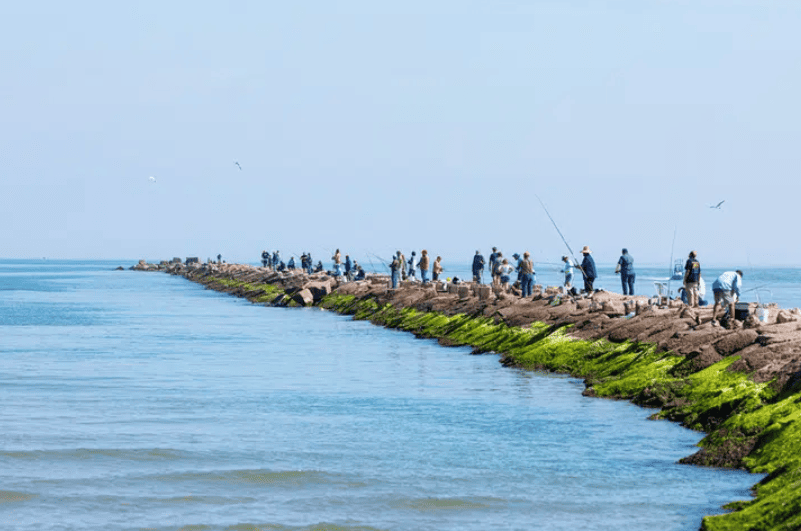
Fishing has long been central to life on South Padre Island. The island offers opportunities for shore fishing, pier fishing, bay fishing, and offshore charters.
Laguna Madre is particularly popular for shallow water fishing. Anglers often wade into the bay or use small boats to reach productive areas. Species commonly caught include redfish, speckled trout, and flounder.
Fishing tournaments and events reflect the importance of angling to the local culture and economy.
Water Sports and Outdoor Recreation
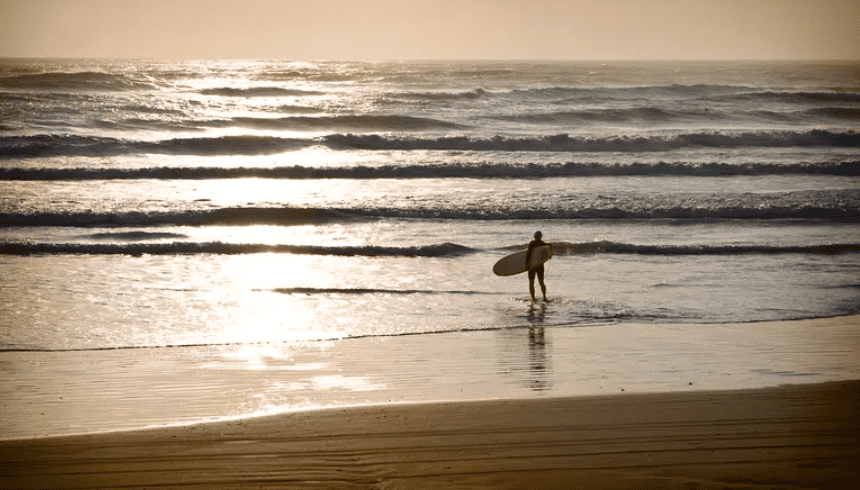 South Padre Island is widely known for its water sports scene. Consistent winds and shallow bay waters make it an ideal location for kiteboarding and windsurfing. Enthusiasts travel from around the world to take advantage of these conditions.
Jet skiing, parasailing, and boating offer additional options for adventure. Kayaking and paddleboarding tours often include educational components focused on local ecology.
The island’s flat terrain and coastal breezes also make cycling and walking popular activities.
Family Friendly Experiences
Families find South Padre Island easy to navigate and welcoming. Attractions are close together, reducing travel time.
Dolphin tours, nature centers, and beach activities provide both entertainment and education. Seasonal events often include family focused programming.
The island’s manageable size allows families to enjoy a relaxed pace without long commutes or complicated planning.
Dining and Local Food Culture

Dining on South Padre Island reflects its coastal setting and regional influences. Seafood is a major feature, with shrimp, snapper, and fish tacos appearing frequently.
Tex Mex flavors are also common, blending naturally into the local food scene. Breakfast spots are popular, especially those offering hearty meals for active days.
Restaurants range from casual beachfront eateries to sit down dining with water views. The overall dining culture remains approachable and relaxed.
Nightlife and Evening Atmosphere

Evenings on South Padre Island vary by season. During busier times, bars and live music venues provide entertainment. At other times of year, evenings are quieter, centered around dining and sunset viewing.
The social atmosphere remains casual and friendly, with most venues located within walkable areas.
Lodging Options and Accommodations
South Padre Island offers a range of accommodations, including hotels, resorts, condominiums, and vacation rentals.
Beachfront properties provide direct access to the Gulf, while bayside options offer quieter settings and sunset views. Many accommodations include pools, balconies, and amenities suitable for extended stays.
Due to the island’s narrow layout, most lodging is conveniently located near major attractions.
Transportation and Accessibility
South Padre Island is accessed by car via the Queen Isabella Causeway. Once on the island, travel is straightforward.
The main road runs north to south, with clear signage for beach access points. Walking, biking, and golf carts are common, especially in central areas.
Public transportation and rideshare services are available, but many visitors find they can stay within a small area during their visit.
Environmental Protection and Sustainability
Environmental preservation is a priority on South Padre Island. Dune protection, wildlife monitoring, and turtle safe lighting regulations help protect fragile ecosystems.
Educational programs and guided tours help visitors understand the importance of conservation. These efforts aim to balance tourism with long term environmental health.
Why South Padre Island Stands Out
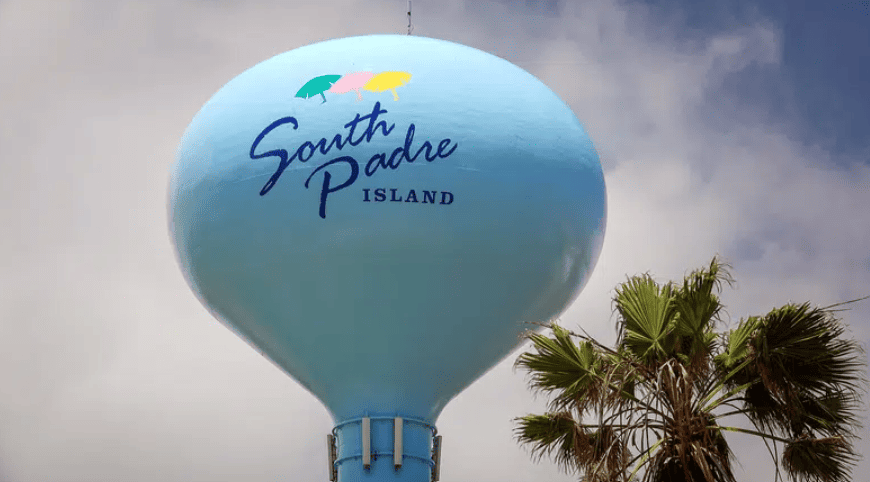
South Padre Island stands apart from other Texas beach destinations because it offers a rare balance of scenery, accessibility, and environmental care. While many coastal towns focus heavily on development or entertainment, South Padre Island manages to support tourism while preserving much of its natural character. The result is a place that feels open, flexible, and welcoming rather than crowded or overbuilt.
One of the island’s strengths is that it does not force visitors into a single type of experience. People can shape their trip around their own interests and pace, whether that means staying active or slowing down.
Several factors contribute to what makes South Padre Island different.
Natural Setting and Scenery
- Wide, gently sloping beaches with soft, light colored sand
- Warm Gulf waters that are comfortable for swimming much of the year
- Calm bay waters on the Laguna Madre side for paddling and wildlife viewing
- Open skies and long sightlines that create a sense of space and calm
Accessibility and Ease of Travel
- Easy access via the Queen Isabella Causeway from the mainland
- A compact layout that keeps beaches, dining, lodging, and activities close together
- Clear beach access points and well marked public areas
- Walkable and bike friendly sections that reduce the need for long drives
Balance Between Activity and Relaxation
- Opportunities for water sports such as kiteboarding, kayaking, and fishing
- Quiet stretches of beach and protected areas for peaceful time outdoors
- Seasonal energy without year round congestion
- Options for both structured tours and independent exploration
Environmental Awareness and Conservation
- Protected dune systems that help preserve the island’s stability
- Active sea turtle rescue and rehabilitation programs
- Wildlife monitoring and birding habitats integrated into public spaces
- Educational centers and eco tours that promote responsible tourism
Flexible Visitor Experience
- Suitable for families, couples, solo travelers, and groups
- Activities that appeal to a wide range of ages and interests
- Short distances between attractions that allow for unhurried days
- A setting that supports both planned outings and spontaneous discovery
Together, these qualities give South Padre Island a distinct identity along the Texas coast. It offers variety without pressure, natural beauty without isolation, and access without excess. Visitors are free to define their own experience, whether that means staying active, connecting with nature, or simply enjoying time by the water.
Final Thoughts
South Padre Island is more than a vacation spot. It is a coastal system shaped by natural forces and human care. Its beaches invite rest. Its bays encourage exploration. Its wildlife adds depth and meaning to the experience.
For those seeking warmth, openness, and a strong connection to the coastal environment, South Padre Island remains one of Texas’ most distinctive and rewarding destinations.

Comments (0)
No comments yet. Be the first to share your thoughts.
Leave a comment