


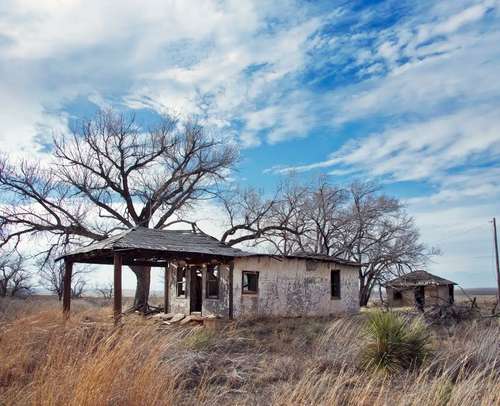
Texas Route 66 may cover fewer miles than in other states, but its impact runs deep. Stretching roughly 170 miles across the Texas Panhandle, this section of the Mother Road tells stories of ambition, survival, and change. Long before interstates and GPS directions, Route 66 carried families, workers, dreamers, and adventurers through wide-open land where small towns rose to meet the needs of the road.
Today, many of those towns are quiet or nearly abandoned. Some are true ghost towns. Others still exist but feel paused in time. Old motels sit empty. Gas stations no longer pump fuel. Cafes that once buzzed with conversation now stand silent. Yet these places remain important. They reflect how travel shaped communities and how quickly progress can redirect life.
Driving Texas Route 66 today feels like stepping into a living history book. Each stop reveals a chapter worth remembering.
How Route 66 Shaped the Texas Panhandle
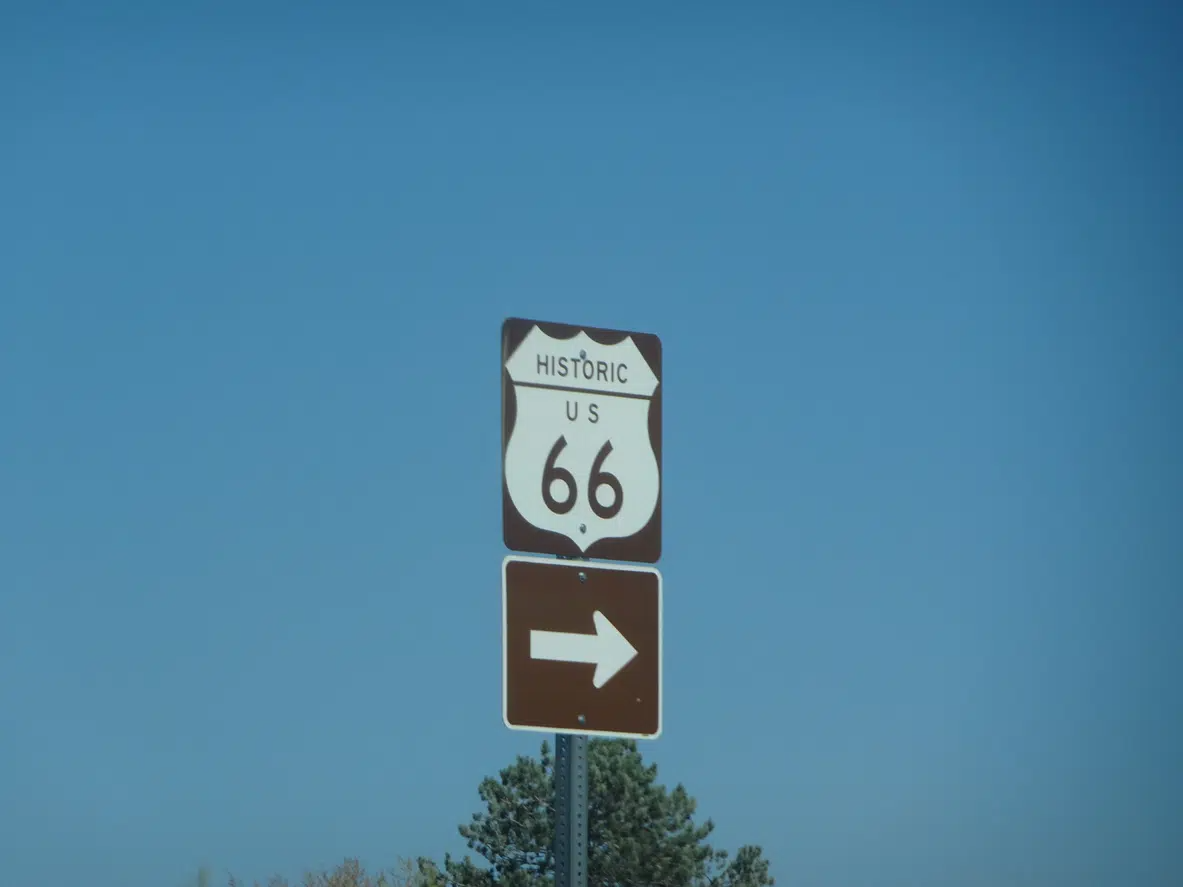
Before Route 66, much of the Texas Panhandle depended on railroads, farming, and ranching. Towns grew where trains stopped, not where cars traveled. That changed in the 1920s when automobiles became more common and Route 66 opened in 1926.
The road brought a steady flow of traffic through Texas. Travelers needed gas, food, repairs, and places to sleep. Small towns adapted quickly. Service stations opened. Motor courts replaced traditional hotels. Cafes extended hours to catch late-night drivers. Billboards and quirky roadside signs appeared, all competing for attention.
Route 66 also played a key role during the Dust Bowl of the 1930s. Thousands of families fleeing drought and poverty passed through Texas on their way west. During World War II, military traffic increased, adding to the road’s importance.
For several decades, Route 66 kept towns alive. Then came the interstates.
The Interstate Era and Sudden Decline
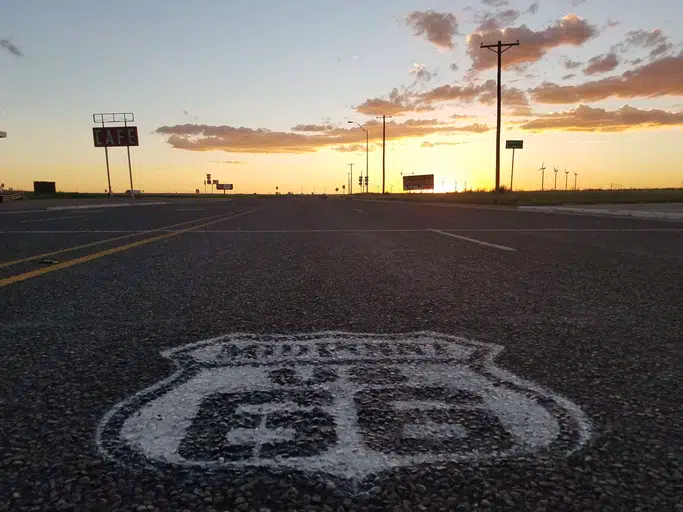
The Interstate Highway System promised faster travel and safer roads. Interstate 40 gradually replaced Route 66 through Texas. While efficient, it bypassed many towns completely.
When traffic disappeared, businesses closed quickly. A diner without customers could not survive. A motel without travelers had no purpose. Some towns adapted. Others did not.
What remains today is a mix of preservation, abandonment, and quiet endurance.
Glenrio: Frozen at the Border
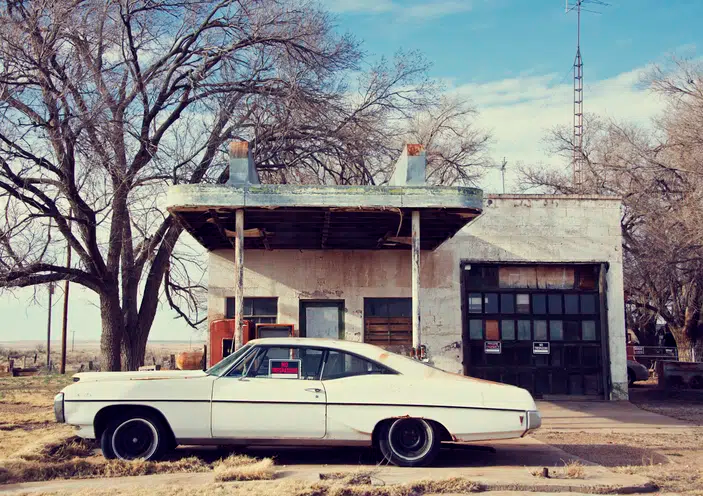
Glenrio stands as one of the most striking ghost towns along Texas Route 66. Located directly on the Texas-New Mexico line, it once thrived on border traffic. Travelers stopped for fuel, meals, and lodging before crossing state lines.
At its peak, Glenrio had multiple gas stations, cafes, motels, and even a post office. When Interstate 40 rerouted traffic north, Glenrio was left behind almost overnight. The town lost its residents and its purpose.
Today, Glenrio feels untouched by time. Abandoned buildings still line the road. Old signs cling to walls. You can see the outlines of parking spaces where cars once lined up. It is one of the best places to understand how deeply Route 66 supported daily life.
Endee: A Brief Moment on the Road
Endee started as a railroad siding before Route 66 gave it a second life. The town added a service station and small businesses aimed at passing motorists.
Its time was short. Endee never developed enough to survive the loss of Route 66 traffic. Today, only a few structures remain, including a weathered gas station that stands as a reminder of its short-lived role.
Endee’s quiet presence highlights how fragile these roadside towns could be.
Adrian: The Power of Location
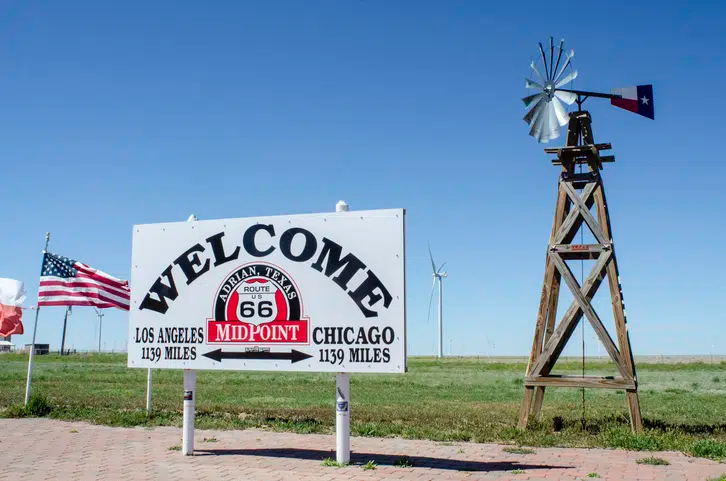
Adrian holds a unique place on Route 66. It marks the exact midpoint of the entire route. That single detail helped preserve the town when many others faded.
The Midpoint Café became a popular stop for travelers seeking a sense of completion or balance in their journey. Photos, souvenirs, and word-of-mouth kept Adrian on the map.
Even so, Adrian remains small. Many original buildings still line the road, some active, others closed. The town survives through identity rather than growth, proving that history itself can be a form of economy.
Vega: Survival Through Change
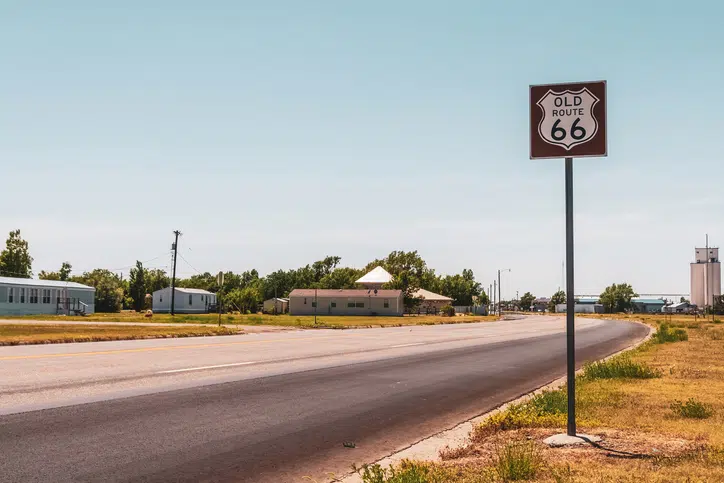
Vega developed as a railroad town and later thrived on Route 66 traffic. It served farmers, ranchers, and travelers alike.
When Interstate 40 arrived, Vega adapted better than many towns. Some businesses shifted focus. Others closed. The town shrank but did not disappear.
Today, Vega blends modern life with visible reminders of Route 66. Old signage, historic buildings, and local stories connect past and present. Vega shows how flexibility helped some towns endure.
Conway: A Community Slowly Fading
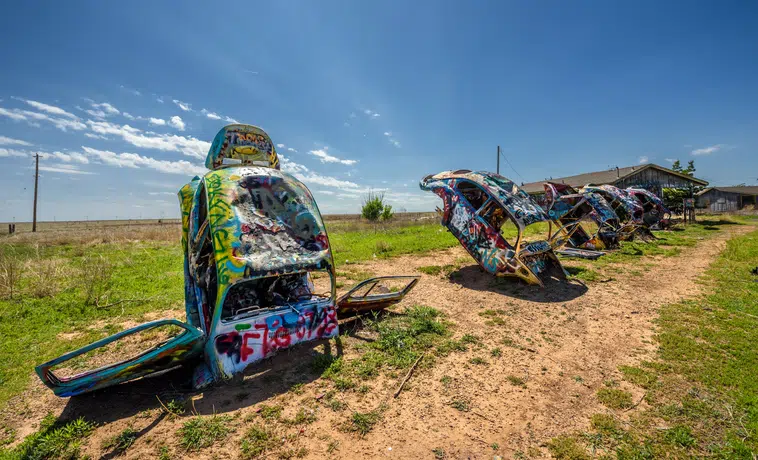
Conway once had schools, businesses, and a strong farming base. Route 66 passed nearby, bringing occasional travelers and modest growth.
Over time, farming changed, populations declined, and the town slowly emptied. Conway still exists, but barely. A few buildings remain, surrounded by open land and quiet roads.
Its story mirrors countless rural communities affected by changing transportation and economics.
Amarillo’s Overlooked Route 66 Past
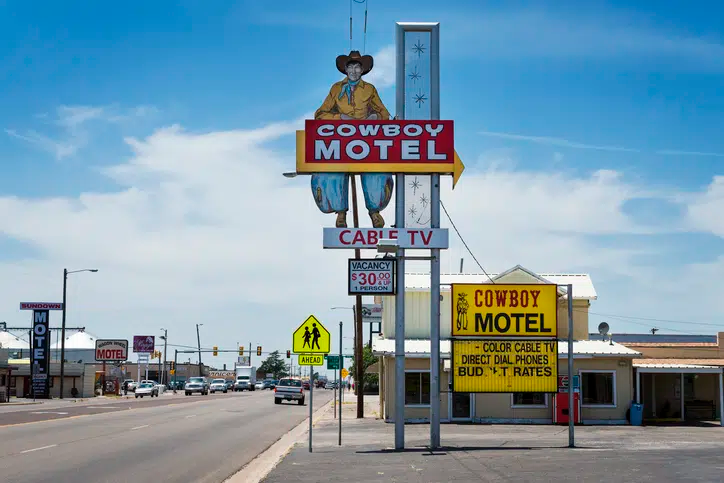
Amarillo remains active and growing, but parts of its Route 66 history are easy to miss. Sixth Avenue once served as the city’s Route 66 corridor, filled with motels, diners, and shops.
When Interstate 40 shifted traffic north, the area declined. Many businesses closed. Buildings aged. In recent years, revitalization efforts have brought new energy, but traces of the past remain visible.
Amarillo shows that forgotten stops exist even within thriving cities.
Groom: Roadside Humor and Memory
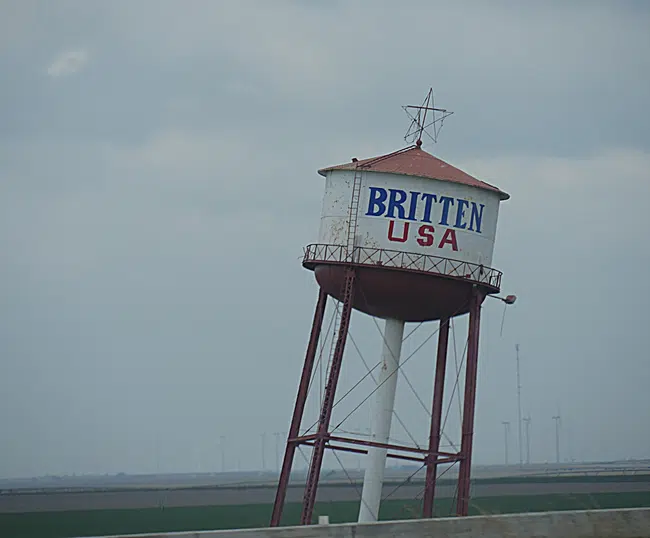
Groom’s leaning water tower became one of Route 66’s most memorable landmarks. Designed to catch drivers’ attention, it worked perfectly.
The town once offered services to Route 66 travelers, but many closed after the interstate arrived. Groom remains small, quiet, and proud of its roadside identity.
The water tower stands as proof that creativity mattered along Route 66.
Alanreed: Nearly Missed, Easily Remembered
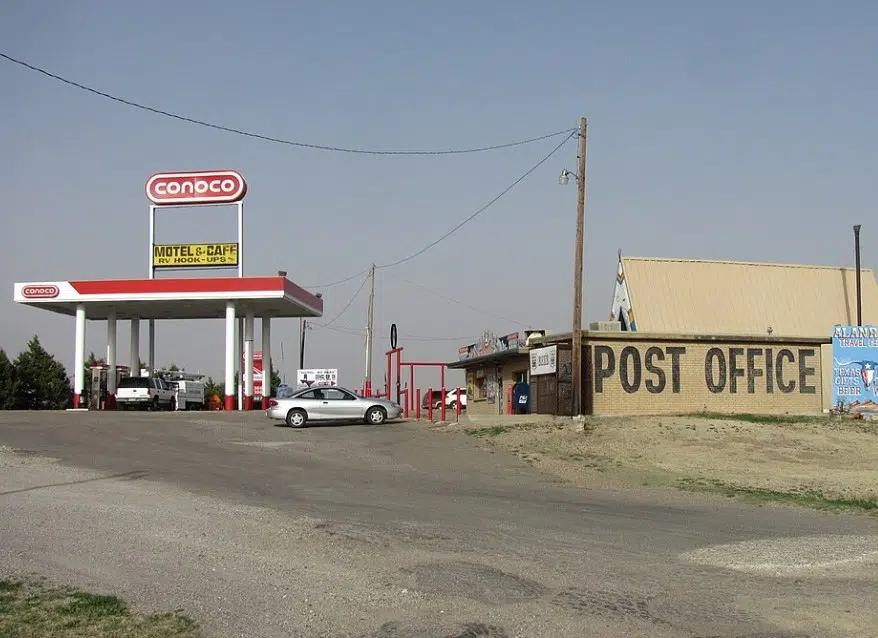
John Phelan, Post Office, Alanreed Texas, CC BY 3.0
Alanreed is easy to pass without noticing. It once served travelers with a café, post office, and small businesses.
As traffic declined, Alanreed faded. Today, only a few residents remain. Old buildings still stand, offering a quiet look into everyday roadside life.
Alanreed reminds visitors that Route 66 was built on ordinary towns doing ordinary work.
McLean: Preserving the Past
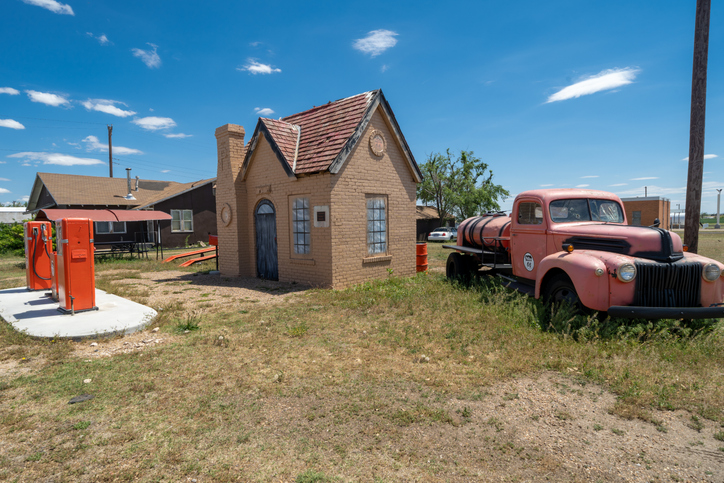
McLean remains one of the strongest centers of Route 66 history in Texas. Once packed with motels, diners, and gas stations, it felt the full force of Route 66’s decline.
Instead of letting history disappear, McLean preserved it. Museums, restored buildings, and local storytelling keep the road’s legacy visible and accessible.
McLean demonstrates how preservation can honor the past without freezing a town in time.
Why Ghost Towns Matter
Ghost towns and forgotten stops matter because they tell honest stories. They show how roads shape lives and how progress can leave places behind.
These towns reflect resilience, risk, and change. Every abandoned building represents effort, hope, and routine. Every faded sign once promised comfort or convenience.
Visiting these places encourages slower travel and deeper understanding.
Traveling Texas Route 66 Today
Exploring Texas Route 66 requires curiosity. Some sections are clearly marked. Others blend into local roads. Many sites are fragile, so respect and care are essential.
The experience rewards those willing to slow down. You gain perspective on Texas history, transportation, and community life. You also experience the vast landscapes that shaped these towns.
Final Thoughts
Texas Route 66 may be short, but it holds powerful stories. From Glenrio’s empty motels to Alanreed’s quiet streets, each stop adds depth to the road’s legacy.
Driving this stretch is about observation rather than speed. It is about noticing what remains and understanding what once was.
The road still speaks. You just have to listen.
Comments (0)
No comments yet. Be the first to share your thoughts.
Leave a comment