


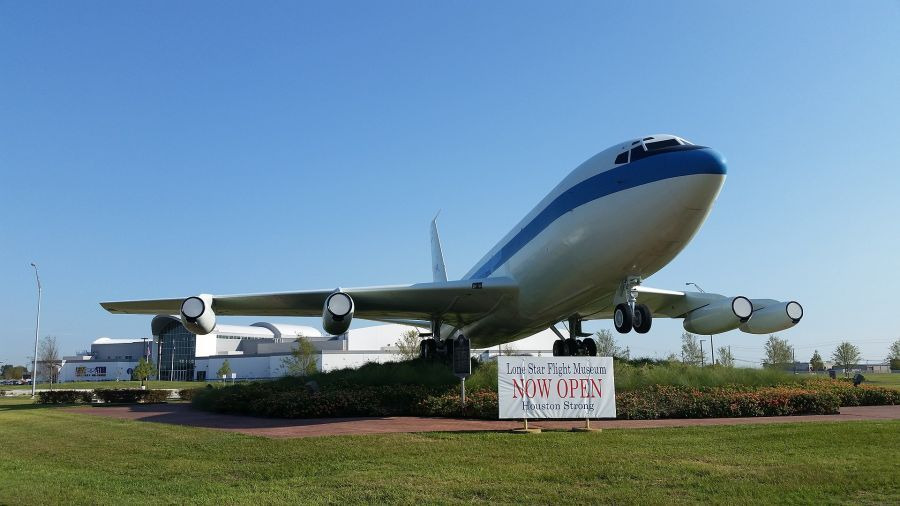
The Lone Star Flight Museum in Houston, Texas, is a fascinating destination for anyone interested in aviation history. Located at Ellington Airport, the museum preserves historic military and civilian aircraft while offering interactive exhibits about the development of flight. From World War II fighters and bombers to aviation simulators and educational programs, the museum brings important chapters of American and Texas aviation history to life.
Key Takeaways
- The Lone Star Flight Museum traces its beginnings to a private historic aircraft collection established in 1985.
- Founder Robert Waltrip opened the museum to the public in November 1990 at Scholes Field in Galveston.
- Hurricane Ike caused extensive damage to the museum in September 2008, prompting major restoration efforts.
- The museum relocated to Ellington Airport in Houston and opened its new facility on September 16, 2017.
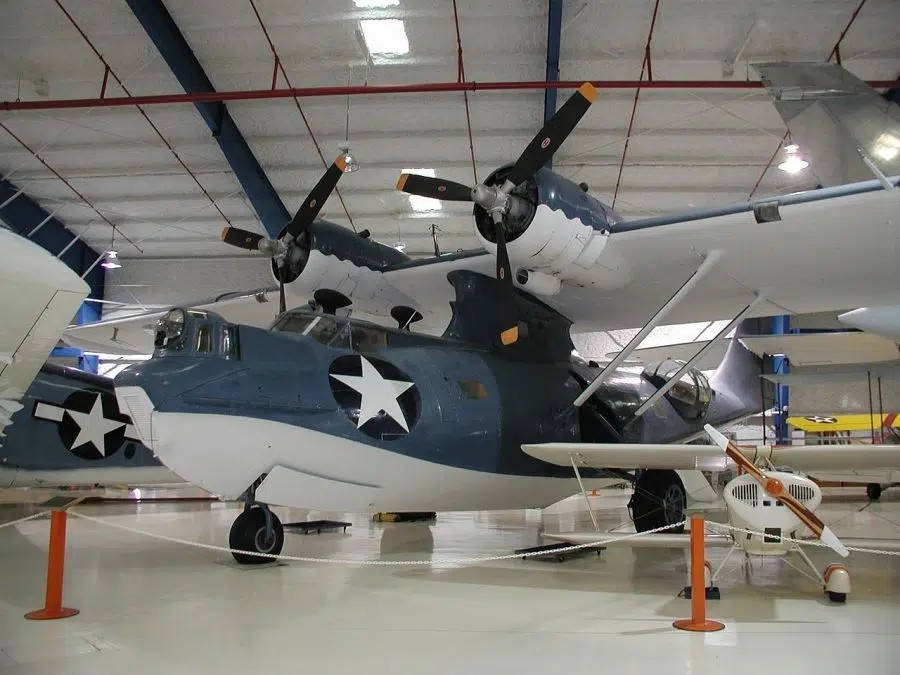
- Its aircraft collection includes World War II fighters, bombers, military trainers, and civilian airplanes.
- Not every aircraft is airworthy, although the museum maintains an important collection of operational historic aircraft.
- The Texas Aviation Hall of Fame recognizes individuals who made significant contributions to aviation.
- Interactive exhibits, flight simulators, and educational programs introduce visitors to the science and history of flight.
History of the Lone Star Flight Museum
The Lone Star Flight Museum began in 1985 as a private collection of historic aircraft assembled by Texas businessman Robert Waltrip. His interest in preserving aviation history gradually developed into a larger collection. By 1990, the aircraft attracted enough public interest to justify establishing a dedicated museum.
The museum officially opened in November 1990 at Scholes Field in Galveston, Texas. Operating as a nonprofit organization, it relied on donations, memberships, and community support. Its mission centered on preserving historically significant aircraft and helping visitors appreciate the achievements of aviation pioneers.
Over time, the museum expanded its collection and educational activities. Historic aircraft appeared at airshows and aviation events, giving audiences opportunities to experience aircraft beyond traditional static displays. In 1999, the museum also established the Texas Aviation Hall of Fame to recognize important figures in aviation history.
How Hurricane Ike Damaged the Museum in 2008
Hurricane Ike struck the Texas Gulf Coast on September 13, 2008, causing widespread destruction in Galveston. The Lone Star Flight Museum experienced severe flooding, with water reaching approximately seven to eight feet inside some hangars and exhibition areas. Buildings, equipment, and historical artifacts suffered extensive damage.
Museum personnel managed to fly several operational aircraft to safer locations before the storm. These included the B-17 Flying Fortress, B-25 Mitchell, and other historic airplanes. However, aircraft remaining inside the facility, including some static displays and restoration projects, were damaged by saltwater flooding.
The museum faced considerable repair and restoration expenses after the disaster. Staff, volunteers, and supporters worked to recover artifacts and restore damaged facilities. Their efforts allowed the institution to reopen on January 31, 2009, although the experience highlighted the risks of maintaining valuable aircraft in a hurricane-prone coastal location.
The Museum's Relocation to Ellington Airport
Following Hurricane Ike, museum leaders began considering a location that would provide better protection for the aircraft collection. Ellington Airport in Houston emerged as a suitable destination because of its aviation infrastructure, historical significance, and proximity to the Johnson Space Center.
Construction of a new museum facility began in 2015. The approximately $38 million project created a 130,000-square-foot building with large exhibition hangars, educational spaces, and modern visitor facilities. The new location was designed to accommodate both historic aircraft and interactive aviation exhibits.
The museum originally planned to open its Houston facility in early September 2017. However, Hurricane Harvey caused widespread flooding throughout the region, delaying the opening. The Lone Star Flight Museum officially welcomed visitors at Ellington Airport on September 16, 2017, beginning a new chapter in its history.
Historic World War II Aircraft at the Museum
The Lone Star Flight Museum is especially known for its collection of World War II-era aircraft. Among its notable airplanes is the North American B-25 Mitchell, a twin-engine medium bomber used extensively during the war. The aircraft is associated with the famous Doolittle Raid against Japan in April 1942.
Another significant aircraft is the Chance Vought F4U-5N Corsair, a powerful fighter recognizable by its distinctive inverted gull wings. The Corsair served during World War II and the Korean War. Its design combined a powerful engine, heavy armament, and aerodynamic features suitable for carrier operations.
The museum's collection also includes the General Motors TBM Avenger, a torpedo bomber used by the United States Navy, and the Douglas A-1 Skyraider, a postwar attack aircraft. These airplanes illustrate changes in military aviation technology, combat missions, and aircraft engineering across different historical periods.
Training Aircraft and Civilian Aviation Displays
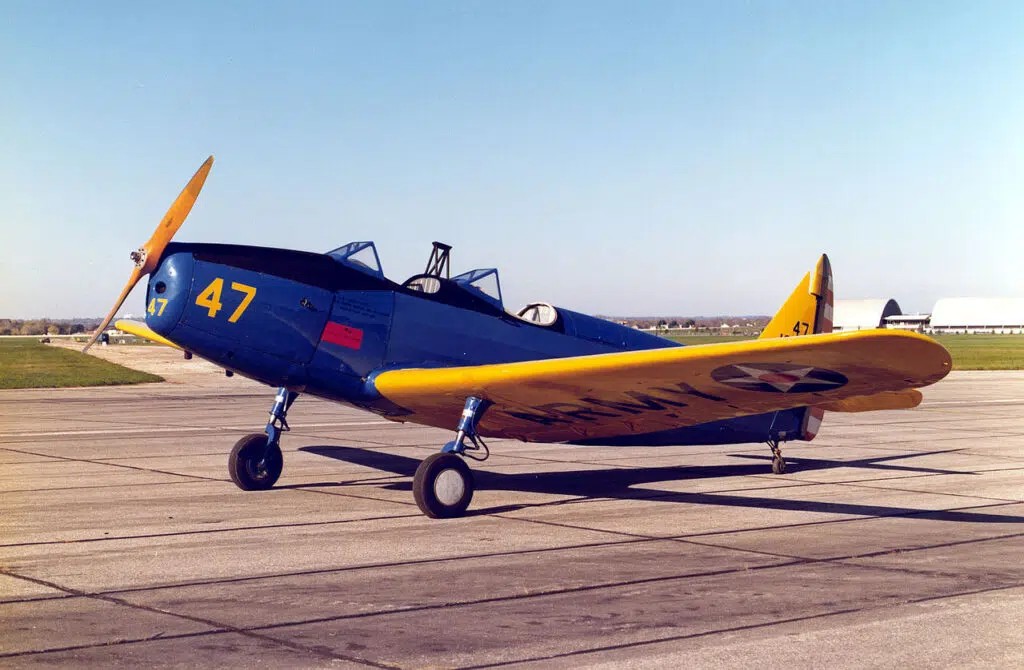
Beyond combat aircraft, the museum preserves airplanes that played important roles in military training. The Boeing PT-17 Stearman was widely used to introduce American military pilots to flight during World War II. Its open cockpit and biplane configuration reflect the training methods of the period.
The Fairchild PT-19 Cornell and North American T-6 Texan also represent important stages of pilot instruction. The PT-19 was used for primary training, while the T-6 prepared pilots for more advanced military aircraft. Together, these airplanes demonstrate how flight training developed during the twentieth century.
Civilian aviation is represented by aircraft such as the Douglas DC-3, which transformed commercial air transportation during the 1930s. The collection also includes smaller airplanes that illustrate general aviation's growth. These displays show how aircraft technology influenced transportation, business, recreation, and everyday life.
The Texas Aviation Hall of Fame
The Texas Aviation Hall of Fame was established at the Lone Star Flight Museum in 1999. Its purpose is to recognize individuals who have made important contributions to aviation and aerospace history. Honorees include pioneering pilots, military aviators, astronauts, engineers, and other influential figures.
The Hall of Fame highlights the relationship between Texas and the development of American aviation. The state's military airfields, aerospace research facilities, and aviation industries have contributed significantly to technological progress. Exhibits introduce visitors to individuals whose achievements helped shape these developments.
At the museum's Houston location, the Texas Aviation Heritage Gallery presents historical displays alongside information about Hall of Fame inductees. Visitors can learn about notable aviation accomplishments and the people responsible for them. These exhibits complement the aircraft collection by emphasizing the human stories behind technological advances.
Interactive Exhibits and Aviation Education
The Lone Star Flight Museum offers educational exhibits designed to explain the science and technology of aviation. Its Flight Academy introduces visitors to the principles of flight through interactive activities. Participants can explore concepts involving aerodynamics, aircraft design, and engineering.
The Aviation Learning Center provides additional opportunities for students to understand aviation-related careers. Its programs incorporate flight planning, simulation activities, and lessons involving science, technology, engineering, and mathematics. These experiences encourage younger visitors to explore the educational foundations of aviation.
Other attractions include the Space Gallery, which introduces aspects of space exploration, and the Boeing Toddler Terminal, designed for younger children. Flight simulators and aircraft-focused activities provide additional educational experiences. Together, these attractions expand the museum's purpose beyond preserving historic airplanes.
Visiting the Lone Star Flight Museum in Houston
The Lone Star Flight Museum is located at 11551 Aerospace Avenue, Houston, Texas 77034, within Ellington Airport. Its spacious exhibition hangars allow visitors to examine historic aircraft up close. Interpretive displays explain the aircraft's development, historical significance, and contributions to aviation.
Visitors can explore permanent exhibits, attend educational programs, and participate in selected special events. The museum also offers flight experiences in certain operational historic aircraft, subject to availability, weather, maintenance requirements, and passenger restrictions. Aircraft displays may change when airplanes undergo maintenance or participate in outside events.
The museum continues preserving aviation history while introducing new generations to the possibilities of flight. Its combination of historic aircraft, interactive learning spaces, and Texas aviation exhibits makes it an important cultural and educational destination. For visitors interested in airplanes, engineering, or military history, the Lone Star Flight Museum provides an engaging look at aviation's development.

Comments (0)
No comments yet. Be the first to share your thoughts.
Leave a comment