


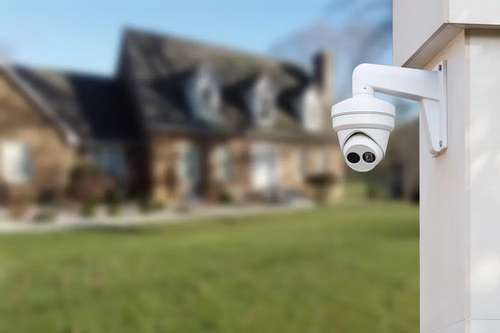
Texas homes are often built with space in mind. From sprawling ranch-style houses to properties that stretch across wide lots, homeowners enjoy room to breathe, expansive yards, long driveways, and detached garages or workshops. But while these layouts provide comfort and flexibility, they also present unique security challenges.
Unlike compact urban houses, larger Texas properties have multiple access points, longer perimeters, and more outdoor space to monitor. A single doorbell camera or a basic two-camera system rarely provides enough coverage. To properly protect a ranch-style home or wide lot, homeowners need a thoughtful camera layout that captures key entry points, open spaces, and areas where valuable equipment or vehicles may be stored.
Fortunately, modern security cameras offer features designed for exactly these types of properties. With the right placement strategy and the right mix of devices, you can create a surveillance system that keeps an eye on your entire property without sacrificing convenience or aesthetics.
This guide explores practical security camera setups tailored to ranch-style homes and large Texas lots so you can create reliable coverage and peace of mind.
Why Ranch-Style Homes Need Strategic Camera Coverage
Ranch-style homes are popular across Texas for their open layouts, single-story construction, and large surrounding yards. But these features also mean there are more areas that need monitoring compared to compact houses.
Large properties may include:
- Long driveways
- Detached garages or barns
- Back patios and outdoor kitchens
- Fenced yards and gates
- Equipment sheds or workshops
- Livestock areas or garden spaces
Because these spaces extend beyond the immediate structure of the home, security cameras must cover both the house and the surrounding land.
Security experts often recommend focusing on entry points and perimeter areas first, since entrances and driveways are common locations where unwanted activity occurs.
Start With a Property Security Plan
Before installing cameras, it helps to map out your property and identify the areas that matter most.
Walk around the exterior of your home and ask yourself:
- Where do vehicles enter and exit the property?
- Are there side paths or gates that someone could use unnoticed?
- Where are valuables stored, such as tools, vehicles, or equipment?
- Which areas are hidden from street view?
This type of simple planning helps determine how many cameras you need and where they should go.
For most ranch-style homes, a basic system usually includes between 6 and 10 cameras depending on the size of the property.
Essential Camera Locations for Wide Texas Properties
Proper camera placement matters more than simply buying high-tech equipment. Even advanced cameras are ineffective if positioned poorly.
Here are the most important areas to cover.
Front Entrance
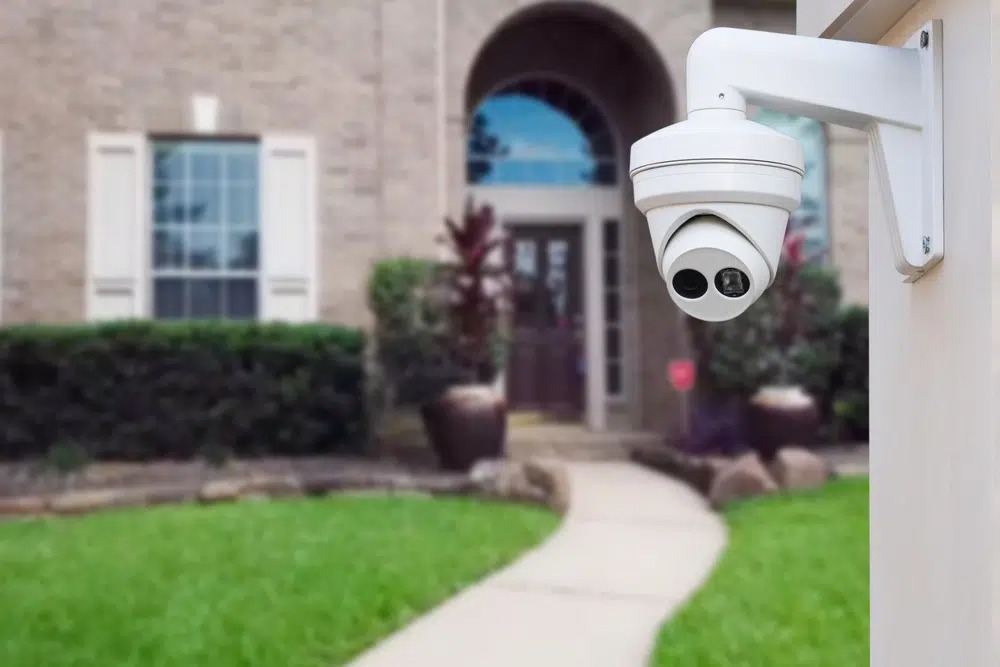
Your front door is typically the most common entry point for visitors and deliveries. Installing a camera or video doorbell here ensures you can see who approaches the home.
A camera mounted about 8 to 10 feet above the ground captures faces clearly while remaining out of reach.
Many homeowners choose a doorbell camera paired with a nearby wide-angle camera to capture activity across the entire front porch.
Driveway and Vehicle Area
In many Texas homes, the driveway can extend dozens or even hundreds of feet from the road. Monitoring this space is critical.
Driveway cameras should:
- Capture license plates and vehicles entering the property
- Monitor garage doors or parking areas
- Cover any turnaround spaces near the house
Bullet-style outdoor cameras are often used for driveways because they can monitor long, narrow areas effectively.
Backyard and Patio
Backyards in Texas are often active living spaces with patios, pools, grills, and outdoor furniture.
A wide-angle camera covering the backyard allows homeowners to:
- Monitor outdoor gatherings
- Watch for unexpected activity
- Keep an eye on children or pets
Position the camera high enough to view the entire yard without pointing directly into sunlight, which can wash out footage.
Side Yards and Pathways
Many ranch homes have side entrances or service paths that aren’t visible from the street.
Installing cameras along these areas prevents blind spots and helps detect movement before someone reaches a door or window.
These cameras are typically mounted on exterior walls angled toward pathways or gates.
Garage and Workshop Areas
Garages, barns, and workshops often contain valuable equipment or tools.
A camera positioned above the garage door or near workshop entrances ensures that:
- Activity around stored equipment is recorded
- Vehicles entering or leaving are documented
- Deliveries or service visits are visible
For detached garages or barns, wireless or solar cameras may be ideal.
Monitoring the Property Perimeter
Wide lots often require cameras that watch the edges of the property, not just the house itself.
Perimeter cameras can monitor:
- Fence lines
- Gates and entrances
- Livestock areas
- Storage sheds or fuel tanks
Placing cameras along boundaries provides early warning if someone approaches the property unexpectedly.
These cameras should have weatherproof housings and strong night-vision capability to handle rural conditions.
Camera Types That Work Well for Ranch Properties
Large Texas homes benefit from a mix of camera styles designed for different viewing angles and distances.
Bullet Cameras
Bullet cameras are long and cylindrical, making them ideal for monitoring large areas such as driveways or fence lines.
They typically offer strong zoom capability and long-range views.
Dome Cameras
Dome cameras are compact and discreet. They’re often used near entrances or patios where a more subtle appearance is preferred.
Their wide viewing angles make them effective for capturing large areas close to the house.
PTZ Cameras
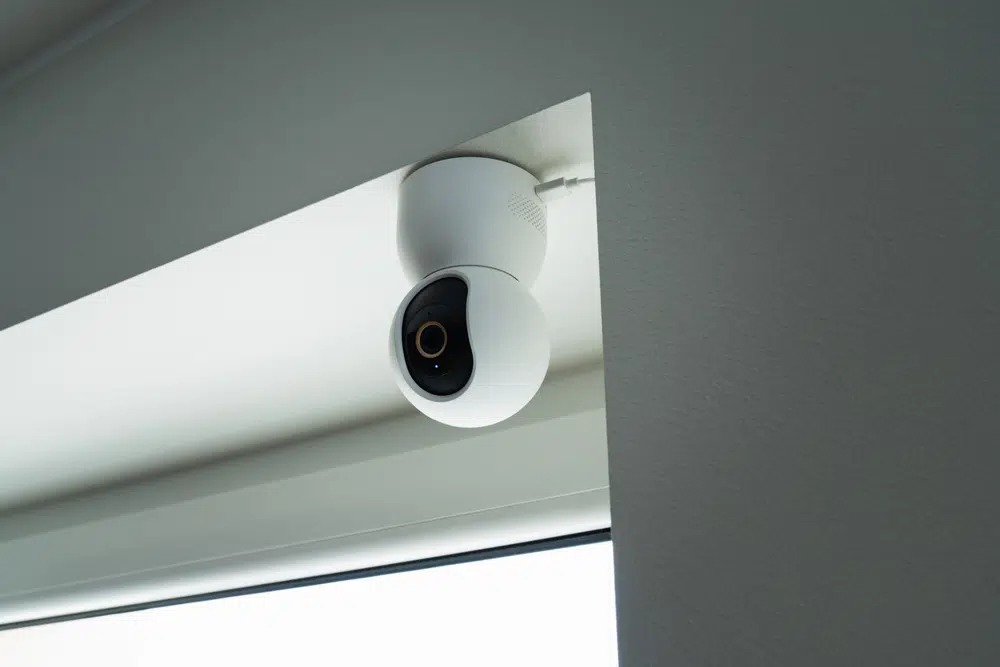
Pan-Tilt-Zoom (PTZ) cameras can move horizontally and vertically while zooming in on activity. These cameras are particularly useful for monitoring large open areas because they can track movement across wide spaces.
PTZ cameras are commonly used to monitor:
- Large yards
- Long driveways
- Livestock areas
- Storage yards
Solar or Cellular Cameras
On rural properties where running wires is difficult, solar-powered cameras with cellular connections provide flexible coverage.
These cameras are especially useful for:
- Remote barns
- Field entrances
- Detached structures
- Far sections of acreage
Large properties sometimes require self-sufficient cameras because power or internet may not be available everywhere.
Smart Features Worth Considering
Modern security cameras include advanced features that make monitoring large properties easier.
Look for systems that offer:
Motion Detection Alerts
Motion alerts send notifications when movement occurs in specific zones.
You can customize alerts to ignore areas such as trees or roads.
Night Vision
Infrared night vision allows cameras to record activity even in complete darkness, which is especially important in rural areas with minimal lighting.
Remote Monitoring
Most systems allow you to view cameras through a smartphone app. This lets homeowners check their property from anywhere.
Two-Way Audio
Some cameras include microphones and speakers so you can communicate with visitors or deter suspicious activity.
Cloud or Local Storage
Footage can be stored on:
- Cloud servers
- Local hard drives
- Memory cards
Local storage is often preferred for rural properties where internet speeds may vary.
Lighting and Cameras Work Best Together
Security cameras perform best when paired with proper lighting.
Motion-activated floodlights provide several benefits:
- They illuminate dark areas when movement occurs
- They improve video clarity at night
- They act as a deterrent for unwanted visitors
Combining cameras with lighting around garages, gates, and yards can dramatically improve surveillance results.
Avoid Common Installation Mistakes
Even high-quality cameras can fail to provide useful footage if installed incorrectly.
Avoid these common issues:
Mounting Cameras Too High
Mounting cameras too high may reduce the ability to identify faces or license plates.
Blocking the Camera View
Trees, bushes, and roof overhangs can obstruct views over time.
Facing Cameras Toward Direct Sunlight
Direct sunlight can create glare that washes out footage.
Ignoring Network Strength
Wireless cameras require strong Wi-Fi signals, so consider mesh Wi-Fi systems if your property is large.
Expanding Your System Over Time
Many homeowners start with a few cameras and expand as needed.
A scalable security system allows you to add cameras for:
- Guest houses
- New garages or sheds
- Extended yard areas
- Outdoor recreation spaces
Planning for expansion now makes future upgrades easier.
Final Thoughts
Wide lots and ranch-style homes are a hallmark of Texas living, offering open space, privacy, and flexibility. But these larger properties require security solutions designed for scale.
By combining strategic placement, the right mix of camera types, and modern smart features, homeowners can create a surveillance system that covers both the home and the surrounding land effectively.
From monitoring long driveways to keeping an eye on barns, garages, and backyard spaces, a well-planned camera setup provides visibility, protection, and peace of mind — ensuring your Texas property stays safe no matter how large it may be.
Comments (0)
No comments yet. Be the first to share your thoughts.
Leave a comment