


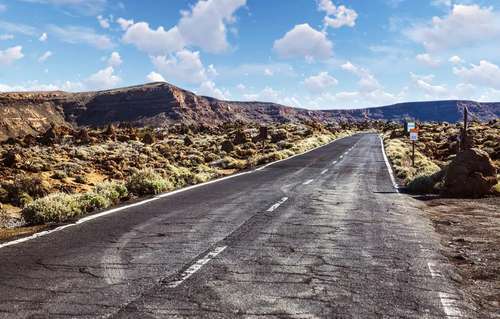
Route 66 does not run across Texas for hundreds of miles the way it does in some other states. Even so, the Texas stretch holds an important place in the story of the Mother Road. Spanning just over 170 miles from the Oklahoma border to New Mexico, this section packs in historic towns, roadside icons, classic neon signs, and wide-open Panhandle landscapes that still feel closely tied to the highway’s past.
Today, travelers can still experience much of what made Route 66 special. Some places remain active. Others exist as quiet reminders of a different era. Together, they tell the story of how the road shaped communities and how those communities continue to honor it.
This guide explores what travelers can still see along Route 66 in Texas, town by town, with context to help modern visitors understand why each stop matters.
The Texas Panhandle and Route 66
Route 66 entered Texas near the small town of Shamrock and exited west of Glenrio near the New Mexico line. When the road was commissioned in 1926, it brought steady traffic through the Panhandle. Families heading west, truck drivers hauling goods, and tourists chasing adventure all passed through these towns.
Over time, newer highways reduced traffic on Route 66, especially after Interstate 40 replaced most of the original alignment. While that shift caused many businesses to close, it also helped preserve some towns in near time capsule form.
Driving Route 66 in Texas today often means traveling parallel to I-40, occasionally leaving the interstate to follow original segments or pass through historic downtowns.
Shamrock: A Gateway with Irish Flair
Shamrock is one of the most recognizable Route 66 towns in Texas. It sits near the Oklahoma border and has become a popular starting point for travelers entering the state.
The U Drop Inn and Conoco Tower Station
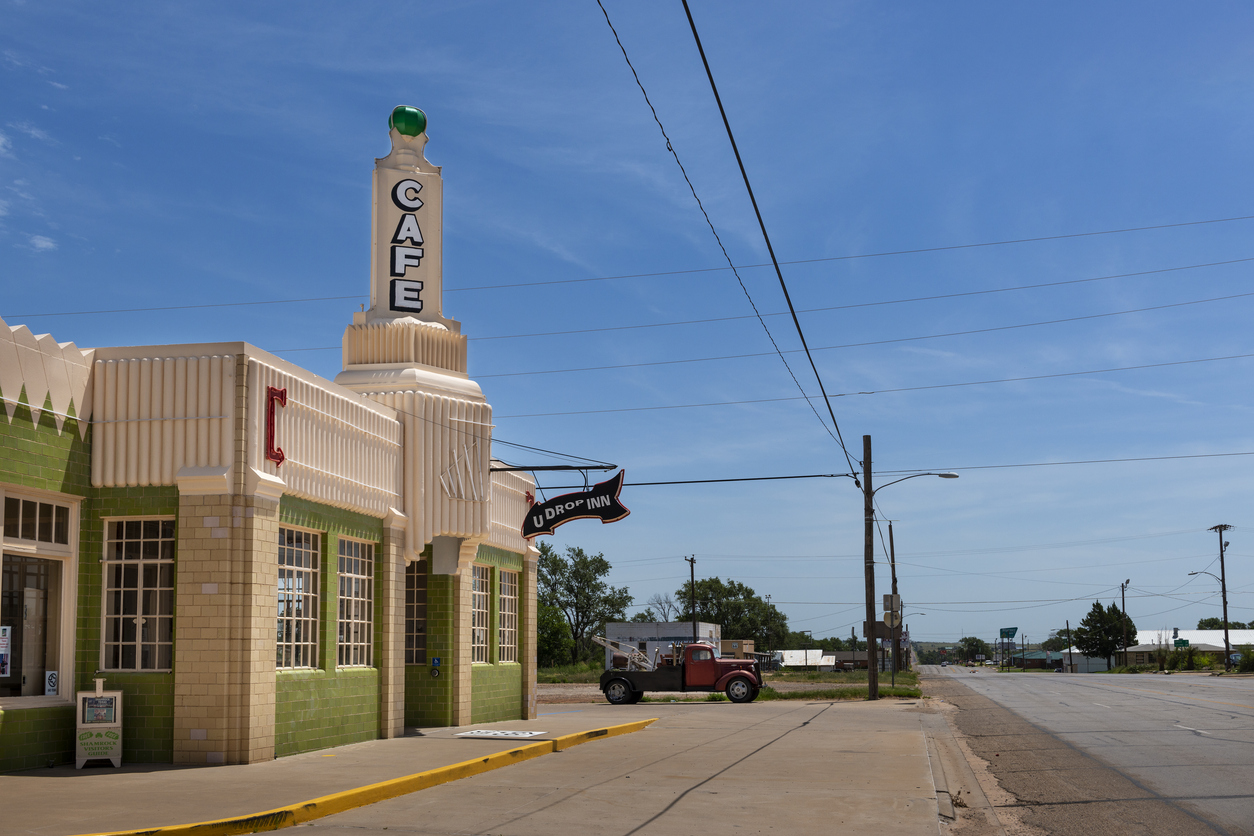
The most famous landmark in Shamrock is the U Drop Inn, also known as the Conoco Tower Station. Built in 1936, this Art Deco building served as a gas station and cafe during Route 66’s busiest years. Its green-and-cream exterior and distinctive tower make it one of the best-known Route 66 structures anywhere.
Today, the building houses a visitor center, museum, and gift shop. Travelers can walk through restored interiors, view exhibits on Route 66 history, and take photos of the iconic facade. The building gained additional attention after inspiring a location in the animated film Cars, which helped introduce Route 66 to a new generation.
Downtown Shamrock
Beyond the U Drop Inn, Shamrock’s downtown area still reflects its Route 66 roots. Several original buildings remain, and interpretive signs explain the town’s connection to the highway. While not every historic business is still operating, the overall feel gives visitors a strong sense of what Route 66 towns looked like during the mid-20th century.
McLean: Small Town, Big History
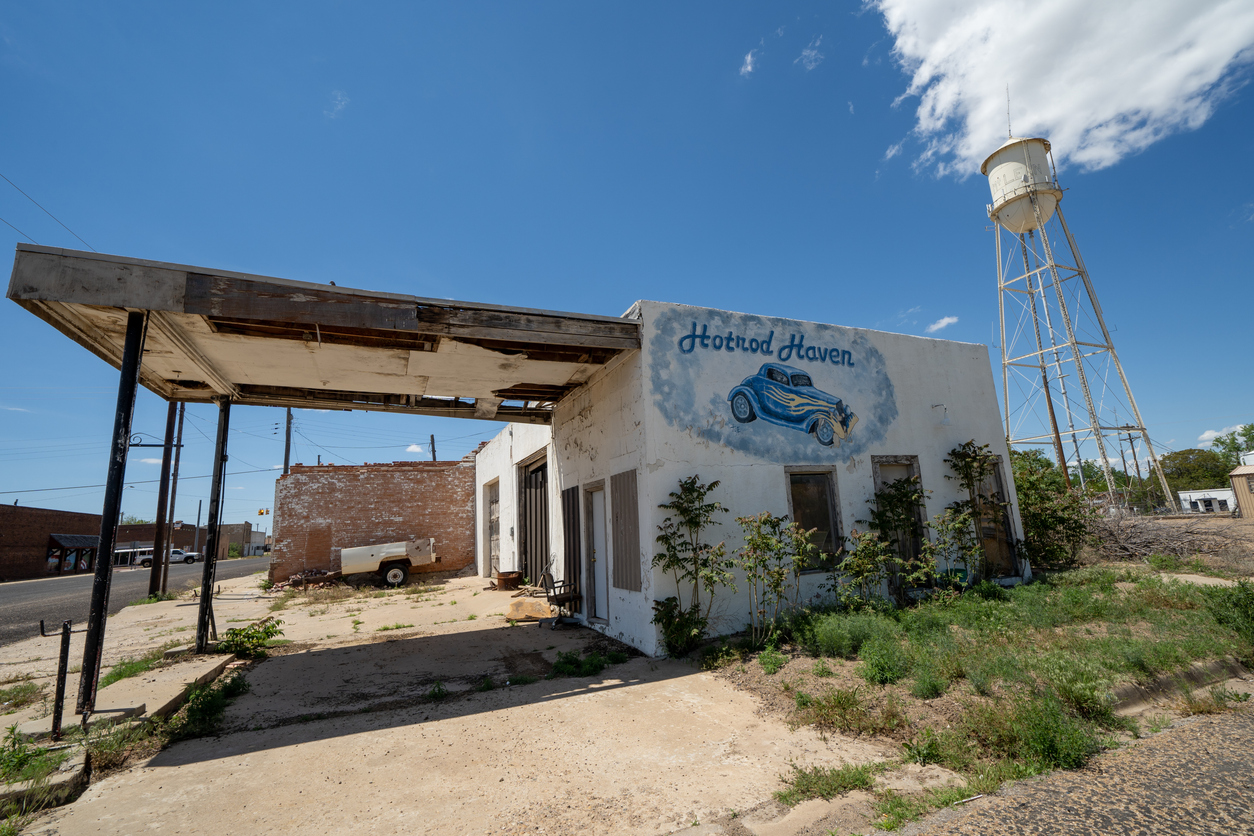
A short drive west of Shamrock brings travelers to McLean, another important Route 66 stop. McLean thrived during the highway’s heyday and has made an effort to preserve its story.
Devil’s Rope Museum
One of McLean’s most distinctive attractions is the Devil’s Rope Museum, dedicated to barbed wire history. While barbed wire might not seem connected to Route 66 at first, it played a major role in shaping the Texas Panhandle and its ranching economy.
The museum also includes Route 66 exhibits, vintage signs, and restored gas station structures. It provides useful background on how transportation, agriculture, and commerce intersected in the region.
Phillips 66 Station
McLean is home to a restored Phillips 66 gas station built in the 1920s. Its white cottage-style design stands out among typical service stations of the era. Though it no longer operates as a gas station, it remains a popular photo stop and a reminder of how fuel companies once tailored designs to attract travelers.
Alanreed and Groom: Quiet Stops with Strong Roots
Between McLean and Amarillo, Route 66 passes through small communities that may seem easy to overlook but still offer glimpses of the road’s past.
Alanreed
Alanreed is a very small community today, but Route 66 once brought steady traffic through town. A few historic buildings remain, and the quiet surroundings help visitors imagine what life was like when travelers stopped for meals or fuel.
Groom and the Leaning Tower
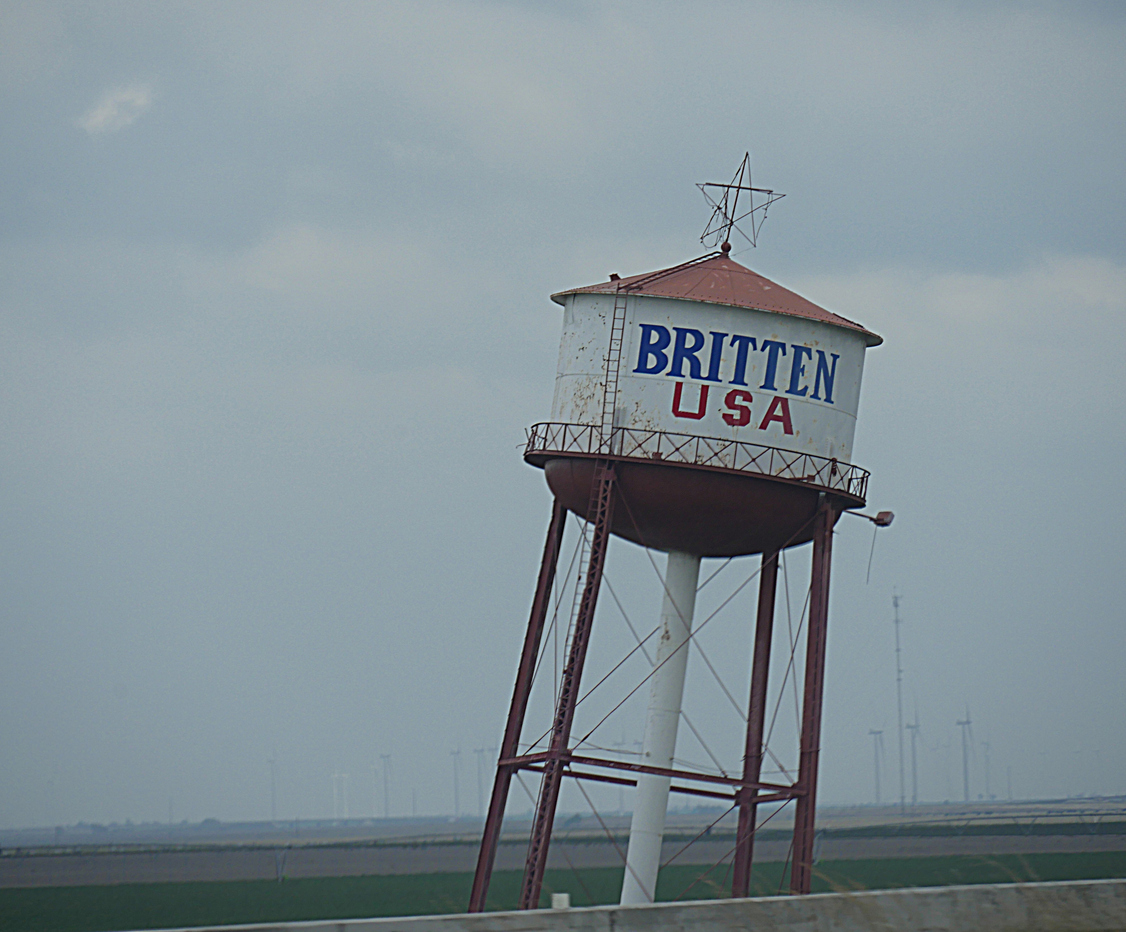
Groom is best known for its leaning water tower, which was intentionally tilted as a roadside attraction to draw attention from the highway. While not original to Route 66’s earliest years, it represents the playful spirit of roadside marketing that developed along the road.
Groom also features a restored Phillips 66 station and several historic markers. These stops provide quick but meaningful insights into Route 66 culture.
Amarillo: The Heart of Route 66 in Texas
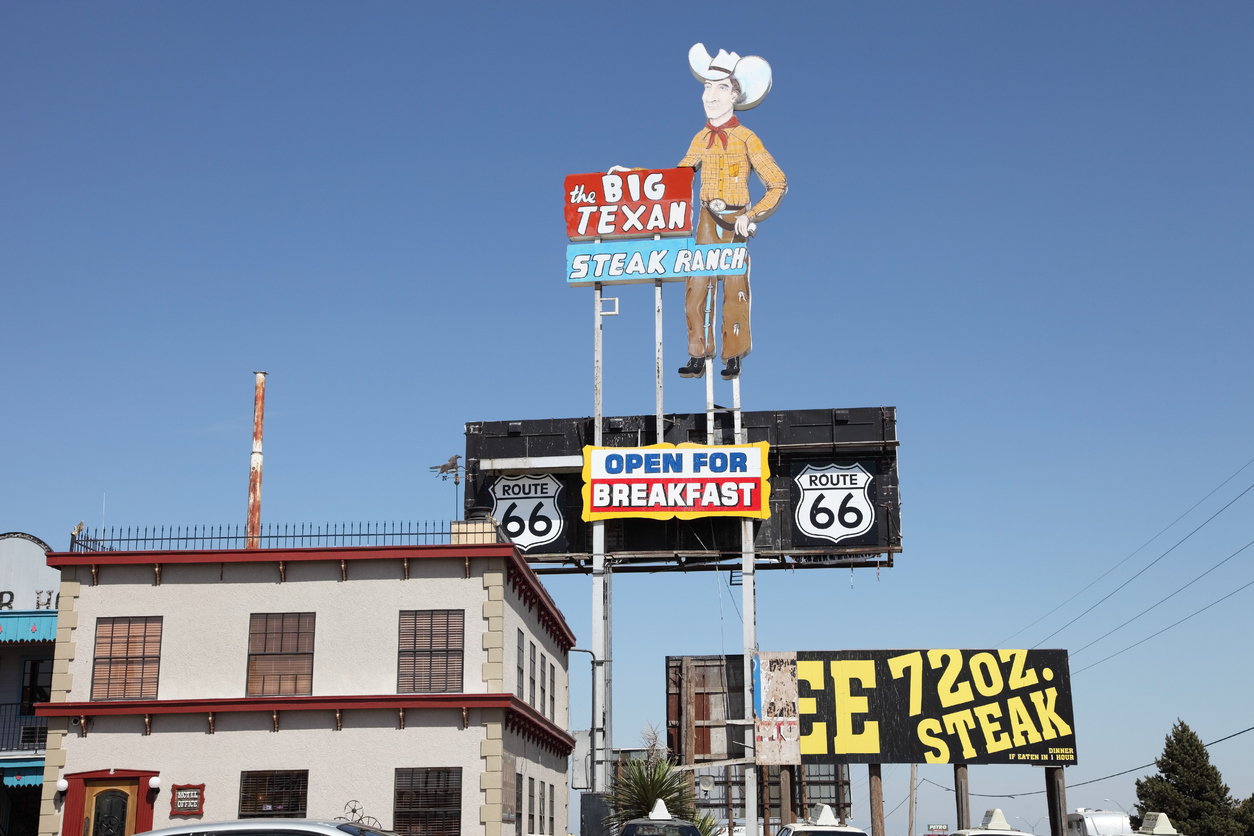
Amarillo is the largest city along Route 66 in Texas and remains a major hub for travelers.
Historic Route 66 District
Sixth Avenue in Amarillo serves as the city’s historic Route 66 district. Once lined with motels, cafes, and service stations, the street now hosts antique shops, local restaurants, and small businesses that embrace Route 66 themes.
Walking or driving along Sixth Avenue allows visitors to see restored neon signs, preserved storefronts, and plaques that explain the area’s history. Many businesses incorporate classic decor while offering modern services.
Cadillac Ranch
Located just west of Amarillo, Cadillac Ranch is one of the most famous roadside attractions on Route 66. Created in 1974, the installation features a row of Cadillacs buried nose-first in the ground. Visitors are encouraged to bring spray paint and leave their mark.
While Cadillac Ranch is newer than Route 66 itself, it reflects the road’s tradition of unexpected art and playful creativity. Its location near the original alignment makes it a popular stop for travelers exploring the highway today.
The Big Texan Steak Ranch
Another Amarillo landmark closely associated with Route 66 is The Big Texan Steak Ranch. Known for its oversized steaks and bold signage, the restaurant has been serving travelers for decades. While it has moved locations over the years, it continues to represent the larger-than-life dining experiences that Route 66 became famous for.
Vega: A Quiet Crossroads
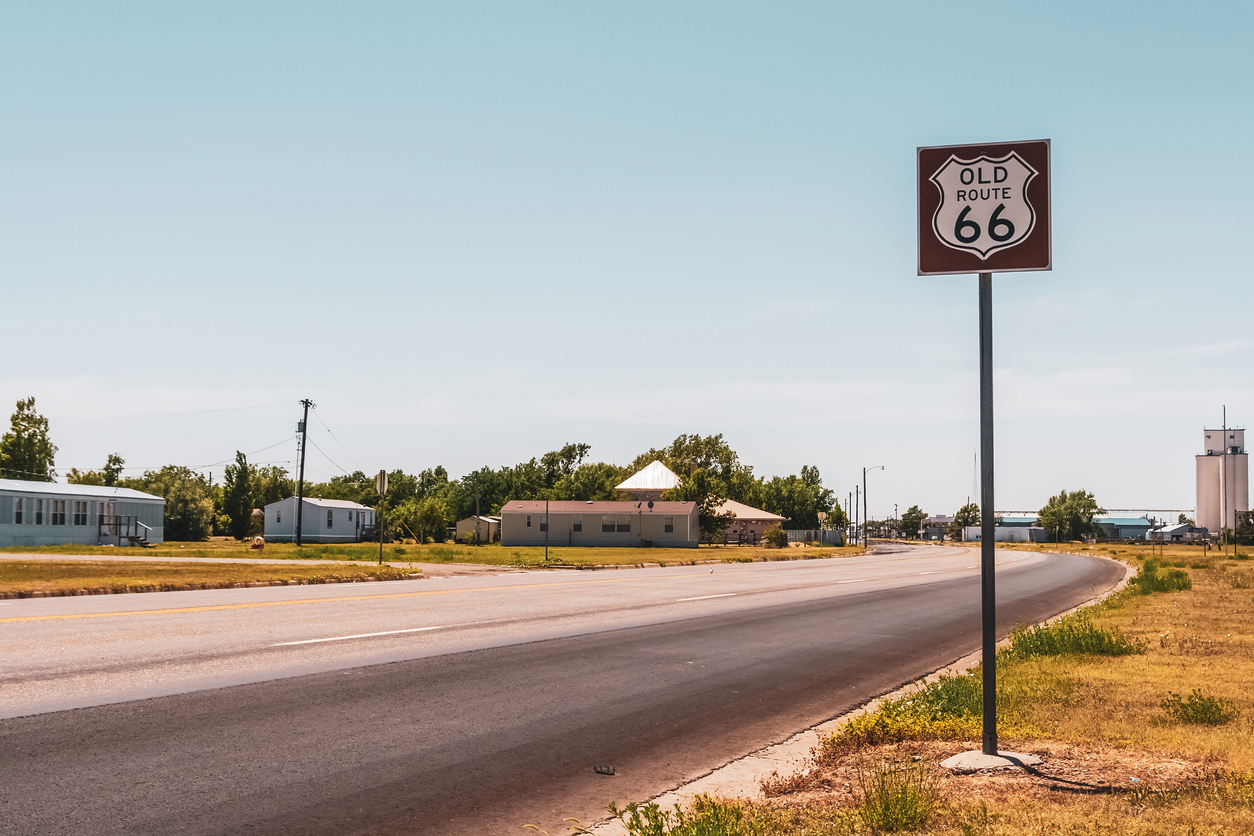
West of Amarillo lies Vega, a small town that once relied heavily on Route 66 traffic. Today, Vega feels quieter, but its historic downtown and remaining buildings tell an important story.
Old motels, cafes, and service stations still line parts of the road. Some are closed, while others have been repurposed. Driving through Vega offers a sense of how Route 66 towns changed when traffic declined and how communities adapted over time.
Adrian: The Midpoint of Route 66
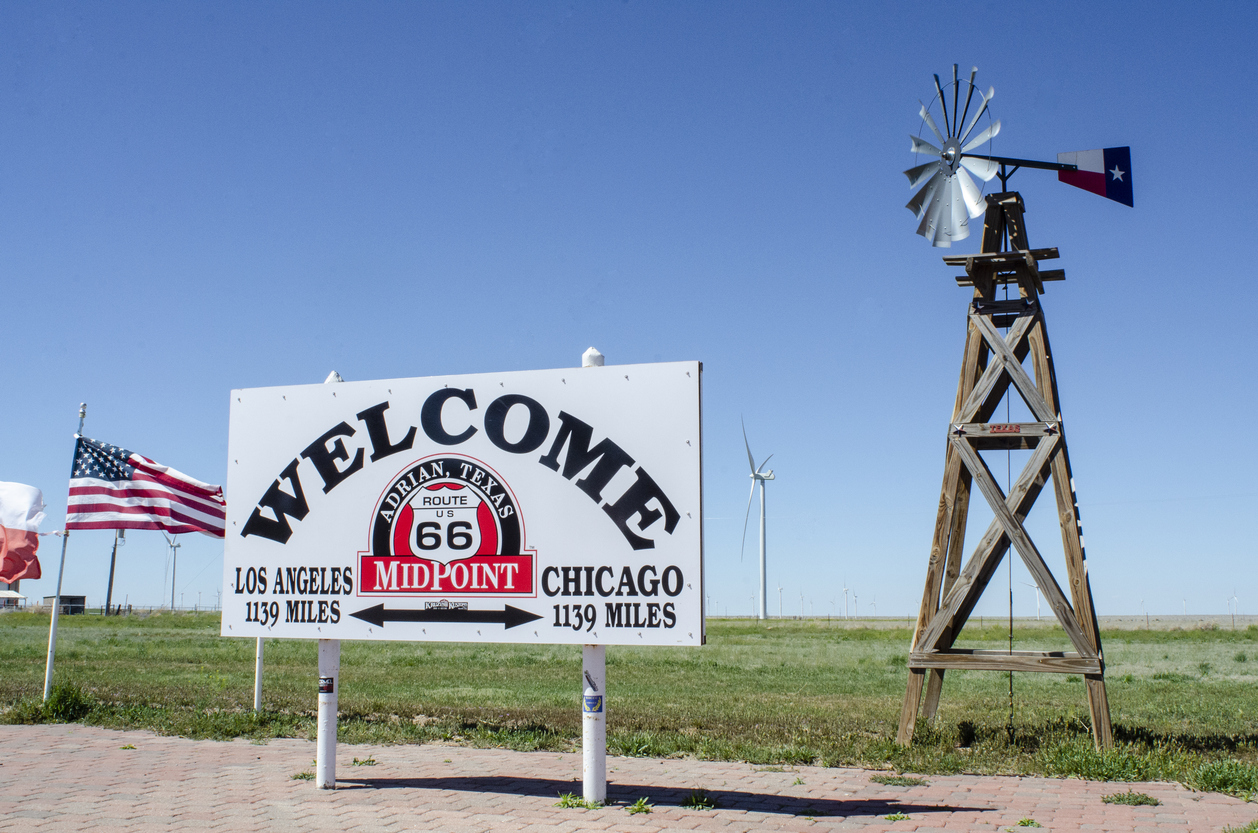
Adrian holds a special claim to fame as the midpoint of Route 66, sitting 1,139 miles from both Chicago and Santa Monica.
Midpoint Cafe
The Midpoint Cafe is the centerpiece of Adrian’s Route 66 presence. This restored diner serves classic comfort food and welcomes travelers from around the world. Inside, visitors can find memorabilia, photos, and signs marking the highway’s halfway point.
Stopping at the Midpoint Cafe provides a tangible connection to Route 66’s national significance and offers a friendly place to meet fellow travelers.
Glenrio: A Ghost Town on the Border
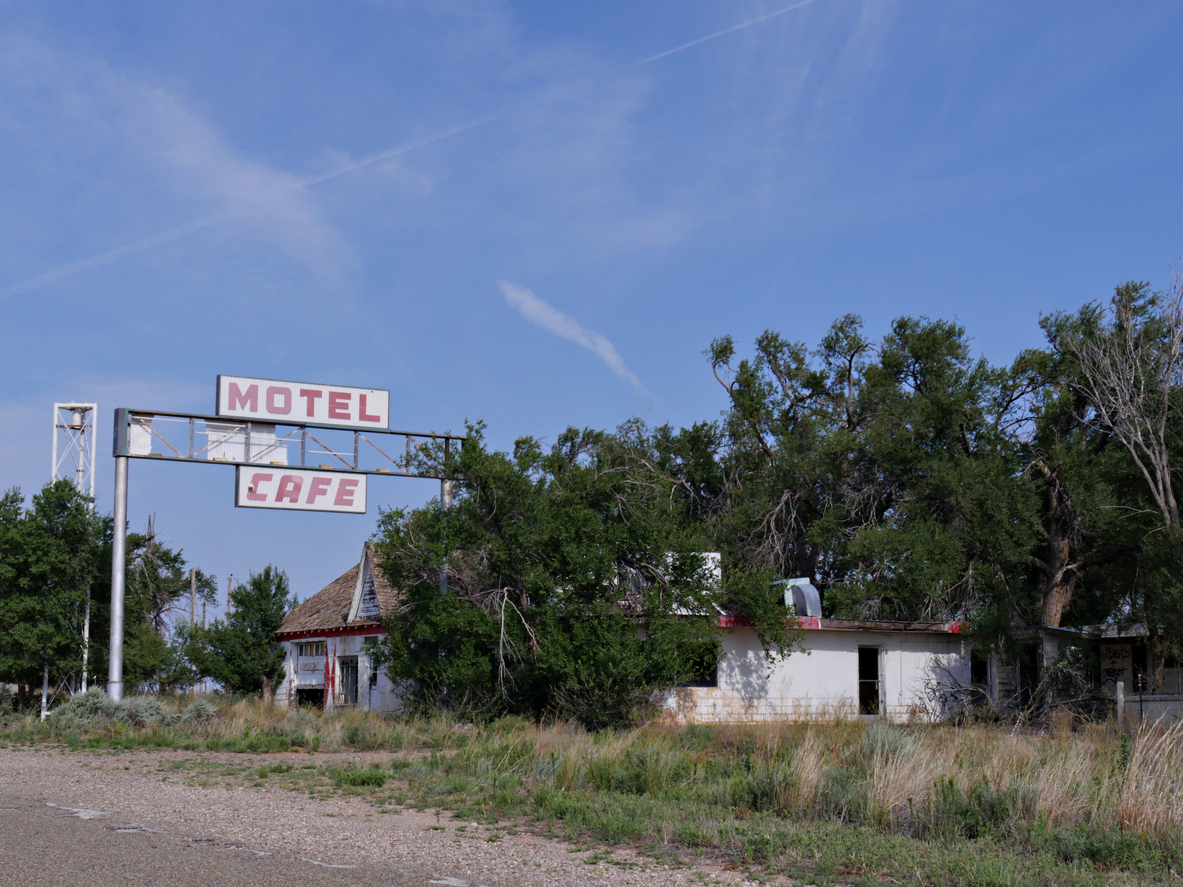
At the western edge of Texas lies Glenrio, a near-abandoned town straddling the Texas-New Mexico border. Once a bustling stop with motels, diners, and gas stations, Glenrio declined rapidly after Interstate 40 bypassed it.
Today, Glenrio stands as a haunting but fascinating reminder of Route 66’s impact. Empty buildings, faded signs, and quiet streets give visitors a clear picture of how dependent some towns were on highway traffic.
Exploring Glenrio requires caution, as many structures are unstable. Still, even a brief stop offers insight into the challenges faced by Route 66 communities after the road’s decline.
Original Road Segments and Driving Tips
While much of Route 66 in Texas runs parallel to Interstate 40, several original segments remain accessible. These stretches often pass through towns or rural areas and provide a closer experience of the historic road.
Travelers should watch for brown Route 66 signs marking original alignments. Some segments are well maintained, while others may be rougher. Driving during daylight hours and planning fuel stops in advance is recommended, especially in remote areas.
Museums, Markers, and Preservation Efforts
Texas communities along Route 66 have worked to preserve the road’s history through museums, interpretive signs, and restoration projects. Visitor centers often provide maps, brochures, and local insights that enhance the experience.
State and local historical markers explain how Route 66 influenced migration, commerce, and tourism. Taking time to read these markers adds depth to each stop and helps travelers understand the broader story of the highway.
What Route 66 in Texas Means Today

Route 66 in Texas is not a single attraction but a collection of places tied together by history. Some stops are lively and polished. Others are quiet and weathered. Together, they reflect the rise, decline, and enduring appeal of the Mother Road.
Driving this stretch today offers more than nostalgia. It provides a chance to see how small towns adapt, how memories are preserved, and how a road once shaped everyday life across the Panhandle.
Planning Your Visit
Travelers exploring Route 66 through Texas should allow at least one full day to see major highlights. Those interested in photography, history, or relaxed exploration may want more time.
Spring and fall offer comfortable driving conditions, while summer brings heat and wide skies. Many towns host Route 66-themed events throughout the year, which can add an extra layer of enjoyment.
Final Thoughts
Route 66 through Texas may be shorter than in other states, but it remains rich in character and history. From Shamrock’s Art Deco landmarks to Amarillo’s lively districts and Glenrio’s quiet streets, the road tells a clear story of movement, change, and connection.
For modern travelers, this stretch offers an accessible and meaningful way to experience Route 66. It invites curiosity, encourages conversation, and rewards those willing to slow down and look closely at what still stands along the way.
Comments (0)
No comments yet. Be the first to share your thoughts.
Leave a comment