


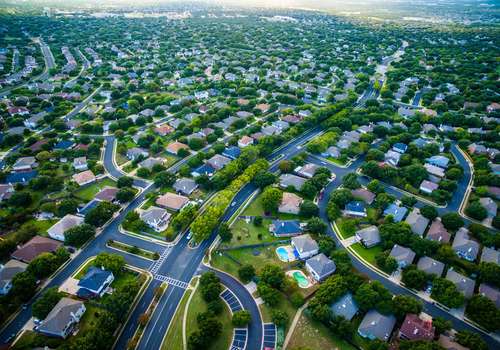
Austin has grown into one of the most desirable cities in Texas, but anyone who has spent time there knows that daily life in Austin can vary dramatically depending on where you live.
Two people may both say they live in Austin while having completely different experiences. One person might walk to coffee shops and coworking spaces downtown, while another spends weekends hiking in Hill Country neighborhoods far from the city core. Some residents prioritize quick access to tech campuses, while others care more about live music, school districts, lake access, or avoiding traffic as much as possible.
That is why choosing where to live in Austin often comes down less to price alone and more to lifestyle compatibility.
Austin traffic, geography, growth patterns, and neighborhood culture all play a major role in daily routines. A neighborhood that works perfectly for a remote worker may feel frustrating for someone commuting every day. Likewise, a vibrant nightlife district may sound exciting until it becomes part of your everyday noise level.
For anyone planning to move to Austin or relocate within the city, understanding how neighborhoods align with everyday habits can make a huge difference in overall quality of life.
If You Work in Tech and Want a Shorter Commute
Austin’s tech growth has transformed large parts of the city, especially in the north and northwest corridors.
For professionals working at companies like Apple, Dell, IBM, Indeed, Amazon, Oracle, or the growing number of startups throughout the region, neighborhoods in North Austin, The Domain area, and parts of Round Rock often make the most practical sense.
The Domain has become one of Austin’s major business and lifestyle hubs. The area combines office space, apartments, restaurants, shopping, gyms, and entertainment into a highly walkable district that appeals heavily to young professionals. Living nearby can significantly reduce commuting stress for people working in North Austin tech corridors.
Nearby areas like Arboretum, Jollyville, and Wells Branch also provide relatively convenient access to major employers while offering quieter residential environments than central Austin.
For people commuting to Apple’s large northwest Austin campus, neighborhoods along Parmer Lane, McNeil Drive, and portions of Cedar Park are especially popular because they help avoid some of the worst cross-city traffic patterns.
Many newer residents underestimate how exhausting Austin traffic can become during daily commutes. Choosing housing based on workplace proximity can dramatically improve everyday life.
If You Want Walkability and an Active Social Life
People who prioritize restaurants, coffee shops, nightlife, fitness studios, and walkable entertainment often gravitate toward Downtown Austin, South Congress, East Austin, and Zilker.
These neighborhoods offer some of the city’s most energetic daily environments.
South Congress, often called SoCo, remains one of Austin’s most recognizable lifestyle districts. Residents can walk to local boutiques, restaurants, music venues, and coffee shops while staying close to downtown and Lady Bird Lake. The area attracts young professionals, creatives, and residents who value activity and culture over suburban quiet.
East Austin has also become one of the city’s fastest-changing areas. The neighborhood blends historic character with newer restaurants, bars, food trucks, and creative spaces. Residents often choose East Austin because it provides easier access to nightlife and cultural events without always feeling as polished or commercial as downtown districts.
Meanwhile, Zilker appeals to active residents who want easy access to outdoor recreation. The neighborhood sits beside Zilker Park, Barton Springs Pool, and hike-and-bike trails around Lady Bird Lake.
For people whose routines involve morning runs, dog walks, fitness classes, or meeting friends for dinner without long drives, these central Austin neighborhoods can be extremely appealing.
However, residents should also expect higher housing costs, more traffic congestion, and limited parking in some areas.
If You Work From Home and Want a Calmer Environment
Remote work has reshaped Austin’s housing priorities.
Many residents no longer need to live near downtown offices every day, leading to increased interest in quieter neighborhoods with more space, better home office setups, and easier parking.
Areas like Circle C Ranch, Southwest Austin, Brushy Creek, and parts of Leander have become increasingly attractive for remote workers.
Circle C Ranch stands out because it combines suburban calm with access to parks, trails, grocery stores, and restaurants. The area feels more relaxed than central Austin while still remaining reasonably connected to the city.
For remote workers, quality-of-life details often matter more than nightlife access. Reliable parking, larger homes, quieter streets, nearby coffee shops, and access to outdoor spaces become much bigger priorities when home doubles as a workplace.
Farther north, communities like Leander and Georgetown appeal to residents seeking newer homes and more square footage. These areas have grown rapidly, but they still offer more breathing room than Austin’s urban core.
Many remote workers also appreciate proximity to green space because it helps break up the workday. Austin’s suburban trail systems, parks, and nearby Hill Country scenery have become major lifestyle advantages for residents working from home.
If You Have Kids and Want Family-Friendly Living
Families moving to Austin often focus heavily on school districts, parks, safety, and everyday convenience.
Neighborhoods in Cedar Park, Round Rock, Steiner Ranch, and Westlake consistently rank among the most popular choices for family-oriented living.
Round Rock has become especially attractive because of its strong schools, suburban infrastructure, sports facilities, and relative affordability compared to central Austin neighborhoods. The city also offers easy access to shopping, youth activities, healthcare facilities, and major highways.
Cedar Park provides a similar appeal with extensive parks, recreation programs, and family-oriented master-planned communities.
For families wanting more upscale surroundings and highly regarded schools, Westlake Hills remains one of Austin’s premier residential areas. The neighborhood offers scenic Hill Country landscapes, proximity to downtown, and access to highly ranked schools within Eanes ISD.
Meanwhile, Steiner Ranch appeals to families who enjoy outdoor recreation and lake access. Located near Lake Travis, the area includes trails, parks, and community amenities that encourage active lifestyles.
Many families relocating to Austin quickly realize that minimizing school commute times and daily driving stress becomes just as important as the house itself.
If Outdoor Recreation Is Part of Your Everyday Routine
Austin’s outdoor culture is one of the city’s defining characteristics.
For residents who spend their free time hiking, biking, kayaking, paddleboarding, or trail running, certain neighborhoods offer significantly better access to recreation.
Zilker, Barton Hills, Tarrytown, and Lakeway are especially popular with outdoor-focused residents.
Barton Hills places residents close to Barton Creek Greenbelt, one of Austin’s most beloved outdoor spaces. The area provides direct access to hiking trails, swimming spots, limestone cliffs, and biking routes.
Tarrytown, located west of downtown near Lake Austin, offers a quieter residential atmosphere while remaining close to water recreation and scenic parks.
Farther west, Lakeway attracts residents who want a more resort-like environment centered around Lake Travis. Boating, golf, waterfront dining, and hill country scenery all shape daily life there.
Outdoor-oriented residents often structure their routines around trail access, lake proximity, or fitness culture, making neighborhood location especially important.
Austin’s heat can also influence lifestyle decisions. Living near parks or water access can make outdoor activity far more practical during long summer months.
If You Want a More Affordable Austin Lifestyle
Austin’s housing costs have risen significantly over the past decade, leading many residents to search farther from the city center for better affordability.
Areas like Pflugerville, Hutto, Kyle, and Buda have grown rapidly because they provide more attainable housing options while still remaining connected to Austin employment centers.
Pflugerville has become especially popular with younger families and first-time homebuyers. The city offers suburban convenience, parks, and newer developments while sitting relatively close to North Austin job corridors.
South of Austin, Kyle and Buda attract residents looking for quieter communities with somewhat lower housing costs compared to central Austin neighborhoods.
These areas still require commuting for many residents, but some people prefer longer drives if it means gaining more space, newer homes, or lower monthly costs.
As Austin continues expanding outward, these surrounding communities are becoming increasingly integrated into everyday metro life.
If You Want Classic Austin Culture
Some residents move to Austin specifically because they want the creative, quirky, music-driven atmosphere the city became famous for.
Neighborhoods like Hyde Park, Clarksville, and portions of Central East Austin still preserve much of that older Austin character.
Hyde Park offers historic homes, walkable streets, local coffee shops, and a slower neighborhood feel near the University of Texas area. Residents often appreciate the balance between central location and quieter residential streets.
Clarksville, just west of downtown, blends historic charm with proximity to restaurants and cultural venues.
These neighborhoods tend to attract residents who value local identity, architecture, independent businesses, and community atmosphere more than suburban convenience.
Living in these areas often means sacrificing larger homes or newer developments, but many residents feel the cultural experience is worth the tradeoff.
Why Lifestyle Fit Matters So Much in Austin
Austin is not a city where one “best neighborhood” works for everyone.
The metro area stretches across multiple counties, traffic corridors, and vastly different environments ranging from dense urban districts to quiet Hill Country suburbs.
Someone working remotely with children may thrive in Cedar Park or Circle C Ranch. A nightlife-focused young professional may prefer East Austin or South Congress. An outdoor enthusiast might prioritize Barton Hills or Lakeway.
Choosing the right neighborhood often comes down to understanding how daily habits shape quality of life.
Commute times, access to parks, walkability, school routines, entertainment preferences, and even grocery store proximity all affect how people experience the city long-term.
The good news is that Austin offers enough variety for almost every lifestyle. The challenge is simply finding the area that matches how you actually want to live day to day.
Comments (0)
No comments yet. Be the first to share your thoughts.
Leave a comment