



Austin has plenty to offer retirees. It has major medical centers, live music, restaurants, parks, college-town energy, and an airport that makes travel easier. Still, living in Austin itself may not be the right fit for everyone.
Some retirees want a quieter pace. Others want a smaller home, less traffic, a closer sense of community, or easier access to nature. That is where the towns around Austin become especially appealing.
Central Texas has several communities that keep retirees close to the capital city without placing them in the middle of Austin’s busiest neighborhoods. Each town has its own personality, price range, scenery, and lifestyle.
Here are four towns near Austin that deserve a serious look if retirement in Central Texas is on your mind.
Georgetown: A Classic Retirement Favorite
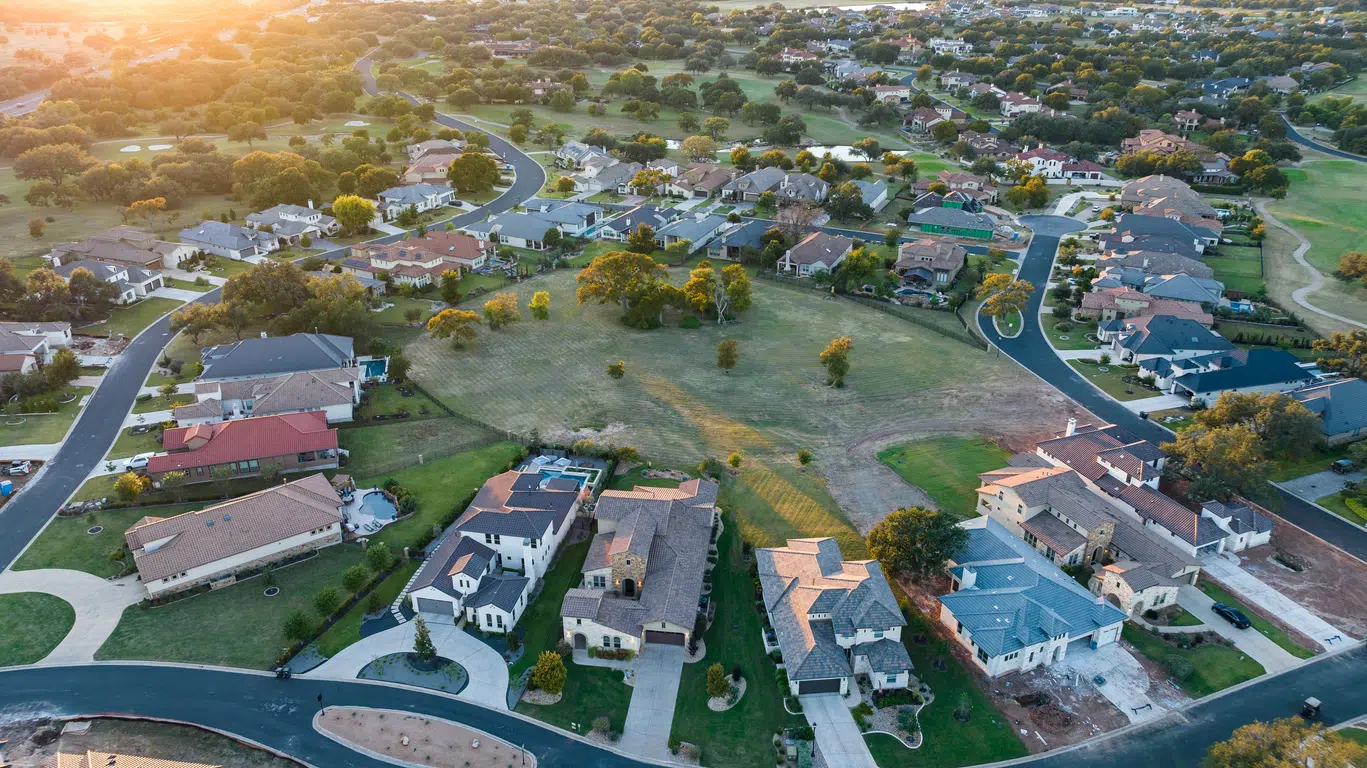
Georgetown is often one of the first towns people mention when talking about retirement near Austin. That reputation did not happen by accident.
Located north of Austin, Georgetown offers a strong mix of small-city comfort and practical convenience. It has a historic downtown square, established neighborhoods, medical access, shopping centers, restaurants, parks, and one of the best-known active adult communities in Texas: Sun City Texas.
For many retirees, Georgetown strikes a useful balance. It feels separate from Austin, yet it is still close enough for appointments, family visits, concerts, flights, and big-city errands. That makes it attractive for people who want space and routine without feeling removed from everything.
Why Georgetown Appeals to Retirees
Georgetown’s biggest strength is that it already understands retirement living. Many communities have homes designed with older adults in mind, including single-story layouts, smaller yards, walking paths, and neighborhood amenities.
The downtown area is another plus. The square has restaurants, coffee shops, boutiques, public events, and a courthouse-centered layout that gives the town a classic Texas feel. It is the kind of place where a simple lunch can turn into an afternoon stroll.
Nature also plays a role. Lake Georgetown, San Gabriel Park, and local trails give residents plenty of options for walking, fishing, picnicking, or spending time outdoors without needing a major day trip.
What to Consider Before Choosing Georgetown
Georgetown has grown quickly, and that growth brings both benefits and tradeoffs. Retirees will find better services, more dining, and more housing choices than in many smaller towns. They may also find traffic, construction, and rising home prices in popular areas.
It is a good fit for retirees who want an active lifestyle, organized activities, and strong access to services. It may feel too busy for someone looking for a quiet rural setting.
For many people, though, Georgetown remains one of the most complete retirement options near Austin.
Bastrop: Historic Charm East of Austin
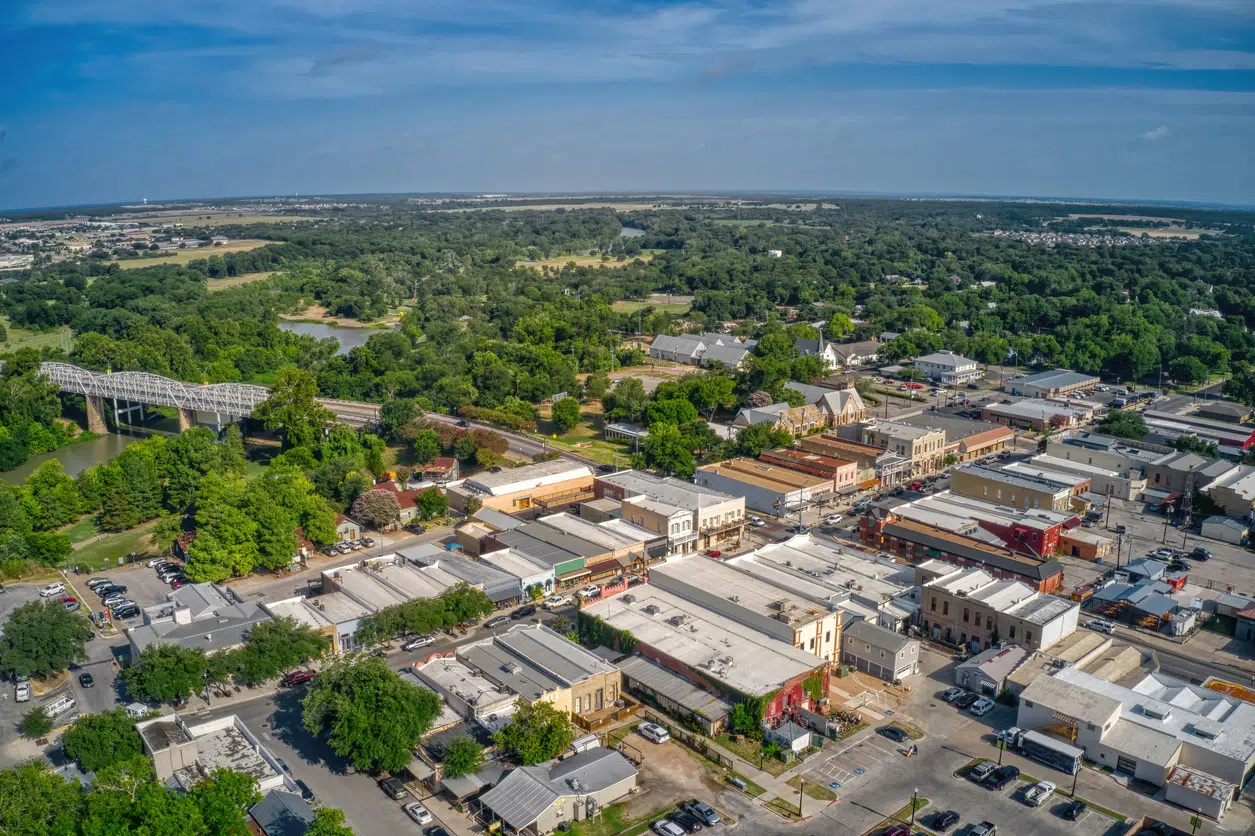
Bastrop sits east of Austin along the Colorado River, and it offers a very different feel from Georgetown. Where Georgetown leans into planned retirement living and fast-growing suburban convenience, Bastrop brings history, river scenery, and a relaxed small-town atmosphere.
The town is known for its historic downtown, older buildings, local shops, and access to the Lost Pines region. Bastrop State Park and nearby outdoor areas give residents easy ways to enjoy walking, camping, birding, and scenic drives.
For retirees who like Austin but do not want to live north or west of the city, Bastrop can be a smart place to explore.
Why Bastrop Appeals to Retirees
Bastrop has a slower rhythm than many Austin suburbs. Its downtown has character, and the Colorado River gives the town a natural focal point. Restaurants, shops, galleries, and local events help keep the area interesting without making it feel overwhelming.
The location is also useful. Bastrop is close enough to Austin for medical care, airport access, and cultural events, but it has its own identity. Retirees who want to stay connected to Austin without dealing with Austin every day may appreciate that separation.
Outdoor access is another major advantage. The Lost Pines landscape feels different from the Hill Country west of Austin. It has tall pines, shaded park areas, river views, and a peaceful quality that appeals to people who enjoy nature without wanting to live far from town.
What to Consider Before Choosing Bastrop
Bastrop has grown in recent years, and more development is expected. That may bring new services, restaurants, and housing options. It may also change the small-town feel over time.
Retirees should also think about commute routes and medical needs. While Bastrop has local services, some specialists or major appointments may require a drive into Austin or another regional center.
Bastrop is a strong fit for retirees who value history, local character, and access to nature. It is especially worth a look for people who want a town that feels independent from Austin while still staying close enough for convenience.
Dripping Springs: Hill Country Living Close to the City
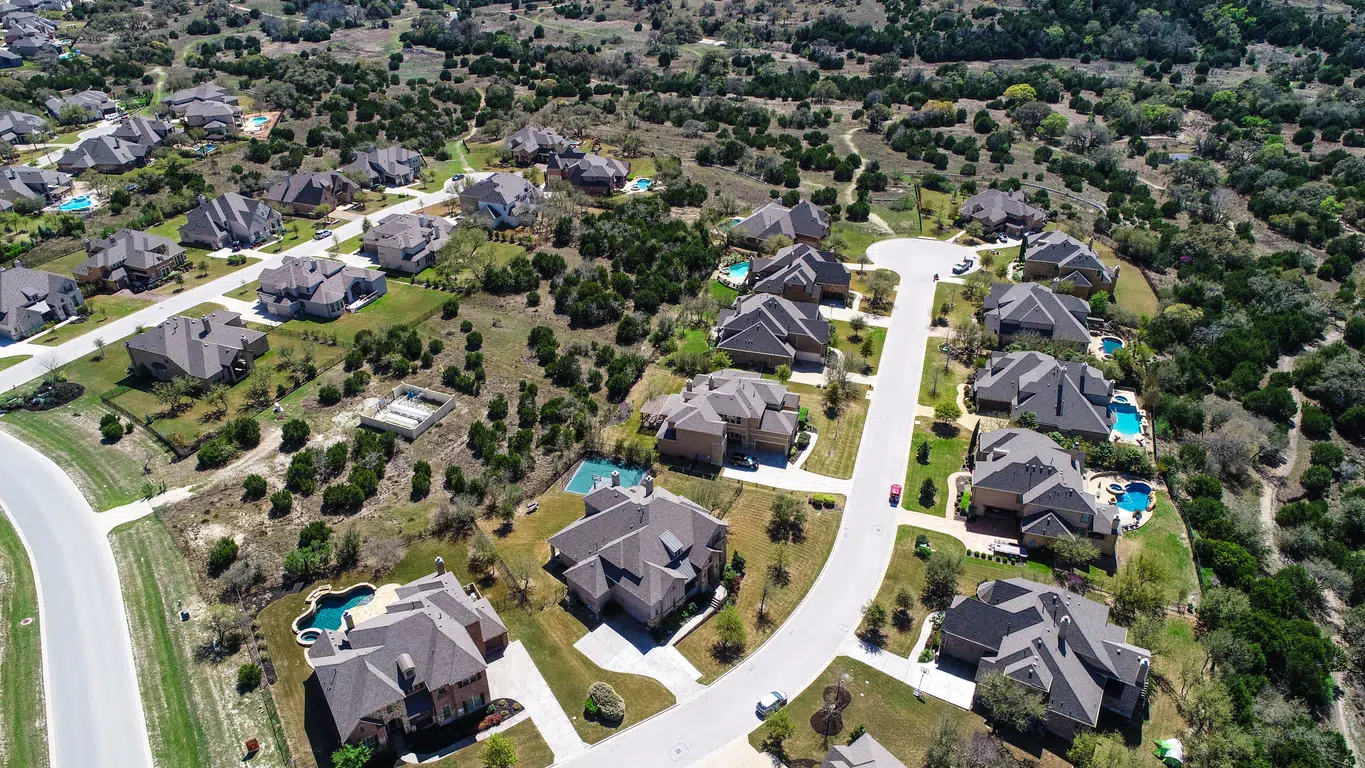
Dripping Springs is west of Austin and is often called a gateway to the Hill Country. For retirees who picture retirement with rolling views, wineries, scenic roads, and a quieter residential setting, Dripping Springs may stand out right away.
The town has grown, but it still has a strong Hill Country identity. It offers access to parks, natural areas, local restaurants, breweries, wineries, and a setting that feels removed from the city even though Austin is not far away.
For retirees who want beauty and breathing room, Dripping Springs can be very appealing.
Why Dripping Springs Appeals to Retirees
The scenery is one of the biggest draws. Dripping Springs has open skies, limestone landscapes, oak trees, and easy access to outdoor destinations. It is a good fit for retirees who enjoy drives through the Hill Country, local food, farmers markets, and a slower pace with upscale touches.
The town also offers access to Austin without placing residents directly inside Austin’s daily congestion. That can be a major advantage for people who want to enjoy the city occasionally while spending most days in a calmer setting.
Dripping Springs may also appeal to retirees who want a custom home, a larger lot, or a property with Hill Country views. Many people move there for the setting as much as the town itself.
What to Consider Before Choosing Dripping Springs
Dripping Springs can be pricier than some other towns near Austin. The area has become popular with families, remote workers, and people looking for Hill Country property. That demand can affect housing costs.
Growth is another factor. Road improvements, infrastructure needs, and new development are all part of the local conversation. Retirees should visit at different times of day to get a realistic sense of traffic and daily convenience.
Dripping Springs is best for retirees who value scenery, privacy, and Hill Country character. It may not be ideal for someone who wants the lowest-maintenance retirement option or the easiest access to a wide range of medical offices.
Wimberley: Peaceful, Artsy, and Scenic
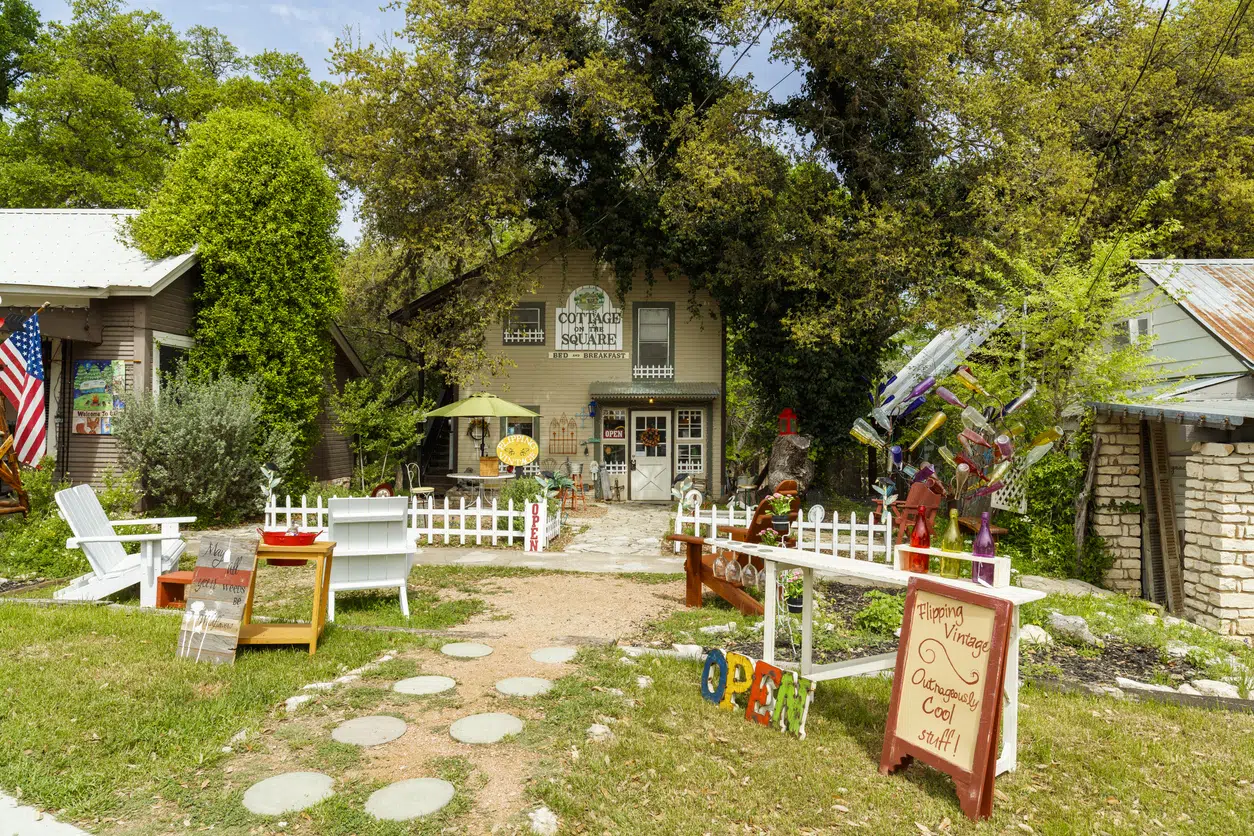
Wimberley is southwest of Austin, tucked into one of the prettiest parts of Central Texas. It is smaller and quieter than Georgetown, less suburban than Dripping Springs, and known for its artsy personality, natural beauty, and village-like feel.
The town sits near Cypress Creek and the Blanco River, with popular outdoor spots such as Blue Hole Regional Park and Jacob’s Well nearby. Its town square has shops, galleries, cafes, and a relaxed atmosphere that feels ideal for slow afternoons.
For retirees who want a peaceful retirement surrounded by scenery and creativity, Wimberley deserves attention.
Why Wimberley Appeals to Retirees
Wimberley is a good match for people who want a quieter lifestyle with a strong sense of place. It is not a typical suburb. It feels like a Hill Country village with artists, local businesses, weekend visitors, and residents who care deeply about the area’s natural setting.
The pace is slower, which many retirees appreciate. A day in Wimberley might include coffee near the square, a short hike, a visit to a gallery, or a quiet evening on a porch. That type of rhythm is exactly what some people want from retirement.
Nature is central to Wimberley’s appeal. The rivers, creeks, trees, and scenic roads make it feel restful. For retirees who are done with heavy traffic and dense neighborhoods, that can be a major selling point.
What to Consider Before Choosing Wimberley
Wimberley is beautiful, but it is not the most practical choice for every retiree. It is smaller, so some services are limited. Major medical care, large shopping centers, and certain appointments may require driving to San Marcos, Austin, or another nearby city.
Tourism can also affect the town’s feel, especially during weekends and popular travel seasons. Retirees should spend time there on weekdays and weekends before deciding if the rhythm feels right.
Wimberley is best for retirees who prioritize scenery, quiet living, and local charm over quick access to every service. It is especially appealing for people who want retirement to feel relaxed, creative, and close to nature.
How to Choose the Right Town for Your Retirement

Choosing where to retire near Austin is about lifestyle, not only location. The right town depends on how you want your days to feel.
Georgetown is a strong choice for retirees who want structure, amenities, active adult communities, and convenient services.
Bastrop fits retirees who like history, river scenery, local character, and a town that feels separate from Austin.
Dripping Springs works well for those who want Hill Country views, outdoor access, and a setting that feels peaceful while still offering modern comforts.
Wimberley is ideal for retirees who want quiet beauty, an arts-focused community, and a slower daily pace.
Before making a decision, spend time in each town. Visit grocery stores, parks, downtown areas, medical offices, and neighborhoods. Drive the routes you would use most often. Look at homes in person. Talk to residents when possible.
A town can look perfect during a weekend visit and feel different during daily life. Retirement is too important to judge from a quick trip alone.
Final Thoughts
Retiring near Austin gives you options. You can stay close to one of Texas’ most energetic cities while choosing a community that better fits your pace, budget, and lifestyle.
Georgetown, Bastrop, Dripping Springs, and Wimberley each offer something different. One leans active and convenient. One feels historic and relaxed. One brings Hill Country scenery with easy city access. One offers quiet beauty and a creative spirit.
The best choice depends on what you want retirement to look like. For many people, the right answer may be close to Austin, but not directly in it.
Comments (0)
No comments yet. Be the first to share your thoughts.
Leave a comment