


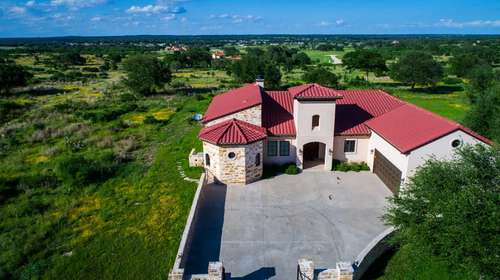
Austin has changed dramatically over the past decade.
The city’s population growth, expanding tech industry, and rising housing demand transformed many formerly quiet neighborhoods into dense and highly competitive residential areas. Apartment towers continue rising near downtown, traffic has become heavier across major corridors, and some longtime residents increasingly find themselves searching for something Austin once offered more easily: space.
For many people, more space does not necessarily mean living far away from the city entirely.
It often means:
- larger yards
- quieter streets
- wider neighborhoods
- more distance between homes
- better access to parks
- and a daily environment that feels less crowded
Some Austin neighborhoods and nearby communities still provide those qualities surprisingly well.
Certain areas offer larger residential lots and mature trees close to central Austin. Others provide Hill Country landscapes, master-planned communities, or suburban neighborhoods where residents can gain more square footage and outdoor space without losing access to jobs, restaurants, and city amenities.
Choosing the right area matters heavily because Austin’s geography and traffic patterns affect daily life significantly. A neighborhood that feels peaceful and spacious can quickly become frustrating if commuting becomes difficult or basic errands require long drives.
Fortunately, several parts of the Austin metro area still balance space and convenience very effectively.
For anyone wanting more room to live, breathe, and settle comfortably while remaining connected to Austin, these are some of the best places worth considering.
Circle C Ranch
Few Austin communities balance suburban space and city access better than Circle C Ranch.
Located in southwest Austin, the master-planned community became especially popular with families and professionals wanting:
- larger homes
- parks
- trails
- greenbelts
- and quieter residential streets
without moving extremely far from central Austin.
One reason Circle C works so well for residents seeking more space is layout.
The neighborhood was designed around broader residential spacing, community parks, and outdoor recreation rather than dense urban development. Many homes include larger yards than central Austin neighborhoods, and mature trees help the area feel less crowded visually.
Outdoor access is another major advantage.
Residents regularly use nearby:
- Slaughter Creek Trail
- the Veloway
- Lady Bird Johnson Wildflower Center
- and multiple neighborhood parks
The area also remains relatively convenient for commuting into downtown Austin compared to farther suburbs, particularly for people working hybrid schedules.
For residents wanting suburban breathing room while still feeling connected to Austin life, Circle C Ranch remains one of the strongest choices in the metro area.
Dripping Springs
For many Austinites, Dripping Springs represents the ideal balance between Hill Country space and city access.
Located west of Austin along U.S. Highway 290, the area has grown rapidly over recent years while still maintaining a more open and scenic atmosphere than many closer-in neighborhoods.
One of Dripping Springs’ biggest appeals is lot size.
Homes there often sit on:
- larger properties
- acreage lots
- or more spread-out residential developments
compared to denser Austin neighborhoods.
The surrounding Hill Country landscape also creates a noticeably different environment from urban Austin. Rolling terrain, limestone cliffs, oak trees, wineries, and open views contribute heavily to the area’s atmosphere.
Dripping Springs works especially well for:
- families
- remote workers
- and professionals
wanting quieter surroundings without losing access to Austin’s economy and entertainment.
The town also developed strong local infrastructure in recent years, including:
- restaurants
- breweries
- grocery stores
- coffee shops
- and highly regarded schools
Traffic into Austin can become challenging during peak commuting periods, but many residents accept that tradeoff in exchange for significantly more living space and outdoor access.
Steiner Ranch
Located near Lake Travis in northwest Austin, Steiner Ranch has become one of the metro area’s best-known neighborhoods for residents prioritizing space and outdoor living.
The community sits between Lake Travis and the Colorado River, giving the area a noticeably greener and more scenic atmosphere than many parts of the city.
One thing that makes Steiner Ranch distinct is its combination of suburban planning and natural surroundings.
Homes often include:
- larger floorplans
- bigger yards
- cul-de-sac streets
- and access to extensive trail systems
Residents also benefit from nearby parks, waterfront recreation, golf courses, and hiking access that help daily life feel more connected to nature.
The neighborhood appeals strongly to:
- families
- executives
- and professionals
who want larger homes without moving too far outside Austin.
Because Steiner Ranch sits farther from downtown, the area works best for people with flexible work arrangements or jobs concentrated in northwest Austin’s tech corridors.
Still, for many residents, the extra room and outdoor environment make the tradeoff worthwhile.
Cedar Park
Although technically a suburb north of Austin, Cedar Park remains one of the most practical options for people wanting more space without leaving the metro area entirely.
The city experienced enormous growth over the past two decades, but it still offers:
- larger residential neighborhoods
- more affordable square footage
- wider roads
- and more suburban-style development
than many parts of Austin itself.
Cedar Park appeals especially to residents wanting family-oriented neighborhoods and easier access to everyday amenities.
The area includes:
- parks
- shopping centers
- restaurants
- schools
- medical facilities
- and sports complexes
that make daily life relatively convenient.
Housing inventory also tends to provide better value in terms of square footage and yard size compared to central Austin neighborhoods.
The nearby tech corridors in North Austin and Round Rock further strengthen Cedar Park’s appeal for professionals working in:
- software
- engineering
- finance
- and corporate industries
Westlake Hills
For residents wanting more space while remaining extremely close to downtown Austin, Westlake Hills remains one of the city’s most desirable areas.
Located west of downtown across Lake Austin, the neighborhood combines:
- luxury homes
- winding roads
- heavily wooded landscapes
- and larger residential lots
into one of Austin’s most established upscale communities.
Westlake feels noticeably more secluded than central Austin despite its location.
Many homes sit behind trees or along hillsides that create a stronger sense of privacy than denser urban neighborhoods.
The area also benefits from excellent access to:
- Downtown Austin
- Barton Creek
- Lake Austin
- and Westlake retail corridors
For professionals and executives wanting larger homes and quieter surroundings without sacrificing central access, Westlake remains highly attractive.
Housing costs there are among the highest in the region, however, which makes the neighborhood more realistic for higher-income buyers than entry-level residents.
Georgetown
Located north of Austin, Georgetown continues growing rapidly because it offers one of the best combinations of space, affordability, and livability in Central Texas.
The city still maintains a distinct small-town atmosphere compared to Austin itself.
One reason Georgetown appeals strongly to residents wanting more room is housing variety.
The area includes:
- newer master-planned communities
- larger suburban homes
- and properties with more outdoor space
than many closer-in Austin neighborhoods.
The historic downtown square also adds character through:
- local restaurants
- coffee shops
- boutiques
- and community events
Georgetown works especially well for:
- families
- retirees
- and remote workers
who prioritize calmer surroundings and larger homes over immediate downtown access.
The commute into Austin can become lengthy during rush hour, but many residents increasingly work hybrid schedules that make the distance more manageable.
Bee Cave and Lakeway
For residents drawn to Hill Country scenery and larger residential environments, Bee Cave and Lakeway remain two of the strongest options near Austin.
Located west of the city near Lake Travis, both communities provide:
- larger homes
- more outdoor recreation
- hilltop views
- and quieter residential streets
than most central Austin neighborhoods.
The areas also include strong retail and restaurant infrastructure through developments like the Hill Country Galleria, which helps residents maintain daily convenience despite being farther from downtown.
Outdoor recreation is central to life there.
Residents regularly use:
- Lake Travis
- golf courses
- hiking trails
- marinas
- and waterfront parks
The overall atmosphere feels much more relaxed than central Austin’s faster-paced urban districts.
Why More Space Matters Increasingly in Austin
Austin’s rapid growth changed what many residents prioritize.
As traffic increased and housing density expanded, people began placing greater value on:
- larger homes
- home offices
- outdoor areas
- quieter neighborhoods
- and easier access to parks and nature
The rise of remote and hybrid work accelerated that trend even further.
Many professionals no longer need to live directly beside downtown offices every day, allowing them to prioritize space and lifestyle more heavily.
Austin’s geography also naturally supports that shift.
Hill Country communities, suburban developments, and lake-oriented neighborhoods all provide alternatives to dense urban living while still remaining tied economically and culturally to Austin itself.
Things to Consider Before Choosing a Spacious Austin Area
More space often comes with tradeoffs.
Commute times can increase substantially depending on workplace location. Some farther-out communities may also feel less walkable or require more driving for restaurants and entertainment.
Residents should realistically consider:
- commuting expectations
- school priorities
- home maintenance
- traffic patterns
- and long-term lifestyle goals
before choosing a neighborhood.
Flooding, wildfire concerns, and infrastructure growth are also worth evaluating carefully in certain Hill Country and outer-suburban areas.
Why Austin Still Offers Multiple Ways to Live
Part of what makes Austin appealing is flexibility.
Some residents want downtown energy and walkable nightlife. Others prioritize land, privacy, and outdoor space. Increasingly, many people want a combination of both.
The metro area now offers multiple paths depending on lifestyle priorities.
And for residents seeking more room to live comfortably without disconnecting entirely from Austin’s culture and economy, there are still plenty of strong options available across Central Texas.
Comments (0)
No comments yet. Be the first to share your thoughts.
Leave a comment