


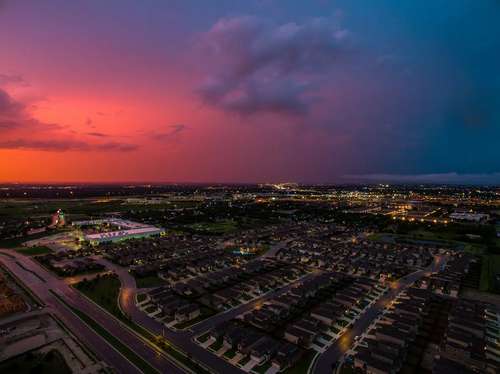
Austin is known for live music, festivals, food trucks, nightlife, and a social energy that draws people from across Texas and beyond. For many residents, that lively personality is part of the appeal. But not everyone moving to Austin wants to live close to the loudest patios, busiest bar districts, or most crowded weekend streets.
Some people want the benefits of Austin without feeling surrounded by activity every night. They want access to good restaurants, parks, coffee shops, schools, trails, and major roads, but they also want to come home to a place that feels calm after sunset.
The good news is that Austin still has many areas where a quieter lifestyle is possible. Some are older central neighborhoods with shaded streets and historic homes. Others are suburban communities with larger lots, greenbelts, and more space between neighbors. A few offer a balance of walkability and calm, giving residents access to daily conveniences without placing them in the middle of nightlife-heavy districts.
For anyone planning to settle in Austin and hoping for quiet nights, these areas are worth considering.
Tarrytown
Tarrytown is one of the best-known Austin neighborhoods for people who want a peaceful residential setting close to the center of the city. Located west of downtown, the area offers tree-lined streets, older homes, newer custom builds, and quick access to Lake Austin, MoPac, and central Austin destinations.
What makes Tarrytown especially appealing is its calm atmosphere. It feels removed from the louder parts of the city, even though downtown, the University of Texas, Clarksville, and West Austin amenities are all nearby.
Residents can enjoy quiet evenings at home while still being close to coffee shops, restaurants, grocery stores, and outdoor spaces. The neighborhood’s access to parks and Lake Austin also gives it a relaxed feel that fits people who prefer slower evenings and outdoor routines.
Tarrytown is not the most affordable option in Austin, but it remains one of the strongest choices for people who want a quiet residential lifestyle without moving far from the city’s core.
Northwest Hills
Northwest Hills is a strong fit for people who want calm streets, hilltop views, and convenient access to everyday needs. Located in northwest Austin, the area offers a more residential atmosphere while keeping residents close to MoPac, US 183, grocery stores, schools, restaurants, and medical services.
The neighborhood is known for its rolling terrain, mature trees, and homes that often feel more private than those in denser central areas. Many streets are quiet, and the area does not have the same nightlife presence found in downtown, East Austin, or South Congress.
For people who want to live in Austin but avoid a high-energy evening environment, Northwest Hills can be a practical choice. It offers enough convenience for daily life while still feeling settled and comfortable after dark.
The area works especially well for families, professionals, retirees, and remote workers who want a calm home base with reliable access to the rest of the city.
Allandale
Allandale is one of Austin’s most beloved established neighborhoods, and it works well for people who prefer quieter nights without giving up central convenience. Located in north-central Austin, the neighborhood has a residential feel shaped by mid-century homes, mature trees, local businesses, and a strong sense of community.
Allandale is close to Burnet Road, which gives residents access to restaurants, coffee shops, vintage stores, bakeries, and casual dining. Yet the residential streets themselves often feel calm and neighborly.
That balance is what makes Allandale attractive. Residents can enjoy a quiet home environment while staying close to some of Austin’s best everyday conveniences.
The neighborhood is also practical for people who need to reach downtown, North Austin, the Domain, or major roads. For anyone who wants Austin character without constant noise, Allandale is one of the city’s most reliable options.
Hyde Park
Hyde Park offers a quieter version of central Austin living. Located north of the University of Texas, it is one of the city’s oldest neighborhoods and is known for historic homes, bungalows, mature trees, and walkable streets.
The area has restaurants, coffee shops, small local businesses, and neighborhood parks, but it does not feel like a major nightlife district. Even with student activity nearby, much of Hyde Park maintains a calm residential rhythm.
People who enjoy walking, biking, older homes, and neighborhood charm may find Hyde Park especially appealing. It has enough activity to feel connected but not so much that evenings feel overwhelming.
For newcomers who want a central location with a softer pace, Hyde Park can be a good fit. It is especially appealing for people who want to experience Austin’s history and character without living in the busiest entertainment zones.
Crestview
Crestview is another north-central neighborhood that appeals to people who want quiet evenings and easy access to the rest of Austin. The area has a laid-back residential feel, with smaller homes, local businesses, and a community atmosphere that feels less intense than many newer parts of the city.
Crestview’s location is one of its strongest advantages. Residents can reach Burnet Road, North Lamar, Anderson Lane, and major commuter routes fairly easily, while still enjoying a neighborhood that feels calm and approachable.
The area is also close to Brentwood, Allandale, and other established neighborhoods, giving residents access to restaurants and shops without placing them directly in a high-traffic entertainment district.
For people who want a practical, comfortable Austin neighborhood where evenings can stay quiet, Crestview is worth a close look.
Circle C Ranch
Circle C Ranch is one of the best options for people who want a quieter suburban lifestyle while still living within Austin city limits. Located in Southwest Austin, the area is known for planned neighborhoods, parks, trails, schools, and access to outdoor spaces.
Circle C has a very different feel from central Austin. Homes are often larger, streets are more residential, and the pace tends to be calmer in the evenings. The area is especially popular with families and people who want more space, garages, yards, and neighborhood amenities.
One of Circle C’s biggest advantages is its access to nature. Residents are near Circle C Metropolitan Park, the Veloway, the Lady Bird Johnson Wildflower Center, and other Southwest Austin outdoor destinations.
For people who want Austin access but do not want to hear nightlife outside their window, Circle C offers one of the clearest paths to a quiet home life.
Shady Hollow
Shady Hollow is located in far South Austin and has long been known for its relaxed residential feel. It offers larger lots in many sections, mature landscaping, and a suburban atmosphere that appeals to people who want more breathing room.
The area is convenient to South Austin shopping, restaurants, parks, and schools, but it feels much quieter than neighborhoods closer to downtown. Many residents choose Shady Hollow specifically because it offers a more peaceful evening environment.
This can be a strong fit for people who want to live near Austin while avoiding the density and nightlife associated with the city’s central areas. It also works well for families and remote workers who spend more time at home and want their surroundings to feel comfortable throughout the day and night.
Shady Hollow is a practical choice for people who want space, calm, and access to South Austin amenities.
Barton Hills
Barton Hills is one of the most appealing Austin neighborhoods for people who want quiet nights and immediate access to outdoor recreation. Located near Zilker Park and the Barton Creek Greenbelt, the area offers a rare combination of central location and natural surroundings.
The neighborhood itself is largely residential, with winding streets, mature trees, and homes tucked near some of Austin’s most beloved green spaces. Residents can reach the Barton Creek Greenbelt, Barton Springs, Zilker Park, and South Lamar restaurants relatively easily.
The main consideration is proximity to event traffic. Parts of the area near Zilker Park can become busier during major festivals and large gatherings. However, many residential streets in Barton Hills remain peaceful on ordinary evenings.
For people who want access to trails, swimming, and central Austin while still enjoying a quieter home setting, Barton Hills is one of the city’s most attractive choices.
West Lake Hills
West Lake Hills offers a quieter, more private lifestyle just west of central Austin. The area is known for hills, trees, views, winding roads, and homes that often feel tucked into the landscape.
Although it sits close to downtown, West Lake Hills feels noticeably removed from Austin’s busier districts. That separation is part of its appeal. Residents can reach central Austin relatively quickly while returning home to a quieter, more residential environment.
The area is also associated with strong schools, larger homes, and access to outdoor recreation. It is a strong fit for people who value privacy, scenic surroundings, and peaceful evenings.
Housing costs are typically high, so West Lake Hills will not fit every budget. Still, for those who prioritize quiet and can afford the area, it remains one of the most desirable places near Austin.
Rollingwood
Rollingwood is a small community located just west of downtown Austin, near Zilker Park and West Lake Hills. It offers an appealing combination of central access and quiet residential living.
Because Rollingwood is compact and largely residential, it can feel calmer than many neighborhoods located just across the river. Residents are close to downtown, South Lamar, Barton Springs, and major cultural destinations, but the community itself has a more settled feel.
Rollingwood appeals to people who want short drives to Austin’s most popular areas without living directly in them. It is especially attractive for those who want a quieter home environment near parks and outdoor recreation.
Like West Lake Hills and Tarrytown, Rollingwood is generally expensive. But for people seeking quiet nights near the heart of Austin, it offers a rare balance.
Mueller
Mueller is not the quietest area in Austin, but it can be a good fit for people who want convenience, walkability, and a calmer alternative to downtown living. Built on the former airport site, Mueller was designed as a mixed-use community with homes, apartments, parks, shops, restaurants, and public spaces.
The area has activity, especially near Aldrich Street, the farmers market, and Mueller Lake Park. However, many residential streets feel orderly and calm compared to nightlife-centered districts.
Mueller works best for people who want quiet nights but do not want to give up walkable conveniences. It is a good fit for residents who like having coffee shops, trails, groceries, parks, and casual restaurants close by.
For people who want less isolation and more structure, Mueller offers a comfortable middle ground.
Great Hills
Great Hills in Northwest Austin offers a residential setting with easy access to major roads, shopping, restaurants, and job centers. It is close to US 183, Loop 360, the Arboretum area, and North Austin amenities.
The neighborhood includes hilly streets, trees, and homes that often feel more removed from the city’s busier zones. While nearby roads and shopping centers can be active, many interior residential areas remain quiet.
Great Hills can appeal to people who want convenience without choosing a dense or nightlife-heavy neighborhood. It is practical for those working in North Austin, the Domain area, or nearby tech corridors.
For residents who want Austin access, hillside character, and calmer evenings, Great Hills is a strong option.
What to Look for When Choosing a Quiet Austin Area
Finding a quiet place in Austin takes more than choosing the right neighborhood name. Noise can vary street by street, especially in a city with festivals, music venues, highway corridors, construction, and rapid growth.
Before choosing a home, it helps to visit the area at different times of day. A street that feels calm on a weekday morning may feel very different on a Friday night. Pay attention to nearby bars, event venues, short-term rentals, major roads, train tracks, and commercial parking areas.
It is also worth considering your commute. A quiet neighborhood may become less appealing if it adds too much driving stress to your daily routine.
For many people, the best choice is not the most remote area. It is the neighborhood that allows daily life to feel simple while keeping evenings peaceful.
Finding Quiet Without Losing Austin’s Best Qualities
Austin’s reputation often centers on music, nightlife, and growth, but the city also has a quieter side. It can be found in shaded central neighborhoods, hillside communities, greenbelt-adjacent streets, and suburban areas with more space.
Tarrytown, Northwest Hills, Allandale, Hyde Park, Crestview, Circle C Ranch, Shady Hollow, Barton Hills, West Lake Hills, Rollingwood, Mueller, and Great Hills all offer different versions of a calmer lifestyle.
Some provide historic charm. Others offer larger homes and suburban comfort. A few keep residents close to parks, trails, and central Austin without placing them in the middle of the city’s busiest evening activity.
For people settling in Austin who want quiet nights, the goal is not to avoid the city’s energy completely. It is to choose a home base that lets you enjoy Austin when you want it and step away from the noise when you are ready to rest.
Comments (0)
No comments yet. Be the first to share your thoughts.
Leave a comment