


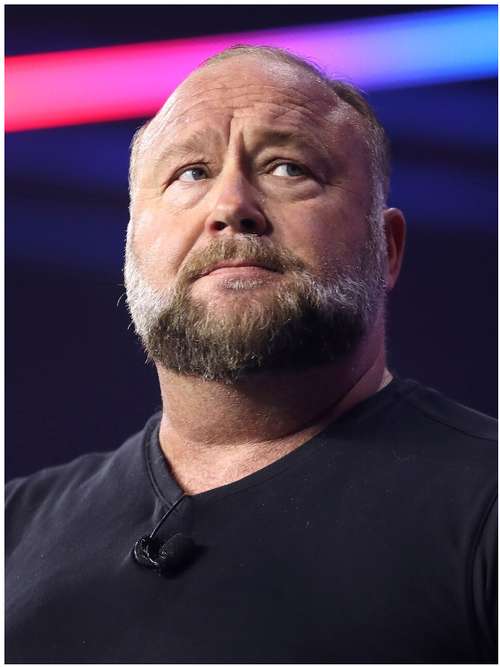
Gage Skidmore from Surprise, AZ, United States of America, Alex Jones by Gage Skidmore, CC BY-SA 2.0
Alex Jones, the Austin-based conspiracy theorist, has fueled controversy with his media platform, InfoWars, known for spreading misinformation and conspiracy theories. His rise began from public-access TV, evolving into a prominent alternative media figure.
Following the Sandy Hook defamation case, Jones faces significant legal and financial challenges, intensifying his polarizing nature. His influence on public discourse raises questions about the boundaries of media accountability. Uncover the full extent of his impact and controversies.
Early Life and Influences
Although Alex Jones is widely known for his provocative views, it’s essential to understand the early influences that shaped his perspective. Growing up in Rockwall before moving to Austin, Jones was exposed to ideas that fueled his distrust of government.
Jones was heavily influenced by Gary Allen’s book, “None Dare Call It Conspiracy,” which left a lasting impression on him. The Waco siege in 1993 further cemented his skepticism toward government actions.
While attending Anderson High School, Jones began exploring controversial topics through public-access television. This early platform laid the groundwork for his future media endeavors.
His drive to challenge mainstream narratives and promote alternative views was evident from his teenage years, ultimately setting the stage for his future career.
Media Career Development
Alex Jones launched his media career with a live public-access TV program in Austin during the 1990s, setting the foundation for his entry into broadcasting. He moved to radio in 1996, hosting The Final Edition on KJFK-FM.
However, his controversial views led to his firing in 1999, prompting him to continue independently. That same year, he created InfoWars, initially as a personal website.
His media work quickly expanded, evolving into a platform known for controversial commentary. By 2001, Jones’s show was syndicated nationally, drawing significant attention.
His confrontational broadcasting style contributed to his notoriety, solidifying his place in fringe media and conspiracy circles.
The Rise of InfoWars

Tyler Merbler from USA, Alex Jones & Paul Joseph Watson (9072625782), CC BY 2.0
InfoWars, launched in 1999, quickly grew from a basic website into a major node for conspiracy content. By 2016, the site reportedly reached around 10 million monthly visits, rivaling traffic at some mainstream outlets.
InfoWars generated substantial income, earning up to $800,000 daily in 2018, primarily from selling dietary supplements and survivalist gear. Despite bans from social platforms, the brand endured, driven by sensational content and loyal audiences.
Key factors in InfoWars’ ascent include:
- Revenue Streams: A majority of Jones’s income stemmed from product sales tied to his conspiracy narratives.
- Controversial Content: The site referenced national tragedies like Sandy Hook, sowing distrust in official accounts.
- Persistent Reach: Despite removals, InfoWars maintained visibility via independent channels.
Prominent Conspiracy Theories
Jones gained notoriety for promoting several widely discredited conspiracy theories. Most infamously, he claimed the Sandy Hook Elementary School shooting was a hoax staged to push gun control, asserting that grieving parents were “crisis actors.”
He also pushed the idea that 9/11 was an “inside job” orchestrated by the U.S. government, and described the Oklahoma City bombing as a false flag attack.
Additionally, he suggested the Parkland shooting survivors were actors, further fueling mistrust and harassment.
These unfounded theories caused real-world harm and played a large role in shaping the modern misinformation landscape.
Legal and Financial Challenges
As a result of his false claims, Alex Jones now faces mounting legal and financial consequences. His conspiracy about Sandy Hook led to multiple defamation lawsuits, with combined verdicts totaling over $1.4 billion in damages.
These legal actions severely impacted his company, Free Speech Systems, which owns InfoWars.
Highlights of his current legal challenges include:
- Massive Damages: A Connecticut jury awarded $965 million in one case, with additional millions in punitive damages.
- Bankruptcy Efforts: Jones filed for personal bankruptcy and attempted to restructure business debts.
- Business Revenue: Despite challenges, InfoWars earned up to $80 million annually from product sales.
Impact and Social Media Presence
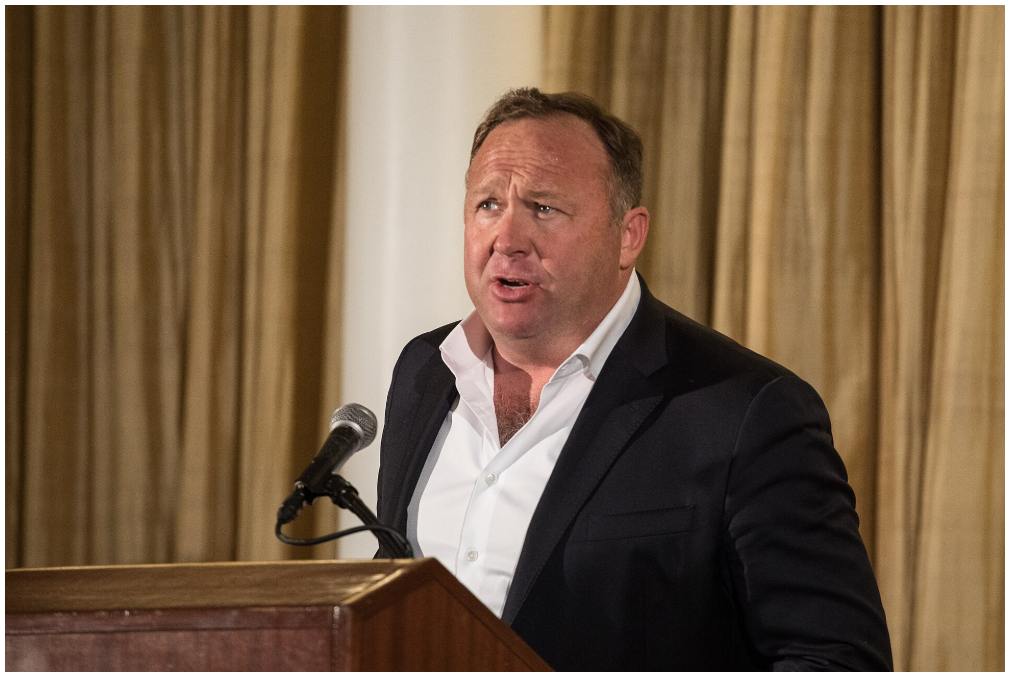
Image: Jaredlholt, Alex Jones DC Press Conference 2018-2, CC BY-SA 4.0
Jones’s online presence changed dramatically after 2018, when Facebook, Twitter, YouTube, and Apple banned him for spreading hate speech and inciting violence.
These bans significantly reduced his mainstream visibility. Nevertheless, he continued to influence fringe communities through InfoWars and alternative platforms.
By 2020, InfoWars still attracted an estimated 3.34 million monthly visits, although down from peak levels.
Despite being deplatformed, his followers continued sharing his content, helping him maintain relevance.
Political Connections and Advocacy
Throughout his career, Alex Jones built political ties that bolstered his profile, especially within right-wing movements. In 2015, Donald Trump appeared on The Alex Jones Show, signaling validation from mainstream conservative figures.
Jones also promoted pro-gun activism and led campaigns against gun control. He infamously encouraged a petition to deport Piers Morgan for supporting firearm restrictions.
Key activities include:
- Gun Rights Advocacy: Vocal support for the Second Amendment through petitions and protests.
- Trump Alliance: His alignment with Trump magnified his reach.
- Pizzagate: Promoted the false theory that linked Hillary Clinton to a child trafficking ring.
Social Media Bans and Restrictions
The deplatforming of Alex Jones in 2018 marked a watershed moment in content moderation. Facebook, YouTube, Apple, Spotify, and later Twitter, cited hate speech and misinformation as reasons for banning him.
These bans caused steep drops in traffic and revenue, with InfoWars losing millions in monthly visits.
Nonetheless, his content still circulates via alternative video platforms and fan reposts, keeping his message alive.
The bans spotlight ongoing debates about tech responsibility, censorship, and misinformation’s role in public discourse.
Controversies and Criticism
Despite continuous criticism, Alex Jones remains a divisive figure. His false Sandy Hook claims earned widespread condemnation and legal action from grieving families.
He also amplified Pizzagate, contributing to real-world threats and violence, such as the 2016 Comet Ping Pong incident.
Jones has been banned from multiple platforms for violating community guidelines related to hate speech and harassment.
Still, InfoWars remains financially viable, partly due to merchandise and supplement sales. Public backlash hasn’t silenced his rhetoric, but has instead raised questions about speech, harm, and platform accountability.
The Sandy Hook Defamation Trial
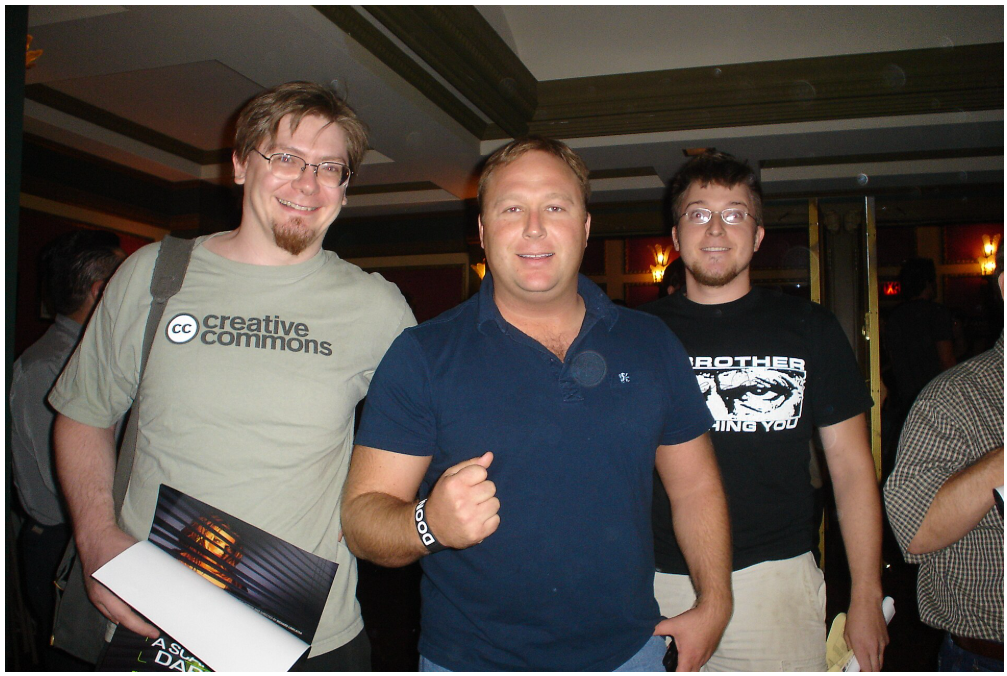
Nick Mollberg, AlexJonesWithFans, CC BY 2.0
In a landmark 2022 trial, a jury ordered Alex Jones to pay $49.3 million in damages to Scarlett Lewis and Neil Heslin, whose son Jesse Lewis was killed in the Sandy Hook shooting.
The trial revealed how Jones’s false claims led to harassment and death threats against victims’ families. He repeatedly stated that the tragedy was staged and that no children had died, calling parents “crisis actors.”
Emotional testimonies from families described the psychological torment they endured.
The verdict marks a defining moment in holding media figures accountable for disinformation and defamation.
Comments (0)
No comments yet. Be the first to share your thoughts.
Leave a comment