


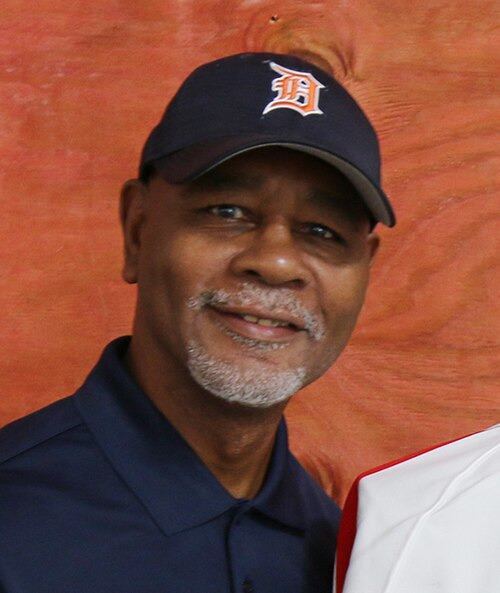
Hilmer Kenty’s journey from a young boxer in Columbus, Ohio to a world champion who later spent time in Austin is legendary. Starting at 12, he took the boxing world by storm, winning titles and training under the famous Emanuel Steward at Kronk Gym.
His success wasn’t limited to the ring; he notably contributed to his community, even running for Detroit City Council. Uncover the remarkable blend of boxing brilliance and dedication to public service that defines his legacy.
Early Life and Rise in Columbus, Ohio

Growing up in Columbus, Ohio, Hilmer Kenty’s path to boxing stardom began early. At just 12, Kenty stepped into the boxing ring, setting the stage for his journey to become a lightweight champion.
He attended Linden McKinley High School, where his athletic prowess was evident as he played on the reserve football team during his sophomore year. However, it was in the boxing arena where Kenty truly shined.
Guided by the skilled hands of coach Bill Cummings Jr., he quickly made a name for himself. By the age of 13, Kenty clinched his first Golden Gloves title, marking the start of an impressive career.
His early victories hinted at the champion he’d one day become.
A Promising Start in Amateur Boxing
Hilmer Kenty’s rise in amateur boxing was nothing short of remarkable. Starting at the age of 12, he quickly rose through the ranks, thanks to his raw talent and dedication.
At just 13, you’d find him clinching his initial Golden Gloves title, a testament to his budding prowess. As he grew, he continued to impress, reaching the finals of the U.S. Olympic trials in the Bantamweight division in 1972. This achievement solidified his reputation as a formidable contender in amateur boxing.
His pursuit didn’t stop there; he became the National AAU Lightweight Champion in 1974 and 1975. Kenty’s skills were undeniable as he even defeated future champion Aaron Pryor, showcasing his potential to dominate the sport.
The Influence of Coach Bill Cummings Jr.
Though many factors contributed to Hilmer Kenty’s success, the influence of Coach Bill Cummings Jr. was undeniably critical.
As Kenty’s coach from age 12, Cummings Jr. was crucial in crafting his early boxing skills. He wasn’t just any coach; he was a notable amateur mentor who guided Kenty to his first Golden Gloves title at 13.
Cummings Jr. helped Kenty develop a unique style blending slick movement with power, making him a formidable opponent. Under his mentorship, Kenty compiled an impressive amateur record, even defeating future champions like Aaron Pryor.
This strong foundation laid by Cummings Jr. enabled Kenty to transition from a successful amateur career to becoming the WBA Lightweight Champion in 1980.
Reaching the Pinnacle: 1972 US Olympic Trials
While aspiring for greatness, Hilmer Kenty reached a vital moment in his career at the 1972 U.S. Olympic Trials in the Bantamweight division.
As a promising amateur boxer, Kenty showcased his exceptional skills, facing off against highly competitive opponents. His run through the Olympic trials emphasized his determination and talent, solidifying his reputation as one of the top amateur boxers of his time.
Although he didn’t secure a spot on the Olympic team, the experience was invaluable, paving the way for future achievements. Kenty’s performance at the trials set the stage for him to become a National Golden Gloves champion, elevating his status in the boxing community.
This critical moment contributed greatly to his development and eventual success as a professional fighter.
Dominating the Amateur Scene: National AAU Championships
Having made a mark at the 1972 Olympic Trials, Kenty channeled his drive into dominating the amateur boxing scene, particularly at the National AAU Championships.
You’d be impressed by his resilience and skill, as he clinched the National Lightweight Championship in 1974 and 1975. These victories solidified his standing as one of the top amateur boxers in the country.
Among his notable achievements, Kenty defeated Aaron Pryor in the 1974 AAU Championships—a significant win considering Pryor’s future world champion status.
Despite facing fierce competition like Sugar Ray Leonard, who bested him in the 1973 National Golden Gloves finals, Kenty’s amateur record of 106 wins and 30 losses speaks volumes.
His path through the amateur ranks was nothing short of remarkable.
Bold Transition to Professional Boxing
As Hilmer Kenty transitioned to professional boxing in 1977, his impressive amateur achievements set the stage for what was to come.
Trained by the renowned Emanuel Steward, Kenty became a cornerstone of Kronk Gym, home of the legendary Motor City Cobras. His transition was nothing short of bold, as he quickly made waves in the ring with his skill and determination.
By March 2, 1980, Kenty had already captured the WBA Lightweight Title, becoming Detroit’s first world champion since Joe Louis.
His professional career saw him amass a formidable record of 29 wins and only 2 losses. Kenty’s early success laid the groundwork for a remarkable career that would inspire future generations of boxers.
Historic Victory: Capturing the WBA Lightweight Title
Hilmer Kenty’s bold move into professional boxing quickly led to a historic moment on March 2, 1980. That night, at Joe Louis Arena in Detroit, Kenty captured the WBA title by defeating Ernesto España with a ninth-round TKO.
This victory was monumental, making Kenty the first world champion from Detroit since Joe Louis. Trained by the renowned Emanuel Steward at Kronk Gym, Kenty’s win marked a significant milestone in both his and the gym’s legacy.
His career didn’t stop there; Kenty successfully defended the title three times before eventually losing it to Sean O’Grady on April 12, 1981.
Kenty’s triumph showcased his remarkable amateur background, highlighting victories over fighters like Aaron Pryor.
The Kronk Gym Legacy and Emanuel Steward’s Impact
Although Hilmer Kenty’s victory was a personal triumph, it also heralded the rise of Kronk Gym as a boxing powerhouse.
Trained by Emanuel Steward, Kenty became the first world champion under Steward’s guidance, marking a new era for the gym. His WBA Lightweight Title win at Joe Louis Arena broke a decades-long drought for Detroit boxing.
Steward’s unique coaching style, emphasizing speed and knockout power, paved the way for Kenty’s success and set the foundation for future Kronk champions like Thomas Hearns and Milton McCrory.
Steward’s influence extended far beyond Kenty, shaping boxing strategy and impacting champions worldwide—including modern greats like Tyson Fury.
The Kronk Gym legacy continues to inspire.
Challenges and Setbacks in the Ring
While Kronk Gym celebrated its newfound prominence, the path for its champions wasn’t without hurdles. You can imagine the sting Hilmer Kenty felt after his first professional loss to Sean O’Grady on April 12, 1981. This significant setback shook his career, but it didn’t define it.
Kenty faced a series of challenges:
- Health concerns: Surgery for a detached retina three months after his loss raised doubts about his future in boxing.
- Resilience: Despite the defeat, he returned in July 1982, showcasing tenacity with 9 more victories.
- Retirement decision: The risk of further injury due to his eye condition influenced his choice to retire in 1984.
These trials didn’t overshadow his remarkable career of 29 wins, including 18 by knockout.
Hilmer Kenty’s Transition Beyond Boxing
After hanging up his gloves in 1984, Kenty transitioned into Detroit’s business and civic sectors, proving that champions don’t just excel in the ring.
He launched an electrical supplies company and took on leadership roles in construction and real estate, showcasing his entrepreneurial talent.
Kenty’s passion for boxing endured; he served two years on the Michigan Boxing Commission and trained middleweight prospect Tarick Salmaci, offering mentorship to the next generation.
His community service culminated in a run for Detroit City Council, where he finished 13th out of 120 candidates. His campaign emphasized support for small businesses, and endorsements from the Detroit News and Detroit Free Press validated his civic impact.

Comments (0)
No comments yet. Be the first to share your thoughts.
Leave a comment