


Texas has no shortage of old hotels with grand staircases, creaking floors, faded portraits, and stories that refuse to fade. Some began as luxury resorts. Others served travelers near battlefields, ports, mineral springs, or busy railroad towns. Over time, their histories gathered layers of rumor, tragedy, and local legend.
The haunted hotel stories of Texas work best when viewed with a clear eye. Some claims come from guests, staff members, ghost tours, and local folklore. Others are tied to documented history, such as fires, storms, medical buildings, old battle sites, or boomtown decline. The result is a mix of fact and legend that keeps these hotels in public memory.
The Menger Hotel In San Antonio
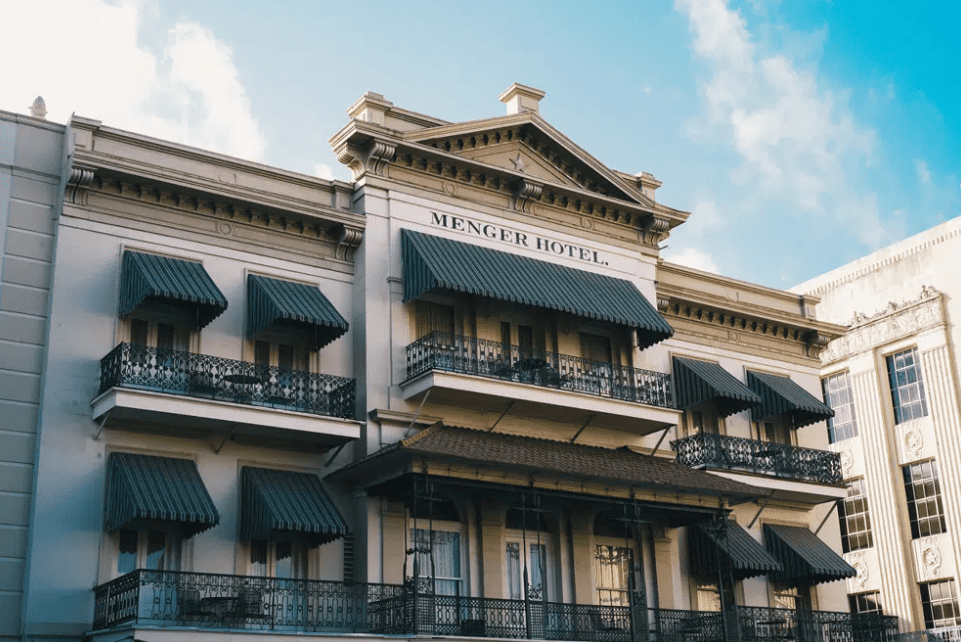
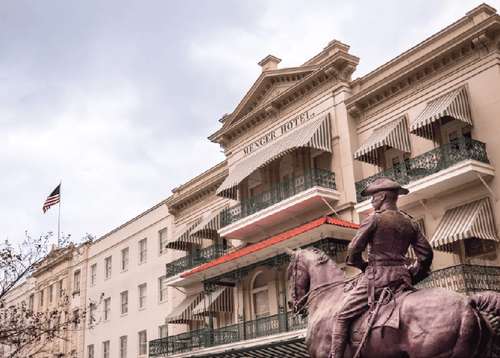
The Menger Hotel sits beside the Alamo, which already gives it one of the most dramatic settings in Texas. Opened in 1859 by William and Mary Menger, the hotel grew from a brewery-adjacent business into one of San Antonio’s most famous historic landmarks. Its location in Alamo Plaza connects it to one of the most heavily remembered places in Texas history
The hotel’s haunted reputation comes from its long life as a gathering place for soldiers, politicians, cattlemen, business leaders, and travelers. Theodore Roosevelt recruited Rough Riders at the Menger Bar in 1898, and cattle baron Richard King, founder of the King Ranch, died at the hotel in 1885. These real historical links help explain why ghost stories cling so strongly to the building.
Guests and ghost tour guides often mention strange footsteps, unexplained voices, cold spots, and figures in old-fashioned clothing. One of the best-known legends involves Sallie White, often described as a former hotel maid whose spirit is said to remain in the halls. Another recurring story involves the presence of Richard King near the King Ranch Suite.
What makes the Menger so interesting is not one single frightening tale. It is the way the hotel’s history overlaps with Texas memory. The Alamo, the cattle era, military recruitment, old San Antonio society, and Victorian hospitality all meet inside one building. Even skeptics can understand why people feel the past so strongly there.
The Driskill Hotel In Austin
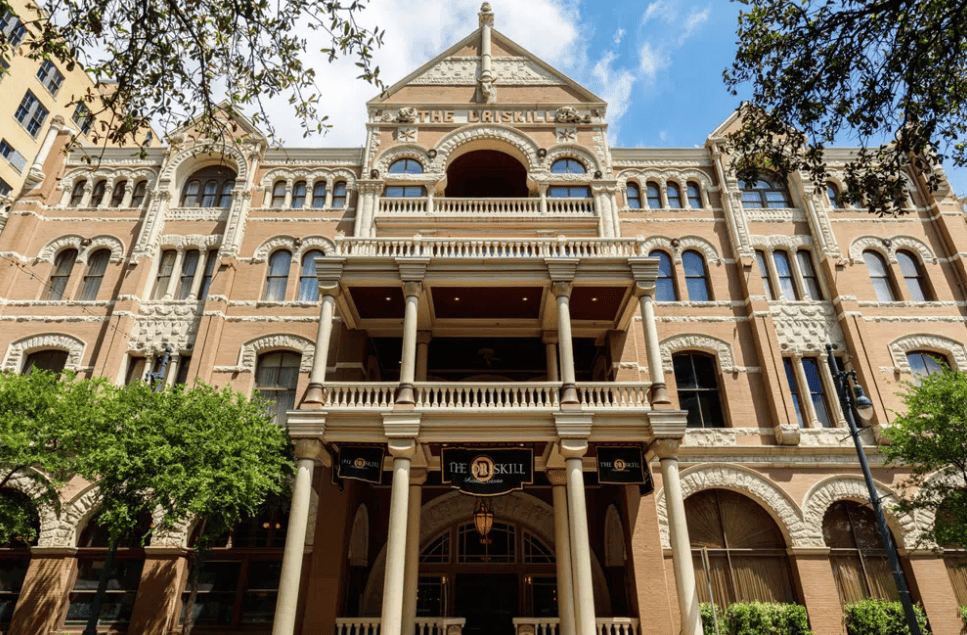
The Driskill Hotel opened in 1886, built by cattleman Jesse Driskill as a grand showpiece for Austin. Its Romanesque architecture, limestone details, and old-world interior give it a heavy sense of place. It has hosted governors, presidents, musicians, wealthy travelers, and generations of Texans passing through the capital city.
The Driskill’s ghost stories often begin with Jesse Driskill himself. Guests have reported cigar smoke in areas where smoking is no longer allowed, and some connect that scent to the hotel’s founder. Other tales mention flickering lights, a male figure in old Western clothing, and strange activity in guest rooms and hallways.
One of the most repeated legends involves a young girl said to have died after falling on the grand staircase. Visitors have claimed to hear a bouncing ball or a child laughing. Another story centers on Room 525, which has gathered a reputation for tragic bridal legends and unexplained incidents.
The Driskill’s dark reputation also comes from endurance. The hotel has survived ownership changes, periods of decline, renovation, and more than a dozen reported fires or fire incidents across its long history. That record adds to the sense that the building has been through more than a normal hotel should.
Today, the Driskill remains elegant and active, not abandoned or forgotten. That contrast makes its ghost stories more effective. Guests can check in, enjoy modern comfort, and still feel surrounded by 19th-century Texas.
Grand Galvez In Galveston
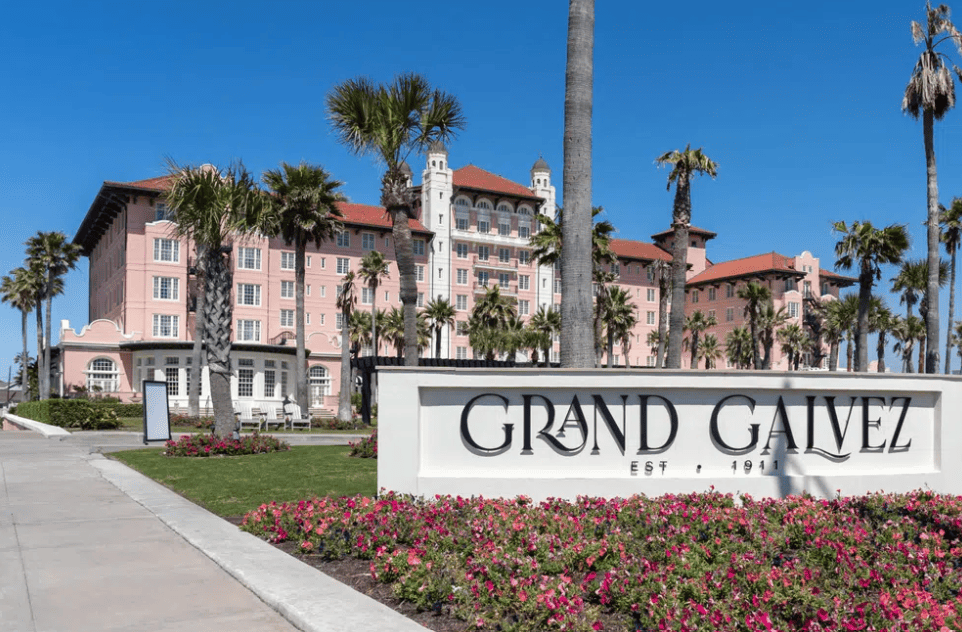
The Grand Galvez, formerly known as Hotel Galvez, opened in 1911 on Galveston’s seawall. It became known as the “Queen of the Gulf,” a beachfront hotel tied to weddings, vacations, events, and the recovery of Galveston after the devastating 1900 hurricane. The hotel’s official history highlights its status as a historic Gulf Coast property with more than a century of guests behind it.
Its haunted reputation usually centers on Room 501 and the story of a bride-to-be. According to local legend, a woman staying at the hotel received news that her fiancé had died at sea. Grief-stricken, she died by suicide. In some versions, the fiancé later returned alive, making the story even more tragic.
Guests have reported odd activity in and around the room, including lights turning on and off, unexplained noises, and the feeling of being watched. The hotel has also been linked to broader Galveston ghost lore, especially because the island itself carries a long history of storms, shipwrecks, death, and rebuilding.
Another story associated with the area involves Sister Katherine, a nun connected to the 1900 hurricane. While the Hotel Galvez opened after the storm, Galveston’s haunted identity is deeply tied to that disaster. The storm killed thousands and reshaped the island’s future. Because of that, many ghost stories in Galveston carry the weight of real historical trauma.
The Grand Galvez stands out because its beauty contrasts sharply with its darker tales. The building faces the Gulf with elegance and calm, yet its reputation suggests that sorrow may still echo behind the polished surface.
The Baker Hotel In Mineral Wells
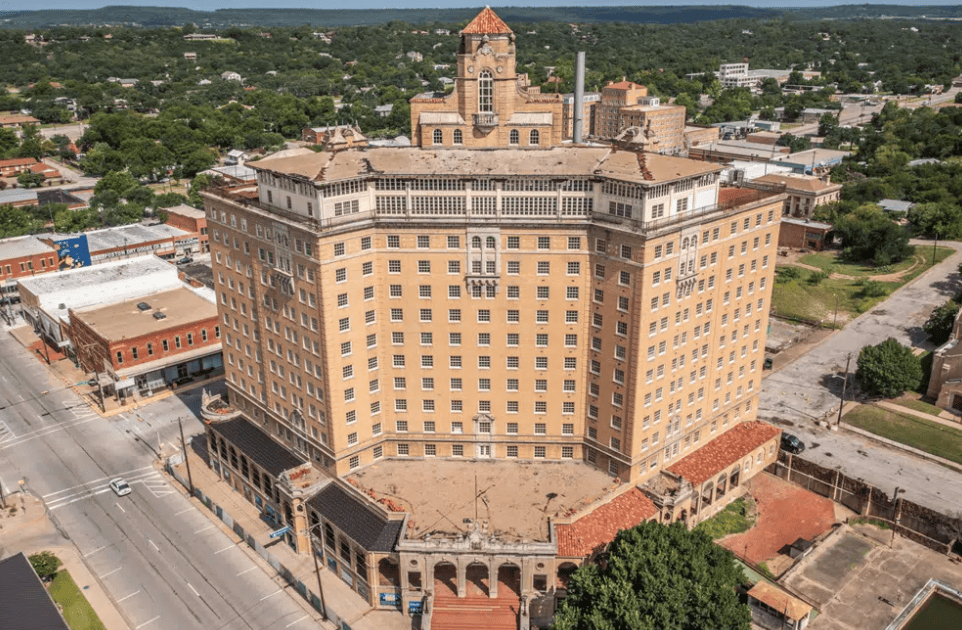
Few Texas hotels look as haunted as the Baker Hotel in Mineral Wells. Opened in 1929, the Baker was once a glamorous mineral-water resort built during the city’s health tourism boom. Mineral Wells attracted visitors who believed the local waters had healing qualities. The Baker rose above the town as a symbol of luxury, with hundreds of rooms, ballrooms, modern systems, and resort amenities.
The timing of its opening made its story complicated. It welcomed guests just as the Great Depression began. Still, the hotel managed to draw celebrities, business travelers, military personnel, and vacationers for decades. Later, as mineral-water tourism faded, the Baker declined. Its closure and long period of abandonment helped turn it into one of the most visually famous haunted hotels in Texas.
The Baker’s ghost stories include reports of phantom footsteps, strange music, shadowy figures, voices, and unexplained movement inside the building. One of the most repeated legends involves a woman connected romantically to the hotel’s management, often said to haunt the upper floors. Others mention spirits in the basement, ballroom, and old guest rooms.
The hotel’s long-empty appearance helped fuel its legend. For years, it stood as a huge, silent structure above Mineral Wells. Broken windows, dark corridors, and faded luxury made it a favorite subject for photographers, paranormal shows, and ghost hunters.
Its restoration has changed the building’s future, but not its reputation. If anything, renewed interest has reminded people why the Baker became so famous in the first place. It represents both the optimism of a boomtown and the loneliness of a place left behind.
The Emily Morgan Hotel In San Antonio
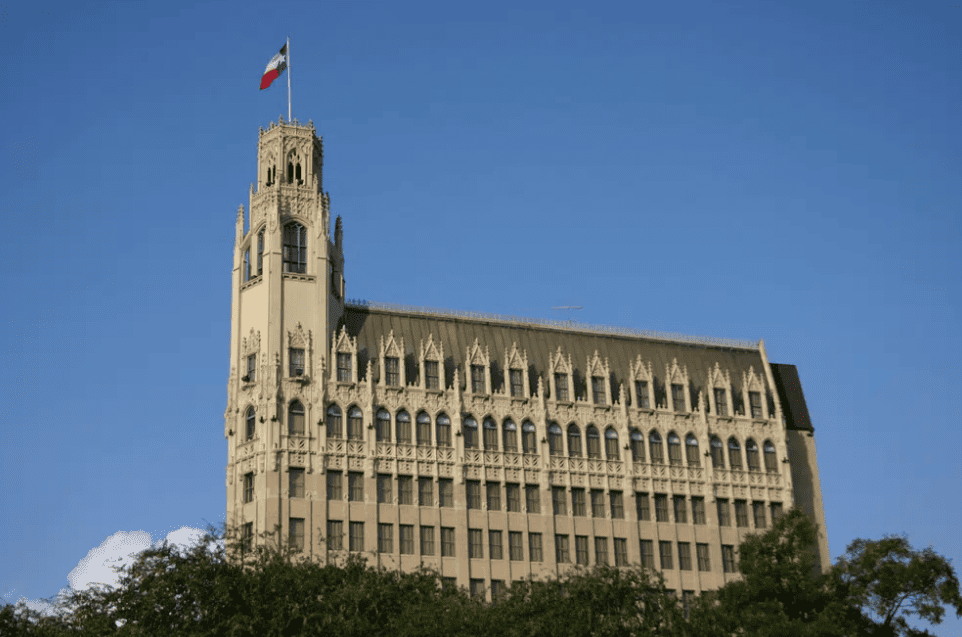
The Emily Morgan Hotel is another San Antonio landmark with a strong haunted reputation, but its story differs from the Menger. The building opened in 1924 as the Medical Arts Building, not as a hotel. It housed doctors’ offices and medical facilities before later becoming the Emily Morgan Hotel. Its Gothic Revival design, gargoyles, and location near the Alamo give it a striking presence.
The hotel’s past as a medical building shapes many of its ghost stories. Guests and staff have reported unexplained phone calls, strange noises, sudden cold spots, and activity on certain floors. Some stories focus on former hospital areas, where people imagine the emotional residue of illness, surgery, and death.
The building’s exterior also adds to its atmosphere. The gargoyles are not random decoration. Some were designed with medical themes, reflecting the building’s original purpose. That detail gives the hotel a look that feels both historic and unsettling.
Unlike older frontier hotels, the Emily Morgan’s reputation comes from medical history and architecture. It does not need a century of cowboy legends to feel eerie. The idea of sleeping in a former medical building near the Alamo is enough to unsettle many guests.
Hotel Paisano In Marfa
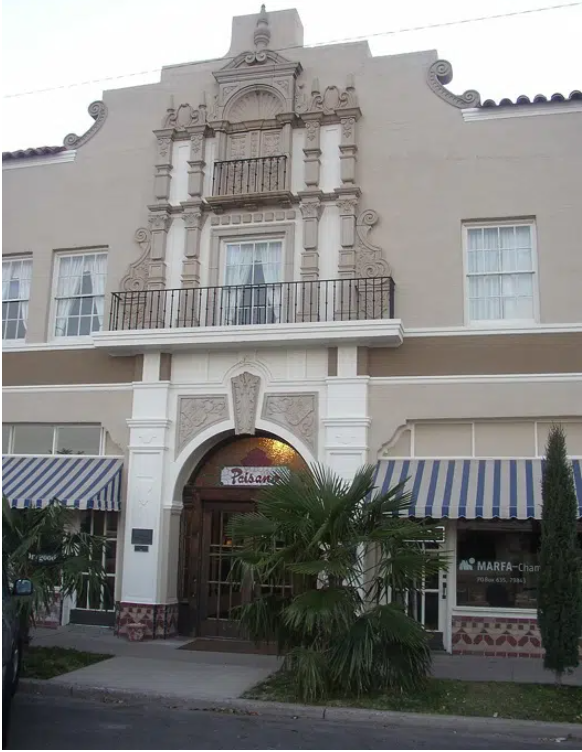
Sundowner59, Entry to El Paisano Hotel, Marfa, TX, CC BY-SA 3.0
Hotel Paisano in Marfa opened in 1930 and became famous in the 1950s when the cast and crew of Giant stayed there during filming. James Dean, Elizabeth Taylor, and Rock Hudson helped give the hotel a lasting Hollywood connection. Its Spanish Revival style and remote West Texas setting make it one of the most atmospheric hotels in the state.
Marfa already has a reputation for mystery because of the Marfa Lights, the unexplained glowing lights seen outside town. That local mystery helps support the hotel’s ghost stories. Guests have reported odd noises, shadowy figures, sudden chills, and unusual feelings in certain rooms.
Room 211 is often mentioned in paranormal accounts. Some visitors claim to have experienced unexplained activity there, while others describe the hotel’s courtyards and hallways as having a strange stillness at night.
The Paisano’s haunted reputation is quieter than some of the others on this list. It does not rely on a single famous tragedy. Instead, it draws power from isolation, old Hollywood glamour, desert silence, and Marfa’s unusual character. The hotel feels like a place where stories can stretch and grow.
The Jefferson Palace Hotel In Jefferson
Jefferson is one of the most haunted towns in Texas, and the Jefferson Palace Hotel fits that reputation well. The building dates to the 1850s and is tied to the town’s long history as a river port and commercial center. According to the hotel’s own history, the structure has served many purposes over time and is described as one of the oldest buildings operating as a hotel in Texas.
Jefferson’s ghost stories grew from its 19th-century boom years. The town once thrived through steamboat traffic on Big Cypress Bayou. With trade, money, travelers, and conflict came stories of violence, loss, and unresolved business.
The Jefferson Palace Hotel has been associated with reports of footsteps, apparitions, strange sounds, and objects moving without explanation. Guests seeking paranormal experiences often choose it because the building openly leans into its haunted identity.
What makes this hotel interesting is its connection to the town around it. Jefferson does not treat ghost stories as a side attraction. They are part of the town’s tourism identity, along with antique shops, historic homes, bayou history, and preserved buildings. The hotel sits inside that larger atmosphere.
Why Texas Hotels Attract So Many Ghost Stories
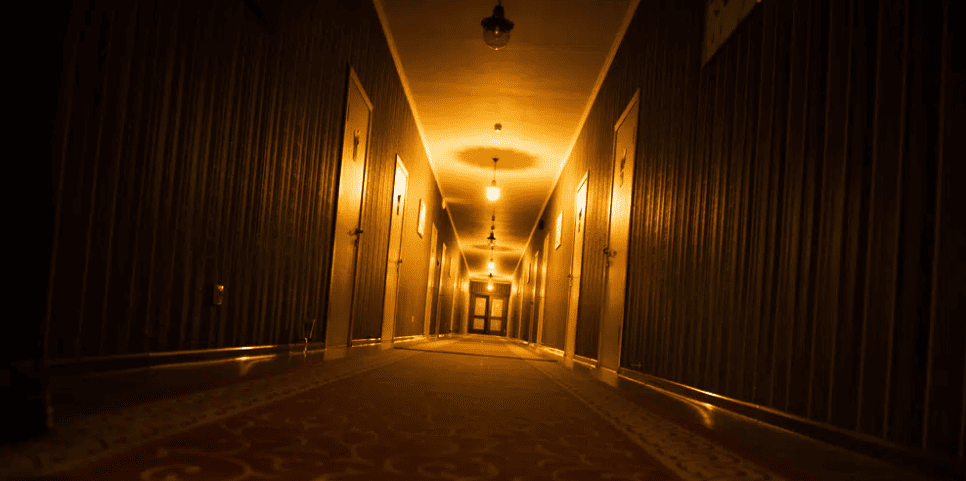
Haunted hotel legends often grow in places where many lives have crossed. Hotels are temporary homes. People arrive tired, hopeful, grieving, excited, sick, or desperate. They leave behind records, rumors, and sometimes unanswered questions.
Texas adds extra intensity because its hotels often sit near major historical forces. The Menger stands beside the Alamo. The Grand Galvez faces a city shaped by hurricane disaster. The Baker reflects the rise and fall of mineral-water tourism. The Driskill carries Austin’s political and social history. The Emily Morgan began as a medical building. Hotel Paisano sits in a desert town famous for unexplained lights.
These places do not need every ghost story to be proven. Their reputations come from a blend of architecture, documented history, repeated accounts, and the human habit of attaching meaning to old spaces.
Final Thoughts
The haunted hotels of Texas are interesting because they preserve more than ghost stories. They preserve local memory. Behind each legend is a real building with real people, real ambition, and real loss.
Some visitors come for the thrill. Others come for architecture, history, or curiosity. Either way, these hotels remind us that the past often feels strongest in places built for strangers. A room may be cleaned, renovated, and rented again, but stories have a way of staying behind.
Comments (0)
No comments yet. Be the first to share your thoughts.
Leave a comment