


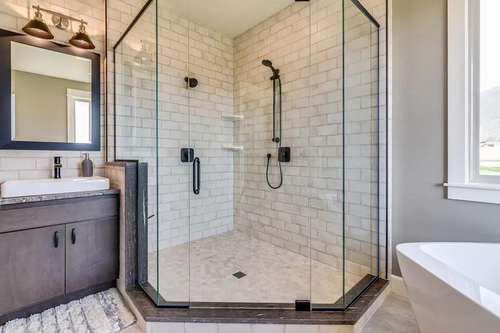
Bathrooms work harder than almost any other room in the house. They deal with daily moisture, temperature changes, steam, and frequent cleaning. In many regions, they also have to contend with hard water that leaves mineral buildup on fixtures and surfaces. When hard water and humidity combine, they can shorten the life of materials, increase maintenance, and make a bathroom look worn far sooner than expected.
A smart remodel can address these issues directly. With the right materials, layouts, and systems, you can create a bathroom that stays cleaner, resists damage, and feels comfortable year-round. This article walks through practical remodeling ideas that specifically target hard water and humidity, while keeping style, comfort, and long-term value in mind.
Understanding the Challenges of Hard Water and Humidity
Before planning solutions, it helps to understand what you are up against.
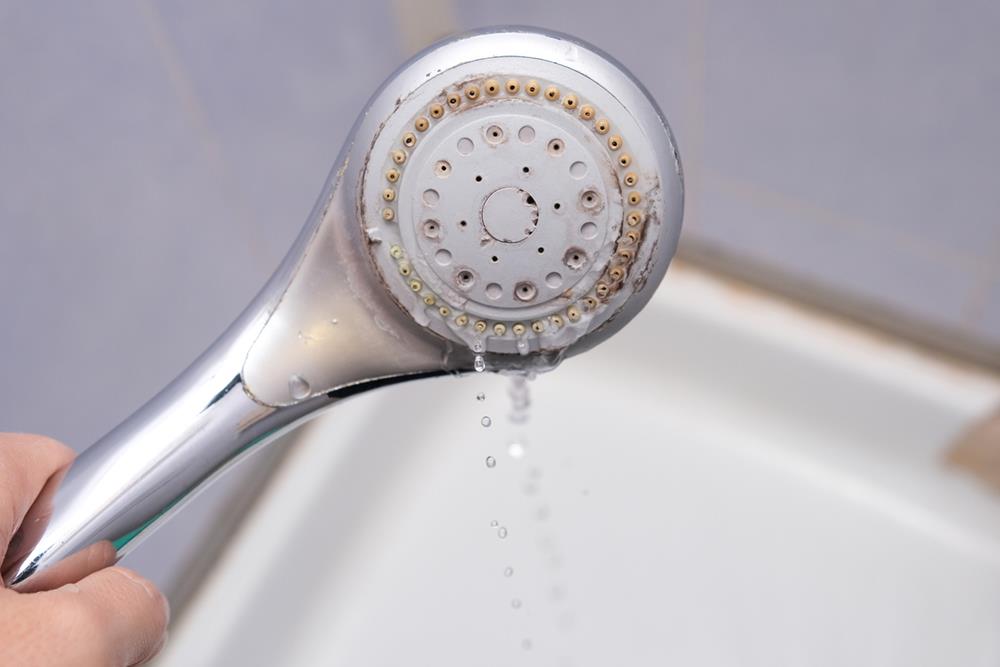
Hard water contains high levels of minerals like calcium and magnesium. Over time, these minerals leave white or chalky deposits on faucets, shower doors, tile, and drains. They can clog plumbing fixtures, reduce water flow, and make cleaning a constant chore.
Humidity is a different but related issue. Bathrooms trap steam from showers and baths, especially if ventilation is poor. Excess moisture can lead to mold, mildew, peeling paint, warped cabinetry, and unpleasant odors. Even newer bathrooms can show signs of damage if moisture is not managed well.
A successful remodel does not treat these as separate problems. Instead, it uses materials and systems that handle both mineral exposure and moisture on a daily basis.
Start With Better Ventilation
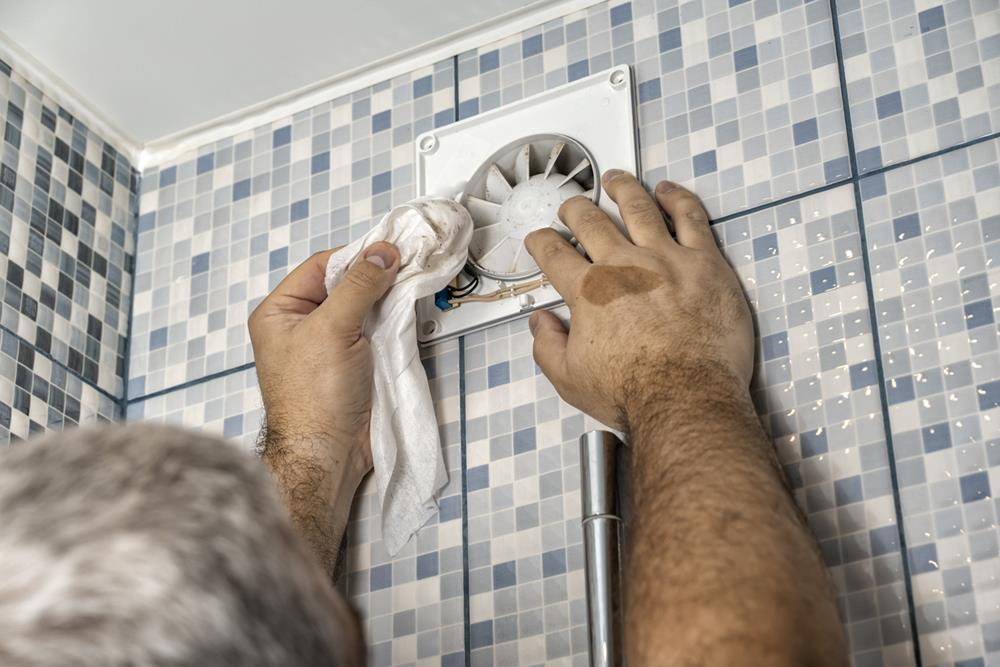
One of the most important upgrades in any bathroom remodel is improved ventilation. It is also one of the most overlooked.
A high-quality exhaust fan removes moist air before it can settle on walls, ceilings, and fixtures. Older fans often lack the power needed for today's bathrooms, especially larger spaces or rooms with high ceilings.
When remodeling, consider:
- Installing a fan rated for the square footage of your bathroom or slightly higher.
- Choosing a quiet model so it actually gets used.
- Adding a humidity-sensing fan that turns on automatically when moisture levels rise.
- Venting the fan directly outside, not into an attic or crawl space.
Good ventilation reduces mold growth, protects finishes, and helps fixtures dry faster, which limits mineral spotting from hard water.
Choose Hard Water Resistant Fixtures
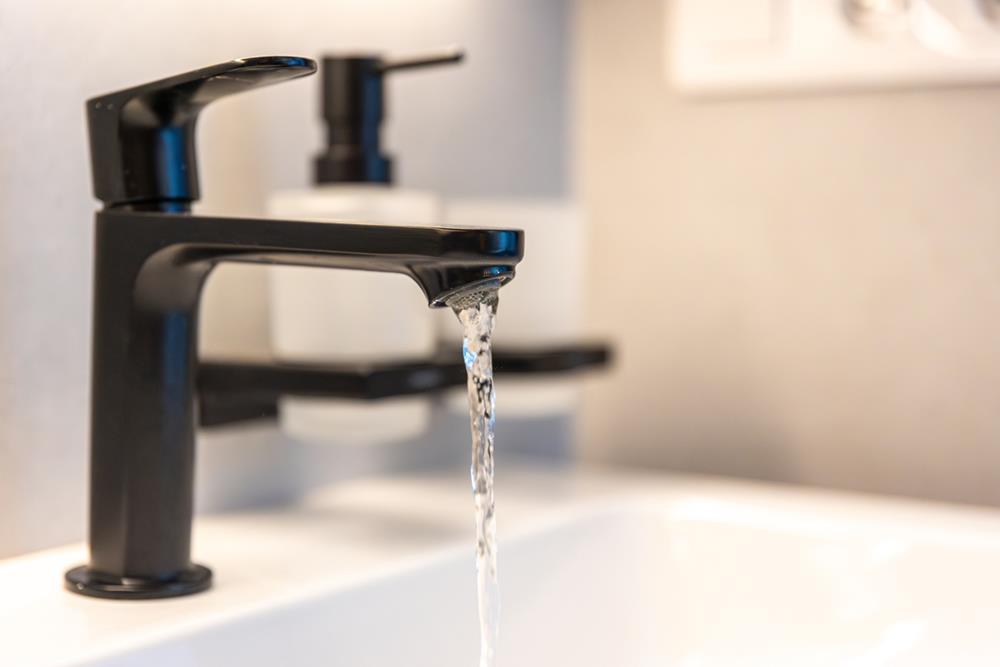
Bathroom fixtures take the brunt of hard water exposure. Faucets, showerheads, and handles are constant contact points, so material choice matters.
Look for fixtures with finishes known for durability and easy maintenance. Brushed nickel, stainless steel, and matte black finishes tend to hide water spots better than polished chrome. Some manufacturers also offer finishes specifically designed to resist mineral buildup and corrosion.
Other fixture-related ideas include:
- Showerheads with rubber or silicone nozzles that can be wiped clean.
- Faucets with smooth contours instead of deep grooves where minerals collect.
- Wall-mounted faucets that reduce contact with standing water on countertops.
While no fixture is completely immune to hard water, thoughtful selection can greatly reduce visible buildup and cleaning time.
Install a Water Softening or Filtration System
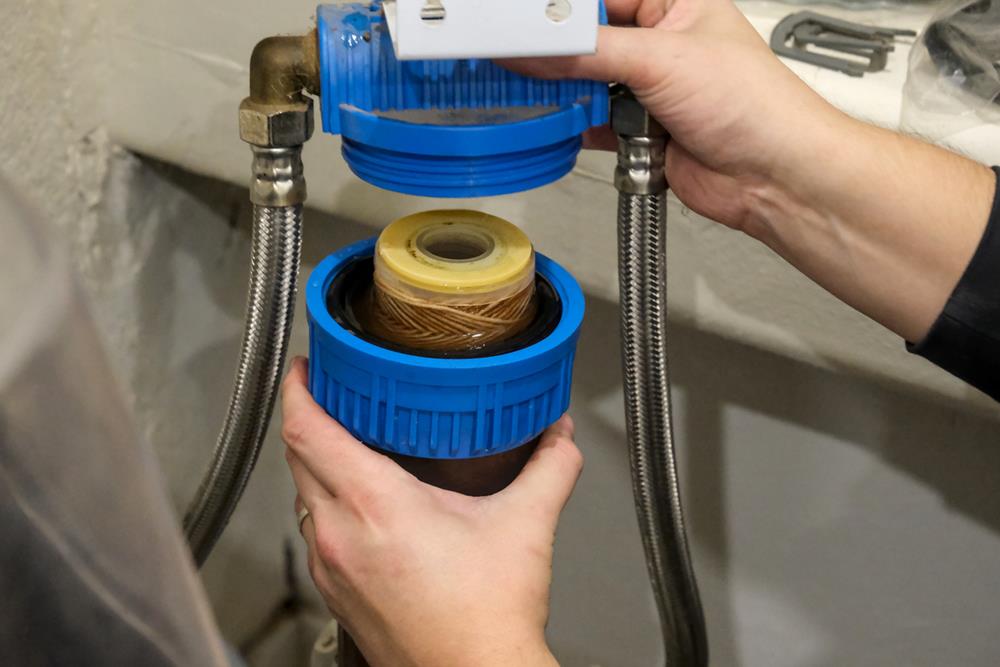
If hard water is a major issue in your home, a remodel is an ideal time to address it at the source.
A whole-house water softener reduces mineral content before water reaches your bathroom. This protects plumbing, improves soap performance, and extends the life of fixtures and appliances. It also makes cleaning easier throughout the home.
For a more targeted approach, point-of-use filtration systems can be installed for showers or sinks. Shower filters help reduce mineral deposits on tile and glass while also being gentler on skin and hair.
Planning for these systems during a remodel allows plumbing adjustments to be made cleanly and efficiently, rather than as an afterthought.
Select Moisture-Resistant Wall Materials
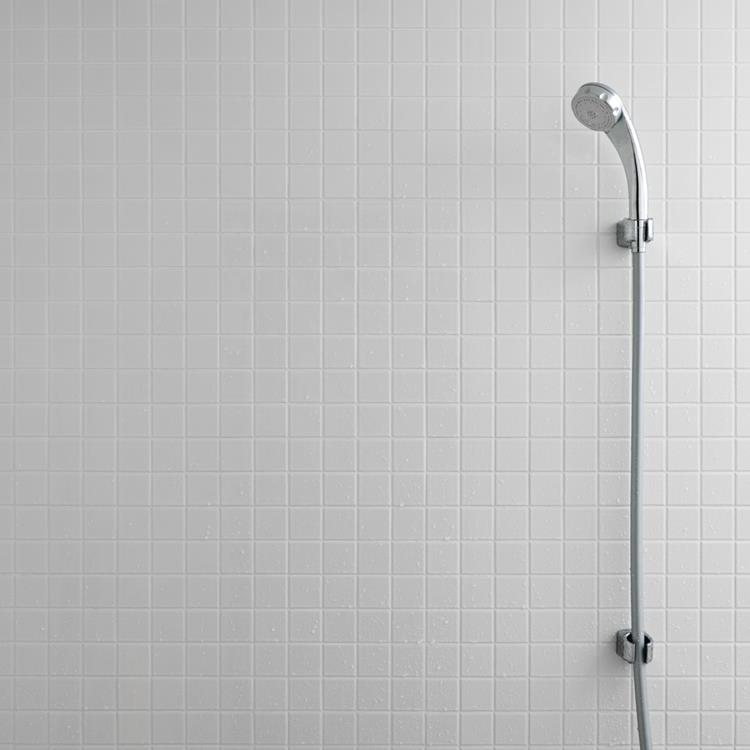
Walls in a bathroom must withstand frequent moisture exposure. Traditional drywall and paint can struggle in high-humidity environments, especially over time.
Better options include:
- Cement board or fiber cement panels behind tile.
- Mold-resistant drywall for non-tiled areas.
- Waterproof wall panels designed for bathrooms.
- Tile that extends higher on walls to protect painted surfaces.
If paint is used, choose a high-quality bathroom or kitchen paint with mildew resistance. Satin or semi-gloss finishes tend to perform better than flat paint in humid spaces and are easier to clean.
These choices help prevent bubbling, peeling, and staining that can occur when moisture repeatedly penetrates wall surfaces.
Rethink Tile and Grout Choices
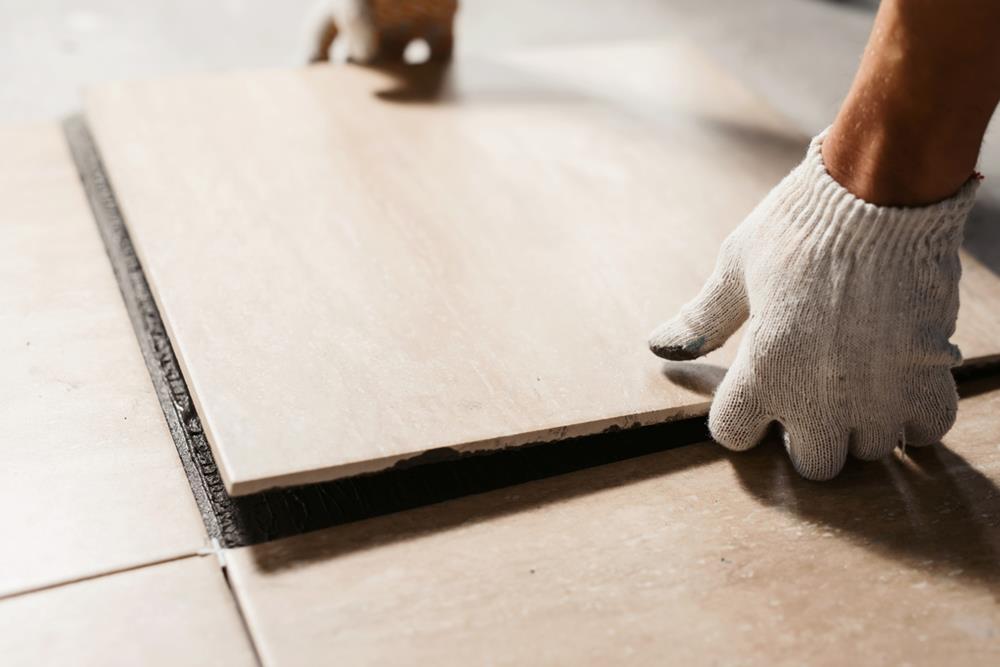
Tile is a popular bathroom material, but not all tile performs equally when faced with hard water and humidity.
Porcelain tile is often a strong choice. It is denser than ceramic tile and absorbs less water. This makes it more resistant to staining and mineral penetration. Large-format tiles also reduce the amount of grout needed, which means fewer places for moisture and minerals to accumulate.
Grout selection is just as important as tile. Traditional cement-based grout is porous and can discolor over time. Consider alternatives such as:
- Epoxy grout, which resists water, stains, and minerals.
- Pre-sealed grout or grout with built-in sealers.
- Grout colors that hide minor discoloration better than bright white.
Proper sealing and maintenance will still be required, but these options significantly improve durability.
Use Shower Glass Designed for Hard Water Areas
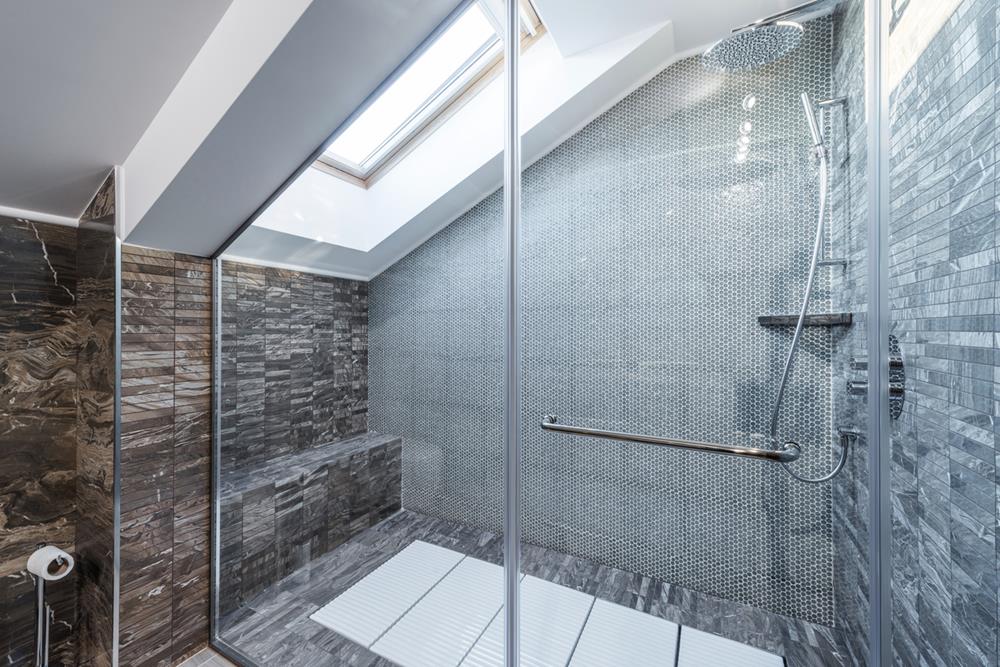
Glass shower enclosures often show hard water damage first. Mineral deposits can etch glass over time, leaving cloudy areas that are difficult to remove.
When remodeling, consider shower glass with protective coatings. These treatments create a smoother surface that repels water and reduces mineral adhesion. Water beads off instead of drying on the glass, which limits spotting.
Frameless or semi-frameless designs also reduce metal tracks where water and minerals collect. Fewer seams mean easier cleaning and a longer-lasting appearance.
Pairing treated glass with good ventilation helps keep shower enclosures clear and bright.
Upgrade Flooring for Moisture Control
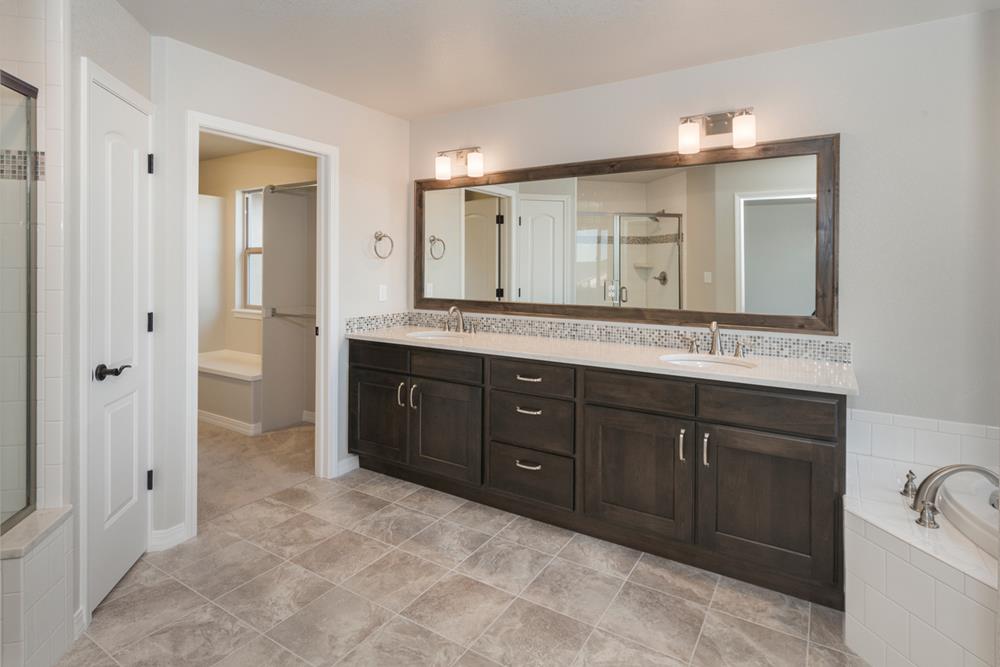
Bathroom floors deal with both surface water and humidity. Choosing the right flooring material protects the subfloor and reduces long-term issues.
Porcelain tile remains one of the best options for humid bathrooms. It resists water absorption and holds up well under daily use. Textured finishes improve slip resistance without sacrificing style.
Other flooring ideas include:
- Luxury vinyl tile or plank designed for wet environments.
- Natural stone that has been properly sealed and maintained.
- Heated flooring systems that help dry surfaces faster after use.
Avoid materials that swell or warp easily unless they are specifically rated for bathroom use. Moisture-resistant flooring extends the life of the remodel and improves comfort.
Choose Cabinetry Built for Humidity
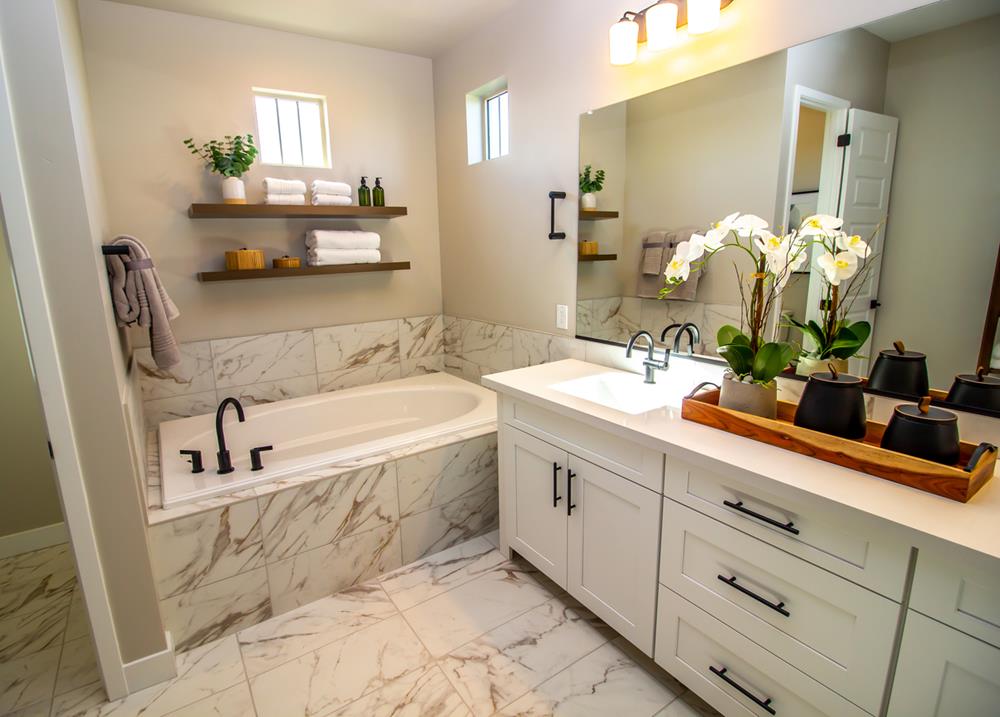
Bathroom cabinets are often exposed to fluctuating moisture levels. Poor-quality materials can swell, delaminate, or develop mold over time.
When selecting cabinetry, look for:
- Plywood construction instead of particleboard.
- Moisture-resistant finishes and sealants.
- Raised or furniture-style legs that keep cabinets slightly off the floor.
- Soft-close hinges and hardware made from corrosion-resistant metals.
Wall-mounted vanities are another smart option. They allow air to circulate underneath, making cleaning easier and reducing moisture exposure.
Well-built cabinetry maintains its appearance longer and contributes to better indoor air quality.
Improve Airflow With Smarter Layouts
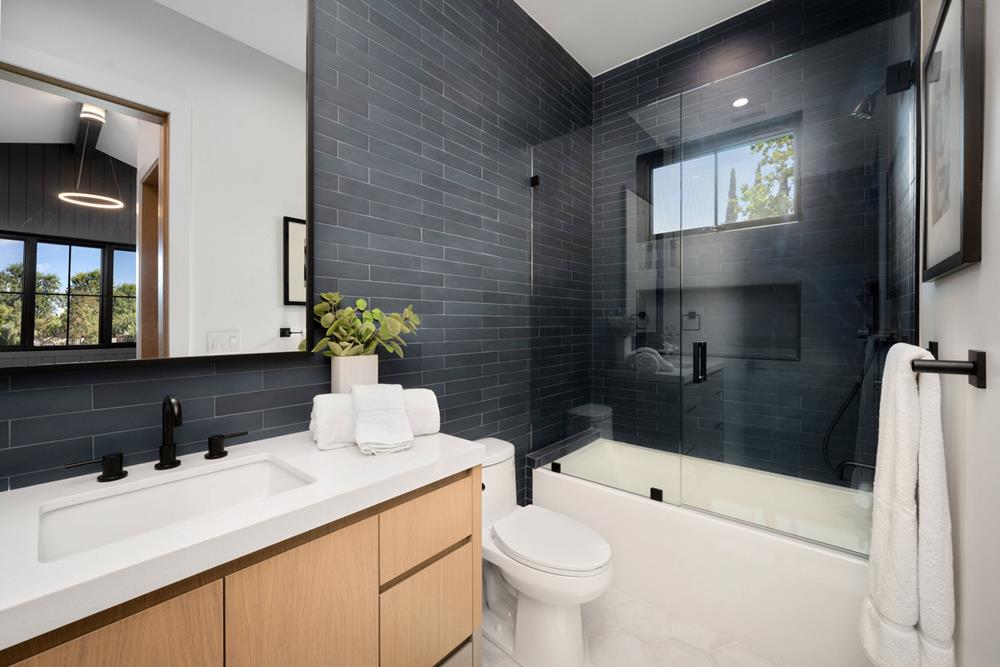
Bathroom layout can influence how moisture moves through the space. A remodel provides the chance to improve airflow and reduce humidity traps.
Some layout considerations include:
- Positioning the shower closer to the exhaust fan.
- Avoiding tight corners where steam can linger.
- Using glass partitions instead of full-height walls when possible.
- Incorporating transom windows or operable windows where privacy allows.
Open, well-planned layouts dry faster and feel more comfortable during and after use.
Incorporate Mold-Resistant Accessories and Details
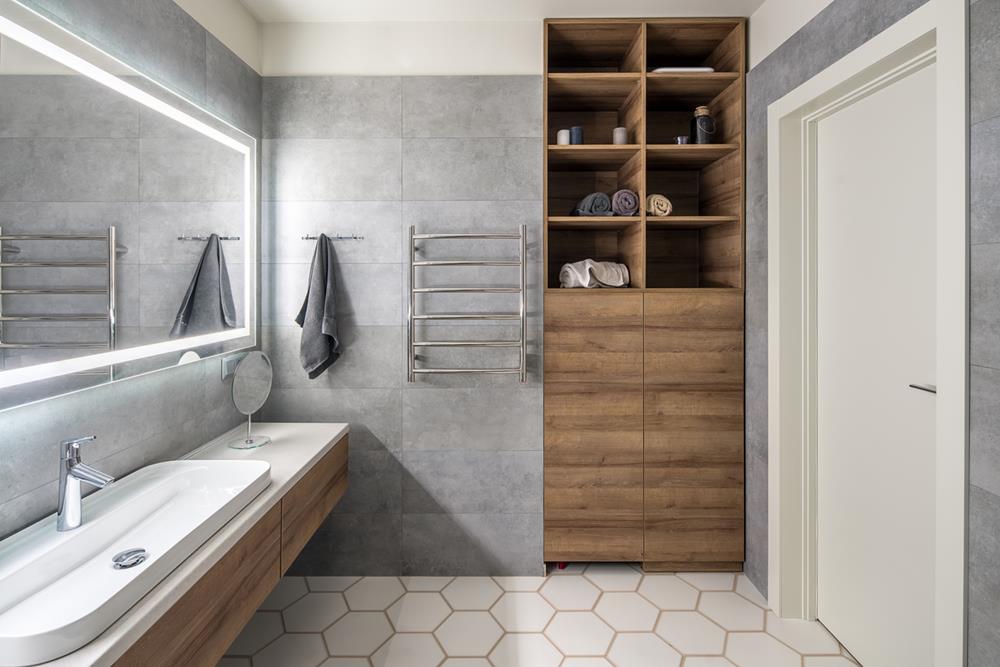
Small details can make a big difference in humid bathrooms.
Look for accessories and finishes designed to resist moisture and mold. This includes towel bars, shelving, and mirrors made from materials that do not rust or warp. Mirrors with built-in defoggers can reduce condensation and improve visibility.
Caulking and sealants should also be chosen carefully. High-quality, mold-resistant caulk lasts longer and maintains a cleaner appearance around tubs, showers, and sinks.
Taking time to upgrade these details during a remodel helps reduce future maintenance and touch-ups.
Use Lighting That Handles Humidity Well
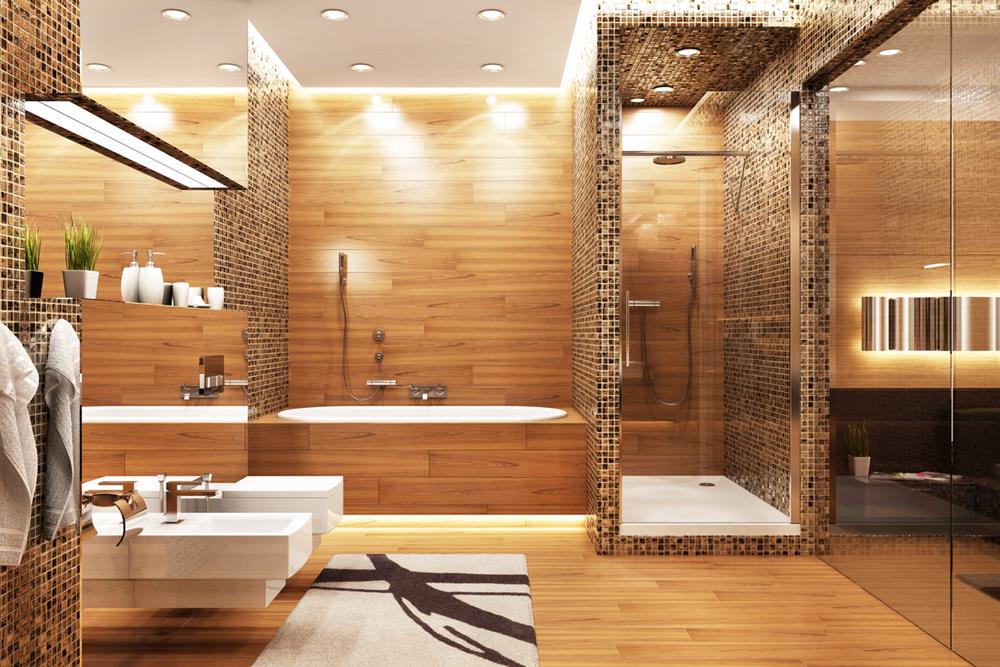
Lighting fixtures in bathrooms must handle moisture safely and reliably. Poor lighting can also contribute to lingering dampness by making it harder to spot problem areas.
Choose fixtures rated for damp or wet locations, depending on placement. Recessed lighting with proper sealing works well in showers and ceilings. LED lighting generates less heat and lasts longer, which is helpful in enclosed or humid spaces.
Layered lighting improves function and comfort. Brighter task lighting near mirrors supports daily routines, while softer ambient lighting creates a relaxed atmosphere without encouraging excess moisture buildup.
Plan for Easy Cleaning and Maintenance
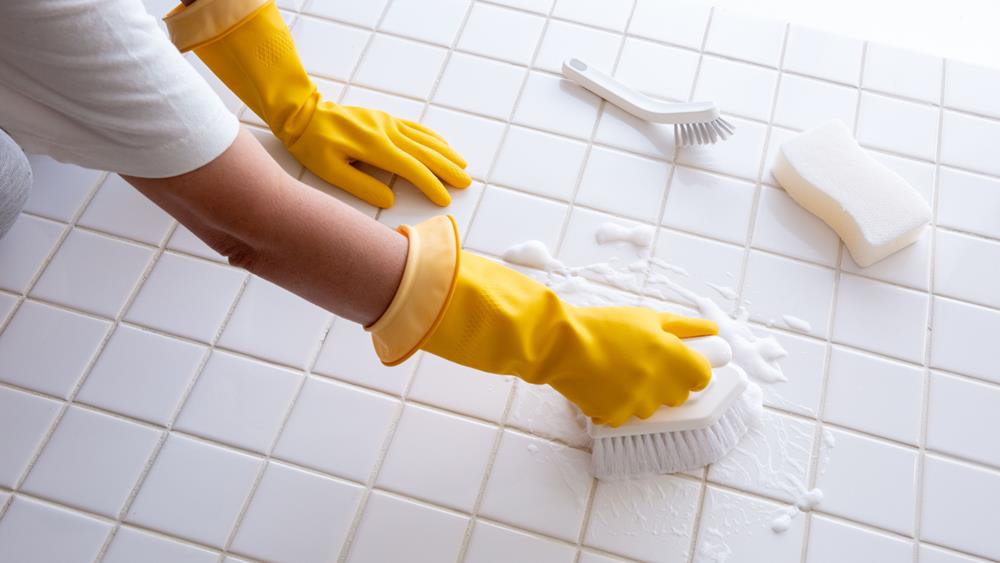
One of the best ways to manage hard water and humidity is to make cleaning easier.
Smooth surfaces, minimal seams, and simple designs reduce places where minerals and moisture can settle. Wall-mounted toilets and vanities simplify floor cleaning. Built-in niches and shelving eliminate the need for cluttered storage that traps humidity.
During the planning phase, ask how each material will age and how it will be cleaned. A bathroom that looks good on day one but requires constant effort soon becomes frustrating. Thoughtful design saves time and preserves the remodel's value.
Add Smart Technology for Moisture Control
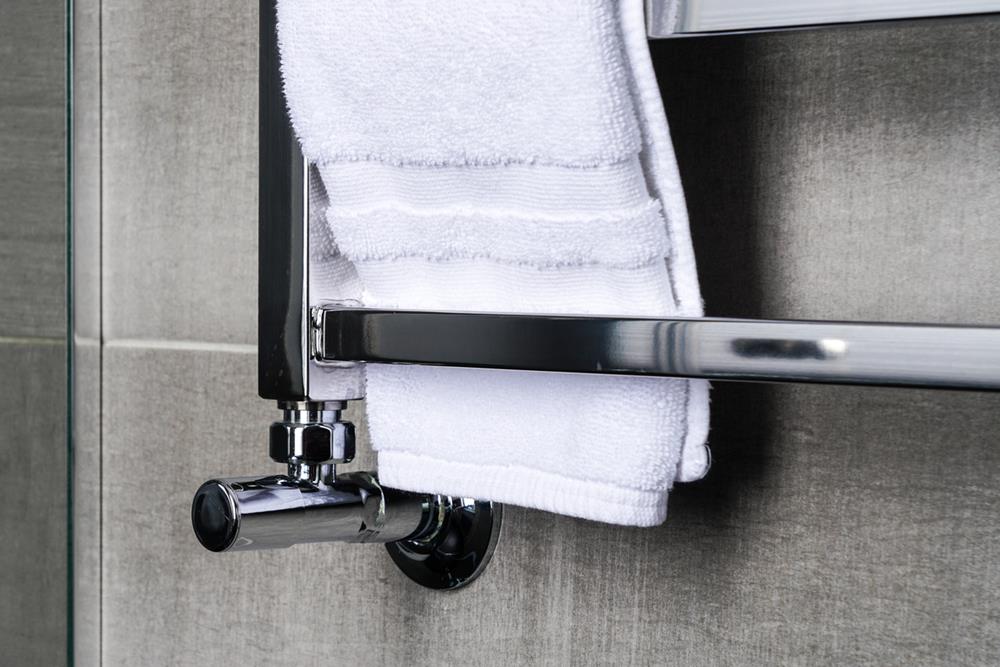
Modern technology offers tools that help manage bathroom conditions automatically.
Humidity-sensing fans, smart thermostats, and heated towel racks all contribute to better moisture control. Some systems can be programmed to run after showers, even when the room is not in use.
Smart water monitoring devices can also alert homeowners to leaks or unusual water usage, which is especially helpful in areas with mineral-heavy water that stresses plumbing systems.
These features add convenience while protecting the investment in your remodel.
Balance Style With Practicality
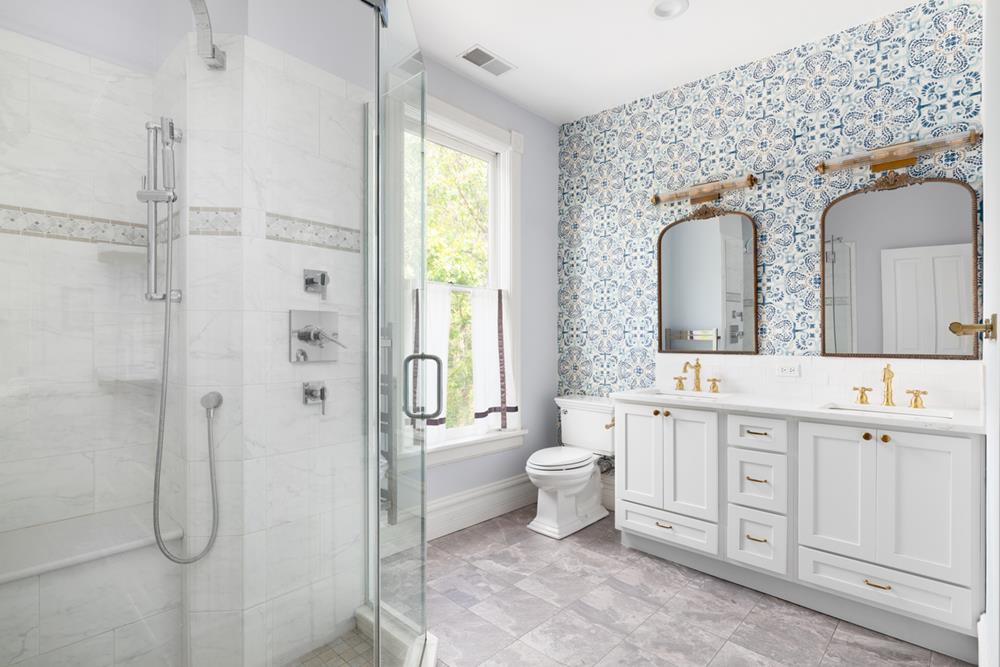
Addressing hard water and humidity does not mean sacrificing style. Many durable materials and finishes now come in a wide range of designs.
Neutral palettes often work well because they hide minor water marks and wear. Textured surfaces can add interest while reducing the visibility of mineral spots. Natural light, when combined with proper ventilation, makes bathrooms feel brighter and helps surfaces dry faster.
The key is balance. Choose finishes you enjoy, but prioritize materials that perform well under real-world conditions. For homeowners planning a full renovation, our Texas remodeling guide offers helpful insight into designing bathrooms and other spaces that hold up well in heat, humidity, and modern living demands.
Final Thoughts
A bathroom remodel is an opportunity to solve long-standing problems, not just update appearances. By addressing hard water and humidity directly, you create a space that stays cleaner, lasts longer, and feels better to use every day.
From ventilation and fixtures to tile, cabinetry, and layout, each decision plays a role in how the bathroom handles moisture and minerals. Planning with these challenges in mind leads to fewer repairs, lower maintenance, and a more comfortable home.
A well-designed bathroom should support daily routines without constant upkeep. With the right remodeling choices, it can do exactly that.
Comments (0)
No comments yet. Be the first to share your thoughts.
Leave a comment