


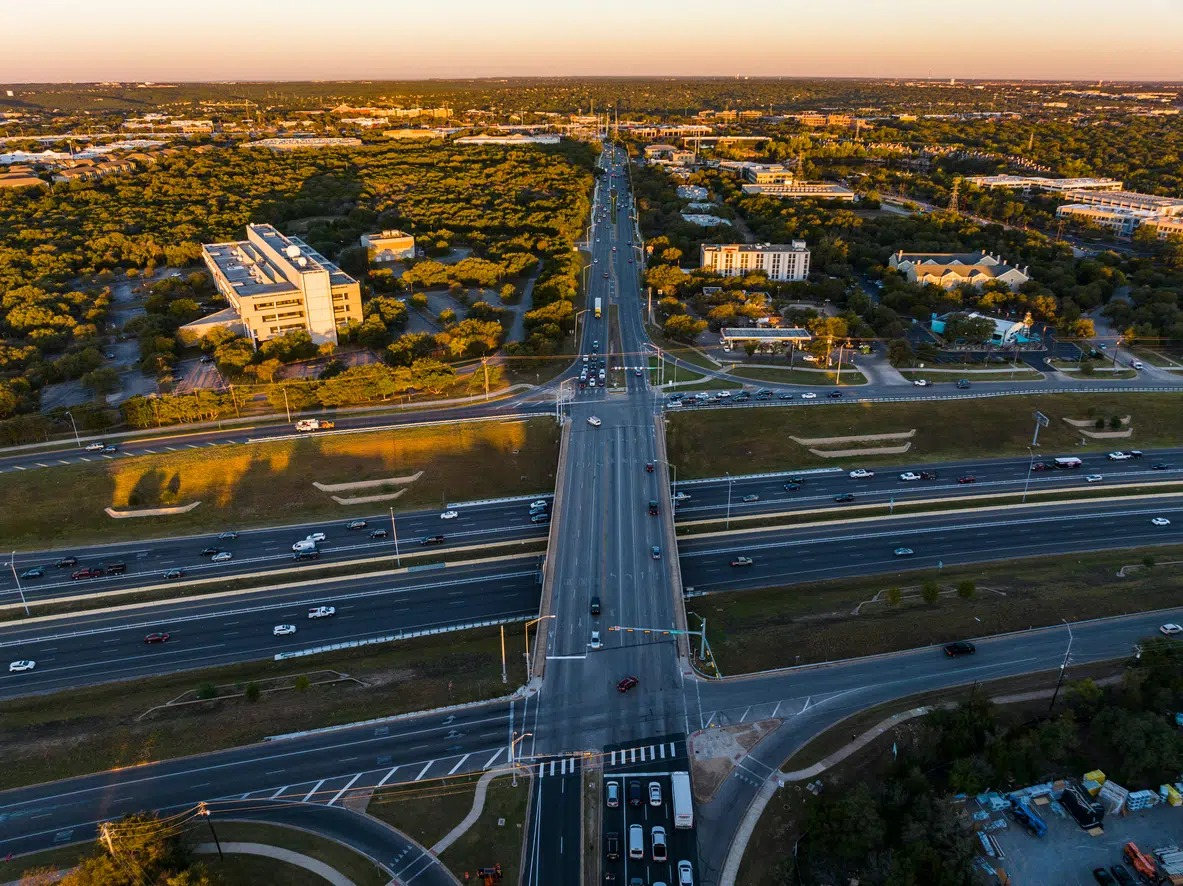
Austin and Leander sit close enough to share a region, a job market, and plenty of weekend plans. Yet daily life in each place can feel very different.
Austin brings the energy of a major city. It has dense neighborhoods, music venues, restaurants, universities, tech offices, public parks, heavy traffic, and a fast pace. Leander offers a quieter suburban setting north of Austin, with newer housing, growing shopping areas, family-focused neighborhoods, and easier access to Hill Country scenery.
Both cities keep changing. Austin passed one million residents in 2025, according to the City of Austin and U.S. Census Bureau data. Leander has also grown quickly, with Census QuickFacts estimating its 2025 population at 91,132, up sharply from 59,202 in 2020.
The Overall Feel

Austin feels active from morning to night. It has a big-city rhythm, especially near downtown, South Congress, East Austin, The Domain, Mueller, and the university area. You will find coffee shops full of remote workers, packed restaurants on weekends, outdoor runners around Lady Bird Lake, and live music playing somewhere almost every night.
Leander feels calmer and more residential. Much of daily life centers on neighborhoods, schools, grocery stores, parks, youth sports, and commutes. It has grown from a smaller town into a major Austin-area suburb, but it still feels less crowded than central Austin in many areas.
That difference shapes the whole experience. In Austin, convenience often means being close to dining, nightlife, work hubs, and events. In Leander, convenience often means having a larger home, a driveway, a quieter street, and room for family routines.
Housing and Neighborhood Life
Austin has a wide range of housing. You can find downtown apartments, older bungalows, townhomes, luxury condos, student housing, and established neighborhoods with mature trees. The tradeoff is cost. Austin housing often comes with higher prices, smaller lots, and stronger competition in desirable areas.
Leander is known for newer subdivisions, master-planned communities, and single-family homes. Many homes have bigger floor plans than similarly priced homes closer to Austin’s core. Leander also has a higher owner-occupied housing rate than many urban areas, with Census QuickFacts listing owner-occupied housing at 73.4 percent for 2020 to 2024.
For renters, Austin offers greater variety and location choices. Leander offers a quieter rental experience, often in newer apartment communities or homes in residential neighborhoods.
Getting Around
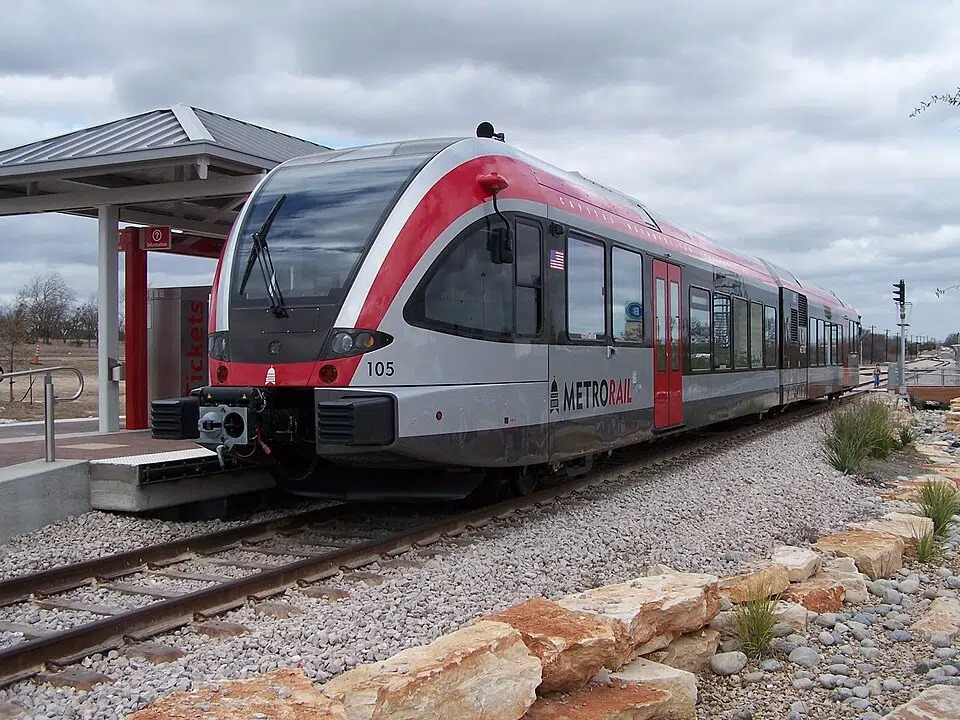
Greg3564, Leander1, CC BY-SA 3.0
Transportation is one of the clearest differences between Austin and Leander.
In Austin, daily driving depends heavily on where you live and work. A short distance on a map can still take a while during rush hour. Central Austin, I-35, Mopac, U.S. 183, and major east-west routes can get frustrating. Still, Austin gives residents more options for shorter trips by bike, bus, scooter, walking, or rideshare in certain neighborhoods.
Leander is more car-centered. Most errands require driving, and commutes into Austin can be long during peak hours. The benefit is that Leander has access to CapMetro’s Red Line. Leander Station is the northernmost stop on the commuter rail route, which connects riders toward downtown Austin. The city notes that the Red Line runs 32 miles and includes onboard Wi-Fi.
For someone working downtown or near a rail-connected area, that train access can make Leander more practical. For someone commuting to South Austin, East Austin, or a job far from a station, driving may still dominate daily life.
Work and Career Access

Austin has a stronger job center. It draws people for technology, government, education, health care, startups, hospitality, entertainment, and creative work. The presence of the State Capitol, the University of Texas, major employers, and a large service economy gives Austin broader career variety.
Leander works well for people who commute into Austin or work remotely. It also has a growing local economy, but many residents still look south toward Austin, Cedar Park, Round Rock, Georgetown, or other nearby job centers.
Remote workers may find Leander especially appealing. A home office, quieter surroundings, and extra space can make the suburb feel comfortable. Austin may appeal more to people who want coworking spaces, networking events, and after-work activities close by.
Schools and Family Routines
Leander often appeals to families because daily life feels organized around schools, sports, parks, and neighborhood activities. Leander ISD serves a large area and offers online tools for registration, calendars, bus information, attendance zones, meals, and family communication.
Austin also has many school options, including public schools, charter schools, private schools, magnet programs, and specialized academic tracks. The experience varies widely by neighborhood. Families in Austin may choose a location based on commute, school zone, walkability, and access to enrichment activities.
The key difference is lifestyle. Austin gives families access to museums, events, restaurants, parks, and cultural activities close together. Leander gives many families a quieter base with newer neighborhoods and a slower pace after school.
Food, Shopping, and Errands
Austin wins on variety. You can find famous barbecue, food trucks, fine dining, vegan restaurants, Tex-Mex, Asian food, bakeries, coffee shops, and late-night spots. Daily errands can also be convenient if you live near a dense commercial corridor.
Leander has grown its shopping and dining options, but it still feels more suburban. Grocery runs, chain restaurants, local cafes, gyms, and family-friendly restaurants make up much of the routine. For bigger nights out, specialty shopping, concerts, or a wider restaurant scene, many Leander residents still head into Austin, Cedar Park, Round Rock, or Georgetown.
That can be a fair trade. Austin offers more choices. Leander often offers easier parking, less noise, and simpler errands.
Parks and Outdoor Life
Both places offer strong outdoor access, but in different styles.
Austin has an urban outdoor culture. Lady Bird Lake, Zilker Park, Barton Springs, the Ann and Roy Butler Hike-and-Bike Trail, greenbelts, neighborhood parks, and water recreation are woven into city life. You can live in a busy area and still reach a trail, a lake path, or a swimming spot fairly quickly.
Leander’s outdoor life feels more suburban and Hill Country-adjacent. Parks, trails, neighborhood pools, splash pads, sports fields, and nearby natural areas play a major role. The City of Leander also highlights local developments and park updates, including Lakewood Park news and the Northline area.
Austin is better for people who want city parks tied to restaurants, events, and nightlife. Leander is better for people who prefer quieter outdoor routines and easy access to open space.
Entertainment and Weekend Plans

Austin has a major advantage in entertainment. Live music, comedy, film events, festivals, sports, college events, markets, art shows, and nightlife are a normal part of the city’s identity. A simple weekend can include brunch, a trail walk, a show, and dinner without leaving town.
Leander weekends tend to be more relaxed. Families may spend time at youth sports, local parks, neighborhood gatherings, nearby lakes, or restaurants in the northwest suburbs. Residents can still reach Austin for concerts and events, but it usually requires planning around traffic, parking, and the drive home.
Austin offers constant activity. Leander offers a quieter reset.
Cost of Daily Living
Austin is generally the pricier option, especially in central neighborhoods. Rent, home prices, dining, parking, entertainment, and some services can cost more. The upside is access. You may spend less time driving if you live close to work or daily destinations.
Leander can offer better value for space. Homes may feel newer and larger, and neighborhoods may provide amenities like pools, trails, playgrounds, and community centers. Yet commuting costs matter. Gas, tolls, car wear, and time on the road can add up.
The best value depends on your routine. A lower housing cost in Leander may be worth it for someone who works remotely. A higher housing cost in Austin may make sense for someone who wants a shorter commute and frequent access to city life.
Pace and Noise Level
Austin is lively, and that can be exciting or exhausting. Traffic, construction, crowds, events, and nightlife create a steady hum. In central areas, there is usually something happening nearby.
Leander is quieter. Nights are calmer, streets are often wider, and neighborhoods can feel slower. That peaceful pace is one of its biggest selling points.
People who like movement and variety may prefer Austin. People who want calm evenings and predictable routines may prefer Leander.
Which Place Fits Which Lifestyle?
Austin may fit you better if you want:
- A shorter connection to nightlife, dining, culture, and events
- A wider range of job opportunities nearby
- Walkable or bike-friendly pockets
- Urban parks and city energy
- A lifestyle with more spontaneity
Leander may fit you better if you want:
- A quieter suburban setting
- Newer homes and larger living spaces
- A family-focused routine
- Access to commuter rail
- A calmer pace with Austin still within reach
Final Thoughts
Austin and Leander serve different versions of Central Texas life.
Austin feels bigger, busier, and more connected to work, entertainment, food, and culture. It suits people who want city access and are willing to deal with traffic, cost, and crowds.
Leander feels quieter, newer, and more residential. It suits people who want space, family-friendly neighborhoods, and a slower daily rhythm while staying connected to the Austin area.
The best choice depends on what you want your regular day to feel like. Austin gives you energy and access. Leander gives you breathing room and routine. Both can be great places to live, but they offer very different day-to-day experiences.

Comments (0)
No comments yet. Be the first to share your thoughts.
Leave a comment