


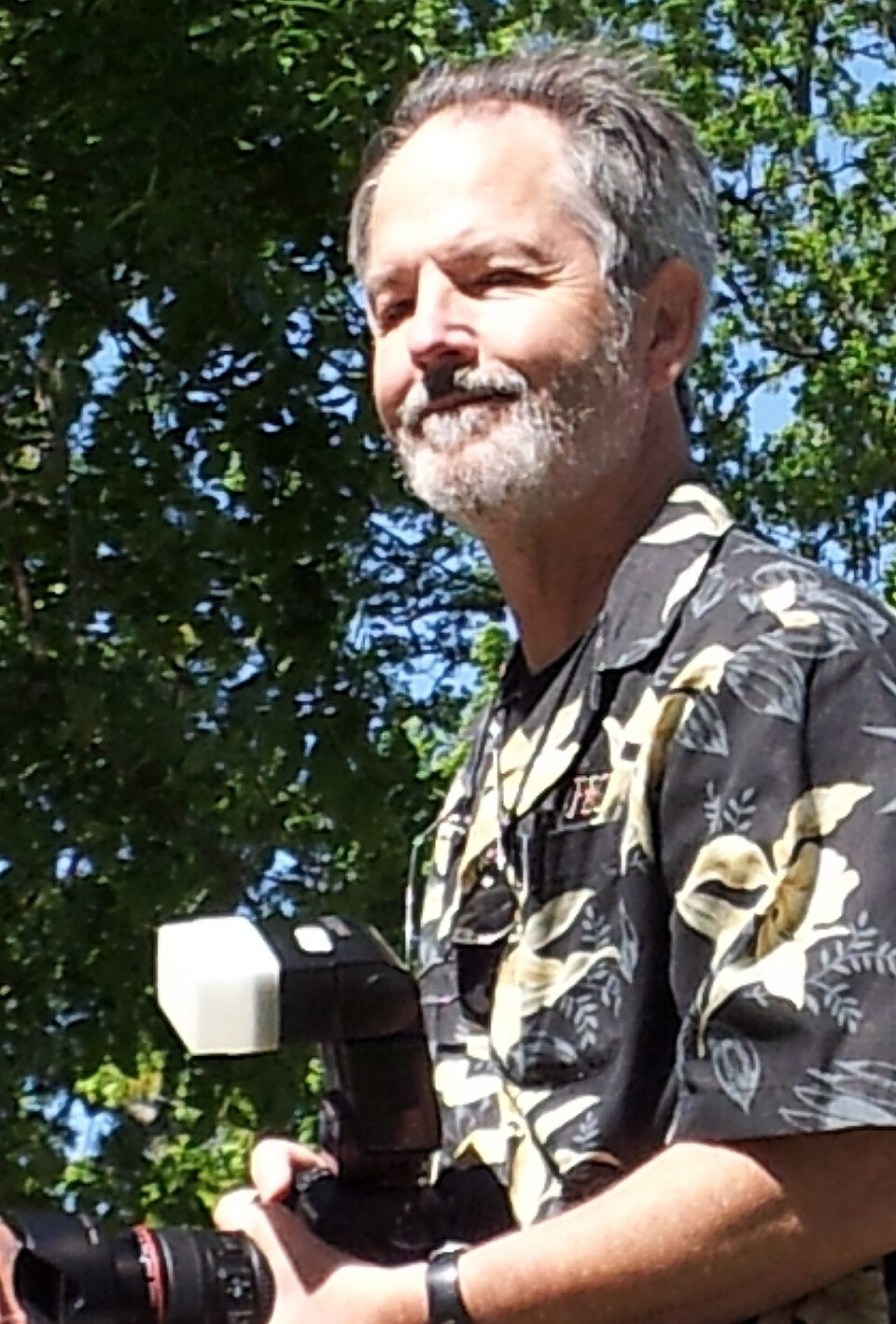
Mbcoats, Alan Pogue-APR21, CC BY-SA 3.0
Alan Pogue, an Austin-based photojournalist, has captured the soul of the South through his evocative photography. Initially driven by his experience as a Vietnam medic, he returned to Texas in 1968 and used his lens to spotlight societal issues.
He focused on the struggles of marginalized groups, especially Texas migrant farmworkers, and documented social justice movements globally over nearly 50 years. His contributions to the Texas Observer have sparked significant conversations. There’s much more to explore about his meaningful journey.
Alan Pogue’s Early Life and Career Transition
Alan Pogue’s path into the world of photography began after his profound experiences as a battlefield medic in Vietnam. When he returned to Texas in 1968, he sought a way to illuminate societal issues and chose photography as his medium.
You can imagine how his camera became a tool for documenting the lives of marginalized communities. His first major project focused on Texas migrant farmworkers, where he lived and marched alongside them, capturing their daily struggles and resilience.
As a photographer, Pogue’s mission was clear: reveal the unspoken and unseen. Over a career spanning 48 years, he blended modern journalism with fine art, creating impactful visual narratives. His fearless approach ensured that his images resonated deeply, promoting awareness and healing.
Capturing Social Justice Movements Across the Globe
Building on his early experiences with farmworkers in Texas, Pogue expanded his scope to cover social justice movements around the world. Alan Pogue’s dedication, extending over five decades, included documenting pivotal moments—from local Texas protests to international conflicts in the West Bank, Iraq, and South Africa, including student demonstrations against apartheid. His powerful work appeared in major outlets like The New York Times Magazine and The Washington Post, emphasizing his lifelong focus on justice and dignity. Pogue’s photography doesn’t just capture oppression—it motivates viewers toward advocacy and activism, encouraging deeper engagement with human rights.
Contributions to the Texas Observer’s Visual Legacy
For over five decades, Alan Pogue has been a consistent contributor to the Texas Observer, shaping its visual voice since his first photo appeared in August 1972. His stirring images, proudly displayed in the Observer’s office, document vital moments in Texas history—protests, community organizing, and political events.
Through his lens, viewers witness the perseverance of Texas farmworkers, as well as the broader struggles for equality that reflect the Observer’s mission. By capturing influential figures like Molly Ivins, Ann Richards, and George W. Bush, Pogue cemented his role in Texas journalism’s visual history. His body of work continues to inspire and inform conversations around Texas’s political and cultural evolution.
Themes and Subjects in Pogue’s Photography
While exploring Alan Pogue’s extensive portfolio, one quickly notices his unwavering focus on social justice and human rights. From his early work as a Vietnam medic to his transition into documentary photography, Pogue has consistently highlighted the lives of the marginalized. His images include Texas migrant workers, border patrol activity, anti-apartheid protests, and responses to sexual violence.
Prominent political figures—like Molly Ivins, Governor Ann Richards, and President George W. Bush—appear in his frames during decisive historical moments. He confronts stark realities: prison conditions, the effects of poverty, and the trauma of war. His vast archive is a testament to decades of unflinching activism and truth-telling.

Recognition and Impact on Cultural Discourse
Through Alan Pogue’s lens, viewers don’t just see photographs—they witness transformative moments in cultural discourse. He has been recognized for his influence on social justice, especially through emotionally charged photographs of political protests and marginalized groups. His images have guided and inspired activists, educators, and artists, making his work a crucial tool in promoting empathy and awareness.
Pogue’s commitment to justice and public engagement reinforces the idea that visual storytelling can reshape conversations, challenge power, and foster connection. His work sets a standard for socially conscious photography—anchoring it firmly in the fight for equity.
Personal Encounters With Violence and Its Aftermath
Alan Pogue’s personal confrontation with violence left a profound impact on his life and worldview. Though familiar with trauma from his time as a medic in Vietnam, an incident in east Austin, where he attempted to intervene in a violent assault, changed him deeply. The act, reminiscent of the Kitty Genovese tragedy, resulted in severe physical and emotional consequences—requiring years of recovery, reflection, and heightened vigilance. This experience led Pogue to pursue a concealed carry permit and advocate for responsible self-defense. His beliefs now balance civic duty with ethical and legal clarity. He uses his voice and platform to educate others, offering guidance on acting responsibly in dangerous situations while emphasizing community protection.
Addressing Social Issues Through Art and Advocacy
After surviving violence firsthand, Pogue channeled that experience into a powerful commitment to social advocacy through art. His role as a photojournalist became more than documentation—it became a means to amplify marginalized voices and push for justice.
- Empathy: His images portray the hardships of Texas farmworkers, displaced families, and victims of political violence.
- Inspiration: Viewers are motivated to support causes, join protests, and speak up against injustice.
- Awareness: Exhibits like the one at La Peña Gallery generate public attention and funding for advocacy efforts.
By combining photography with community collaboration, Pogue proves how art can heal, unite, and mobilize.
Current Challenges and the Fight for Justice
Despite facing financial hardships, Alan Pogue continues his mission of documenting the human condition and advocating for justice. After losing his studio and darkroom space of 16 years, he organized photo exhibitions and book sales to support his relocation and continue his work. His latest showcase reflects nearly five decades of struggle, featuring the lives of migrant workers, injured laborers, and the often invisible effects of corporate negligence.
He has spent years advocating for Rosa Moreno Sarmiento, a factory worker who lost her hands due to unsafe conditions. His coverage of her case aims to hold corporations accountable. Pogue ensures these stories are preserved and elevated, reminding us that without documentation, injustice may remain unseen.

Comments (0)
No comments yet. Be the first to share your thoughts.
Leave a comment