


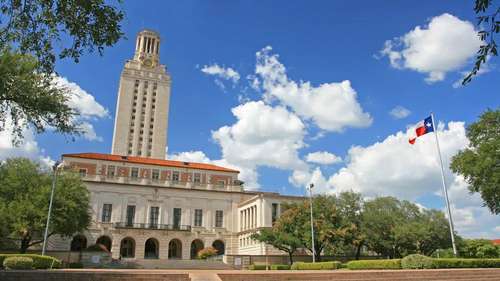
Texas has always had a big reputation. These days, that reputation is reaching far beyond football fields, business hubs, and fast-growing cities. Texas universities are earning more national attention, and the reasons go deeper than school spirit or state pride.
Across the state, public and private universities are improving their academic programs, expanding research, investing in students, and building stronger connections with major industries. Rankings can never tell the whole story, but they do point to a clear trend: Texas higher education is becoming harder to ignore.
Texas Has Built a Strong Higher Education Network
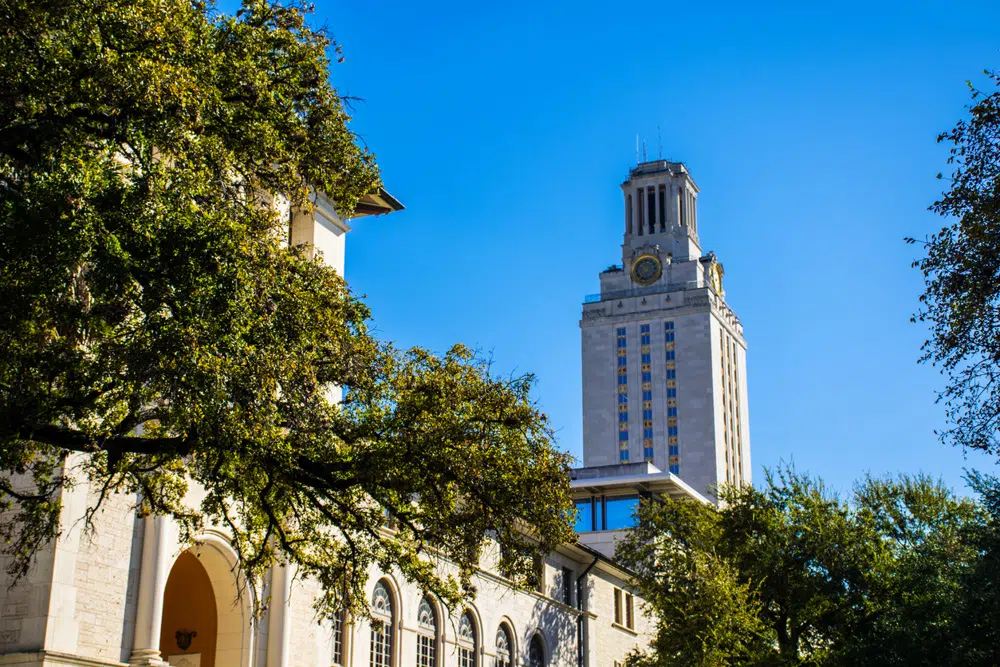
One reason Texas universities keep climbing is the sheer strength of the state’s higher education system. Texas is home to major public research universities, respected private institutions, health science centers, regional universities, and specialized colleges.
That variety matters. Students can choose from large flagship campuses like the University of Texas at Austin and Texas A&M University, private research schools like Rice University and Baylor University, and fast-growing public universities in cities such as Houston, Dallas, San Antonio, Lubbock, and Arlington.
This gives Texas a broad academic base. Instead of relying on one or two standout schools, the state has developed a large network of institutions that serve different students, industries, and regions.
Research Power Is Driving National Attention
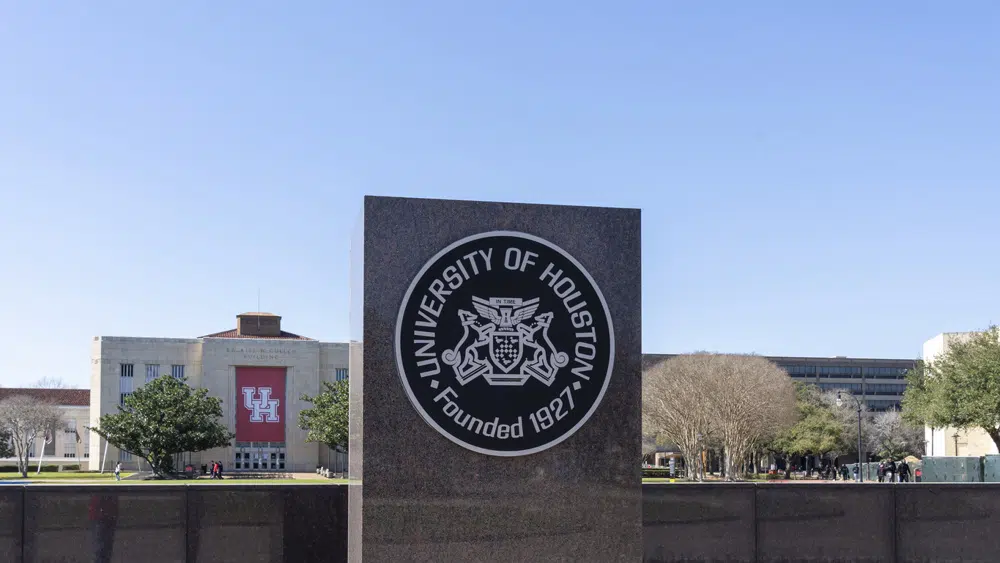
Research is one of the biggest reasons Texas universities are moving up in reputation. National rankings often reward schools that produce major research, attract funding, publish influential work, and train graduate students.
Texas has made major gains in this area. Universities across the state are investing in fields such as engineering, computer science, medicine, energy, agriculture, space science, business, and biotechnology.
Texas A&M, UT Austin, Rice, the University of Houston, Texas Tech, UT Dallas, and other institutions have grown their research profiles. That growth helps schools attract top faculty, graduate students, grants, and partnerships.
Research also affects undergraduate education. Students at research-heavy universities often gain access to labs, internships, advanced technology, and faculty working on real-world problems. That can improve the overall student experience and strengthen a school’s national standing.
Texas Universities Benefit from a Fast-Growing Economy
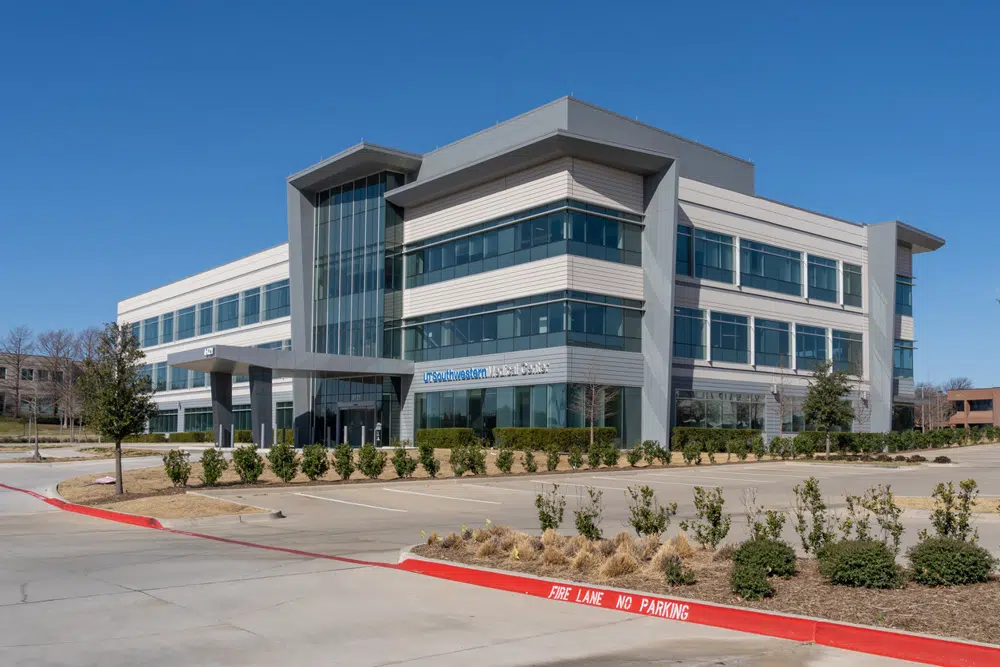
A strong economy gives universities a major advantage. Texas has large and growing industries in technology, energy, health care, aerospace, logistics, finance, manufacturing, and agriculture.
Universities benefit from being close to those employers. Students can find internships, research opportunities, job pipelines, and professional networks without leaving the state.
Austin’s technology sector supports UT Austin and nearby schools. Houston’s energy and medical industries strengthen Rice, the University of Houston, and health-focused institutions. Dallas-Fort Worth supports schools such as SMU, UT Dallas, TCU, UNT, and UT Arlington.
This connection between campuses and employers makes Texas universities more attractive to students. It also improves job placement, graduate earnings, and career outcomes, which are important factors in many ranking systems.
Student Outcomes Are Getting More Attention

Modern college rankings focus more on results than reputation alone. Graduation rates, retention rates, student debt, salaries after graduation, and social mobility now carry more weight than they once did.
That shift helps many Texas universities. Several schools have worked to improve advising, financial aid, tutoring, career services, and graduation pathways.
For students, these improvements can make a big difference. A university that helps students graduate on time, manage costs, and land solid jobs becomes more valuable. Rankings are starting to reflect that.
Texas also serves a large and diverse student population. When universities help first-generation students, transfer students, working students, and lower-income students succeed, they strengthen their case nationally.
The State’s Population Growth Creates Momentum
Texas continues to grow, and that growth affects higher education. More families, businesses, and young professionals mean more demand for strong colleges and universities.
A larger population gives Texas schools a deeper pool of applicants. It also encourages universities to expand programs, build facilities, and compete for faculty.
Growth can bring challenges, including crowded campuses and rising costs. Still, it also creates momentum. Universities in growing regions often gain visibility faster because they are tied to expanding cities and industries.
When a state grows, its universities often grow with it. Texas is a strong example of that pattern.
Public Universities Are Becoming More Competitive
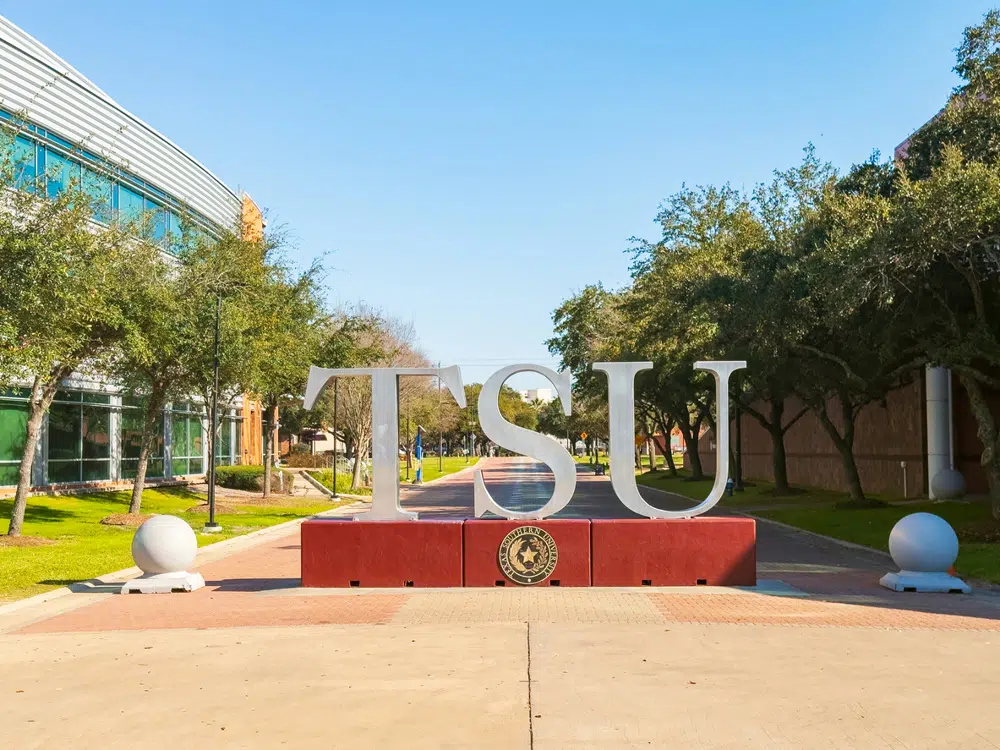
Texas public universities have become increasingly competitive. UT Austin remains one of the most visible public universities in the country. Texas A&M continues to combine size, research strength, and alumni loyalty in a way few schools can match.
Other public universities are also gaining ground. UT Dallas has built a strong reputation in technology, business, and science. The University of Houston has expanded its research profile. Texas Tech has grown its academic and research reach. UT Arlington, UT San Antonio, and UNT continue to serve large student populations while expanding academic programs.
This broader rise matters because national rankings look at institutional quality across many areas. As more Texas public universities improve, the state’s overall reputation rises too.
Private Universities Add Prestige and Academic Depth
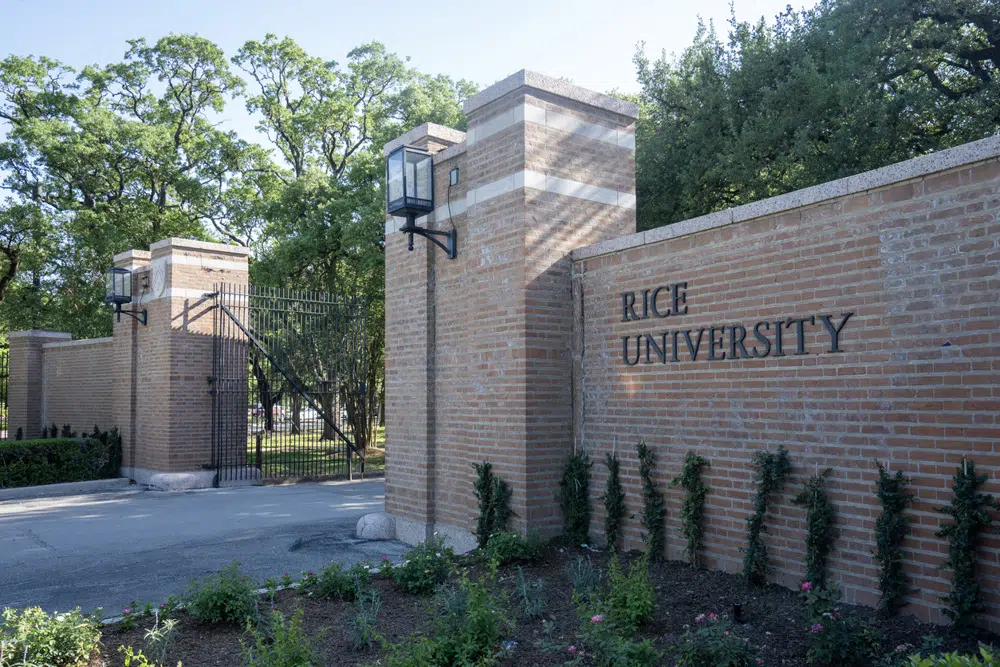
Texas private universities also play a major role. Rice University is known nationally for strong academics, research, small class sizes, and selective admissions. Baylor has expanded its research ambitions while maintaining a strong undergraduate identity. SMU, TCU, Trinity University, the University of Dallas, and other private schools add further depth.
Private universities often help raise a state’s academic profile because they bring different strengths. Some focus on research. Others focus on liberal arts, business, health sciences, or professional programs.
Together, public and private institutions make Texas higher education more balanced and more competitive.
Investments in Facilities and Programs Matter
Campus investment also helps explain the climb. Universities across Texas have spent heavily on new buildings, laboratories, residence halls, student centers, libraries, and athletic facilities.
These investments are not only cosmetic. Better labs support stronger research. Modern classrooms improve instruction. Updated residence halls and student spaces can improve campus life. New health science and engineering buildings help schools meet workforce demand.
Students and faculty notice these improvements. So do ranking organizations, employers, and peer institutions.
Texas Schools Are Expanding High-Demand Majors
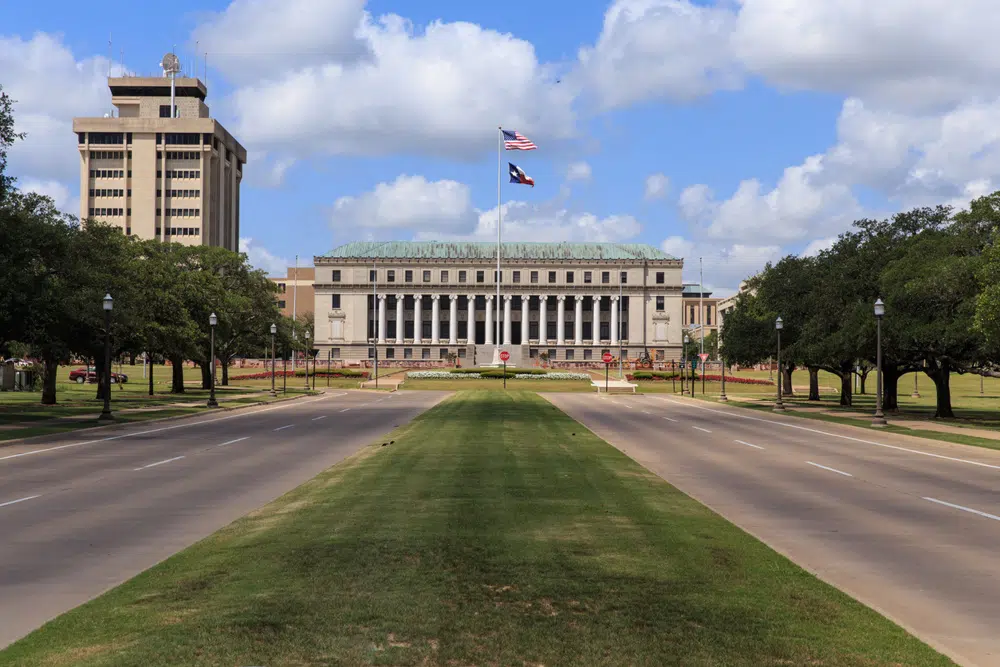
Universities rise when they offer programs that match the future job market. Texas schools have leaned into high-demand areas such as data science, artificial intelligence, cybersecurity, nursing, engineering, business analytics, public health, environmental science, and renewable energy.
These programs attract students because they lead to clear career paths. They also attract employers looking for trained graduates.
As these programs grow, universities gain stronger reputations in fields that matter nationally. A school that becomes known for computer science, engineering, health care, or business can move up quickly in public perception and rankings.
Alumni Networks Give Texas Schools an Edge
Many Texas universities have large and loyal alumni networks. Texas A&M is especially famous for this, but strong alumni communities exist across the state.
Alumni networks help students find internships, mentors, and jobs. They also support universities through donations, recruitment, and professional connections.
That kind of support can improve a university’s long-term strength. It helps fund scholarships, academic programs, research centers, and student services. It also keeps a school’s name visible in business, government, education, and public life.
Affordability Still Matters
College costs are a major concern for families. Texas public universities often offer strong in-state value compared with many private or out-of-state options.
Affordability alone does not guarantee a higher ranking. However, when a university combines reasonable cost with strong outcomes, it becomes more attractive.
Students want a degree that pays off. Families want quality without overwhelming debt. Employers want graduates with practical skills. Texas universities are working to meet all those expectations.
Rankings Reward Visibility, and Texas Has Plenty of It
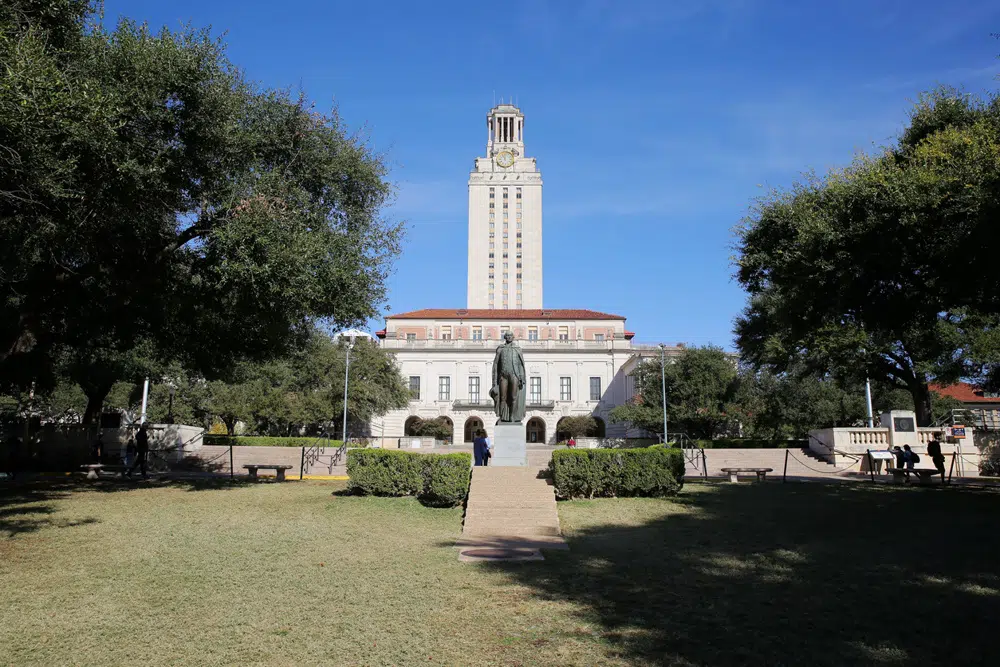
Texas schools also benefit from visibility. The state is often in the national conversation because of its economy, population growth, politics, culture, and sports.
That visibility can help universities attract attention. When companies move to Texas, students look at Texas schools. When cities like Austin, Dallas, Houston, and San Antonio grow, nearby universities gain more exposure.
Academic reputation takes years to build, but visibility can speed up the process. Texas universities are becoming more familiar to students and families across the country.
The Competition Is Still Tough
Texas universities are climbing, but the competition remains intense. Schools in California, the Northeast, the Midwest, and the Southeast are also investing heavily in research, student outcomes, and national branding.
Rankings can change from year to year. A school may rise in one ranking and fall in another because each list uses a different formula.
Still, the larger pattern is clear. Texas universities are not improving by chance. Their rise reflects years of investment, stronger academic programs, better student support, and closer ties to a growing economy.
Why the Climb Is Likely to Continue
Texas universities have several long-term advantages. The state has population growth, major industries, strong public flagships, respected private institutions, and increasing research activity.
That combination gives Texas schools room to keep improving. More students want degrees tied to real careers. More employers need skilled graduates. More universities are competing to offer stronger programs.
As long as Texas keeps investing in higher education, its universities will likely remain major players in national rankings.
Final Thoughts
Texas universities keep climbing the national rankings because they are becoming stronger where it counts. They are producing more research, improving student outcomes, expanding career-focused programs, and building deeper connections with industry.
The rise is not limited to one campus or one city. It reflects a statewide push to make higher education more competitive, useful, and respected.
For students, that means more strong college options close to home. For Texas, it means a stronger workforce and a bigger voice in American higher education.
The rankings may grab the headlines, but the real story is bigger. Texas universities are growing in quality, influence, and opportunity, and the rest of the country is paying attention.

Comments (0)
No comments yet. Be the first to share your thoughts.
Leave a comment