



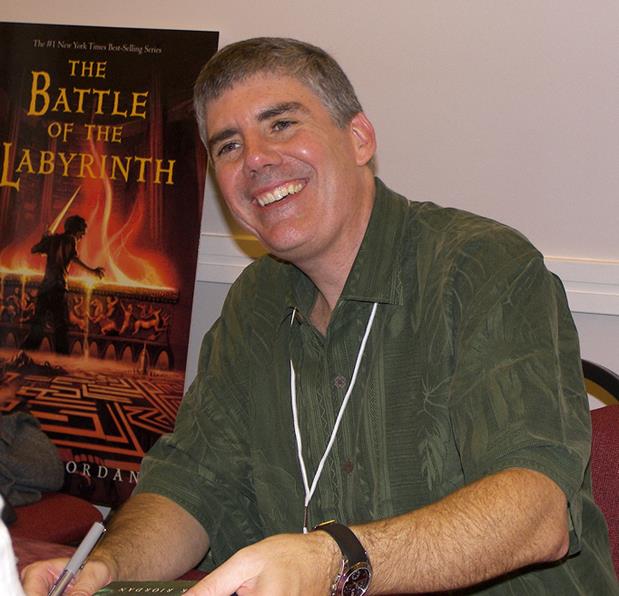
Image: Rhododendrites, Rick Riordan (cropped), CC BY-SA 4.0
Texas has always had a reputation for scale. Big land. Big skies. Big personalities. That sense of size shows up not only in geography and culture, but also in the stories that come out of the state. Texas storytellers tend to think expansively. Their ideas stretch across time, genres, and audiences. They are comfortable blending myth with history, humor with seriousness, and local details with global themes.
Rick Riordan is a strong example of this tradition. Raised in San Antonio, he grew up surrounded by a mix of cultures, legends, and everyday stories that shaped how he approaches writing. His success did not come from chasing trends or limiting his imagination. It came from thinking broadly, trusting readers, and building worlds that feel both grounded and vast.
Texas does not produce storytellers by accident. The environment, the history, and the way people communicate here all encourage big thinking. To understand why, it helps to look at how place influences voice, ambition, and creative confidence.
Texas Is Built on Stories
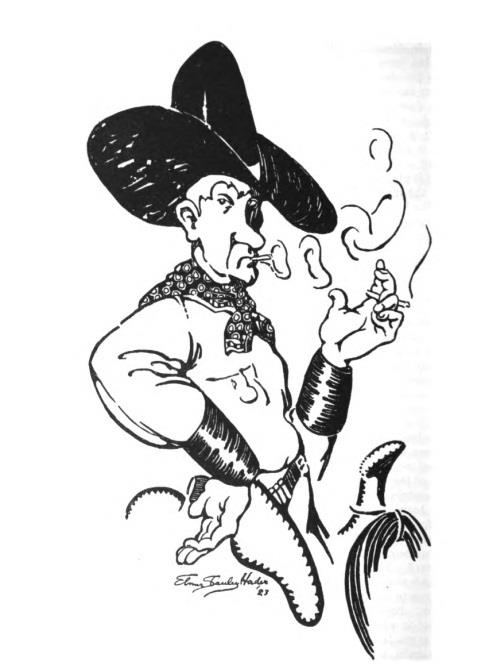
Texas history is rarely presented as small or quiet. From early Indigenous cultures to Spanish colonization, from frontier settlements to modern cities, the state's past is full of layered narratives. These stories are passed down through family conversations, school lessons, local landmarks, and community traditions.
Growing up in Texas means being surrounded by storytelling in everyday life. People talk. They explain. They exaggerate slightly. They frame events as lessons or cautionary tales. This is not about performance. It is about connection. Stories are how people make sense of where they are and how they got there.
In cities like San Antonio, history feels close. Missions sit next to highways. Neighborhoods reflect generations of cultural exchange. The past is not sealed off. It shares space with the present. For a future storyteller, that creates a natural sense of continuity. Stories do not feel distant or abstract. They feel lived in.
Rick Riordan has spoken often about how his teaching background shaped his writing. That background itself was shaped by Texas classrooms, where history and literature are often taught through narrative rather than pure abstraction. When stories are used as tools for understanding, they stop feeling fragile. They become flexible, adaptable, and useful.
Space Encourages Scale
Texas is physically large, and that matters more than people often realize. Wide landscapes affect how people think. Long drives encourage reflection. Open horizons suggest possibility rather than limitation.
When you grow up with that kind of space, your imagination does not feel boxed in. Big ideas feel normal. Long arcs feel manageable. Complex systems feel navigable. That mindset carries over into creative work.
Riordan's books reflect this sense of scale. His stories do not stay small. They expand into series. They connect different mythologies. They build worlds that operate across time and geography. That approach feels natural to someone shaped by a place where distance is familiar and complexity is expected.
Texas also encourages patience. Things take time here. You learn to sit with ideas. You learn to think in long stretches rather than short bursts. That patience supports storytelling that unfolds gradually, with room for growth and discovery.
Texas Humor and Plainspoken Voice
Texas storytelling often carries a specific tone. It is direct. It avoids unnecessary ornamentation. Humor is used to disarm, not distract. Even serious topics are approached with a sense of approachability.
This tone shows up clearly in Riordan's writing. His narrators speak plainly. They acknowledge fear, confusion, and doubt without becoming heavy or melodramatic. Humor acts as a bridge between reader and story, making complex material easier to absorb.
That approach mirrors how people often communicate in Texas. Stories are told to be understood, not admired from a distance. If someone loses the thread, the storyteller adjusts. If the audience laughs, the story keeps going.
This practical, conversational style allows Texas storytellers to tackle big ideas without alienating their audience. Ambition does not require stiffness. Complexity does not require obscurity.
Education That Values Engagement
Texas classrooms, particularly in large urban districts, often emphasize engagement over strict formality. Teachers are encouraged to connect material to students' lives. Stories are used to explain abstract concepts. Creativity is treated as a tool rather than a distraction.
Riordan's teaching career developed in this environment. His early attempts to write for young readers came directly from classroom experience. He paid attention to what worked, what bored students, and what sparked curiosity.
That feedback loop encouraged experimentation. When students responded positively, he expanded ideas. When they struggled, he simplified without condescension. This approach requires confidence and humility, traits often reinforced in Texas education culture.
The result was a writing style that respects young readers while challenging them. Stories are adventurous, but they are also structured carefully. Humor exists alongside real emotional stakes.
Confidence Without Pretension
Texas culture tends to reward confidence that feels earned rather than performative. People are encouraged to speak up, but they are also expected to back up what they say. This balance influences how storytellers approach their work.
Riordan did not present himself as an untouchable authority on mythology. He positioned himself as a guide. He invited readers into the learning process. That posture builds trust and encourages long-term engagement.
Many Texas storytellers share this trait. They aim high, but they remain accessible. They are willing to explain their choices. They engage with their audiences directly.
This attitude supports sustained creative output. When success arrives, it is treated as an extension of effort rather than a transformation of identity. That stability makes it easier to keep producing work that grows rather than repeats.
Texas Encourages Long Narratives
Short stories have their place, but Texas has always favored epics. From tall tales to multigenerational family histories, long narratives are part of the cultural fabric. Stories are told over meals, road trips, and years of shared experience.
This preference aligns well with serialized storytelling. Riordan's success with long-running series fits comfortably into this tradition. Readers are invited to stay, explore, and return.
Long narratives require trust in both the story and the audience. Texas culture tends to support that trust. People expect stories to take time. They value continuity and payoff.
This environment makes it easier for writers to plan broadly. They are less pressured to compress everything into a single moment. They can think in arcs rather than snapshots.
A Place That Encourages Trying
Texas is not shy about ambition. People here often encourage trying first and refining later. Failure is treated as information rather than identity. That mindset supports creative risk.
Riordan's path was not immediate. He wrote multiple books before finding wide success. He adjusted his approach based on feedback. He kept going.
This persistence reflects a broader Texas attitude toward effort. You keep working. You adjust. You do not wait for permission to think big.
For storytellers, this means ideas are allowed to grow in public. Drafts improve. Series evolve. Readers become collaborators in the process through response and engagement.
Other Texas Writers Who Think Big
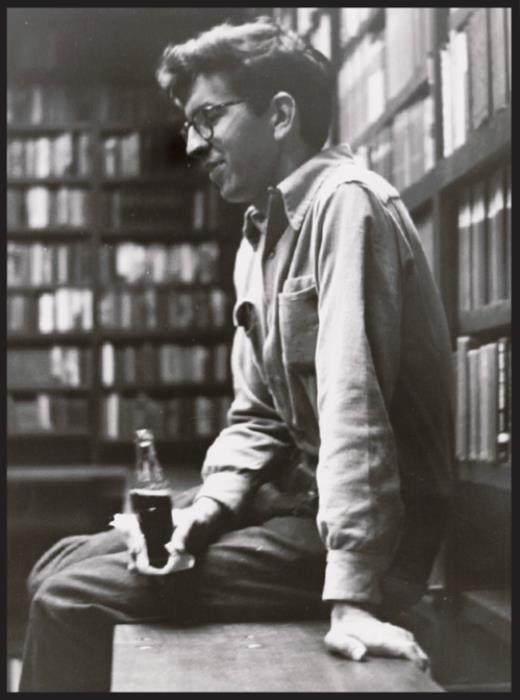
Rick Riordan is not an outlier. Texas has produced many writers who approach storytelling with scope, confidence, and ambition. Their genres vary, but the mindset is similar.
- Larry McMurtry
Raised in Archer City, McMurtry reshaped how the American West was written about. His novels focused on long arcs, layered characters, and the quiet costs of history. Lonesome Dove remains one of the most expansive literary portraits of Texas life ever written.
- Sandra Cisneros
Though her work often focuses on intimate moments, Cisneros tells stories that reach far beyond individual experience. Her writing captures identity, culture, and place with clarity and emotional weight. Growing up in Texas shaped how she writes about belonging and voice.
- Cormac McCarthy
McCarthy spent formative years in Texas, and the state's landscapes and moral complexity appear throughout his work. His novels deal with large questions about violence, fate, and humanity, often set against vast physical and psychological spaces.
- S. C. Gwynne
Known for historical nonfiction, Gwynne tackles sweeping subjects like the Comanche Empire and the American frontier. His work reflects a Texas comfort with large timelines and complicated histories, presented in narrative form.
- Joe R. Lansdale
Writing across horror, crime, and speculative fiction, Lansdale brings East Texas voice and humor into stories that push genre boundaries. His work shows how regional perspective can fuel creativity rather than limit it.
This range of writers shows that thinking big does not mean writing the same kinds of stories. It means trusting that readers can follow complex ideas, long narratives, and emotionally honest work. Texas has long encouraged that trust.
Why It Continues
Texas continues to produce storytellers who think big because the conditions remain supportive. The state still values stories as tools for understanding. Cultural blending continues to generate new perspectives. Education remains connected to narrative.
Rick Riordan's success did not emerge from isolation. It emerged from engagement with place, people, and purpose. His work reflects the environment that shaped him.
Texas does not guarantee greatness. It does something quieter and more important. It makes big thinking feel normal. For storytellers, that is often the difference between imagining possibilities and committing to them.
And that is why so many Texas stories travel far beyond the state's borders, while still carrying the voice of home with them.
Comments (0)
No comments yet. Be the first to share your thoughts.
Leave a comment